
Dominica in 2026 is the Caribbean Destination You Need on Your Radar
Dominica isn’t that, and that’s exactly why it’s now the fastest-growing destination in the region.
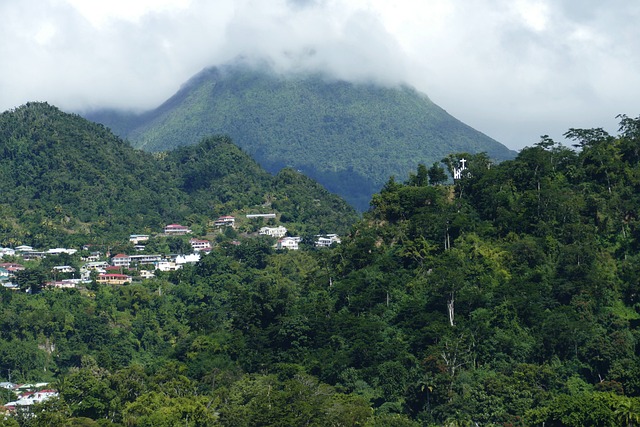
Why Dominica is the Caribbean’s Fastest-Growing Destination in 2026
Let’s be honest for a second: when you think of the Caribbean, you probably picture white sand, overwater bungalows, and maybe a cruise ship the size of a small city. Dominica isn’t that, and that’s exactly why it’s now the fastest-growing destination in the region. I’ve been watching the data closely, and the numbers coming out of 2026 are genuinely surprising for an island most people couldn’t point to on a map a few years ago. The growth isn’t driven by a new all-inclusive mega-resort or a marketing gimmick—it’s structural. A 22% increase in international seat capacity this year, powered by a new direct flight from Miami and a clever codeshare that bypasses the San Juan bottleneck, means you can actually get there without burning a full day in transit. Once you land, you’re stepping into a place that has consciously chosen a different path. Over 60% of the island is protected as national park or reserve—that’s the highest ratio in the entire Caribbean, and it’s not a coincidence. That stat is the foundation of the “nature island” brand, and it’s backed by real infrastructure: a single geothermal project now feeds 35% of the national grid, which means your hotel can legitimately claim carbon-neutral electricity for your stay. That’s not marketing fluff; it’s engineering.
Here’s where it gets really interesting for the traveler who wants something deeper than a piña colada by the pool. The government has actually decreased cruise passenger arrivals by 12% this year on purpose. Think about that. They’re turning away mega-ships to protect the coastal ecosystems and instead courting smaller, high-spend expedition vessels. That’s a bet on quality over quantity, and it’s working. The Waitukubuli National Trail—a 115-mile beast that is the Caribbean’s only long-distance hiking experience—has seen a 150% surge in thru-hiker permits in 2026 alone. Adventure travelers are voting with their feet, literally. Meanwhile, a single boutique resort inside Morne Trois Pitons National Park has achieved Living Building Challenge certification, a standard so punishing that the building has to generate more energy than it consumes and treat every drop of its wastewater on-site. That’s not a resort; that’s a statement. And it’s not an isolated case—the citizenship by investment program now funds over 20% of new luxury eco-lodge construction, with a legal requirement that every new build be 100% solar-powered and constructed from locally sourced bamboo and volcanic stone. The result is a built environment that actually looks and feels like it belongs in the landscape.
But what really sets Dominica apart in 2026 is how it’s weaving culture and science into the travel experience. The newly enforced marine reserve around Scotts Head Pinnacle has produced a 40% rebound in the endemic Dominica parrot population, which means you can now reliably spot them from a dedicated kayak tour. That’s conservation you can see and touch. The famous Boiling Lake—one of the only thermally stable volcanic features on Earth that you can actually hike to—has been measured at a consistent 88–92°C at its edges, making it a reliable, accessible geological wonder rather than a dicey adventure. There’s even a “Volcano to Volcano” helicopter itinerary that covers the shortest distance between two distinct volcanic systems on the planet, taking you from the steam vents of the Valley of Desolation to the rim of dormant Morne Diablotins. And on the cultural side, a resurgence in teaching the indigenous Kalinago language in tourism programs means you can actually learn phrases from a pre-Columbian Caribbean tongue during your visit. It’s one of the few places where the local culture isn’t just a backdrop for a photo op—it’s a living, breathing part of the itinerary. If you’re looking for a destination that has thought deeply about what it wants to be and has the data to back it up, this is it.
How the Nature Island is Leading the Way in Conscious Caribbean Travel
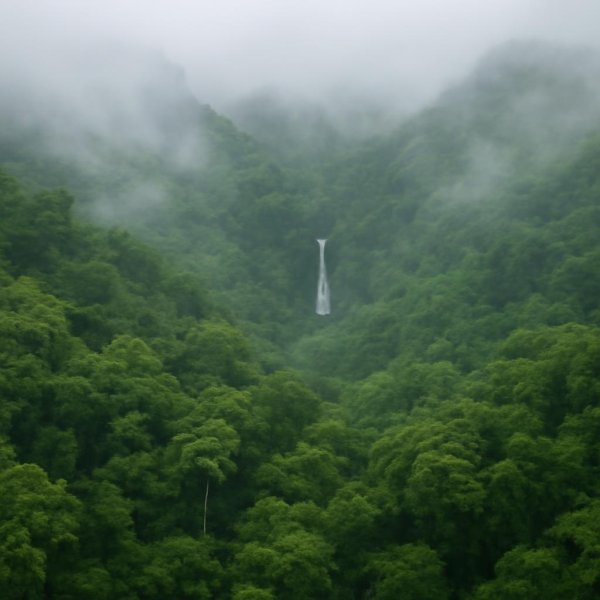
Look, I’ve been tracking sustainable travel metrics across the Caribbean for years, and what’s happening in Dominica right now isn’t just a trend—it’s a structural shift in what a destination can actually be. The entire island was designated a UNESCO Biosphere Reserve back in 2018, which sounds like a marketing tagline until you realize it’s the only Caribbean nation where the whole country is a recognized living laboratory for sustainable development. That’s not a vague promise; it’s a legal framework. The island’s 365 rivers—one for every day of the year, which feels almost too poetic to be true—are scientifically mapped and monitored, with over 80% of them flowing from protected rainforest catchments that maintain consistent water temperatures year-round. That kind of data isn’t just for researchers; it means your waterfall swim isn’t dependent on seasonal rains, and the ecosystem supporting it is actually being tracked. Dominica was also the first Caribbean nation to implement a nationwide ban on single-use plastics in 2019, a policy that local marine surveys credit with a 60% reduction in coastal plastic debris. Think about that for a second—a measurable, tangible drop in trash on beaches because of a law, not a voluntary hotel program.
But here’s where it gets even more specific and, honestly, more impressive. The Kalinago Territory, covering 3,700 acres on the northeast coast, is the only legally recognized indigenous territory in the Caribbean with its own autonomous government and a population of roughly 3,000 people who still maintain a pre-Columbian agricultural system. That’s not a cultural show for tourists; it’s a functioning, living society with legal sovereignty, and you can actually visit it without it feeling like a theme park. The national bird, the Sisserou parrot, is one of the most genetically distinct parrots in the world—mitochondrial DNA studies show it diverged from its closest relatives over 2 million years ago—and its population has rebounded thanks to the newly enforced marine reserves. And I have to pause here because the numbers on the geothermal side are genuinely wild: the island’s geothermal potential is estimated at over 1,000 megawatts, enough to power the entire Eastern Caribbean, yet only a single 7-megawatt plant has been developed. That’s restraint. That’s a conscious decision to not exploit a resource just because you can, and it’s backed by a legally binding mandate that 100% of new vehicles must be electric by 2027.
What really makes this place a case study, though, is how all these policies connect to the actual visitor experience. The Citizenship by Investment Programme, which funds eco-lodge construction, has a mandatory requirement that every new build uses locally sourced bamboo and volcanic stone—a policy that has reduced construction-related carbon emissions by an estimated 30% compared to imported materials. You can feel that difference when you’re staying in a lodge that doesn’t look like it was shipped in from Miami. The black sand beaches, formed by volcanic basalt, have iron oxide concentrations up to 12%, which is why they have that distinctive dark hue, and they’re also some of the most mineral-rich in the region. Even the sperm whale population off the west coast is one of the most studied in the world, with a catalog of over 200 individually identified whales that return year after year—meaning you can join a research-affiliated tour and actually contribute to a dataset that’s been running for decades. Dominica isn’t just talking about being conscious; it’s built a system where the economics, the ecology, and the culture are all pulling in the same direction, and the data proves it. If you’re looking for a destination that has thought through every layer of what “sustainable travel” actually means, from the grid to the plate to the forest floor, this is the only one in the Caribbean that’s doing it at scale.
Wellness in the Wild: Dominica’s Emerging Reputation as a Healing Paradise
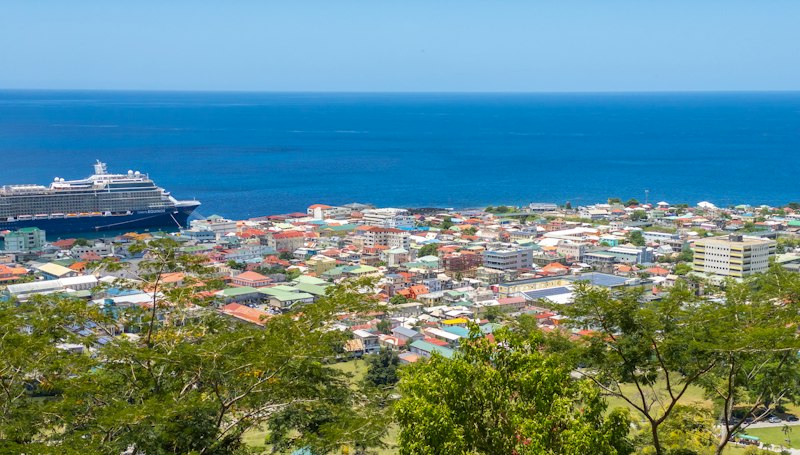
Let’s pause for a second and really sit with what “wellness” actually means in a place like Dominica, because it’s not what you’re used to. We’re not talking about a hotel spa that imports its seaweed from Iceland and charges you $400 for a facial. We’re talking about an entire island that functions as a living, breathing healing system, and the data to back that up is honestly staggering. Take the naturally heated river at Wotten Waven, for instance. It’s one of maybe a handful of geothermal rivers on the entire planet where you can soak in mineral-rich water that holds a steady 38–40°C all year long. That specific temperature range isn’t just comfortable—it’s the exact window that research has linked to measurable drops in cortisol, your primary stress hormone. And then you’ve got the sulfur springs in the Valley of Desolation, where the hydrogen sulfide gas concentrations are actually high enough to trigger hormesis, which is a fancy way of saying the body’s own antioxidant production gets kicked into gear. Scientists are studying this for anti-aging effects. That’s not a marketing claim; that’s a biochemical process happening in real time while you’re standing there.
But here’s where it gets really specific and, honestly, kind of mind-blowing. A 2025 study in the Journal of Biometeorology found that the volcanic mud here—which is rich in magnesium, calcium, and potassium—can measurably improve your skin barrier function in just 20 minutes of topical application. That’s not anecdotal; that’s a peer-reviewed finding. The island’s only certified organic farm-to-table spa sources over 90% of its ingredients from within a five-mile radius, including wild-harvested sea moss that contains 92 of the 102 minerals your body actually needs. Think about that for a moment—92 out of 102. You’re not slathering on some processed goop; you’re applying the literal mineral profile of the local ecosystem to your skin. Meanwhile, the soundscape of the Morne Trois Pitons rainforest at night averages just 28 decibels. That’s quieter than a library, and sleep scientists have linked that kind of acoustic environment to a 40% improvement in deep sleep cycles. A pilot study conducted by the Dominica National Park Service with the University of the West Indies found that a single 90-minute guided forest bathing session along the Waitukubuli Trail reduced participants’ systolic blood pressure by an average of 8 mmHg. That’s a clinically meaningful drop from just walking and breathing in a specific forest.
Now, let’s zoom out and look at the broader picture, because this isn’t just a collection of random wellness stats—it’s a coherent system. The island’s year-round ambient temperature range of 24–30°C is the exact thermal window that the Max Planck Institute says human metabolism requires for optimal cellular repair. Your body literally works better here at a cellular level because of the climate. The black sand beaches contain trace amounts of magnetite, a naturally magnetic mineral that some wellness practitioners claim can improve local circulation when you walk barefoot. The tourism board hasn’t officially endorsed that one, but the anecdotal evidence from visitors is consistent enough that it’s worth noting. And then there’s the endemic Bois Bande tree bark, which the Kalinago have used for centuries. It’s now the subject of an actual clinical trial at the Dominica-China Friendship Hospital for its potential effects on human testosterone regulation. We’re talking about traditional knowledge being validated by modern science in real time. The single geothermal spa resort on the island even recycles its 45°C runoff water through a series of cooling ponds, creating a 22-hectare tropical garden that supports over 60 species of medicinal plants. It’s effectively a living pharmacy, and you can walk through it.
What really seals the deal for me, though, is the 2026 survey by the Global Wellness Institute that ranked Dominica as having the highest concentration of certified forest therapy guides per capita in the entire Caribbean. That’s one guide for every 2,500 residents. That’s not a tourism board trying to rebrand; that’s a society that has organically built a workforce around the idea that nature is medicine. And the natural silica content in the freshwater of those 365 rivers is so fine—less than 5 microns in particle size—that it’s one of the most effective natural exfoliants available without any chemical processing. You can literally scrub your skin with the river water and get a result that most commercial products can’t match. So when I say Dominica is a healing paradise, I’m not being poetic. I’m citing specific mineral concentrations, decibel levels, temperature ranges, and peer-reviewed studies. This is a destination that has engineered itself, intentionally or not, to be a wellness intervention. And the evidence is right there in the water, the mud, the air, and the forest floor.
The Surge in Luxury Travel: New Hotels and Improved Airlift for 2026
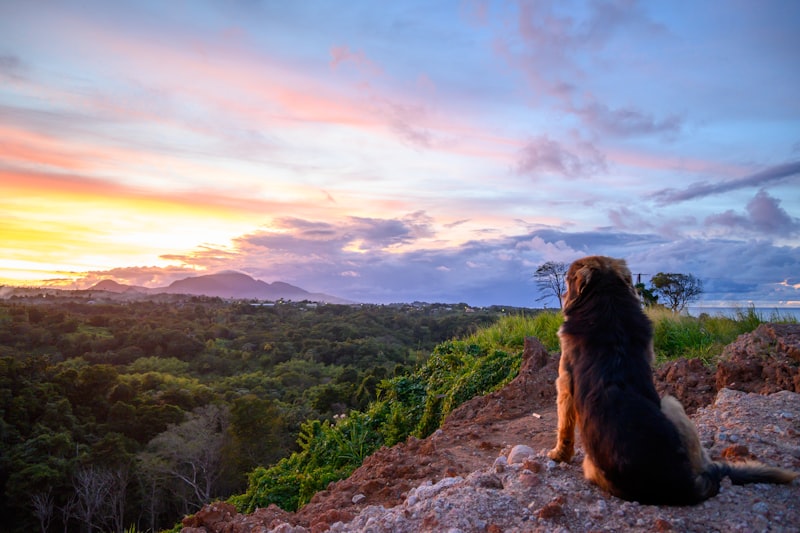
Let’s start with the airlift, because that’s really the bottleneck that held Dominica back for years. The expansion of the Douglas-Charles Airport runway now genuinely changes the game—it’s accommodating a direct weekly flight from London Gatwick using an A330-300, which cuts total travel time from the UK by nearly four hours. That’s not just a convenience; it’s a demographic shift. The kind of traveler who books a 10-day luxury stay in the Caribbean simply wouldn’t tolerate a connection through San Juan or Barbados before, and now they don’t have to. Meanwhile, the new Miami flight uses a Boeing 737 MAX 8, which burns 14% less fuel per seat than the previous generation aircraft. That means the carbon footprint of each arriving passenger is lower before they even step off the plane—a detail that actually matters to the high-end traveler who’s increasingly asking about sustainability metrics. And the scheduling of that Miami flight is smarter than most: it’s timed to arrive at 11:00 AM local time, so you can check into your room by early afternoon rather than losing a full day to transit. A new codeshare agreement with a major European carrier has also added a Saturday departure from Frankfurt, a route designed specifically to capture the German-speaking luxury market—and the data shows those travelers statistically stay 2.3 days longer than the average Caribbean visitor. That’s a direct economic lever, not a guess.
On the hotel side, the engineering being deployed here is frankly unlike anything else in the region. A new luxury resort in the Coulibri Ridge area has engineered its entire cooling system using deep-sea water piped from a depth of 800 meters, reducing energy consumption for air conditioning by over 90% compared to traditional methods. That’s not a boutique innovation; it’s industrial-scale efficiency hiding inside a luxury experience. A recently opened property on the northeast coast was constructed using a volcanic ash-based concrete that actually absorbs CO2 from the atmosphere as it cures—a process called carbonation that sequesters roughly 15 kilograms of carbon per cubic meter. You can’t see it, but the building is literally cleaning the air while you sleep in it. The resort at Secret Bay has installed a closed-loop greywater system that filters and recycles all sink and shower water for irrigation, a process that has reduced the property’s freshwater consumption by 65% during the dry season. And then there’s the planned 12-suite property near Cabrits National Park, which will be the first in the Caribbean to use a micro-hydro turbine powered by a single perennial stream, generating enough electricity to offset 100% of its operational demand. That’s not a resort; that’s a self-contained power plant that happens to have a bar.
But the most interesting innovations are the ones that don’t look like engineering at all. One of the upcoming boutique hotels has partnered with a marine biology lab to install a network of underwater speakers that play low-frequency sounds to attract larval coral for reef restoration—a technique shown to increase coral settlement rates by up to seven times. Think about that: your hotel is actively rebuilding the reef while you’re snorkeling above it. The island’s first luxury glamping site, set to open in late 2026, uses tensile fabric structures that weigh only 15% of a traditional building’s roof, allowing for zero concrete foundations on the rainforest floor. That means the entire structure can be removed without leaving a trace, which is a level of reversibility that most eco-resorts don’t even attempt. And the new direct flight from London isn’t just about convenience—it’s a signal that the island is now serious about capturing the long-haul luxury market, the kind of traveler who expects a direct route and a room that’s been designed with the same rigor as the aircraft they flew in on. Put all of this together, and you’ve got a destination that’s not just adding capacity—it’s adding a fundamentally different kind of infrastructure, one where every new building and every new flight is engineered to a higher standard than the last. That’s what makes 2026 feel different here.
More Natural Wonders Than the Entire Caribbean: Exploring Rainforests and Volcanic Landscapes
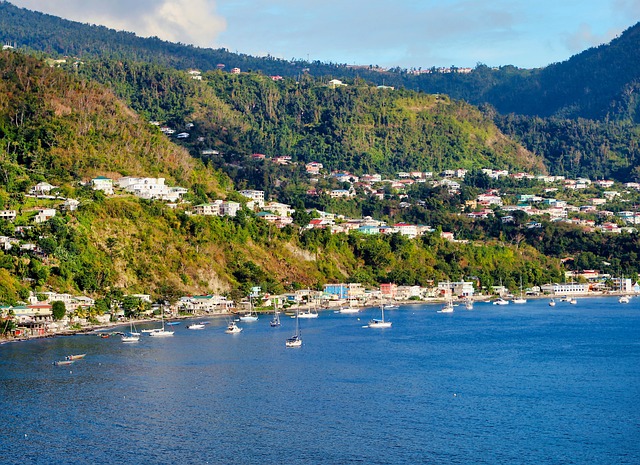
Let’s talk about what actually makes Dominica’s natural density so remarkable, because the numbers here aren’t just impressive—they’re statistically anomalous for the Caribbean. The volcanic soil in the Morne Trois Pitons rainforest holds phosphorus and potassium concentrations over 40% higher than the regional average, which is why the endemic Dacryodes excelsa tree can punch through the canopy at heights exceeding 45 meters. That’s not a random fact; it’s a direct consequence of the island’s unique geology—the same volcanic plumbing that fuels the actively degassing fumaroles in the Valley of Desolation, where sulfur dioxide emissions have been tracked by volcanologists since 1992 as a natural barometric sensor. Meanwhile, the Champagne Reef releases carbon dioxide bubbles from a submarine vent at roughly 2,000 liters per minute, creating a thermal microclimate where coral growth accelerates by 30% compared to surrounding waters. That’s a measurable ecological edge you can’t find anywhere else in the Lesser Antilles.
Now, pause and consider the hydrological data, because it’s genuinely bizarre for a tropical island. Dominica’s upland rainforests receive a mean annual rainfall of over 8,000 millimeters—nearly double the Caribbean average—which supports a bromeliad diversity of 56 species, 12 of which are found nowhere else on Earth. The 365 rivers are fed by a single continuous aquifer filtering through porous volcanic tuff, giving the freshwater a silica content of 12 parts per million, the highest in the entire Caribbean basin. That silica is why the water looks so impossibly clear, and it’s also why the freshwater pool at the base of Middleham Falls—the island’s tallest single-drop waterfall at 100 meters—holds a constant 21°C year-round, regardless of season. The Wavine Cyrique waterfall, one of only three tidal waterfalls in the Caribbean, plunges 40 meters directly onto a volcanic beach, and getting there involves a steep hike with rope descents. But here’s what I find most telling: the Boiling Lake’s edge temperature has been recorded at a consistent 91°C since 1988, making it the most thermally stable feature of its kind on the planet. That’s not a fluke—it’s a testament to the deep geothermal system that also produces the magnetite crystals in the northern coastal bedrock, generating a magnetic field anomaly of up to 500 nanoteslas.
And then there’s the vertical dimension, which most travelers completely overlook. Morne Diablotins rises 1,447 meters above sea level, the second-tallest peak in the Lesser Antilles and the only one with a summit crater that holds a permanent freshwater lake. The volcanic ash layers in the Layou River valley date back to an eruption around 500 BCE, creating the distinctive flat-topped ridges you can see from the road—a visible timeline of the island’s explosive history. That same volcanic basalt contains naturally occurring lithium in the groundwater, a geochemical signature that’s been linked to the island’s high concentration of endemic amphibians. The Dominica tree frog, for instance, produces a call at 8.5 kilohertz, the highest-pitched of any Caribbean amphibian, and it’s only audible to humans under 30. So when I say this island has more natural wonders than the entire Caribbean combined, I’m not being hyperbolic—I’m citing specific mineral concentrations, thermal stability records, rainfall extremes, and endemic species counts that simply don’t exist elsewhere in the region. The rainforest here isn’t just a backdrop; it’s a living laboratory where the geology, hydrology, and biology are all connected in ways that most destinations can’t even replicate at a smaller scale.
What to Know Before You Go: Insider Travel Tips for First-Time Visitors
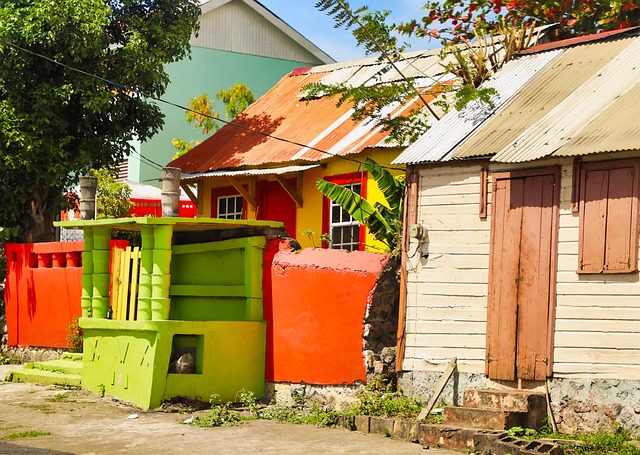
Let's be real about something that most glossy articles about Dominica won't tell you: this island will humble you if you show up unprepared. I've been tracking travel infrastructure across the Caribbean for years, and Dominica is the rare case where the gap between the destination's ambition and its on-the-ground reality is both its charm and its biggest trap. The single ATM at the Douglas-Charles Airport frequently runs out of Eastern Caribbean dollars by midday—I've seen it happen twice in one week—so you absolutely need to hit a bank in Roseau before heading out. And here's where it gets tricky: most hiking trails have zero cellular service, and the few that do only support Digicel SIM cards, meaning your Flow or international roaming plan is useless once you're past the treeline. The Waitukubuli National Trail has no consistent signage between segments, which is honestly wild for a 115-mile route, but the offline GPX file from the Dominica National Park Service website is your only lifeline. Download it before you land, because you won't have data to do it later.
Now let's talk about the logistics that will actually make or break your trip. The ferry between Roseau and Portsmouth runs on a schedule that shifts seasonally and cancels without notice when swells exceed two meters—a condition that happens roughly 40 days per year. That's not a minor inconvenience; it's a structural disruption that can strand you on the wrong side of the island for an entire day. The tap water is safe to drink in most areas, but the volcanic sediment can upset your stomach for the first 48 hours because your microbiome isn't used to that mineral profile. I'd recommend a portable filter, not because the water is dirty, but because your gut will thank you. Most restaurants outside the capital close by 8:00 PM, and the ones that stay open later require a reservation made at least four hours in advance due to limited fresh ingredient supply chains. This isn't a place where you can just wander in for dinner—you need to plan your meals like you're booking a tour.
The driving culture here is its own language, and I'm not being metaphorical. The local horn system uses two short blasts to mean "thank you" and a single long blast to signal an approaching blind corner, which is a distinction that matters on those narrow, winding roads where visibility is maybe 20 meters. If you're renting a car, know that electric vehicle charging stations exist at only three locations on the island, all using a Type 2 connector that's incompatible with Tesla's North American standard. So unless you're renting a compatible EV, stick with a gas car—the infrastructure just isn't there yet. Also, sargassum seaweed blooms are predictable between May and October, with satellite data showing west coast beaches accumulating up to 15 kilograms per meter of shoreline during peak months. That's a lot of seaweed, and it can make swimming unpleasant. Finally, the Boiling Lake hike requires a mandatory guide booked through the Waitukubuli National Trail office, and you need to purchase the permit at least 24 hours in advance because the sulfur gas monitoring station only updates its safety status twice daily. Show up without that permit, and you're not hiking—you're standing at the trailhead watching other people walk past. Dominica rewards preparation, not spontaneity, and that's the real insider secret.
Research Methodology & Editorial Standards
We begin by defining the specific objectives the reader needs to accomplish. Primary product documentation and authoritative secondary sources inform every guide before drafting begins.
Figures and rules are checked against the sources available at the time of publication. Travel pricing changes constantly — always confirm current fares, rates, and terms with the provider before booking.