
Why Hollywood actors are wrong about airplane mode and why you should keep it on
When I hear a celebrity like Paul Rudd hop on a podcast and label airplane mode as pure nonsense, I can’t help but laugh because it’s such a relatable, frustrated sentiment.
The Viral Rant: Why Some Celebrities Think Airplane Mode is Nonsense
When I hear a celebrity like Paul Rudd hop on a podcast and label airplane mode as pure nonsense, I can’t help but laugh because it’s such a relatable, frustrated sentiment. We’ve all sat there in our seats, phone in hand, thinking that a single device can’t possibly take down a massive jetliner. It’s an easy narrative to grab onto when you’re just trying to check your emails or finish a text before takeoff. But once you start looking at the actual physics of how our phones talk to cell towers, the reality is a lot messier than a funny soundbite. It turns out that the rule isn't just about preventing some catastrophic cinematic disaster, but about managing a very real, very complex signaling environment that we’re constantly moving through at five hundred miles per hour.
Here’s what I mean by that: back in the nineties, the FCC put these rules in place because a phone trying to connect to a tower from thirty thousand feet doesn't just see one signal. It sees dozens, and it tries to talk to all of them at once, which creates a massive headache for ground networks. Think of it like trying to shout across a crowded room where everyone is listening to you—the sheer volume of signal noise can overwhelm the system. Even though our phones are much smarter and more efficient now, they still hunt for a signal, and that constant searching can leak into the radio frequencies that pilots use to talk to air traffic control. It’s not necessarily going to drop the plane out of the sky, but that buzzing static in a pilot’s headset during a critical landing is a distraction they really don’t need.
And honestly, we have to talk about the sheer scale of the issue because it’s not about your phone alone. If you have two hundred people on a flight and everyone leaves their cellular radio on, you’re creating a collective signaling storm that can genuinely degrade the quality of ground infrastructure. That’s why global regulators stick to the precautionary principle; they’d rather keep the policy in place than risk a system failure that’s hard to predict. Newer 5G bands operate dangerously close to the frequencies used by radar altimeters, which are the tools pilots use to know exactly how close they are to the ground. So, while it’s fun to agree with a celebrity ranting about outdated rules, the science says there’s a legitimate reason we keep hitting that little airplane icon before we push back from the gate.
Decoding the Technology: How Cellular Signals Actually Interact with Aircraft Systems
Let’s get into the mechanics of why your phone is such a headache for an airplane’s flight deck. The real issue is that modern radar altimeters operate in the 4.2 to 4.4 GHz range, which sits uncomfortably close to the C-band spectrum used for high-speed 5G data. Even without a direct connection, your smartphone’s transmission power jumps significantly when it struggles to find a link to distant ground stations, potentially creating harmonic interference. Aviation safety protocols aren't just being cautious; they focus on preventing these unintended emissions because high-speed flight causes rapid Doppler shifts in cellular signals that can confuse ground-based network handoff algorithms.
Think about how sensitive cockpit instruments are—they’re calibrated to detect microvolt-level signals, meaning even a low-power device can register as unwanted electromagnetic noise within the avionics bay. While modern aircraft have shielding, the miles of wiring looms running through the fuselage can actually act as unintentional antennas for stray radio frequency energy. During low-visibility approaches, the Instrument Landing System relies on incredibly precise signal processing that is, unfortunately, susceptible to the broadband noise generated when dozens of devices simultaneously poll for a connection. Ground-based towers are simply designed for highway speeds, so an aircraft moving at five hundred miles per hour presents an exponentially faster handoff requirement that can quickly saturate the capacity of a cell site.
High-altitude flight creates a unique environment where your phone has a line of sight to hundreds of towers at once, triggering a persistent cell-reselection loop that forces the device to transmit far more frequently than it would on the ground. Regulators like the FAA have found that the cumulative impact of hundreds of devices transmitting at maximum power creates a noise floor that can mask faint, critical telemetry signals. Modern flight management systems integrate data from multiple sensors, and electromagnetic interference from unauthorized electronics can induce latent errors in the synchronization of these high-speed buses. We also have to remember that many older aircraft still in service lack the robust signal filtering found in the latest wide-body jets. Because cellular protocols evolve every few years, it's essentially impossible to test the specific electromagnetic profiles of every new device against every legacy cockpit configuration currently in the global fleet, which is why keeping it simple with airplane mode remains the safest bet.
The Interference Factor: Understanding the Risk to Ground-Based Cellular Networks
Let’s dive into why this matters because, honestly, the interference we’re talking about isn’t just some theoretical ghost in the machine—it’s a genuine engineering headache for the networks we rely on every day. When your phone is cruising at thirty thousand feet, it’s not just sitting idle; it’s aggressively scanning for a connection, essentially shouting at dozens of ground towers simultaneously. Because our cellular networks were built for people walking or driving on the ground, they simply aren’t wired to handle the sheer speed of an aircraft, leading to what we call signal ping-ponging. This is where towers scramble to hand off your device, only to drop and re-acquire it milliseconds later, which creates a massive, unnecessary surge in signaling traffic that eats up bandwidth meant for everyone else on the ground.
You might think your single device doesn't change the status quo, but consider the cumulative weight of an entire plane doing this at once. It forces ground towers to dedicate precious computational resources to managing these phantom connections, which effectively steals capacity from terrestrial users and can even trigger localized congestion or outages in dense flight paths. Worse yet, these airborne signals can disrupt the sophisticated beamforming tech that modern towers use to focus data, forcing the system to constantly re-calibrate its focus. Think of it like trying to hold a steady conversation in a room where someone keeps flickering the lights; the network has to work overtime just to keep the connection stable, which drains the processing cycles that should be handling your actual data.
And there’s a real-world ripple effect here that most people don't consider: the power control commands. When an airborne device creates a noisy environment, the network can mistakenly tell ground-level handsets to ramp up their own transmission power to punch through the interference. This creates a messy cascading effect where the entire cell sector becomes less efficient, driving down service quality for anyone just trying to browse the web at a coffee shop below the flight path. It’s not about policing your personal device for the sake of it, but about protecting the integrity of a complex, shared infrastructure that is struggling to balance these high-altitude disruptions. We’re essentially asking ground systems to manage a logistical nightmare they were never designed to accommodate, and until network protocols evolve, keeping that airplane icon active is really the only way to keep the peace.
Beyond the Myth: Why Airlines and Regulatory Bodies Mandate Connection-Free Flight
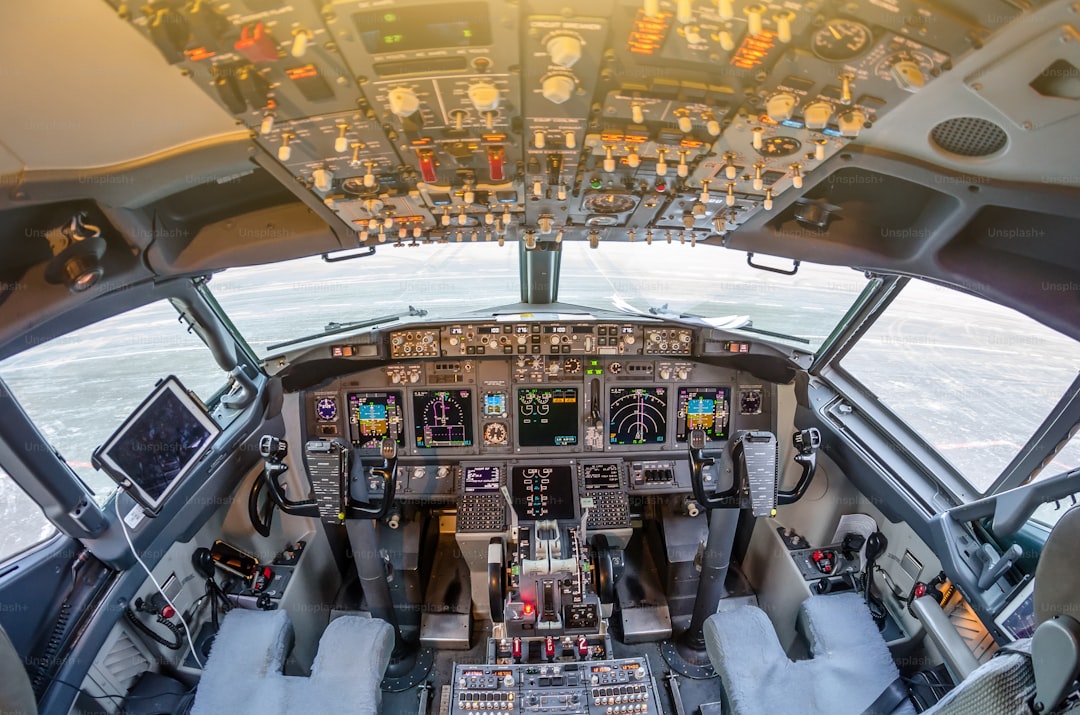
When you look at the regulations behind why we’re asked to switch our devices to airplane mode, it’s easy to feel like it’s just a relic from the past. But let’s dig into the actual mechanics because the reality is far more technical than just a blanket rule. For starters, aviation safety agencies require aircraft avionics to withstand high-intensity radiated fields of up to 200 volts per meter. This isn’t just some arbitrary number; it exists because our planes are essentially giant collections of unshielded wire bundles that can act like giant antennas for stray radio waves. These wires can pick up energy from our personal electronics, potentially inducing unwanted currents right where the flight data systems are trying to do their job.
The math gets even more interesting when you consider what happens when your phone is searching for a signal at 30,000 feet. Your device enters a high-altitude cell reselection loop, which can cause intermodulation distortion—a fancy way of saying different frequencies mix together to create "spurious signals." These signals don't just stay in your phone; they can bleed directly into the protected aviation communication bands that pilots rely on. To make matters worse, that rapid 500-knot velocity causes a Doppler shift in cellular signals, which confuses ground-based network controllers and leads to constant, unnecessary synchronization errors. When you think about the sheer diversity of hardware in a typical cabin—from brand-new flagships to budget phones with potentially degraded shielding—it becomes impossible for regulators to certify every single device-to-aircraft combination for safety.
The risk isn't just to the plane's internal health, but to the precision required during those final, critical minutes of a flight. During an Instrument Landing System approach, the glideslope signal needs to be absolutely perfect, and even low-level harmonic interference from a cabin full of phones can cause signal jitter that degrades automated landing guidance. We’re also talking about older regional aircraft that still use sensitive analog-to-digital converters, which lack the noise-floor rejection of the latest jets. When you add in the cumulative power output of hundreds of devices, you’re effectively raising the electromagnetic noise floor within the cabin, potentially interfering with internal sensors used to monitor the plane's health. By keeping that airplane icon active, you’re really just helping to maintain a necessary, clean environment for the systems that keep us safe.
The Hidden Impact on Pilots: Managing Communication and Navigation Integrity
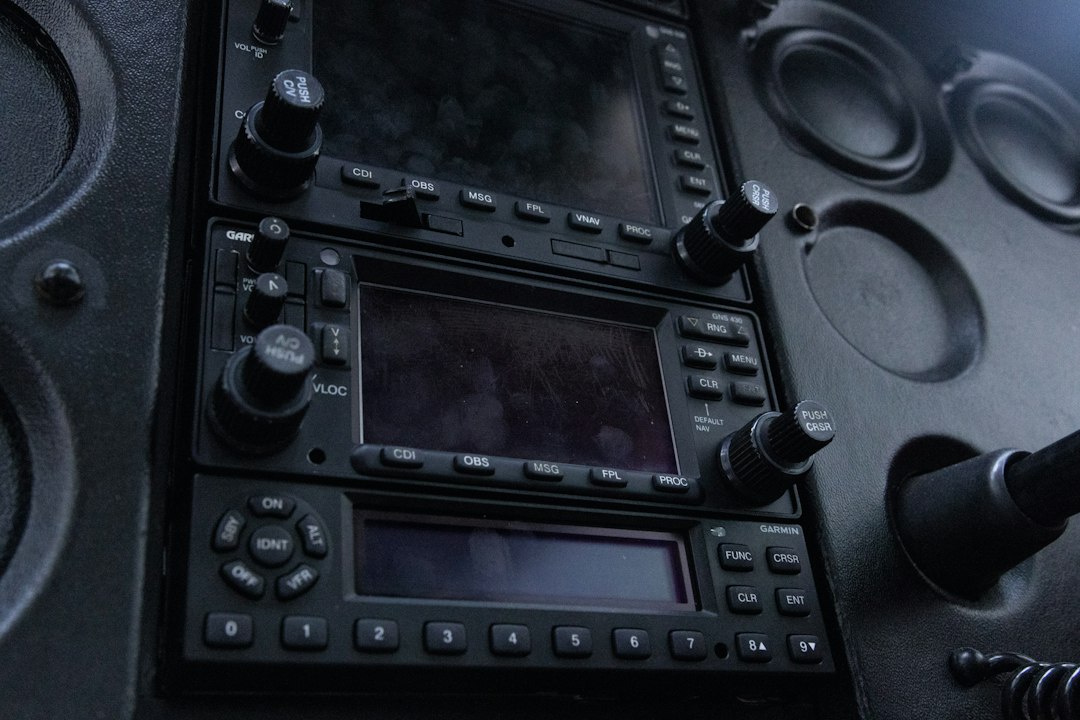
Let’s pause for a moment to consider what’s actually happening behind the cockpit door when hundreds of passengers leave their cellular radios on. You might think your phone is just a quiet piece of glass in your pocket, but from an engineering perspective, it’s constantly shouting at the ground. When your device is at 30,000 feet, it’s outside its design parameters, and the power control algorithms—which are tuned for terrestrial use—often fail to throttle back correctly. Instead, they default to maximum transmit power, essentially forcing your phone to scream into a void in a desperate, impossible attempt to maintain a link. That persistent, rhythmic pinging as your phone attempts to re-establish a connection isn't just wasted battery; it creates a continuous, high-frequency burst of electromagnetic interference that can manifest as an annoying, audible clicking in a pilot’s audio management system.
The danger here is that an aircraft’s cabin is essentially a massive, complex web of copper wiring that can act like a series of unintended, high-gain antennas. These wire looms are designed to carry sensitive flight data, but they aren’t always perfectly shielded against the specific frequencies leaking from a cabin full of active mobile devices. When those spurious emissions overlap with the protected 108-118 MHz range used for navigation, you’re looking at a real conflict with the VHF Omnidirectional Range systems that pilots depend on to stay on course. It’s not about one phone causing a disaster, but the cumulative effect of hundreds of devices creating a near-far interference scenario. If a phone is tucked near a bulkhead or a floor-integrated wire loom, it can inject a signal strong enough to overwhelm the low-noise amplifiers used in the plane’s navigation receivers, which is a headache no pilot wants during a critical phase of flight.
We also have to account for the way these signals mix together, creating what we call intermodulation distortion. Essentially, when different cellular frequencies interact with the non-linear electrical components within the aircraft, they can create ghost signals that pop up right on the frequencies reserved for air-to-ground voice communication. This is compounded by the fact that the rapid velocity of a jet causes a Doppler shift, which forces devices to miscalculate their timing advance parameters, leading to a constant, erratic cycle of transmission spikes. The electronic noise floor of an aircraft is a carefully managed environment, certified under the assumption that all high-power radio transmitters are either off or in a passive mode. By keeping your device in airplane mode, you’re essentially helping to keep that noise floor low enough for the cockpit to maintain the integrity of their communication and navigation signals.
Better Safe Than Sorry: Why Your Airplane Mode Habits Still Matter in 2024
You know, it’s easy to dismiss airplane mode as a relic of the past, especially when you’re just trying to get one last email out before the cabin door seals. I’ve definitely been that person, wondering why we’re still playing by 90s-era rules in the middle of a 5G world. But here’s the reality: when your phone loses its connection to a tower at 30,000 feet, it doesn't just go to sleep. It enters a frantic, high-power search mode, screaming at maximum legal transmit levels to find a signal that’s essentially impossible to reach. Because aircraft are effectively massive metal tubes filled with miles of wiring, that desperate pinging can actually turn your phone into an unintentional transmitter that interferes with the very systems pilots rely on to navigate.
Think about it like this: your plane is packed with sensitive electronics calibrated to detect signals at the microvolt level. When your device is transmitting at full blast, it creates a broadband noise floor that can literally drown out the faint data the plane needs to land safely. And it’s not just your phone. When an entire cabin of people does this simultaneously, you’re creating a cumulative signaling storm that forces ground towers to waste precious computational power trying to manage phantom connections. This causes a cascading effect where those towers might actually force other phones on the ground to ramp up their own power, which honestly just makes the whole cellular network less efficient for everyone else.
The technical side gets even messier because the rapid speed of a flight causes a Doppler shift that confuses the timing of your phone’s handshake with the ground. This leads to erratic, out-of-sync bursts of data that can bleed into protected aviation bands through intermodulation distortion, where the non-linear components in the plane’s own hardware act like unintended mixers. Plus, with the massive variety of phone models out there, it’s physically impossible for regulators to certify every single device against every aging regional jet’s wiring loom. It’s not just about one phone causing a disaster; it’s about protecting the integrity of a complex environment that was never designed to handle hundreds of high-power transmitters at once. So, next time you’re settling into your seat, just hit that button—it’s really the only way to ensure the cockpit isn't fighting against a wall of invisible, unnecessary noise.
Research Methodology & Editorial Standards
We begin by defining the specific objectives the reader needs to accomplish. Primary product documentation and authoritative secondary sources inform every guide before drafting begins.
Figures and rules are checked against the sources available at the time of publication. Travel pricing changes constantly — always confirm current fares, rates, and terms with the provider before booking.