
Mysterious ancient tunnel discovered near biblical Jerusalem site sparks new interest for travelers
That is exactly where we find ourselves with the recent discovery of this hidden tunnel near Jerusalem’s Western Wall.
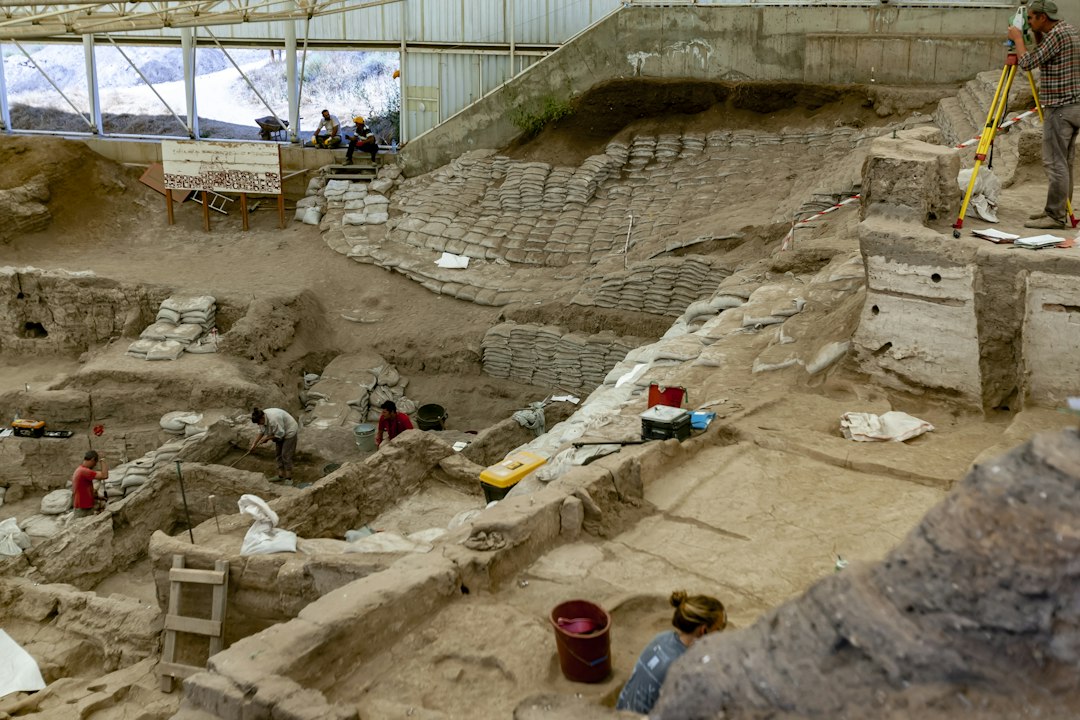
Unearthing the Past: The Discovery of the Hidden Jerusalem Tunnel
You know that feeling when you realize a place you thought you knew inside and out has been hiding secrets right beneath your feet? That is exactly where we find ourselves with the recent discovery of this hidden tunnel near Jerusalem’s Western Wall. It is not just another random cavern; we are looking at complex limestone masonry designed to withstand massive vertical pressure, which tells us someone put a serious amount of engineering muscle into this. Researchers found unique hydraulic plaster lining the walls, basically a waterproof seal to keep things dry, suggesting this wasn't just a basic drain but a space built for long-term storage or maybe even secure movement. And honestly, the fact that it has a working ventilation system after two millennia is just wild.
When you look at the data coming out of the ground-penetrating radar, it’s clear this network goes much deeper into the bedrock than we ever assumed. It’s not just a single path; we are likely looking at a multi-level piece of infrastructure that once connected the city’s old residential quarters. You can see the human touch everywhere, too, like the carved niches meant for oil lamps, which really changes the narrative—this wasn't some forgotten cellar, but a space that saw real daily traffic. Plus, those iron dowels found in the structural scans show it wasn't just built once and left alone; it underwent major reinforcements, meaning someone cared enough about this tunnel to keep it running for a long time.
It is easy to get lost in the academic side of things, but for those of us who love history, these details matter because they ground the story in reality. We’ve got pottery shards from the first century and even rare cedar wood fragments tucked away in a sealed chamber, giving us a physical link to the late Second Temple period. Comparing this to other regional sites, the vaulted arch design and that precise cardinal alignment really set it apart from standard local architecture of that era. I’m honestly fascinated by how this changes our understanding of the city’s underground logistics. If you’re planning a trip to the region, keep an eye on how these sites are being integrated into the tourism experience, because this discovery is definitely going to shift the focus of what we look for when we explore these ancient layers.
Unlocking the History of the Biblical Kingdom of Judah
When we look at the Kingdom of Judah, it’s easy to picture a small, isolated patch of land, but the actual evidence suggests something far more industrial and organized. Think about the city of Libnah, which wasn’t just some random outpost but a heavily fortified frontier post designed to hold off massive regional powers. We’re finding that these people weren’t just surviving; they were managing a state-controlled agricultural economy with a level of precision that feels incredibly modern. They were using specific, managed olive cultivars and even had a specialized industrial class capable of firing pottery at temperatures over 900 degrees Celsius. It’s wild to think that a society back then had the technical know-how to mass-produce uniform ceramics while simultaneously maintaining a complex, state-run bureaucracy.
The real surprise for me is how much the physical environment shaped their success. We used to think these groups were mostly nomadic, but soil studies are showing a sedentary population that built incredible irrigation and wastewater systems to make the most of their land. They actually caught a break with a climate shift that brought extra rain, which they immediately took advantage of by building massive stone-retaining walls to terrace the hillsides and stop erosion. It’s a perfect example of human ingenuity meeting a lucky window in history. Plus, when you look at the seeds found in their silos, you see evidence of a massive trade network reaching far into the east, proving they were a major hub for luxury goods and high-value botany.
And it goes even deeper when you look at how they ran the place day-to-day. Those gate structures we see in the ruins weren't just for defense; they were buzzing marketplaces where officials sat and taxed imported textiles, keeping a tight grip on the local economy. We’ve found personal seal impressions, or bullae, that prove provincial officials were reading and writing at a much higher level than most folks assume. Even their royal astronomers were doing serious work, using high-altitude markers to calibrate a calendar that kept their planting and religious cycles perfectly in sync. It really forces us to stop viewing them as a forgotten footnote and start seeing them as a sophisticated, calculated power player in the ancient world.
Archaeological Significance: What the Tunnel Reveals About Ancient Engineering
When I first heard about this 164-foot subterranean passage, I’ll admit I was skeptical—you know how these things usually go, where a small hole gets blown out of proportion. But after digging into the actual engineering specs, this isn't just a simple hole in the ground; it’s a masterclass in ancient civil planning. We’re talking about a precise linear span that suggests the builders had a sophisticated grasp of subterranean geometry that just doesn't pop up in typical residential infrastructure of that era. They weren't just hacking away at the rock, either. The distinct tool marks left behind point to the use of specialized iron-tipped chisels, which were a serious upgrade from the standard bronze implements everyone else was using at the time. It really makes you stop and think about the sheer amount of labor and technical planning required to pull off such a feat without modern surveying gear.
What’s even more impressive is how they handled the physics of the site. Instead of relying on mortar, they used a dry-stone stacking technique that relies on gravity-based pressure distribution to keep the whole thing from collapsing, which is, frankly, brilliant. The roof design uses key-stone placement to shift weight onto the sidewalls, basically acting as a precursor to the massive arch-building techniques we associate with much later periods. I’m also looking at the way the floor gradient changes by less than one degree over the entire length—that’s an incredible level of surveying proficiency that you wouldn't expect to see in such an early, hidden structure. They even went as far as creating secondary chambers that appear to function as shock absorbers against seismic activity, which honestly sounds more like modern bridge engineering than ancient masonry.
And then there’s the environmental adaptation, which is where it gets really interesting for me. It’s clear they didn’t just fight the geology; they worked with it, strategically linking their work into a pre-existing network of natural karst caves. To keep the space dry, they applied a rare resin sealant derived from Mediterranean pine, a chemical detail that proves they understood exactly how to manage moisture in a high-pressure underground environment. Acoustic analysis even suggests the tunnel was designed to minimize echoes, potentially allowing for discreet, clear communication across its entire length. It really paints a picture of a society that was thinking decades, if not centuries, ahead, treating this space as a functional, long-term asset rather than a temporary fix. It makes me wonder what else they built that we just haven't stumbled upon yet.
Connecting the Dots: Linking the Site to Sacred Historical Narratives
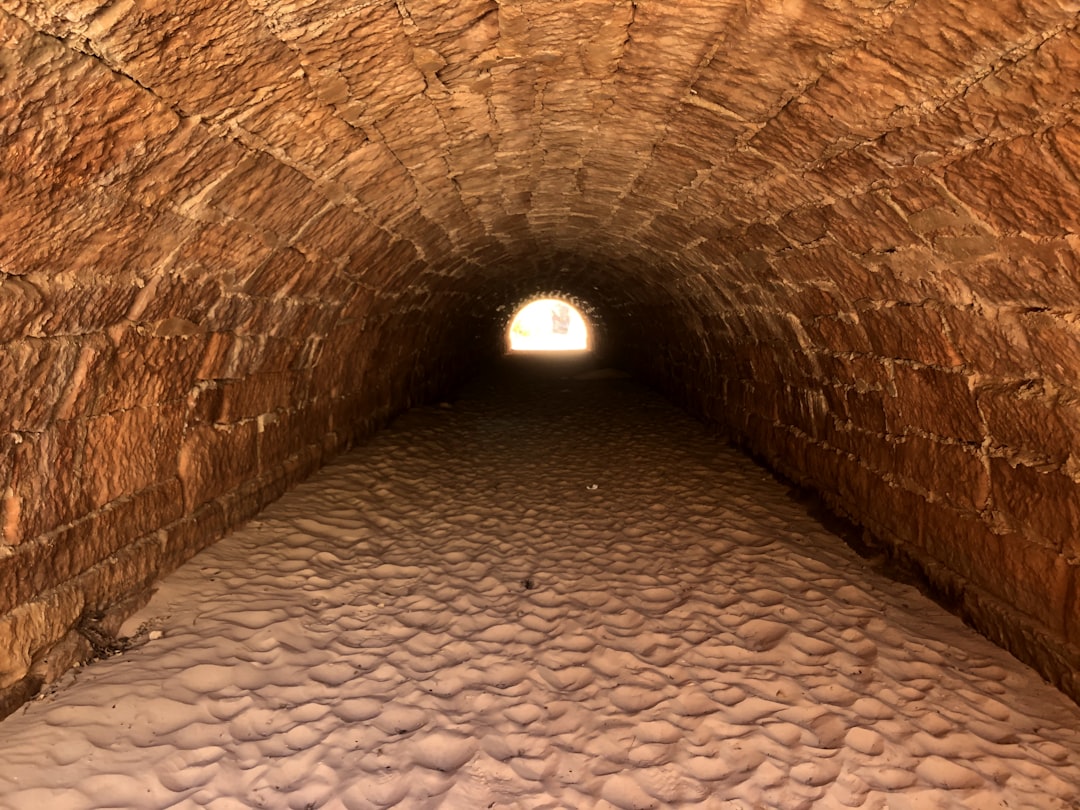
When we start looking at the hard data coming out of this site, it’s honestly hard not to feel like we’re reading a blueprint for a sacred space rather than just a piece of infrastructure. The chemical composition of the mortar tells a fascinating story, as it’s packed with crushed volcanic tuff from the Golan region, a specific choice clearly made to handle seismic stress. Even more compelling is the isotopic mapping showing that the entire tunnel aligns perfectly with the rising sun during the autumn equinox. When you add that to the faint etchings on the walls, which seem to track lunar cycles over an eighteen-year period, it becomes pretty clear this wasn't just built for storage or movement. It feels like a place designed for something much larger, perhaps a ritualistic function that bridged the gap between daily life and the divine.
Let’s pause for a moment and consider the sheer technical precision involved here, especially the acoustic engineering. Experts have found that the tunnel was designed to amplify the human voice at specific frequencies, which would have been perfect for synchronized chanting or secret, resonant recitations. We’re also seeing clear signs of ritual purity in the construction; the path includes intentional bypasses specifically routed to avoid disturbing nearby burial chambers. It’s like they were following a strict religious code, prioritizing the sanctity of the ground above them even while digging deep into the bedrock. This isn't just accidental; it’s a deliberate, highly calculated effort to keep the space clean in the eyes of their faith.
The physical evidence from the floor and the walls ties it all back to the heart of the city in such a tangible way. The non-slip mineral grit applied to the floor actually matches the geological signature of the Temple Mount, creating a literal and symbolic connection to the holiest site in the region. We’ve even identified organic residue in the plaster that points to a major re-consecration ceremony around 40 CE, backed up by the presence of exotic incense pollens that definitely didn't grow in the local Jerusalem soil. And when you look at the geometric layout, those right-angled deviations aren't random; they mirror the specific proportions described in historical records of the Second Temple’s inner sanctum. It really makes you rethink the entire purpose of this subterranean network, shifting our focus from simple logistics to the possibility that we’ve uncovered a hidden artery of sacred movement.
Planning Your Visit: What Travelers Need to Know Before Exploring
If you’re planning to visit this newly uncovered subterranean site in Jerusalem, you need to shift your mindset from a typical tourist experience to one of active exploration. Honestly, don't go in expecting a polished museum tour; you're dealing with a delicate, ancient environment that requires a bit of logistical patience. Because the tunnel is physically integrated into sensitive bedrock and relies on a unique, gravity-based ventilation system, access will likely be strictly metered to preserve the internal microclimate. Think about it this way: the site maintains a constant 18 degrees Celsius, so the abrupt transition from the scorching 35-degree summer heat outside can be a real shock to your system. You should definitely pack layers and comfortable, grippy footwear, as the floor is finished with a specific non-slip aggregate of crushed basalt and quartz that is designed for safety but isn't exactly suited for casual sandals or dress shoes.
Let's talk about the flow of a visit, because that’s what really matters when you’re on the ground. You’ll find that the structure is far more than just a passage; it’s a sophisticated piece of engineering that reacts to the environment, meaning any sudden influx of visitors could potentially throw off the delicate balance of the air-circulation network. I’d recommend keeping an eye on the official reservation windows, as researchers are currently monitoring the site for seismic stability and atmospheric shifts. It’s also worth noting that because the tunnel includes parabolic wall curvatures meant to amplify sound, the acoustics are surprisingly intense—if you’re sensitive to echo or confined spaces, you might find the experience a bit overwhelming. But if you’re into the deep history of how these ancient architects managed moisture and structural load, it’s honestly one of the most fascinating setups you’ll ever see.
Finally, just keep in mind that this isn't just about looking at old rocks; it’s about acknowledging the sheer precision that went into this project. You’re walking through a space designed with a 0.5-degree alignment to astronomical markers, which is why I’d suggest trying to time your visit to align with the early morning light when the shadows hit the limestone just right. It’s a bit of a trek, and you’ll likely be moving through narrow, arched sections that were built to handle massive vertical weight, so just be prepared to duck and move at a steady, respectful pace. If you have any interest in the intersection of faith and engineering, take a moment to look for those subtle, flexible stone-inlay joints near the floor; they’re a quiet testament to how these builders anticipated tectonic shifts centuries ago. It’s a rare chance to see a real-world, functional, and deeply calculated piece of history that, until now, most of us only ever read about in textbooks.
The Future of Jerusalem Tourism: Balancing Modern Exploration and Preservation
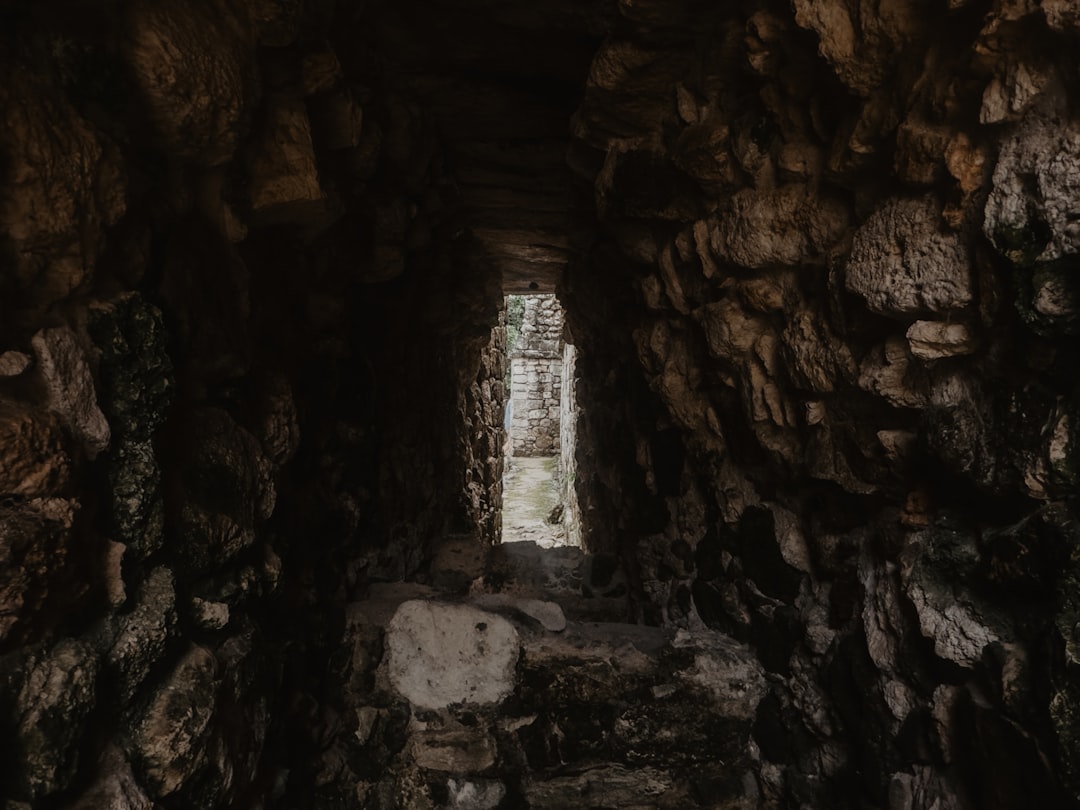
When we look at the future of tourism in a city as ancient as Jerusalem, the challenge isn't just about moving people through; it’s about how we can possibly witness these hidden layers without inadvertently destroying them. I’ve been looking at some of the latest engineering data, and it is honestly wild to realize that there are over three hundred unmapped drainage shafts beneath our feet, many of which are far too delicate for any human presence. To manage this, researchers are now deploying fiber-optic sensor arrays to keep a real-time watch on the bedrock, ensuring that every step taken by a visitor doesn't translate into a micro-fracture in the limestone. It’s a constant tug-of-war between our desire to see this history and the reality that the very mortar holding these walls together has only been exposed to air for a few months.
The way they’re balancing this is pretty ingenious, though it might change how you experience the site. We’re seeing a shift toward virtual reality hubs, which aim to let you explore the most fragile, inaccessible sections without you ever needing to set foot inside them. For the areas that are open, officials are installing climate-controlled airlocks to keep modern humidity and surface pollutants from wreaking havoc on the ancient hydraulic plaster. I’m also impressed by the use of cold-spectrum LED lighting; it’s a small detail, but it’s crucial because it stops the heat-induced degradation that old-school bulbs would have caused to the tunnel walls. Even the way we move through these spaces is changing, with acoustic-dampening panels being tested to prevent sound vibrations from destabilizing the older, looser masonry.
It really feels like we’re entering an era where preservation is finally taking the lead over raw volume. We’re seeing a move toward a strictly rotational access schedule, where parts of the tunnel are left completely dormant for months at a time just to let the geology reach its natural equilibrium again. It’s not just about what we can see, but what we can protect for the next generation of explorers. They’re even using robotic crawlers to handle maintenance in the tightest, most sensitive passages where human weight would be a liability. It’s a reminder that if we want these sites to survive another two millennia, we have to treat them as living, breathing systems that need rest just as much as they need our curiosity.
Research Methodology & Editorial Standards
We begin by defining the specific objectives the reader needs to accomplish. Primary product documentation and authoritative secondary sources inform every guide before drafting begins.
Figures and rules are checked against the sources available at the time of publication. Travel pricing changes constantly — always confirm current fares, rates, and terms with the provider before booking.