
How to protect yourself from norovirus outbreaks on your next cruise vacation
We’ve been conditioned to think that a quick pump of sanitizer is our golden ticket to staying healthy, but when it comes to norovirus, that bottle in your bag is essentially useless.
Why Hand Sanitizer Isn’t Enough: Understanding Norovirus Transmission
If you've ever found yourself religiously scrubbing your palms with alcohol-based sanitizer while traveling, I’ve got some tough news that might change your entire approach to hygiene. We’ve been conditioned to think that a quick pump of sanitizer is our golden ticket to staying healthy, but when it comes to norovirus, that bottle in your bag is essentially useless. See, norovirus is a non-enveloped virus, which is just a fancy way of saying it lacks the delicate lipid outer layer that alcohol is actually designed to dissolve. Think of it like trying to pop a balloon with a feather; the sanitizer just slides right off its rugged, protein-based shell without doing any real damage. Because the virus is so structurally resilient, it can sit happily on your skin or a cruise ship railing for weeks, waiting for its next host.
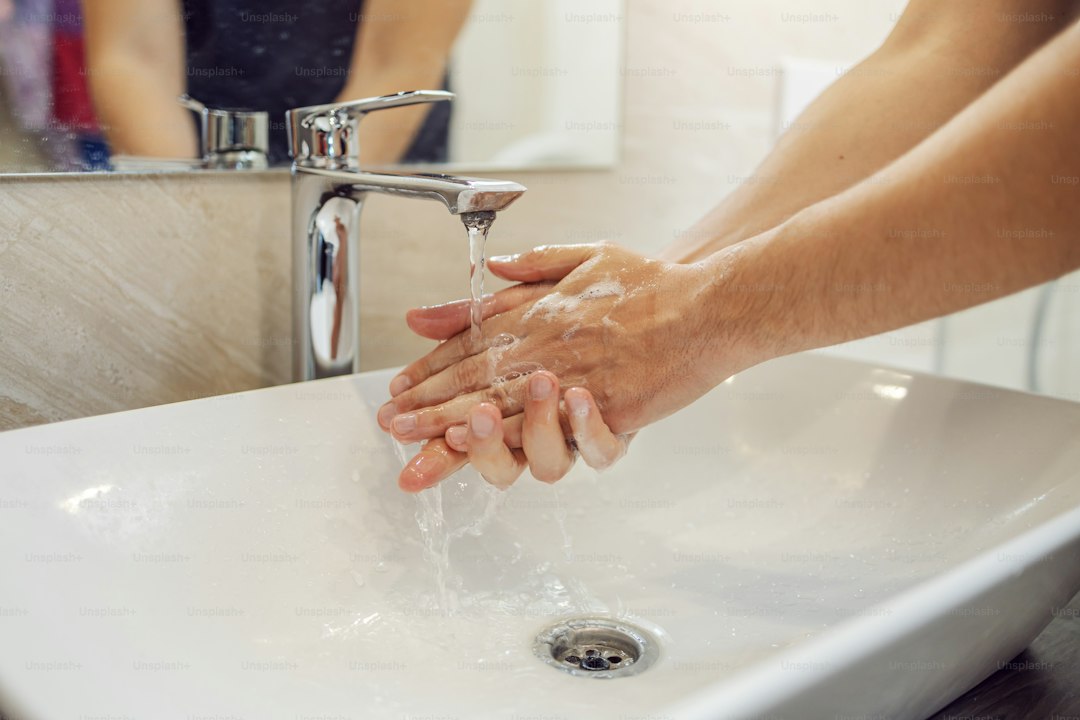
And here is where the math gets really concerning: it only takes about 18 to 1,000 viral particles to make you sick. To put that in perspective, that is such a minuscule amount that even the most microscopic trace left behind after a "quick clean" is enough to trigger a full-blown infection. This is why we have to shift our mindset from simple sanitization to mechanical removal. You really need to commit to the old-school method of washing your hands with soap and water for at least 20 seconds. It’s not just about the soap; it’s about the friction. That physical act of scrubbing is what actually lifts the virus off your skin and rinses it down the drain, which is a level of defense that sanitizers simply cannot touch.
But it gets even trickier when you think about the environment around you, especially in confined spaces like a ship. Standard household disinfectants, including those common quaternary ammonium sprays, often fail to neutralize the virus, leaving a false sense of security in your cabin. You honestly need to look for specific EPA-registered products, usually those containing bleach or specific hydrogen peroxide concentrations, to actually kill the particles on surfaces. Plus, the virus is shockingly hardy—it handles freezing and moderate heat without breaking a sweat, and it can even become airborne during a vomiting event, settling on surfaces far from where the initial incident happened. If you’re trying to protect yourself, stop relying on the easy solution and start prioritizing soap, water, and bleach-based cleaning where it actually counts.
The Golden Rule of Cruise Hygiene: Prioritizing Handwashing with Soap and Water
I’ve spent a lot of time looking at how we actually move around a ship, and honestly, we need to stop thinking about handwashing as just a chore and start viewing it as a mechanical defense system. When you use soap and water, you’re creating shear forces that physically pull the virus out of the tiny, invisible crevices in your skin that hand sanitizer simply can’t reach. It’s like trying to sweep dust off a rug; sanitizer just pushes the particles around, but the friction of scrubbing combined with the surfactants in soap actually emulsifies the oils on your hands, lifting the virus right off so it can be rinsed away. I’ve noticed people obsessing over water temperature, but the data suggests that the volume of water and the duration of your scrub matter way more than heat. If you’re not hitting that twenty-second mark, you’re essentially leaving the job half-finished.
The part most travelers miss is what happens after the rinse, because the drying process is just as vital as the wash itself. Using a disposable paper towel isn't just for comfort; it’s a final mechanical sweep that grabs any lingering pathogens that didn't make it down the drain. And don't get me started on the faucet handle. If you’ve just spent twenty seconds scrubbing, why would you turn off the tap with your bare hand and immediately pick up the very germs you just worked to remove? I always use that same paper towel as a barrier to shut off the handle, and it’s a small, deliberate habit that honestly keeps me from re-contaminating myself every time I visit a public restroom on board.
Think about the sheer number of surfaces you touch before a buffet or a show, and you realize why this matters so much. Studies show that a consistent, proper wash can cut your risk of gastrointestinal illness by nearly fifty percent, which is a massive statistical advantage when you’re in a shared environment. You have to be intentional about getting between your fingers, under your nails, and across the backs of your hands, because that’s where the virus loves to hide. It’s all about preventing the viral load from hitching a ride into your eyes, nose, or mouth when you touch your face, which we all do way more often than we realize. It might feel like overkill to be this focused on technique, but when you’re miles out at sea, your hands are your primary line of defense.
Navigating Public Spaces: How to Identify and Avoid High-Touch Contamination Points
Look, when you’re walking through a cruise ship, it’s easy to focus on the obvious stuff like handrails or buffet tongs, but the real risk often lives in the spots that cruise crews just can’t clean as frequently as they’d like. Think about those casino chips or the buttons on slot machines; they’re handled by hundreds of people daily but rarely see a disinfectant wipe, making them prime real estate for viral persistence. Even the elevator buttons, specifically those at lower heights, are often overlooked during routine sweeps, essentially turning them into high-traffic reservoirs for pathogens. I’ve found that even digital kiosks are deceptive because their microscopic surface imperfections trap viral loads that standard cleaning cloths just glide right over.
You also have to consider the materials you’re touching, because not all surfaces are created equal when it comes to transmission. Soft surfaces like theater upholstery, carpets, and curtains are actually more dangerous than stainless steel or plastic because their fibers protect viral particles from the air and environmental stressors, allowing them to hang around much longer. In fact, research suggests it’s statistically easier for a virus to jump from a porous fabric to your skin than from a smooth, hard surface. And don't get me started on your phone; even after you’ve scrubbed your hands perfectly, checking your screen immediately after touching a public surface can re-contaminate your fingers before you even realize what happened.
The habit I’ve really had to force myself to build is treating every exit as a potential trap. We’ve all seen someone finish a perfect handwash only to grab a dirty bathroom door handle with their bare palm, which completely undoes the effort they just put in. It’s a small, split-second lapse, but since we touch our faces about 23 times every hour on average, those tiny, invisible transfers become the primary way the virus makes its way into your system. When you're in those high-traffic hallways, just be aware that air currents can actually deposit micro-droplets onto walls and trim that never get cleaned. It feels like you’re being paranoid, but honestly, it’s just about being smarter than the environment you’re moving through.
Dining Smart: Strategies to Minimize Foodborne Exposure in Buffets and Restaurants
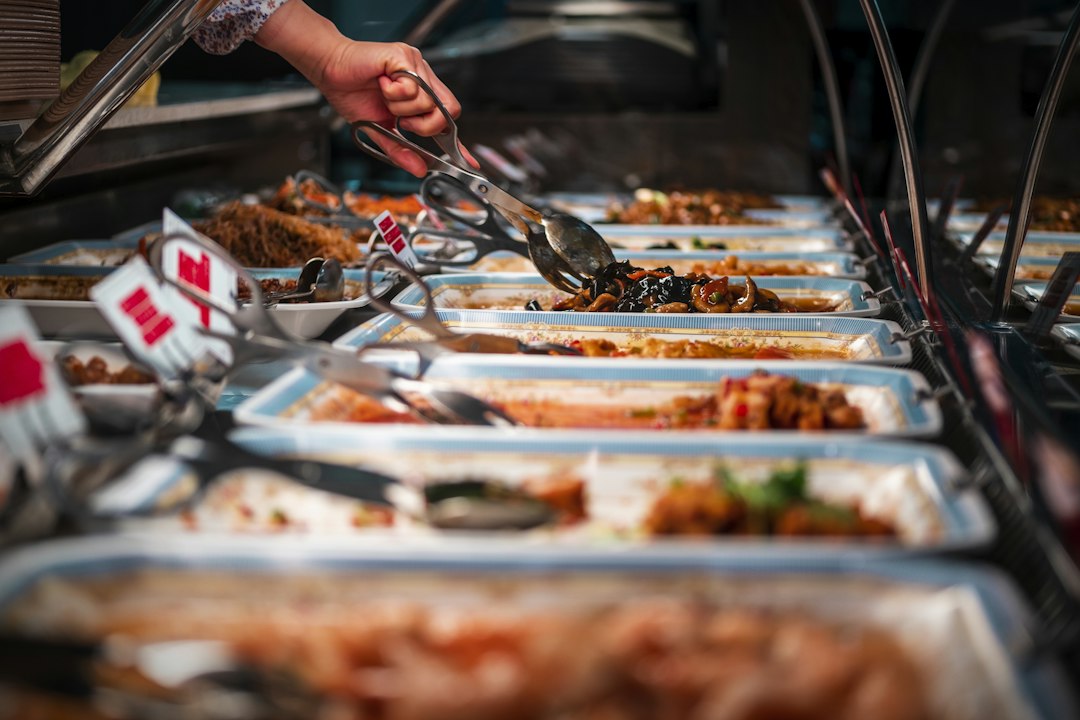
When you’re standing in that buffet line, it’s easy to feel like you’re just grabbing a quick bite, but from a safety standpoint, you’re actually navigating a high-stakes environment where the geometry of the sneeze guard is rarely your friend. Most of these glass barriers are set too high or too far back to actually block the respiratory droplets that fly when someone sneezes or talks over the food, meaning your meal is more exposed than you probably realize. I always keep an eye on the serving spoons because the handles are arguably the most dangerous part of the entire setup; they’re handled by every single guest, while the food itself might only be touched occasionally. It’s also worth noting that topping off a half-empty tray with fresh food is a major red flag, as it creates a continuous chain of contamination where the older, potentially tainted items settle at the bottom of the vessel.
If you’re looking to minimize your risk, your best bet is to skip the pre-prepared salads and deli meats that sit at room temperature, as these moist surfaces are ideal for viral attachment. Instead, lean toward meals that are cooked to order or served directly from the kitchen, since the internal heat required for standard food safety often acts as a thermal barrier that can neutralize pathogens on the plate. When I do navigate a buffet, I make a habit of picking items from the back of the serving line; most people are lazy and just grab what’s closest to the edge, making the front-row portions a statistical hotbed for cross-contamination. I also steer clear of raw garnishes like parsley or lettuce because their porous surfaces are notoriously difficult to clean and often carry residue from whoever handled them during plating.
Beyond the food, you really have to treat the entire table like a potential vector for germs. Those salt and pepper shakers are classic culprits, as they’re rarely wiped down between seatings and get handled by dozens of people, while communal condiment pumps are essentially magnets for high-touch contamination. Whenever possible, I look for individual, single-use servings of butter or sauces to avoid sharing implements that have been passed around the room. I’ve even started checking the underside of my dinner plate and the stems of my glassware; if the dishwasher hasn't hit those high-temperature cycles, you’re often left with a thin biofilm residue that can harbor exactly the kind of particles you’re trying to avoid. It might seem like a lot to track, but once you start viewing every shared surface with a bit of healthy skepticism, you’ll find it’s much easier to enjoy your meal without the side of anxiety.
Early Warning Signs: Recognizing Norovirus Symptoms and When to Seek Medical Care
Let’s pause for a moment and reflect on what’s actually happening to your body if you catch this thing, because knowing the early warning signs can be the difference between a miserable trip and a medical emergency. Norovirus, often called the winter vomiting disease, doesn't really care about the calendar, especially in the tight quarters of a cruise ship where it spreads like wildfire. You’ll usually feel the first signs hit you like a freight train, typically within 12 to 48 hours after you’ve crossed paths with the virus. The hallmark indicators are pretty unmistakable: a sudden, violent onset of projectile vomiting and watery, non-bloody diarrhea that leaves you feeling completely blindsided.
Alongside the gastrointestinal distress, you’re likely going to deal with intense abdominal cramping that feels almost spasmodic. It’s common to see a low-grade fever, which affects roughly half of people during that first acute phase, along with muscle aches and a level of fatigue that just drains the energy right out of you. Here is the part where you need to be really sharp: dehydration is your biggest enemy here. Because the fluid loss is so rapid, you need to watch for red flags like a noticeable drop in urination, extreme thirst, and that dizzy, lightheaded feeling that tells you your system is running dry. If you notice your mouth and throat getting abnormally dry, that’s your body giving you an early signal that you aren't replacing fluids fast enough.
Honestly, don’t try to be a hero if things don’t turn around quickly. You really need to seek professional medical care on the ship if you can’t keep any liquids down for more than 24 hours or if you start feeling confused or disoriented. Also, blood in your stool is absolutely not a standard symptom of norovirus and is a major signal that you need a doctor immediately to rule out something more serious. Most healthy adults will pull through in one to three days, but here is the catch: you are still shedding the virus in your stool for two weeks or more after you feel fine. Being aware of that lingering infectious window is just as important as managing the immediate symptoms if you want to keep from passing it on to everyone else on the deck.
After the Outbreak: What You Need to Know About Cruise Line Protocols and Reporting
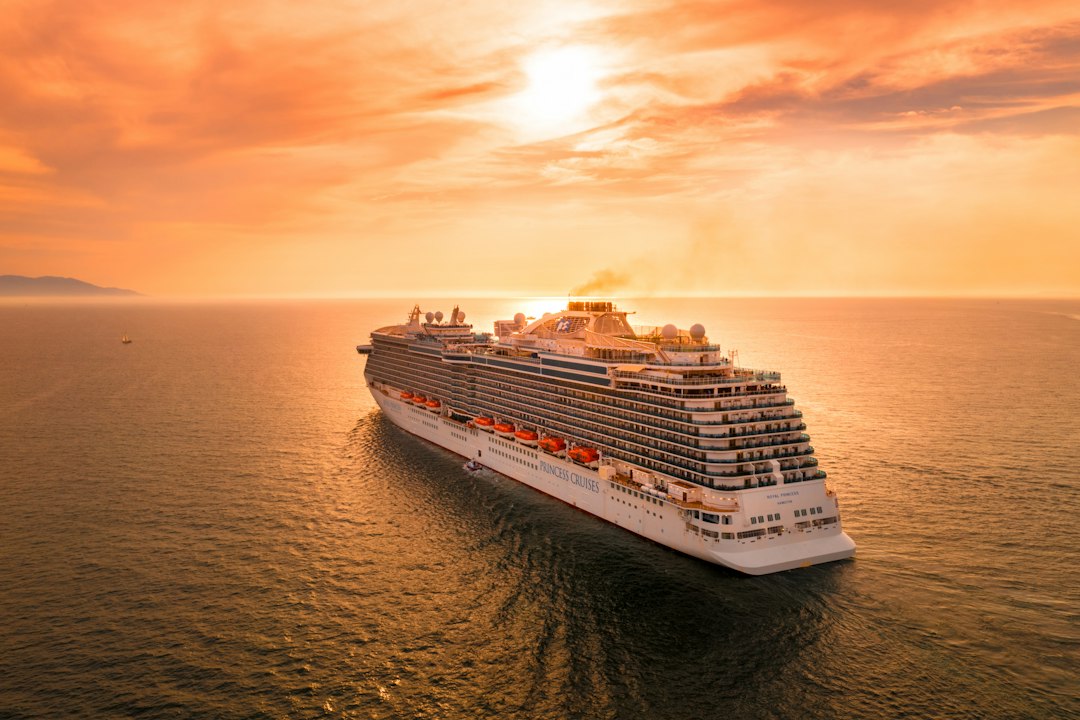
Cruise ships are legally mandated to report gastrointestinal illness cases to the Vessel Sanitation Program whenever the percentage of affected passengers or crew reaches or exceeds two percent of the total population on board. This threshold triggers mandatory enhanced cleaning procedures and intensified surveillance, which are far more rigorous than standard daily sanitization cycles. In response to recent health challenges, including rare non-norovirus outbreaks like the 2026 hantavirus incident, many cruise lines have implemented integrated real-time monitoring systems that track passenger medical center visits for early clusters of symptoms. Modern reporting protocols now require ships to submit a final report to international health authorities once the vessel returns to port, ensuring that public health agencies can conduct contact tracing if necessary.
Many lines have updated their HVAC filtration standards to include high-efficiency particulate air filters that are designed to capture smaller viral micro-droplets than previous systems could manage. Medical isolation protocols on board have become increasingly sophisticated, utilizing negative-pressure cabins to prevent the spread of airborne pathogens to adjacent staterooms. Passengers should be aware that cruise lines are now frequently utilizing ultraviolet-C light technology for the rapid disinfection of high-touch public areas, which provides a deeper level of microbial destruction than manual wiping alone. The 2026 regulatory environment has pushed ships to maintain a minimum stock of specialized antiviral surface treatments that are significantly more effective against resilient, non-enveloped viruses than standard disinfectants.
Most major cruise lines have transitioned to mandatory automated guest notification systems that provide health status updates and hygiene reminders directly to individual cabin televisions during active outbreaks. Crew members are now subjected to daily symptom screenings during identified outbreaks, a protocol designed to stop the silent transmission of pathogens from staff to guest-facing environments. If a vessel fails to meet strict cleanliness or reporting standards during an inspection, public health officials have the authority to revoke a ship's clearance to continue its itinerary until specific remediation steps are verified. When a ship enters a state of enhanced surveillance, the dining experience is often modified to eliminate self-service buffets, forcing a transition to staff-served meals to physically break the chain of transmission. Honestly, it’s worth keeping these layers of defense in mind; they aren't just for show, but are critical operational shifts that dictate your safety while you’re out on the water.
Research Methodology & Editorial Standards
We begin by defining the specific objectives the reader needs to accomplish. Primary product documentation and authoritative secondary sources inform every guide before drafting begins.
Figures and rules are checked against the sources available at the time of publication. Travel pricing changes constantly — always confirm current fares, rates, and terms with the provider before booking.