
LGBTQ+ Cruise Deals and How to Avoid Port Entry Issues
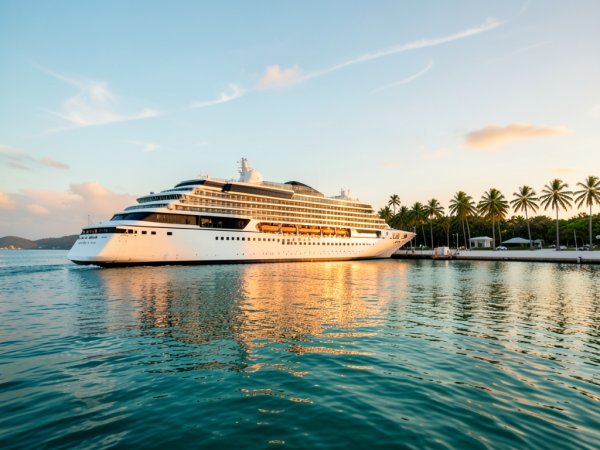
In July 2026, Turkey barred an American LGBTQ+ cruise from docking, citing "moral values" — a stark reminder that the cheapest fare to Kusadasi is worthless if the port won't let you off the ship.
| Takeaway | Detail |
|---|---|
| Verify port-country laws before booking, not after | At least 18 countries criminalize same-sex activity; a cheap fare to Jamaica or Barbados is worthless if you can't disembark. |
| Book with lines that have explicit non-discrimination policies | Celebrity, Virgin Voyages, and Royal Caribbean publish policies covering sexual orientation and gender identity, which often unlock inclusive programming and group deals. |
| Use Google Flights alerts for cruise-port flights during Wave Season | Setting alerts for Miami or Fort Lauderdale in January–March captures typical price drops; no signup needed. |
| Transfer Chase or Amex points to airline partners for last-minute cruise flights | 1:1 transfers to United, Delta, or British Airways often beat cash fares by a wide margin for tight booking windows. |
| Check the U.S. State Department’s LGBTQI+ Travelers page and IGLTA directory before paying | Both resources list country-specific entry restrictions, HIV policies, and gender marker rules updated quarterly. |
| Ensure passport name/gender marker matches cruise booking and visa docs | The U.S. allows "X" markers, but countries like UAE and Malaysia don't recognize them — mismatch can block boarding. |
| If denied at a port, contact the cruise line’s emergency number and the nearest U.S. embassy immediately | Enrolling in STEP (Smart Traveler Enrollment Program) beforehand speeds up consular assistance. |
| Item | Rule / threshold |
|---|---|
| Port-country criminalization status | Check the Human Dignity Trust country profiles or State Department LGBTQI+ page before booking any itinerary. |
| Non-discrimination policy check | Confirm the cruise line publishes a policy covering sexual orientation and gender identity (e.g., Celebrity, Virgin, Royal Caribbean). |
| Points transfer ratio | Chase Ultimate Rewards and Amex Membership Rewards transfer 1:1 to United, Delta, or British Airways for cruise-port flights. |
| Wave season booking window | January–March for typical price drops on flights to Miami/Fort Lauderdale for Caribbean cruises. |
| Gender marker compatibility | Verify the destination country recognizes "X" passports (U.S. allows it; UAE and Malaysia do not). |
In July 2026, Turkey barred an American LGBTQ+ cruise from docking, citing "moral values" — a stark reminder that the cheapest fare to Kusadasi is worthless if the port won't let you off the ship. This guide treats itinerary legality as a deal criterion, not an afterthought, showing you how to filter by fare price, line non-discrimination policy, and port-country criminalization status before you book.
Which Lines Actually Mean It
Most cruise deal guides treat “LGBTQ+-friendly” as a binary checkbox, but the real divide is between lines that publish a dedicated booking page with named group sailings and those that bury a diversity statement in a corporate citizenship PDF. Virgin Voyages is the clearest example of the former: its site lists specific sailing dates with onboard LGBTQ+ mixers and dedicated events, not just a boilerplate non-discrimination clause. Celebrity Cruises and Royal Caribbean both have written policies covering sexual orientation and gender identity, but field reports on Reddit note that crew training consistency varies by ship and captain — a policy on paper does not guarantee a welcoming environment on Deck 7.
The cheapest fare on a line without explicit protections is a false economy. If a line’s policy page uses only the word “diversity” without naming sexual orientation or gender identity, that is corporate speak, not a guarantee. Practitioners recommend checking the International LGBTQ+ Travel Association (IGLTA) directory, which lists cruise operators vetted for inclusivity and can be filtered by region and specialty. Cross-reference that list against the line’s own policy page — if the IGLTA listing says “welcoming” but the line’s FAQ still defaults to binary gender fields in the booking system, you have a mismatch that can cause boarding friction, especially for trans travelers whose passport gender marker may not match the system’s dropdown.
Port Entry Legal Landscape

The cheapest fare on a Western Caribbean itinerary is a trap if the port country criminalizes same-sex sexual activity. At least 18 countries still do, per the Human Dignity Trust, including Jamaica, Barbados, and several Eastern Caribbean islands that appear on standard seven-day loops out of Miami or Fort Lauderdale.
The U.S. State Department’s “LGBTQI+ Travelers” page, updated quarterly, is the single most reliable pre-booking filter. It lists country-specific safety tips and entry restrictions, including which nations have laws on the books and which have active enforcement patterns. Bookmark it before you even open a cruise line’s booking engine. Cross-reference that page against the International LGBTQ+ Travel Association (IGLTA) website, which maintains a separate database of HIV travel restrictions and gender marker policies per country. Some nations still bar entry to HIV-positive travelers, even for a port stop lasting only a few hours. That restriction applies regardless of whether the cruise line’s policy page says “welcoming.”
Even in countries where anti-LGBTQ+ laws exist but are rarely enforced, local police or port officials may still deny entry based on perceived identity. Field reports on FlyerTalk cite incidents in St. Lucia and Grenada where passengers were questioned at the gangway and ultimately refused disembarkation because their appearance or documentation did not match the booking system’s binary gender field. The law may not be actively prosecuted, but the port officer on duty has discretion, and the cruise line has no obligation to refund the port fees for that stop.
For trans travelers, the passport mismatch is the most common failure mode. The U.S. allows an “X” gender marker on passports, but countries like the UAE, Malaysia, and several Caribbean nations do not recognize it. If your passport shows an “X” and the cruise line’s booking system only offers male or female options, you will need to call reservations before booking and get a confirmation number for the accommodation. Even then, crew training on the ship may not align with what the phone agent promised. The only reliable workaround is to call the line’s LGBTQ+ specialist line, if one exists, and document the confirmation number in writing.
Rule of thumb: if the country’s travel advisory is Level 3 or 4 from the State Department, or if the Human Dignity Trust lists active criminalization, assume port entry is not guaranteed. Do not book an itinerary that includes that stop unless you are prepared to stay on the ship. The deal is only a deal if every port on the itinerary is legally accessible to you. Action today: open the State Department’s LGBTQI+ Travelers page, note the update date, then pull up the IGLTA country database for the three ports on your target itinerary. If any port shows active criminalization or a Level 3 advisory, that itinerary is not a deal — it is a liability.
Case Study: Turkey’s 2026 Port Denial
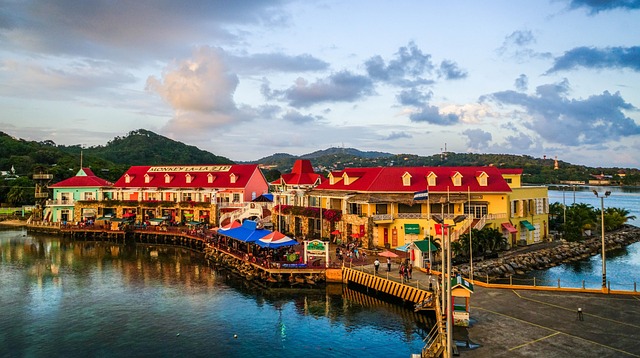
The mechanism here is straightforward but rarely disclosed. The passenger sees a bargain. The State Department’s LGBTQI+ Travelers page, updated quarterly, had listed Turkey as a country where “same-sex sexual activity is legal but societal discrimination is widespread and public displays of affection may attract negative attention.” That advisory did not mention the specific risk of port denial, but the Human Dignity Trust profile for Turkey notes the absence of anti-discrimination laws and a pattern of official hostility toward LGBTQ+ events. A passenger who checked both sources before booking would have seen the warning signs.
Field reports on FlyerTalk and Reddit threads from July 2026 describe the confusion onboard. Passengers who had booked shore excursions through the cruise line lost those payments. Those who had arranged private tours in Kusadasi lost deposits. The ship substituted a sea day, which the line marketed as a “bonus day at sea” with extra activities. No refunds were offered for the missed port. The cruise line’s customer service response, according to multiple accounts, was a form letter citing the contract’s force majeure clause. The lesson is not that Turkey is uniquely dangerous — it is that any country with active criminalization or a Level 3 travel advisory from the State Department can deny entry at any time, and the cruise line has no obligation to warn you in advance.
The common tourist mistake is to assume that because a cruise line markets itself as “LGBTQ+-friendly” — Virgin Voyages, for example, explicitly welcomes LGBTQ+ travelers with dedicated group sailings and events — the line will also vet every port for legal safety. It will not. The line’s marketing department and its legal department operate independently. The marketing team sells the dream; the legal team writes the contract that protects the line, not the passenger. Before booking any Mediterranean or Eastern European itinerary, check the State Department’s country-specific LGBTQI+ notes and the Human Dignity Trust profile for each port. If a cruise line refuses to disclose its contingency plan for port denial — what happens to booked excursions, whether port fees are refunded, whether onboard credit is offered — that refusal is a red flag. Ask the question in writing before you pay the deposit.
Action today: open the State Department’s LGBTQI+ Travelers page, note the update date, then pull up the IGLTA country database for the three ports on your target itinerary. If any port shows active criminalization or a Level 3 advisory, that itinerary is not a deal — it is a liability. The discount on the cabin is irrelevant if you cannot get off the ship.
Points Play for Cruise Port Flights
The non-obvious lever for cruise port flights is not the airline sale — it is the transferable points ecosystem, which can reduce last-minute cash costs when the cruise line finally confirms the itinerary. Chase Ultimate Rewards and Amex Membership Rewards transfer 1:1 to United, Delta, and British Airways, and those miles often price below cash for the same seat, especially within 14 days of departure. A round-trip to Miami booked with cash in peak season might run several hundred dollars; the same seat via transferable points could cost fewer miles than the cash price suggests, often yielding a value above the typical redemption floor.
Set a Google Flights alert for your cruise departure city and date window the day you book the cabin. Wave season (January through March) typically drops Miami and Fort Lauderdale fares below peak summer levels, but the alert catches the dip even if you booked early. For Caribbean cruises out of San Juan, check award availability on JetBlue, which transfers from Amex at 1:1. Off-peak dates often price at a modest number of points one-way — a cash fare that would cost significantly more on the same route, making it competitive with any transfer partner.
Mistake fares to cruise ports do happen, and they are not limited to the airline’s website. The window to book is usually short — act within hours of seeing the alert.ly under six hours before the airline corrects the fare. Do not book flights until the cruise line confirms the itinerary and port stops. If a port gets swapped — say, Ocho Rios replaced by Grand Cayman — you do not want non-refundable airfare to Montego Bay when the ship now departs from Miami. The cruise contract allows itinerary changes without compensation beyond port fees, and a flight to the wrong city is your loss.
Use a travel rewards card for cruise deposits and onboard spending. The Chase Sapphire Preferred earns 2x points on travel and 3x on dining; the Amex Gold earns 3x on flights and 4x at U.S. supermarkets. For trans travelers, ensure the name and gender marker on your passport match your cruise booking and visa documents. The U.S. allows an “X” gender marker on passports, but some countries — UAE, Malaysia, several Caribbean nations — do not recognize it. If denied boarding at a port due to visa confusion or gender marker issues, contact the cruise line’s emergency number and the nearest U.S. embassy or consulate immediately. The State Department’s Smart Traveler Enrollment Program (STEP) can facilitate assistance, but only if you enrolled before departure.
Action today: open Google Flights, enter your cruise departure city and date window, toggle on price alerts, and set a calendar reminder to check award availability on JetBlue for San Juan departures 60 days before sailing. If the cruise line has not confirmed the final port list, hold off on any non-refundable airfare.
How to Verify Before You Book

The first step in verifying a cruise booking is not checking the cabin price — it is checking every port on the itinerary against the Human Dignity Trust country profiles and the State Department’s LGBTQI+ travel page. Do this before you pay a deposit. At least 18 countries still criminalize same-sex sexual activity as of 2026, and several popular Caribbean stops — Jamaica, Barbados, St. Kitts — are on that list. The State Department page is updated per country; the Human Dignity Trust database is maintained by legal researchers and covers statutes, not just advisory language. Cross-reference both.
For trans travelers, a separate verification step is required. Confirm that the line’s booking system accepts the gender marker on your passport. The U.S. allows an “X” marker, but several Caribbean and Middle Eastern port countries do not recognize it. Ask the guest relations desk for written confirmation that your booking will match your travel documents. If they cannot provide that in writing, consider a different line or itinerary. The International LGBTQ+ Travel Association (IGLTA) directory lists vetted travel agents who specialize in LGBTQ+ cruises — they will know which lines have actual track records with trans passengers, not just marketing language. A five-minute call to an IGLTA-listed agent can save a denied boarding situation at the pier.
Enroll in the State Department’s Smart Traveler Enrollment Program (STEP) before departure. If you are denied at a port, the nearest embassy or consulate can facilitate assistance — but only if you enrolled beforehand. STEP enrollment takes under ten minutes and requires your itinerary, emergency contact, and passport number. It is free. Do not skip this step because the cruise line says they will handle it; they will not handle a consular visit if local authorities detain you.
Book refundable or flexible airfare if the itinerary is not yet finalized. The cruise contract allows the line to change ports without compensation beyond port fees. If Ocho Rios gets swapped for Grand Cayman and you booked non-refundable flights to Montego Bay, that loss is yours. Set a calendar reminder to check the final port list 60 days before sailing — if the line has not confirmed by then, hold off on any non-refundable airfare.
Action today: open the Human Dignity Trust country profiles page and the State Department LGBTQI+ travel page in two browser tabs. Enter your cruise’s port stops one by one. If any port appears on the criminalization list, call the cruise line’s guest relations desk with the script above before you pay a deposit. That call takes fifteen minutes and can prevent a vacation that ends at a locked gangway.
Lessons Learned: The Real Cost of a “Deal”

The savings evaporate the moment you’re stuck on the ship while everyone else hits the beach. Field reports from Reddit’s r/LGBTQtravel note that some passengers have been denied entry at port even when the cruise line had a non-discrimination policy. Local officials do not care about corporate pledges. They enforce local law, and in at least 18 countries, that law criminalizes same-sex activity. The cheapest fare to Ocho Rios is worthless if the gangway stays locked.
Virgin Voyages markets itself as adults-only and explicitly welcomes LGBTQ+ travelers, often offering dedicated group sailings and events. That is a meaningful difference from lines that simply do not discriminate on paper. But even Virgin cannot override a port country’s laws. The Turkey case from July 2026 proves that even regions considered safe can turn hostile overnight. Check the State Department’s country-specific travel advisories monthly between booking and departure. The International LGBTQ+ Travel Association (IGLTA) website lists HIV restrictions and gender marker policies for each country. Bookmark both pages.
If you are using points for the flight to the embarkation port, book award tickets that allow free changes or cancellations. United’s saver awards carry no change fee, and many transferable-point programs allow you to cancel for a full point refund. That flexibility matters because a port swap may require a different airport entirely. Do not lock yourself into a non-refundable positioning flight until the final port list is confirmed, typically 60 days before sailing. Set a calendar reminder for that date. If the line has not confirmed the ports by then, hold off on any non-refundable airfare.
The bottom line: the best deal is the one where you actually get to enjoy every port you paid for. That means paying a little more for a line with a proven track record and an itinerary that passes the legal sniff test. Action today: open the Human Dignity Trust country profiles page and the State Department LGBTQI+ travel page in two browser tabs. Enter your cruise’s port stops one by one. If any port appears on the criminalization list, call the cruise line’s guest relations desk before you pay a deposit. That call takes fifteen minutes and can prevent a vacation that ends at a locked gangway.
What to do next

This guide has outlined the key factors in finding inclusive cruise deals and navigating port entry risks. To ensure a smooth trip, take these concrete steps before you book and before you sail.
| Step | Action | Why it matters |
|---|---|---|
| 1 | Verify the cruise line’s non-discrimination policy on its official website (e.g., Celebrity Cruises, Virgin Voyages, Royal Caribbean). | Confirms the line’s stated commitment to LGBTQ+ inclusion and whether dedicated programming or deals are offered. |
| 2 | Check the U.S. State Department’s “LGBTQI+ Travelers” page and the country-specific travel advisory for every port on your itinerary. | Identifies countries with laws criminalizing same-sex activity or that may not recognize “X” gender markers, helping you avoid entry denial. |
| 3 | Set a fare alert on Google Flights for your departure city and cruise port (e.g., Miami, Fort Lauderdale) during wave season (Jan–Mar). | Captures price drops on flights to the embarkation port, often saving 10–20% compared to booking without an alert. |
| 4 | Compare transferable points values (Chase Ultimate Rewards, Amex Membership Rewards) vs. cash for booking flights to the cruise port. | Points transfers to partners like United or Delta at 1:1 can yield better value than cash, especially for last-minute bookings. |
| 5 | Verify that your passport name and gender marker match your cruise booking and visa documents; check the IGLTA website for HIV restrictions. | Mismatched documents are a common cause of boarding denial; some countries have specific HIV entry rules or do not recognize “X” markers. |
| 6 | Enroll in the U.S. State Department’s Smart Traveler Enrollment Program (STEP) before departure. | Facilitates emergency assistance from the nearest U.S. embassy or consulate if you are denied boarding or face issues at a foreign port. |
Also worth reading Alaska's First Indigenous-Owned LGBTQ Cruise Forced to Reroute After Why a Gay Cruise Ship Was Denied French Visa Flexibility
Quick answers
Which Lines Actually Mean It?
Most cruise deal guides treat “LGBTQ+-friendly” as a binary checkbox, but the real divide is between lines that publish a dedicated booking page with named group sailings and those that bury a diversity statement in a corporate citizenship PDF. Celebrity Cruises and Royal Cari...
How to Verify Before You Book?
At least 18 countries still criminalize same-sex sexual activity as of 2026, and several popular Caribbean stops — Jamaica, Barbados, St. Set a calendar reminder to check the final port list 60 days before sailing — if the line has not confirmed by then, hold off on any non-re...
What should you know about Port Entry Legal Landscape?
At least 18 countries still do, per the Human Dignity Trust, including Jamaica, Barbados, and several Eastern Caribbean islands that appear on standard seven-day loops out of Miami or Fort Lauderdale. Rule of thumb: if the country’s travel advisory is Level 3 or 4 from the Sta...
Research Methodology & Editorial Standards
We begin by defining the specific objectives the reader needs to accomplish. Primary product documentation and authoritative secondary sources inform every guide before drafting begins.
Figures and rules are checked against the sources available at the time of publication. Travel pricing changes constantly — always confirm current fares, rates, and terms with the provider before booking.