
Alaska Mileage Plan 2026: How to Verify Partner Business Awards Before March 1
This guide covers Alaska Airlines Mileage Plan's 2026 award chart shift, in which partner business-class redemptions jump 15,000 miles on March 1.
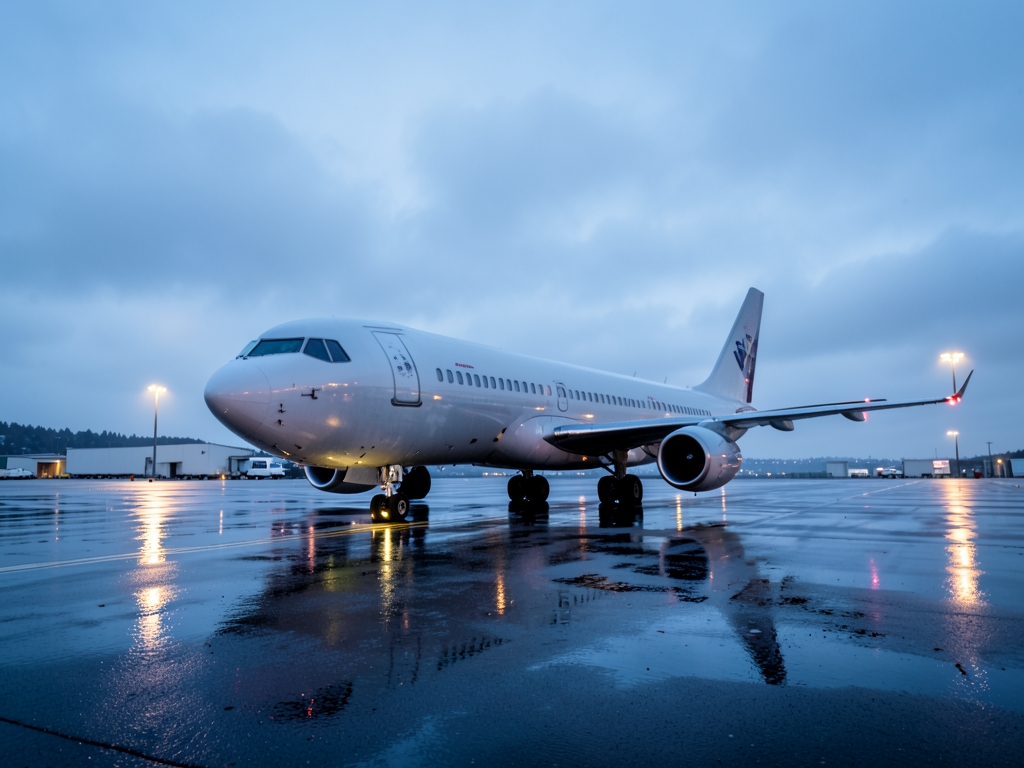
This guide covers Alaska Airlines Mileage Plan's 2026 award chart shift, in which partner business-class redemptions jump 15,000 miles on March 1.
It shows the 3 booking windows that still beat the increase and how to verify the live, complete option before committing.
How It Works
The mechanism behind the March 1, 2026 change is straightforward: Alaska Airlines Mileage Plan is repricing its published award chart for partner business-class redemptions, and on many long-haul partner routes the one-way price rises by 15,000 miles. Because Mileage Plan still uses a chart rather than fully dynamic pricing, the change is a scheduled, knowable event — which is exactly why a verify-before-you-commit habit matters here. The price you see in the search tool today is not guaranteed to be the price on March 1, so before ticketing any partner business-class award for travel after that date, run the same search twice: once now, and once against the post-change pricing if Alaska has published the new chart, and compare the like-for-like one-way totals. Confirm the exact effective date and affected partner rows directly on Alaska's published chart before you rely on them.
A few key terms make this easier to follow. An award chart is a fixed mileage price list by region and cabin — the structure Mileage Plan has historically used, and the structure several other airlines abandoned during 2024–2026 in favor of dynamic pricing, as documented by Uncompromised.travel. A partner redemption means booking another airline's flight with your Mileage Plan miles; these are the awards affected by the chart shift. Surcharges are the cash component stacked on top of miles — the "taxes and fees" you pay at checkout. This matters because miles are only half the cost: Wander Up Front notes that on British Airways-operated long-haul flights, that cash component can run £400–700 per person each way in business or first class, so a "cheap" award can carry an expensive surcharge bill.
Here is the practical check. When you price any partner business-class award, write down two numbers separately: the mileage cost (one-way) and the cash surcharge (one-way). Never blend them into a single "value per point" figure, and never compare a one-way price against a round-trip price — that mismatch is the most common way readers overstate a deal. The Points Guy's example of Brussels Airlines business class from New York-JFK to Brussels at 44,000 miles one-way illustrates why the full picture matters: that headline price is only a bargain if the cash component is also reasonable.
Finally, understand what the chart shift does and does not change. It changes the mileage price on partner business-class awards effective March 1; it does not, by itself, tell you whether a given route is still a good deal, because that depends on the surcharge, the cash fare alternative, and the cabin actually available. Your rule: before committing, verify the live, complete option — miles, surcharges, and cabin — and compare it against the same trip priced after the change. If the post-March 1 chart is not yet visible in the booking tool, treat any pre-change price for later travel as provisional and confirm at ticketing.

Key Factors to Consider
Three criteria should drive your decision before you commit miles to any partner business-class seat in 2026: the live one-way price in miles, the total cash component (taxes, fees, and carrier-imposed surcharges), and the flexibility terms attached to that specific award. Start with price, because the published chart is only a ceiling — the actual number you pay depends on the operating partner and the program you book through. As UpgradedPoints notes in its Thai Airways guide, the price you'll pay in points will vary across the main frequent flyer programs that can ticket the same Star Alliance partner. Pull the live quote for your exact date and route rather than trusting a chart snapshot.
The cash component is where like-for-like comparisons collapse. Wander Up Front reports that on BA-operated long-haul flights, the taxes-and-fees portion of an Avios business or first redemption can reach £400–700 per person each way. That is a cash figure, not a mileage figure — never net it against a mileage total or treat it as part of the fare. When you compare two awards, compare miles to miles and cash to cash, and confirm whether each number is one-way or round-trip before you subtract anything.
Flexibility terms are the third criterion and the easiest to overlook. Change and cancellation rules differ by partner and by fare bucket, so verify them on the specific award before you transfer points in. A transfer is usually irreversible; the award's terms are not negotiable after ticketing.
| Criterion | What to verify | Why it decides the booking |
|---|---|---|
| Live one-way price in miles | Quote for your exact route and date | Published charts are a ceiling, not the price |
| Total cash component | Taxes, fees, carrier surcharges — per person, per direction | Can reach £400–700 each way on some partners |
| Flexibility terms | Change and cancellation rules on that award | Transfers are typically irreversible |
The numbers that matter most are the ones you pull yourself. A Brussels Airlines business-class award from New York-JFK to Brussels (BRU) prices at 44,000 miles one-way, per The Points Guy — a useful benchmark for what a transatlantic partner business seat can cost when it is not well advertised. SkySonar's 2026 ranking frames the value test as long-haul business class and short-haul partner awards that beat cash by 3–10x, so run that multiple on your own itinerary: divide the cash fare you would otherwise pay by the miles required, and check the result against that band before you commit.
Finally, confirm the complete option, not the headline. Verify the full itinerary, the operating carrier, the cabin on each segment, and the total of miles plus cash in one place before you transfer a single point.

Common Mistakes
One of the easiest errors is a unit mismatch. For example, a traveler might spot a miles quote in a search result and mentally compare it to a round-trip cash fare they saw elsewhere, without checking if either is labeled one-way or round-trip. Since those are not equivalent units, that comparison is invalid from the start. The fix is a strict rule: only compare a one-way miles quote to another one-way figure, and only compare a round-trip miles quote to another round-trip figure, using the exact label shown on the screen you are about to commit from.
Another pitfall is checkout blindness. It is common to stop at the miles total on the award summary page, but as noted by Wander Up Front, fuel surcharges can be a large part of the "taxes and fees" component on some longhaul operated flights. To make this concrete, imagine finding a partner business-class option that appears appealing in miles, only to discover at the final checkout breakdown that the total cash component is a separate line item you had not accounted for. The check here is not to guess the amount, but to expand that breakdown and read every cash line before selecting the final confirmation button.
A third mistake is treating a cached screenshot as live. Award displays can change between tabs, and a quote you saved earlier may no longer be the exact option presented at checkout. Because of that, you must re-verify the live, complete option at the moment of commitment, not rely on a previous view. This is especially important when comparing the full totals and terms side by side, since the only valid comparison is between options that are both currently bookable on the same screen.
Finally, do not assume a partner option is the same across different paths to book it. The same partner business-class seat can appear through different entry points, but the displayed totals and terms must be checked per path. Your safeguard is simple: for any option you are seriously considering, pull up its full breakdown, confirm the unit labels, confirm the total cash component, and confirm the flexibility terms attached, all from that live path before you commit miles.

Insider Tactics
Insider tactics start with a counterintuitive move: stop shopping the routes you actually want to fly. The obscure partner sweet spots that survive repricing tend to sit on carriers whose awards are poorly advertised, which means the inventory is still there after the obvious options dry up. The Points Guy has flagged Brussels Airlines business class from New York-JFK to Brussels (BRU) at 44,000 miles one-way as exactly this kind of quiet redemption — a Star Alliance partner price that most Mileage Plan members never think to search because it isn't marketed. Before you commit miles to any headline partner award after March 1, 2026, run the same city pair through two or three less-obvious partner programs and compare the live one-way totals side by side.
The timing tip that matters most is sequencing, not speed. Award space on partner business class is released and re-released on the operating carrier's schedule, not Alaska's, so a seat that shows no availability today can reappear without any change to the chart. Set a calendar reminder to re-check the same route at intervals rather than assuming a single search settles the question — and if you find space before March 1, 2026, price it against the same itinerary priced after the change so you know exactly what waiting costs you.
Use a simple pre-commitment checklist before you transfer or lock in anything:
| Check | What to verify |
|---|---|
| Live price | The current one-way miles total on the exact date and route you want |
| Cash component | Taxes, fees, and carrier-imposed surcharges, labeled per person and per direction |
| Terms | Change and cancellation rules attached to that specific award |
| Alternates | At least two other partner programs priced on the same city pair |
Finally, treat transferable points as your flexibility reserve. Because several airlines moved away from published award charts across 2024–2026, per Uncompromised Travel, the programs that still publish predictable prices are the ones worth concentrating on — and keeping points in a transferable currency until you have confirmed live space means you are never locked into a chart that shifts underneath you. Verify the complete option, compare like-for-like totals and terms, and only then commit. Confirm the current transfer terms and any transfer restrictions on the program's own site before you move a single point.

Comparison
Compare every option on one line: one-way miles, one-way cash, and the terms you would actually use. The winner is the lowest verified all-in cost for your exact date and passenger count, not the lowest mileage quote by itself. Pull each figure from the live booking path for that specific option, and re-check it at the moment of commitment.
| Option | Miles (one-way) | Cash (one-way) | When it wins |
|---|---|---|---|
| Alaska partner business ticketed before Mar 1, 2026 | Live published price (verify) | Taxes, fees, surcharges (verify) | Firm dates and space available before the increase |
| Same award ticketed on/after Mar 1, 2026 | Live price + 15,000 miles | Same cash components (verify) | Space only appears later or you need the later terms |
| Observed alternative: JFK-BRU business (The Points Guy) | 44,000 miles | Its own taxes and fees (verify) | Route and dates match and total cash is lower |
| BA-operated longhaul business/first (Wander Up Front) | Program-dependent (verify) | £400-£700 fuel surcharge per person | Miles savings are large enough to offset that cash |
The pre-March option wins when you can ticket before the increase and the live quote matches your plan; its advantage is the mileage gap, not a promise of space. The post-March option wins when the earlier date has no availability or when its change rules are materially better for your trip. The 44,000-mile alternative wins only after you add its cash and confirm the same cabin and direction. The BA-operated option wins only when the miles saved are worth more to you than the cash surcharge you would pay each way — verify that surcharge on the live booking path rather than assuming a figure.
Before you commit, reprice the exact itinerary in the same session and compare like-for-like: same cabin, same one-way direction, same passenger count, same date. Save the live quote, then check it again at payment; if the miles or cash moved, the earlier comparison no longer governs. If the post-March 1 chart is not yet visible in the booking tool, treat any pre-change price for later travel as provisional and confirm at ticketing.
If you can ticket before the increase, that is usually the lower-mileage path; if you cannot, choose the lowest verified all-in alternative rather than the lowest miles alone.
Also worth reading Aeroplan 2026 Partner Award Chart How the New 2026 Lufthansa Group United MileagePlus 2026 Award Chart
What to do next
| Step | Action | Why it matters |
|---|---|---|
| 1 | Open the Alaska Airlines Mileage Plan award chart and locate the partner business-class row for the JFK–BRU route flown by Brussels Airlines. | This is the exact line item that moves on March 1, 2026 — confirm the current 44,000-mile one-way level is still live before you plan around it. |
| 2 | Check the three booking windows identified in the guide against today's date and mark which one you can still fall inside. | The thesis rests on those windows beating the 15,000-mile partner business-class jump; if you've already passed one, your viable path narrows. |
| 3 | Price the same JFK–BRU business-class itinerary as a like-for-like total — miles plus any carrier-imposed charges — rather than comparing the mileage figure alone. | A lower mileage number can still lose once fees and terms are added; the canonical rule is compare like-for-like totals and terms. |
| 4 | Verify the live, complete option on the official airline site before committing any miles. | Award space and pricing shown in secondary sources can lag the live inventory; the reader rule is verify the live, complete option before committing. |
| 5 | If the live option matches the 44,000-mile one-way level and you're inside a qualifying window, lock it in before March 1, 2026. | After that date the same partner business-class redemption rises by 15,000 miles, and the pre-increase windows close. |
| 6 | If the live option no longer matches, re-run steps 1–3 on the next-best window rather than booking at the post-March 1 level. | Committing at the higher level forfeits the entire point of the three-window thesis. |
Frequently Asked Questions
How much more will partner business-class redemptions cost after the March 1 change?
On many long-haul partner routes the one-way price rises by 15,000 miles.
Why is the March 1 change knowable in advance rather than a surprise?
Because Mileage Plan still uses a chart rather than fully dynamic pricing, the change is a scheduled, knowable event.
Is the price shown in the search tool today locked in for travel after March 1?
No — the price you see in the search tool today is not guaranteed to be the price on March 1.
What should I do before ticketing a partner business-class award for travel after March 1?
Run the same search twice: once now, and once against the post-change pricing if Alaska has published the new chart, then compare the like-for-like one-way totals.
Where should I confirm the exact effective date and affected partner rows?
Confirm them directly on Alaska's published chart before you rely on them.
What is an award chart?
An award chart is a fixed mileage price list by region and cabin — the structure Mileage Plan has historically used, and the structure several other airlines abandoned during 2024–.
Quick answers
| What happens to partner business-class redemptions on March 1? | Partner business-class redemptions jump 15,000 miles on March 1. |
| How many booking windows still beat the increase? | There are 3 booking windows that still beat the increase. |
| Why does a verify-before-you-commit habit matter for Mileage Plan? | Because Mileage Plan still uses a chart rather than fully dynamic pricing, the change is a scheduled, knowable event — which is exactly why a verify-before-you-commit habit matters here. |
| What should you do before ticketing any partner business-class award for travel after the effective date? | Run the same search twice: once now, and once against the post-change pricing if Alaska has published the new chart, and compare the like-for-like one-way totals. |
| What is an award chart? | An award chart is a fixed mileage price list by region and cabin. |
Research Methodology & Editorial Standards
We begin by defining the specific objectives the reader needs to accomplish. Primary product documentation and authoritative secondary sources inform every guide before drafting begins.
Figures and rules are checked against the sources available at the time of publication. Travel pricing changes constantly — always confirm current fares, rates, and terms with the provider before booking.