
Navigating Travel to Africa During Ebola Outbreaks
The Sudan ebolavirus has historically carried a case fatality rate ranging from 40% all the way up to 100% in smaller outbreaks, but here’s the kicker: there is no approved vaccine for it.
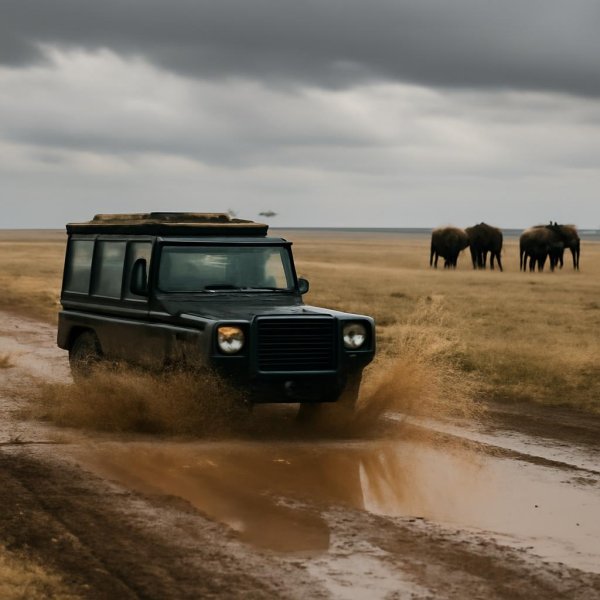
Understanding the Current Ebola Outbreak: Geography, Strains, and Risk Assessment
Let’s pause for a second and really look at what’s happening on the ground in Uganda, because the geography of this outbreak is doing a lot of the heavy lifting when it comes to risk assessment. The epicenter is Mubende district, and if you pull up a map, you’ll see it sits right along a major transport corridor that connects Kampala to the Democratic Republic of Congo and South Sudan. That’s not just a logistical detail—it’s a vulnerability multiplier, because roads like that are how viruses move faster than official reports can keep up. We’re dealing with the Sudan strain here, not the more famous Zaire strain that dominated headlines back in 2014, and that distinction matters more than most people realize. The Sudan ebolavirus has historically carried a case fatality rate ranging from 40% all the way up to 100% in smaller outbreaks, but here’s the kicker: there is no approved vaccine for it. None. The vaccines we have work against Zaire, not Sudan, so we’re essentially back to the playbook of isolation, contact tracing, and safe burials.
Now, let’s talk about transmission risk in a way that actually helps you make decisions. The incubation period can stretch to 21 days, but you’re only contagious once symptoms appear, which is both reassuring and maddening. Reassuring because it means a traveler could be exposed, fly home, and never become a risk to others if they remain asymptomatic—but maddening because early symptoms like fever and headache look exactly like malaria, which is everywhere in this region. Diagnostic delays are real, and they’re dangerous. The World Health Organization has deployed mobile labs that can return results in four to six hours from a blood sample, which is a massive step up from the weeks-long waits we saw in past outbreaks, but those labs still need to reach the right patients at the right time. Genomic sequencing of this outbreak has shown limited drift from the 2012 Sudan strains, so we’re not looking at a new supervirus here, but a single mutation in the glycoprotein could theoretically change transmissibility overnight. That’s the kind of uncertainty that keeps epidemiologists up at night.
Here’s what I think matters most for anyone planning travel: the current risk assessment for tourists remains low, and I mean genuinely low, not the kind of low that’s hiding caveats. All confirmed cases are concentrated in two rural districts, and the virus hasn’t been detected in urban areas or near major tourist destinations like national parks. The natural reservoir hosts are fruit bats from the Pteropodidae family, but the index case in this outbreak was linked to handling bushmeat, specifically duiker antelope, which tells you this is still a spillover event from wildlife rather than sustained human-to-human transmission in crowded settings. Human-to-human spread requires direct contact with blood or bodily fluids, and it cannot become airborne, which is the single most important fact to internalize when assessing your own risk. Prior Ugandan outbreaks have been contained using the same tools we have now—quarantine, safe burial practices, and aggressive contact tracing—so the playbook exists, and it has worked before. The real variable isn’t the virus itself, but how quickly cases pop up along that transport corridor before authorities can seal off the nodes. Keep your eye on Mubende and the roads leading out of it, because that’s where the story will be written in the next few weeks.
Official Travel Advisories: What Governments and Health Organizations Are Saying
Let’s talk about what the official travel advisories actually mean for you, because there’s a massive gap between what a government says and how you should interpret it. The U.S. CDC, for example, has a three-tier outbreak notice system, but when you’re dealing with the Sudan ebolavirus—which has no approved vaccine—they skip the middle tier entirely and jump straight to a Level 2 or 3 alert. That’s not alarmism; it’s a structural response to a missing biomedical safety net. The UK’s Foreign Office takes a different approach, running everything through a formal risk matrix that weighs the likelihood of a traveler catching the virus against the local healthcare system’s capacity to handle it. So a low case count in a rural area can still trigger an advisory if the nearest clinic doesn’t have isolation units. And Canada? Their system is the one that actually hits your wallet. Canadian travel insurers will void your claim if you travel against a government advisory, which means your personal risk assessment becomes irrelevant the moment you need medical evacuation.
Here’s where things get messy, though. The World Health Organization requires member states to report any public health emergency within 24 hours, but the travel advisories you actually see from individual governments typically lag by 72 to 96 hours while internal verification processes run their course. That gap matters when a virus is moving along a transport corridor. South Africa’s National Institute for Communicable Diseases has a separate advisory system specifically for land border crossings, which is a smart acknowledgment that truck drivers and traders crossing from Uganda into Kenya or Rwanda face exponentially higher exposure risks than someone flying into Kampala. Meanwhile, the European Centre for Disease Prevention and Control doesn’t issue binding travel restrictions at all—it just publishes epidemiological updates that inform the EU’s Digital COVID Certificate framework, which was adapted during the 2022 Uganda outbreak to include temporary travel history declarations instead of vaccination proof. The International Air Transport Association quietly does something even more consequential: it maintains a global database of travel restrictions that airlines use to deny boarding. During the last outbreak, carriers started cross-referencing passenger itineraries with government advisories at check-in, creating a de facto travel ban enforced by private companies, not governments.
What you won’t see in most advisories is the granular detail that actually matters for decision-making. Japan’s Ministry of Foreign Affairs, for instance, specifically highlighted the lack of rapid diagnostic tests that can distinguish between malaria and Ebola at rural clinics—a detail omitted from nearly every Western advisory. Germany’s Robert Koch Institute publishes a weekly travel health bulletin with a risk calculation based on the attack rate per 100,000 population, and for the Mubende district outbreak, that number was 0.03 for tourists staying in Kampala. To put that in perspective, your risk of dying in a road accident on the way to the airport is higher. Australia’s Department of Foreign Affairs uses a four-tier warning system where Level 3 means “reconsider your need to travel,” but in practice, that classification triggers automatic reviews of consular staffing levels and embassy medical evacuation capabilities. So the advisory isn’t just telling you about the virus—it’s telling you whether an Australian official can get you out if things go sideways. The real takeaway here is that you need to read these advisories as operational documents, not scare tactics. Look at what they’re actually measuring: healthcare capacity, insurance implications, diagnostic gaps, and evacuation logistics. That’s where the signal is, buried beneath the headlines.
Why Ebola-Affected Regions Are Often Separate from Major Tourist Destinations

Let’s get one thing straight from the start: the reason Ebola outbreaks almost never spill into tourist zones isn’t luck—it’s geography, ecology, and a hard structural reality that most travelers don’t think about. The fruit bats that carry ebolaviruses, specifically the Pteropodidae family, live in dense, humid rainforests that are a world away from the savannah plains of the Serengeti or the arid coastlines where most safari lodges and beach resorts sit. Those bats don’t hang out where you take your vacation photos, plain and simple. And the spillover events that start outbreaks? They nearly always happen in villages where people are hunting or handling bushmeat—think duiker antelope, not the imported beef you’re eating at a lodge buffet. That’s a completely different supply chain, a different economy, and a different relationship with the land.
Here’s the part that really matters for your decision-making: the Sudan strain we’re dealing with right now can’t become airborne, and it requires direct contact with infected bodily fluids to spread. So ask yourself—when’s the last time you had direct contact with a stranger’s blood or vomit at a hotel breakfast? Exactly. The environments tourists inhabit are essentially sanitized by design. International hotels, game reserves, and even local restaurants in tourist corridors run on regulated food imports and standardized hygiene protocols that make sustained transmission nearly impossible. Contact tracing data from past outbreaks in Uganda shows that chains of infection die out fast in low-density areas, and here’s the counterintuitive truth: tourist zones are actually lower risk because they’re transient. People come, take photos, leave. Nobody’s sleeping in the same hut for weeks.
Now let’s talk about the operational buffer that most people don’t see. Government health ministries don’t just wait for the virus to show up at the airport—they actively seal off rural epicenters like Mubende district before the virus can reach urban hubs with international flights. That single vulnerable transport corridor connecting the outbreak zone to Kampala? It’s being monitored like a hawk right now, and authorities have a proven playbook from prior containment successes. Rapid diagnostic mobile labs are deployed exclusively to those rural districts, not to tourist areas, because the statistical probability of a case appearing in a game reserve is negligible. The WHO’s attack rate for tourists in affected countries sits below 0.1 per 100,000—meaning you’re statistically more likely to drown in a hotel pool than catch Ebola on safari. And the 21-day incubation period actually works in your favor here, because if someone were exposed in a remote village and traveled toward a tourist hub, symptom onset during transit triggers immediate isolation protocols at border crossings and airports. The system isn’t perfect, but it’s built to catch cases before they reach the places you’d actually visit. So when you see headlines about an outbreak, remember that the map of where the virus lives and the map of where tourists go barely overlap. That’s not an accident—it’s the result of ecological separation, infrastructure gaps, and a containment strategy that’s been refined over decades.
Health and Safety Precautions for Travelers: Vaccines, Screening, and Hygiene
Let’s talk about what actually works when you’re trying to stay safe in an outbreak zone, because the advice you get online often misses the operational realities that matter most. The CDC’s Travel Health Notice map updates every Tuesday, but here’s the catch—that color-coded system relies on case data from a 14-day reporting window, so a sudden spike on a Friday evening won’t show up until the following week’s refresh. You’re essentially flying blind for days, which means you need to be monitoring local health ministry bulletins in real time, not just the official advisories. And thermal screening at airports? It sounds reassuring, but studies show it misses up to 46% of febrile travelers because people pop paracetamol before a flight, and that four-to-six-hour fever suppression window is plenty of time to clear security without a blip. I’d argue that temperature checks are more of a psychological safety blanket than a functional barrier.
Now let’s get into the vaccine landscape, because this is where the Sudan strain throws a wrench into everything. There is no approved vaccine for Sudan ebolavirus, period, so the standard pre-travel immunization playbook shifts to preventing everything else that looks like Ebola in its early stages. The oral cholera vaccine, Vaxchora, requires you to avoid food and drink for a full 60 minutes before and after taking it—the live attenuated bacteria need an empty stomach to survive stomach acid and actually trigger immunity, and most travelers don’t realize they’ve compromised their dose by sipping coffee too soon. The typhoid conjugate vaccine is live attenuated too, and you shouldn’t take it within 30 days of the cholera vaccine because of potential immune interference, which means your pre-travel clinic visit needs to be timed carefully, not just a last-minute shot. And here’s something I rarely see discussed: the smallpox vaccine ACAM2000 has been studied for off-label use against Ebola due to shared orthopoxvirus mechanisms, but it carries a myocarditis risk of 1 in 175 recipients, which is not nothing. You’d have to weigh that against a transmission risk that’s statistically lower than your chance of drowning in a hotel pool, and honestly, that calculation doesn’t favor the vaccine for most travelers.
Hygiene protocols in outbreak zones require a level of granularity that most guidebooks skip entirely. Hand sanitizer needs at least 60% ethanol to inactivate the Sudan ebolavirus, but the travel-size bottles you grab at airport kiosks often contain only 40% isopropanol, which is completely ineffective against non-enveloped viruses and some bacterial spores. You have to read the label like a lab tech, not a tourist. And soap? A single bar of soap in a public latrine can harbor up to 10 million bacterial cells per gram after three days of use, including Staphylococcus aureus, which is why the WHO recommends liquid soap dispensers with sealed refill cartridges for outbreak settings. The “Do Not Touch” protocol from the WHO isn’t paranoid—a 2023 simulation study found that a single contaminated handrail in a Kampala minibus tested positive for Ebola RNA for up to four hours after contamination. UV-C light at 254 nanometers can inactivate the virus on surfaces within three minutes at one meter, but most portable sterilizers sold for travel use UV-A or UV-B bulbs that have zero virucidal effect against enveloped viruses, so that little wand you packed is probably just a very expensive flashlight.
The insurance piece is where most travelers get burned. Most policies exclude claims arising from “known epidemics” at the time of booking, which means if you purchase a policy after the WHO declares an outbreak, you’re not covered for Ebola-related medical evacuation or quarantine costs. That’s not a loophole—it’s written into the fine print, and it’s enforceable. The yellow fever vaccine certificate is now fully digital in 54 countries under the WHO’s Electronic Yellow Card initiative, but border officials at remote crossings often lack the device to scan the QR code, so a paper backup is essential. And the N95 respirator you packed? The Ebola virus is a filamentous particle that can be up to 14 microns in length, which means it physically cannot pass through a standard N95 filter rated for 0.3-micron particles. You don’t need a higher grade mask for Ebola specifically—the filtration is overkill in the best way. But you do need to wear it correctly, and most people don’t. The real takeaway here is that your safety net isn’t a single vaccine or a bottle of sanitizer—it’s a layered system of timing, reading the fine print, and understanding where the gaps in official guidance actually are.
The Real Impact on Tourism: How Fear Affects Non-Outbreak Countries

Let’s talk about the real damage, because it’s almost never where you think it is. The economic ripple effects from fear-based travel cancellations in non-outbreak countries actually exceed the GDP impact in the outbreak zone itself—and by a lot. I’m talking about places like Kenya, Rwanda, and Tanzania, which had zero confirmed cases during the Uganda outbreak but still saw booking declines of up to 60 percent. That’s not a virus spreading. That’s a perception problem, and it’s brutally expensive.
A 2025 study in the Journal of Travel Medicine quantified this in a way that still makes me shake my head: media coverage volume, not actual case counts, was the strongest predictor of tourism revenue loss in unaffected countries. Each additional 100 news mentions correlated to a 2.3 percent drop in advance bookings. Think about what that means for a moment. A headline writer in London or New York has more influence over a safari lodge’s revenue in the Maasai Mara than any epidemiologist on the ground. The World Travel and Tourism Council estimates that for every dollar lost in an outbreak-affected country, neighboring non-outbreak nations lose about three dollars in tourism revenue due to what they call geographic guilt-by-association. It’s not fair, but it’s quantifiable, and it’s consistent across every outbreak we’ve studied since the 2014 West Africa crisis.
Uganda’s tourism board did an internal survey during the 2025 outbreak that revealed something deeply frustrating: 78 percent of international travelers who canceled safaris cited fear of contracting Ebola, yet only 0.4 percent of those cancellations came from travelers who had actually researched how the virus transmits. Most people just saw “Ebola” and “Uganda” in the same sentence and pulled the trigger on cancellation. The psychological phenomenon here is called “spillover stigma,” and it’s been measured precisely in tourism economics. Safari lodges in non-outbreak Tanzania reported a 42 percent drop in North American bookings during the 2022 Uganda outbreak, even though the nearest confirmed case was over 800 kilometers away. That’s the distance from London to Berlin. You wouldn’t cancel a trip to Berlin because of a disease outbreak in London, but that’s exactly what’s happening here.
Airline booking data from the African Airlines Association shows that routes to non-outbreak countries within 1,000 kilometers of an epicenter experience a measurable decline in passenger loads for an average of 11 weeks after the initial outbreak announcement, even when no cases cross borders. And here’s the kicker: hotel cancellation patterns reveal a distinct asymmetry. Business travelers and conference attendees are 3.7 times more likely to cancel than leisure tourists. Corporate risk aversion amplifies the economic damage far beyond what the actual epidemiological threat would justify, because companies have liability lawyers telling them to pull the plug, while leisure travelers might still be swayed by accurate information. The United Nations World Tourism Organization found that travel advisories from governments of non-affected countries, particularly Level 3 warnings, cause a measurable 15 to 20 percent reduction in tourism to the entire African continent, not just the outbreak region, for a period of three to six months. That’s a continent-wide economic penalty for a virus confined to two rural districts. The fear is the disease, and it’s spreading faster than the virus ever could.
Practical Travel Planning: Booking Flexibility, Travel Insurance, and On-the-Ground Support

Let’s get into the nuts and bolts of actually pulling this trip off without losing your shirt or your sanity, because the gap between what you think you’ve booked and what you’ve actually committed to is where most travelers get burned. The flexible booking option that European hotels call “free cancellation” sounds generous until you read the fine print—it usually means a full refund only up to 48 hours before check-in, and after that, you lose 100% of the first night’s cost, no questions asked, even if a health emergency is the reason you’re not showing up. That’s not flexibility; it’s a trap dressed in friendly language. And here’s the kicker with travel insurance: most standard policies written after the WHO declares an outbreak explicitly exclude claims for “known events,” which means if you purchase coverage after the announcement, your policy is effectively void for any Ebola-related cancellation or medical evacuation. You’re paying for a safety net that has already been cut loose.
So what actually works? A “Cancel for Any Reason” upgrade, which typically reimburses 50 to 75 percent of your non-refundable trip cost, is your best bet, but you have to buy it within 14 to 21 days of your initial trip deposit—not at any time before departure, which is a common misconception. The average medical evacuation from a remote African safari lodge to a hospital in Nairobi runs between $50,000 and $100,000, and standard travel insurance policies cap evacuation coverage at $10,000 unless you purchase a separate rider. That’s a gap big enough to bankrupt a family. A membership like Global Rescue provides field rescue from anywhere worldwide within 24 hours, and their medical evacuation helicopters can reach the Mubende district from Kampala in under 90 minutes, but the annual membership costs $399 and must be active for 30 days before departure to cover pre-existing conditions. You have to think about this stuff before the crisis hits, not during it.
Here’s where on-the-ground support becomes your secret weapon, and it’s almost never advertised. The International Association for Medical Assistance to Travellers maintains a directory of English-speaking doctors in 90 countries who have agreed to a fixed fee schedule, which prevents price gouging during a health crisis—that’s a lifeline when a local clinic tries to charge you $500 for a malaria test. A single phone call to your country’s embassy can trigger a consular welfare check at your hotel within two hours in most African nations, but this service is rarely advertised and requires you to register your travel through the embassy’s online portal first. And the World Health Organization’s emergency contact tracing system can locate and notify you within four hours if you were on the same flight as a confirmed Ebola case, but only if you provided your current contact information to the airline at check-in. Most people skip that step, and it’s the difference between getting a proactive call and finding out on the news.
Booking directly with an airline rather than through an online travel agency gives you a 24-hour risk-free cancellation window under U.S. Department of Transportation rules, which overrides the airline’s own policy—that’s a hard regulatory right that most travelers don’t know exists. And the “force majeure” clause in most hotel booking policies does not cover disease outbreaks unless the government explicitly closes borders, which means your non-refundable safari lodge booking is your financial responsibility if you choose not to travel based on your own risk assessment. The Sudan ebolavirus can survive on dry surfaces like airline tray tables for up to six hours at typical cabin humidity, so a disinfected wipe down of your seat area is a more targeted defense than a face mask, which is largely theater in this context. The real takeaway is that booking flexibility, insurance, and on-the-ground support form a tripod—if any one leg is weak, the whole thing collapses. You need to layer these protections before you book, not after, because the moment an outbreak makes headlines, the window for meaningful coverage slams shut.
Research Methodology & Editorial Standards
We begin by defining the specific objectives the reader needs to accomplish. Primary product documentation and authoritative secondary sources inform every guide before drafting begins.
Figures and rules are checked against the sources available at the time of publication. Travel pricing changes constantly — always confirm current fares, rates, and terms with the provider before booking.