
What to know before booking your next cruise amid recent norovirus outbreaks
If you’ve ever wondered why norovirus seems to follow the cruise industry like a persistent shadow, it really comes down to the perfect storm of biology and logistics.

Understanding Norovirus: Why Cruise Ships Are High-Risk Environments
If you’ve ever wondered why norovirus seems to follow the cruise industry like a persistent shadow, it really comes down to the perfect storm of biology and logistics. You see, norovirus particles are incredibly resilient and can survive on surfaces for weeks, which makes the confined, high-traffic nature of a cruise ship a total nightmare for sanitation. It’s not just about cleanliness, though; it’s about the virus’s nature. It has an impressively low infectious dose, meaning a microscopic amount of particles is all it takes to trigger an infection in even the healthiest person. Because these ships are essentially floating, closed-loop ecosystems, one infected guest can inadvertently seed a chain reaction across common areas like dining rooms and elevator buttons before anyone even realizes what’s happening.
And honestly, the situation is made even trickier by how the virus itself evolves. Norovirus variants use a process called antigenic drift to constantly shift their surface proteins, which helps them dodge our immune systems and keeps the cycle of infection moving. This high mutation rate means that even if you’ve had it before, your body might not have the right defenses for the current strain on board. Plus, the rapid turnover of passengers means cabins are constantly being recycled, and soft surfaces like curtains or carpets can harbor traces that standard cleaning simply might not catch. It’s a frustrating reality for both the cruise lines and us as passengers, especially when you consider that the virus is notoriously resistant to most alcohol-based hand sanitizers.
That’s exactly why you’ll see the industry shifting toward more heavy-duty tech, like aerosolized hydrogen peroxide systems such as SteraMist, to reach those awkward, complex spaces that manual wiping just can’t touch. Even with these advancements, the rapid 12 to 48-hour incubation period means an outbreak is often well underway by the time the first symptoms hit the ship’s medical manifest. While modern maritime regulations push for early isolation to contain these incidents, the reality is that the proximity of shared facilities makes it a constant balancing act. If you’re planning a trip, keep in mind that mechanical washing with plain soap and water is still your absolute best defense against the spread. It’s not about being paranoid, but knowing how these environments function helps you stay a step ahead so you can actually enjoy your vacation.
How Cruise Lines Respond to Onboard Outbreaks
When you’re staring down the prospect of an onboard outbreak, it’s easy to feel like you’re at the mercy of a floating Petri dish, but the reality is that cruise lines operate under a rigid, highly scrutinized safety framework designed to stop these things in their tracks. Let’s dive into how this actually works, because it’s much more structured than just wiping down the railings. Cruise lines are legally required to report gastrointestinal illness to the CDC’s Vessel Sanitation Program the moment symptoms hit a two percent threshold among passengers or crew. This isn’t a suggestion; it’s a mandatory trigger that forces the ship to pivot immediately into intensified, level-two sanitation protocols. Think of it as a pre-planned tactical response where cleaning frequency doubles, and every high-touch surface is scrubbed with EPA-registered disinfectants, often applied via electrostatic sprayers to ensure those hard-to-reach nooks are fully covered.
But the response goes well beyond just cleaning. When an outbreak is identified, medical teams start granular contact tracing to see if specific hotspots like buffets or kids' clubs are the culprits, and they won't hesitate to shut those venues down if the data points that way. You’ll also notice that self-service buffets often disappear overnight, replaced by crew members who serve you directly to eliminate those shared serving utensils that are basically ground zero for germ transmission. If you’re one of the unfortunate few who fall ill, you’ll likely be asked to isolate in your cabin for at least 24 to 48 hours after your last symptom, with the line providing complimentary room service and regular, proactive medical check-ins to monitor your recovery. It feels isolating, sure, but it’s the most effective way to keep the rest of the ship from catching the same bug.
Behind the scenes, the ship’s internal mechanics are also working overtime to shift the odds in your favor. Engineers often tweak the HVAC systems to pull in significantly more fresh outside air, which helps dilute and push out the recirculated air that might otherwise carry pathogens through the corridors. Even the crew isn’t exempt from this; they undergo rigorous daily health screenings, and anyone showing even a hint of a sniffle is pulled off the front lines immediately to prevent them from becoming a vector. If an outbreak reaches a certain level, the ship might even undergo a full-scale terminal disinfection while in port, with sanitation inspectors personally verifying that every benchmark is met before the next wave of guests steps on board. It’s a massive, coordinated effort that rarely gets seen, but it’s exactly what keeps these ships moving through the water safely.
Essential Hygiene Practices to Protect Your Health at Sea
Look, we’ve all been there—you’re finally settled into your cabin, that first drink in hand, and the last thing you want to think about is what might be lurking on the surfaces around you. But since we’re dealing with environments where pathogens can be remarkably resilient, taking a few proactive steps really changes the game for your peace of mind. First off, consider your phone; we touch these devices constantly, and they’re basically magnets for particles picked up from high-traffic areas, yet they rarely get the wipe-down they deserve. I’d recommend keeping a pack of disinfecting wipes handy, but here’s the trick: you have to let the surface stay wet for the full dwell time listed on the package to actually kill the germs. If you just wipe and dry it instantly, you're mostly just moving things around.
And when you’re navigating the ship, think about the low-tech ways you can minimize contact with shared surfaces. Those elevator buttons are absolute hotspots, so try using a knuckle or a sanitized pen instead of your fingertip, which you might later use to touch your face or food. It’s also worth being mindful of your luggage; those wheels and handles have rolled across terminal floors and through hallways, so give them a quick clean before you tuck them away in your closet. Also, try to keep your toothbrush and razor inside a closed case rather than leaving them exposed on the vanity. In a smaller, shared stateroom, even minor aerosolized particles can settle, so protecting your personal items is a simple, high-impact habit that most people just don't think about.
Finally, don't sweat the water temperature when you’re washing your hands; honestly, the physical friction of scrubbing for at least 20 seconds is what truly dislodges those viral particles. We often think scalding hot water is the answer, but the mechanical action is your real hero here. If you’re playing games in the kids' club or using shared remotes, just assume they’ve been handled by dozens of people that morning and sanitize your hands immediately after. It sounds like a lot, but once you make these little adjustments part of your routine, it becomes second nature. You’re not being paranoid—you’re just staying a step ahead so you can actually get back to enjoying your time on the water.
Knowing Your Passenger Rights During Health-Related Quarantines
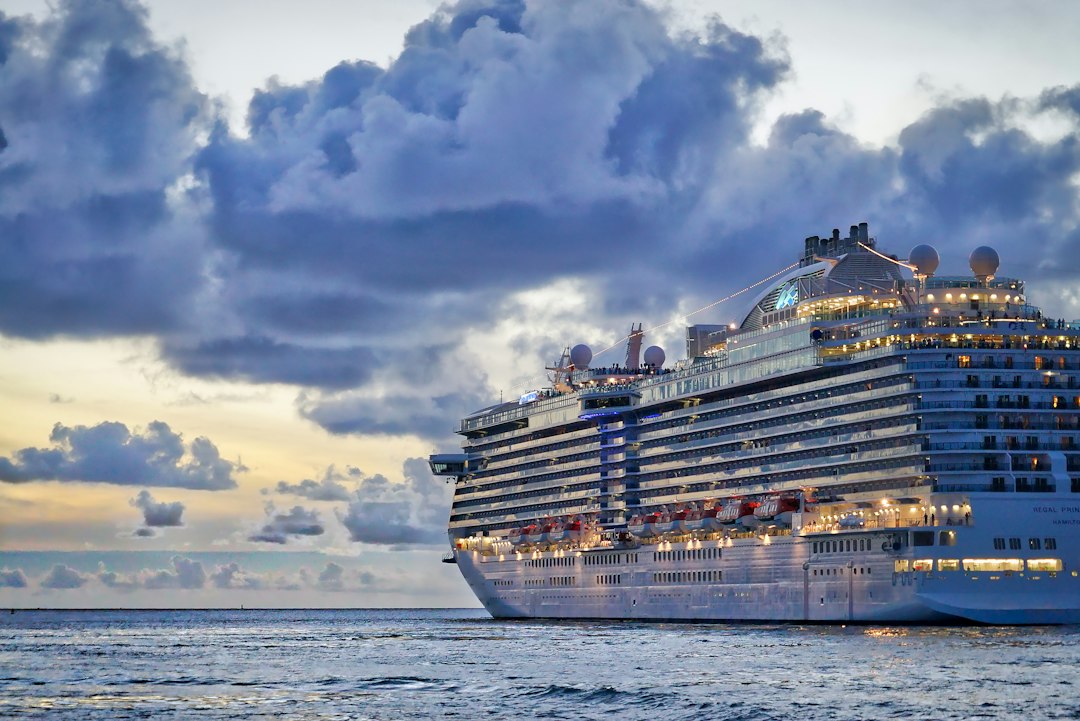
When you’re staring at a potential quarantine notice, the immediate panic is understandable, but I think it’s really important to pause and look at what your rights actually look like in that moment. Most passengers assume that if a cruise line forces you into your cabin, they’re automatically on the hook for every missed day or unexpected expense, but the reality is much more granular and often tied to the specific fine print of your ticket contract. Think about it this way: while maritime law generally mandates that the carrier provides medical monitoring and basic care during an isolation period, it rarely guarantees a pro-rated refund for the time you spent away from the pool deck. You’re essentially operating in a space where international health regulations empower the captain to restrict your movement to protect the collective, and those legal mandates usually supersede individual preferences.
If you find yourself stuck in a port city due to a health directive, the distinction between a ship-initiated quarantine and a government-mandated one becomes the most important factor in who pays your hotel bill. It’s also worth noting that in severe cases, like the recent hantavirus incidents where national health agencies stepped in, you might lose all autonomy over where you’re transferred for medical care. The cruise line isn’t just being difficult; they’re often following strict protocols that, if ignored, could lead to legal blowback for you personally, including being blacklisted from future sailings.
Honestly, the best thing you can do before you even step on the ship is to treat your ticket contract like a legal document rather than a travel itinerary. Look specifically for clauses that limit the carrier's liability during public health crises, because those pages are where your rights are actually defined. If you do end up in isolation, keep every single piece of documentation from the ship's medical team, as that paper trail is your only real leverage if you need to argue for compensation or insurance coverage later on. It’s not about being a pessimist, but knowing that you’re essentially agreeing to a specialized legal framework while you’re at sea is a detail most people overlook until it’s far too late. I’d suggest spending those ten minutes reading the contract now, just so you know exactly where you stand if the worst-case scenario unfolds.
How to Evaluate Cruise Line Health and Safety Ratings Before Booking
Before you lock in your next vacation, I really think it’s worth taking a beat to pull back the curtain on how these ships actually manage health and safety. It’s easy to just click "book" and assume everything is handled, but the reality is that the industry’s track record is public record, and you’re the best person to check it. Your primary resource is the CDC’s Vessel Sanitation Program, which requires ships to undergo unannounced inspections twice a year, with results archived for anyone to see. I always tell friends to check that database by the ship’s name, because seeing a score is one thing, but reading the specific notes on any deficiencies tells you the real story. Remember, anything below an 86 is a fail, though keep in mind that ships not visiting U.S. ports aren't always under this same microscope, so you might be flying a bit blind if you're booking an international-only itinerary.
If you want to go deeper, look for cruise lines that lean into third-party maritime health audits, as these companies are essentially volunteering for extra scrutiny to prove they’re hitting a higher standard. And honestly, the age of the ship matters more than you’d think. Newer vessels aren't just about fancy decor; they’re engineered with hospital-grade HEPA filtration and HVAC systems that pull in way more fresh outdoor air, which is a massive win for your peace of mind. Some of the latest builds are even using ultraviolet light to treat gray water, cutting down on the microbial load before it’s ever processed. If you’re trying to compare lines, check if they’re transparent about their medical staffing—specifically, whether they keep dedicated epidemiologists or public health officers on their management teams.
It also helps to look for the little signals of a company’s culture, like whether they provide a public, digital dashboard for health metrics or use non-contact thermal monitoring at the gangway. It tells you they’re serious about catching issues before they even enter the ship's circulation. I also find it helpful to look at the ship's architecture; vessels with localized, individual HVAC units for each cabin are generally safer bets than those relying on one giant, centralized system that might circulate air across the entire deck. It might sound like a lot of homework, but spending ten minutes digging through these reports before you pay is the difference between worrying about every sneeze on board and actually relaxing by the pool. At the end of the day, you’re the one who has to live in that space for a week, so don't be afraid to be a little picky about who you're sailing with.
Travel Insurance and Cancellation Policies: What Coverage You Actually Need
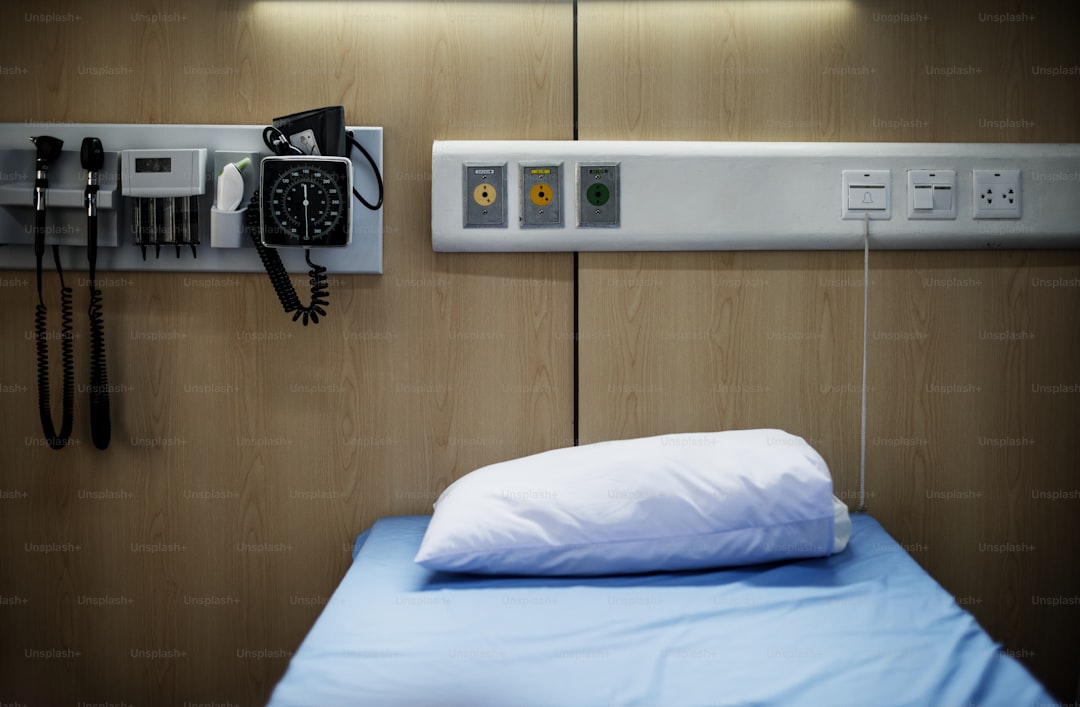
When you’re staring down the logistics of a cruise, the urge to just click past the insurance offer is real, but let’s pause and look at what’s actually at stake here. Standard policies often treat health-related cancellations with surprising rigidity, meaning a simple isolation order might not trigger a payout unless you’ve specifically secured a policy that covers government-mandated quarantines. Honestly, I see so many travelers assume a doctor's note for a minor illness is a golden ticket for a refund, but most underwriters require proof of severe, hospital-level medical necessity before they’ll even consider your claim. If you’re banking on your credit card’s built-in protections, just remember that they usually act as secondary coverage, forcing you to endure a long, often exhausting process of filing with a primary provider and proving a denial before you get a single cent back.
It’s also easy to overlook the distinction between a cruise line’s liability and your own financial risk. If the ship cancels the voyage due to an outbreak, you’re usually looking at future cruise credits rather than cash, and your standard insurance plan likely won't bridge that gap. This is exactly where specific cruise-focused plans start to look more attractive, as they’re designed to handle the logistical headaches of missed ports or delayed departures caused by sanitary measures. If you are going to invest in protection, prioritize medical evacuation coverage above all else, because a private transfer from a ship to a mainland hospital can easily spiral into a fifty-thousand-dollar bill that ruins more than just your vacation.
If you’re looking at Cancel for Any Reason upgrades, you have to be fast, as these are typically time-sensitive add-ons that vanish if you haven't bought your policy within two or three weeks of your initial deposit. And watch out for those pre-existing condition waivers, which are only valid if you insure your entire non-refundable trip cost and purchase the policy immediately after booking. I’d suggest double-checking the look-back period on your policy, as any medical advice sought in the months prior to your trip could leave you vulnerable to a denied claim. When you’re on board, keep that ship physician’s formal report as if your life depends on it, because without that specific paper trail, you’re essentially fighting an uphill battle against an insurance underwriter who is looking for any reason to say no. It feels like a lot of extra work, but honestly, having the right coverage makes all the difference when you need it most.
Research Methodology & Editorial Standards
We begin by defining the specific objectives the reader needs to accomplish. Primary product documentation and authoritative secondary sources inform every guide before drafting begins.
Figures and rules are checked against the sources available at the time of publication. Travel pricing changes constantly — always confirm current fares, rates, and terms with the provider before booking.