
How to protect yourself from norovirus outbreaks on your next cruise
If you’ve ever found yourself meticulously scrubbing your hands with sanitizer before a meal on a cruise ship, I’ve got some tough news: you’re likely fighting a battle you can’t win with alcohol.
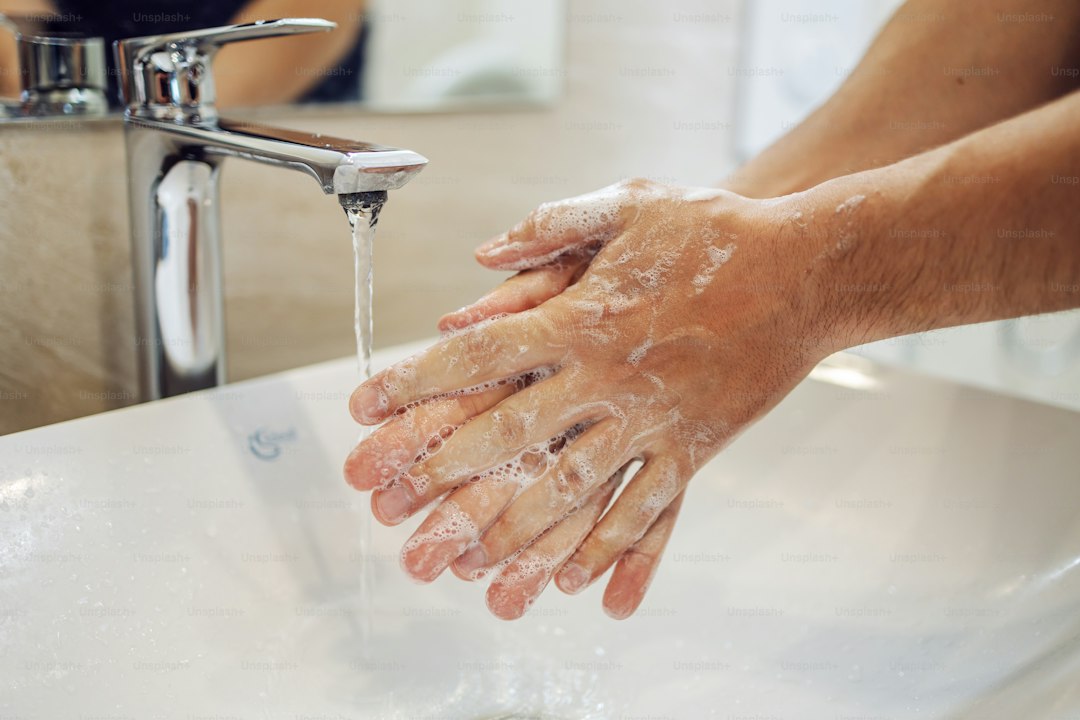
Understanding Norovirus: Why Hand Sanitizer Isn’t Enough
If you’ve ever found yourself meticulously scrubbing your hands with sanitizer before a meal on a cruise ship, I’ve got some tough news: you’re likely fighting a battle you can’t win with alcohol. Here’s the reality—norovirus particles are built differently, protected by a tough protein shell known as a capsid that makes them stubbornly resistant to the alcohol-based chemicals in those standard pump bottles. Because these viruses are non-enveloped, they lack the fragile lipid membrane that alcohol usually destroys to neutralize other germs. Think of it like trying to unlock a heavy-duty deadbolt with a paperclip; the chemistry simply doesn’t match up. It’s why you can’t rely on that little bottle in your pocket when you’re navigating a buffet or high-traffic common areas.
The situation gets even more frustrating when you realize how long these microscopic hitchhikers hang around. Research shows that norovirus can survive on hard surfaces and objects for up to two weeks, essentially turning cabin railings, elevator buttons, or even utensils into persistent environmental reservoirs. This is exactly why outbreaks seem to ripple through ships long after the initial wave of sickness appears to have subsided. You might think you’re in the clear because the person who was ill has recovered, but the virus is still there, waiting on those touchpoints. It’s also incredibly resilient to many common cleaning agents that kill bacteria, which creates a false sense of security for many travelers.
To truly neutralize the pathogen, you need more than a generic wipe; you need a bleach-based solution or an EPA-approved disinfectant specifically labeled for norovirus efficacy. And here’s the kicker: it takes such a tiny amount—as few as 18 to 1,000 viral particles—to trigger an infection. Because of that, the mechanical action of washing your hands with soap and water is the only reliable way to physically dislodge and rinse the particles away. I always tell people that soap is your best defense because it physically removes the virus rather than just hoping to kill it. Don’t get me wrong, sanitizer has its place, but when it comes to this specific bug, it’s just not enough to keep you safe during your trip.
Best Practices for Personal Hygiene to Prevent Infection
Let’s be honest, staying healthy on a cruise ship is less about luck and more about managing the tiny details that most people completely overlook. When you're washing up, remember that the actual friction is the secret sauce—it’s what physically dislodges those stubborn viruses from the microscopic ridges in your skin. Most of us are guilty of rushing the process, but you really need that full twenty seconds for the soap to work its magic and break the seal between the pathogen and your skin. And don’t just focus on your palms; the areas between your fingers and the space under your nails are notorious breeding grounds that often get ignored during a quick rinse.
Once you’ve finished, how you dry your hands is actually just as important as the washing itself. Pathogens love moisture and move between damp surfaces with way more ease than they do on dry skin, so being thorough with that paper towel is non-negotiable. I’ve started using that same towel to turn off the faucet, too, because there’s no point in scrubbing perfectly clean hands only to immediately grab a handle that hundreds of other passengers have touched with dirty fingers. It’s a small, simple habit, but it’s one of those minor adjustments that makes a massive difference in preventing re-contamination when you’re out at sea.
But here’s where it gets real—you have to think about what you’re touching after you’ve cleaned up. Your smartphone is basically a magnet for everything you’ve picked up throughout the day, and if you aren’t wiping that screen down regularly, you’re just undoing all your hard work the moment you check your email. I also try to avoid touching my face entirely until I’m back in my cabin, as your eyes, nose, and mouth are the main entry points for these bugs. Even things like your key card or your jewelry can act as a bridge for germs, so keeping those high-touch items clean is just as vital as soaping up. It might sound like a lot, but once you get into the rhythm, it becomes second nature—and it’s a heck of a lot better than spending your vacation stuck in your room.
How to Navigate Food and Drink Safety While Onboard
When we sit down to eat on a ship, it’s easy to let our guard down, but the buffet line is actually a complex ecosystem of risks that most of us completely ignore. Think about those sneeze guards for a second; they’re rarely cleaned with the frequency needed to stop cross-contamination, and the undersides are essentially hidden hotspots for viral transfer. Even if that tray of eggs looks steaming hot, unless the internal temperature has held at 140 degrees Fahrenheit throughout, you might not be as safe as you assume. I’ve noticed that most people don't think twice about the condiment bottles, yet salt shakers and ketchup dispensers are high-touch surfaces that almost never see a disinfectant wipe. If you really want to lower your risk, try to hit the buffet early in the service window because the cumulative exposure from hundreds of passengers only increases the longer food sits out.
Ice machines are another one of those things that drive me crazy, as they’re often biofilm reservoirs where the cold temperatures actually help preserve viral particles instead of killing them. If you’re grabbing a drink, I’d suggest sticking to canned or bottled options whenever possible; soda fountain nozzles and their internal tubing are notoriously difficult to sanitize and can easily harbor hidden buildup. It’s also worth skipping those raw garnishes like parsley or lettuce unless you know they’ve been handled with strict protocols, as they’re often washed in water that might not be treated well enough to eliminate these bugs. When it comes to the table, I always ask for fresh silverware wrapped in napkins rather than pulling from those communal bins where every handle has been touched by dozens of other people.
It feels a bit obsessive, but those shared serving tongs are the primary vectors for moving viruses from a passenger's hands directly into the communal food supply. If you absolutely have to use them, just give the handle a quick wipe with an EPA-approved disinfectant before and after you serve yourself to keep things contained. I personally lean toward hot coffee or tea because the brewing process reaches temperatures that are generally sufficient to neutralize the virus, making them a much safer bet than lukewarm water or juice. You should also take a quick look at your individual table setting before you dig in, as busy staff can sometimes inadvertently contaminate clean plates while rushing through a turnaround. It’s all about these small, deliberate choices that keep you from spending your vacation locked in your cabin.
Identifying Early Symptoms and What to Do If You Get Sick
Let’s face it, the last thing you want to think about while you’re out at sea is spending your vacation stuck in your cabin, but being prepared for the worst is part of being a savvy traveler. If you start feeling that telltale sudden onset of nausea or sharp abdominal cramps, don't wait for things to get worse before acting. Norovirus usually hits hard and fast, often appearing within 12 to 48 hours of exposure with projectile vomiting and watery, non-bloody diarrhea as the primary indicators. You might also notice low-grade fevers or muscle aches, which can easily be mistaken for simple seasickness or even a standard stomach bug if you aren't paying close attention.
Because this virus triggers rapid fluid loss, the most vital thing you can do is start aggressive oral rehydration immediately. I’d suggest reaching for electrolyte-balanced solutions instead of just plain water, as your body needs those salts to recover properly. While it’s tempting to grab over-the-counter anti-diarrheal meds from the ship’s gift shop, you should hold off on those until you talk to a medical professional. These drugs can sometimes trap the virus in your system longer than necessary, which is the exact opposite of what you want when you’re trying to kick the bug.
If you suspect you’ve picked up the virus, you really need to notify the ship’s medical center as soon as possible. They have specific protocols in place to track and isolate cases, which helps stop the ripple effect that often plagues cruise ships during outbreaks. You’ll likely be asked to stay in your cabin for at least 48 hours after your symptoms have completely stopped, which is a tough pill to swallow but necessary to ensure you aren't shedding the virus to other passengers. It’s a bit of a bummer, but keeping your cabin door closed is the most effective way to protect your fellow travelers and keep the rest of your trip from being ruined.
Keep an eye on your hydration levels, especially since the tropical environment on deck can speed up fluid loss. If you notice your urine is dark or your output has significantly decreased, that’s your body giving you a clear signal that you might need intravenous fluids. If you start feeling confused, dizzy, or notice your heart racing, don't hesitate—seek emergency medical attention right away. Even after you’re finally feeling back to normal, continue your strict handwashing routine for several days because you can still be infectious. It’s those small, deliberate choices during your recovery window that keep the virus from jumping back into circulation and potentially causing a second wave on your ship.
How Cruise Lines Manage Outbreaks and Protect Passengers
When you step onto a cruise ship, you’re essentially entering a complex, floating micro-city where public health protocols are working harder than you’ll ever see. I think it’s important to realize that the industry isn't just reacting to sickness; they’re using high-tech, invisible defenses to keep the ship running. For instance, most modern vessels now use ultraviolet-C light systems buried inside their ventilation ducts to neutralize airborne pathogens before they ever reach your cabin. Beyond the air, they’re monitoring the water through automated chlorination sensors that adjust disinfectant levels in real-time, ensuring that every drop remains safe. It’s a level of engineering that honestly makes me feel a lot better when I’m filling up my water bottle.
When things do escalate, cruise lines shift into a gear that most passengers never notice. They use electrostatic sprayers that charge disinfectant particles, which allows the cleaning solution to wrap around irregular surfaces like handrails and chair legs much more effectively than a standard wipe. If you’re curious about how they track potential threats, ships actually use medicine sales in the gift shop as a silent early-warning system; if there’s a sudden spike in anti-nausea medication purchases, the medical team gets an alert long before people start lining up at the infirmary. They also keep rapid molecular diagnostic devices on board, which can pinpoint a specific viral strain in under an hour, allowing them to isolate affected individuals before an outbreak can gain any real momentum.
But what happens if a ship hits that dreaded two-percent infection threshold? That’s when the response becomes standardized and rigid, often involving an immediate switch to single-use service ware in dining halls to eliminate any chance of cross-contamination from communal plates. They’ll also adjust the intensity of their cleaning cycles based on real-time data, using a color-coded alert system that directs stewards to scrub high-traffic corridors more frequently when they notice clusters of illness. I’ve even seen how they use dynamic pressure zoning in HVAC systems to physically prevent air from moving between different deck zones, essentially creating a firewall for germs. It’s a massive logistical operation, but understanding these layers of protection helps me focus on the vacation instead of the risks.
Proactive Planning: Tips for Staying Healthy Before You Sail
I’ve learned the hard way that the best way to handle a cruise is to stop thinking of it as a vacation and start treating it like a high-stakes performance, which means your prep work actually starts weeks before you ever step foot on the gangway. It’s not just about packing sunscreen; it’s about shoring up your body’s internal defenses so you aren't fighting a losing battle against the ship’s inevitable viral traffic. I’ve found that prioritizing a high-fiber diet for at least two weeks before sailing does wonders for your gut microbiome, which is effectively your first line of defense against any stray pathogens you might ingest at the buffet. I also try to get a jump on my sleep quality the week before I head out, as hitting that seven-to-nine-hour mark is what allows your body to produce the cytokines necessary for a sharp immune response. And let’s be real about hydration—you can’t just chug a gallon of water the morning you board and expect to be fine, because your mucous membranes need to be consistently hydrated for days to act as an effective barrier against those microscopic hitchhikers.
Beyond the basics, I’m a big believer in getting ahead of potential stressors that we often ignore in the rush of pre-trip planning. Chronic stress is a massive immune suppressor because it spikes your cortisol, so I try to treat my schedule in the lead-up as a cooling-off period rather than a frantic sprint. I’ve also noticed that getting consistent cardiovascular exercise for at least a month before departure helps with lymphatic circulation, which is honestly the unsung hero of moving immune cells exactly where they need to be when you’re exposed to something new. If you want a quick win, starting a zinc supplement about five days before you sail can potentially cut down on the duration of any bugs you do encounter, and I’ve personally found that keeping up with nasal saline irrigation helps clear out the debris that usually gets trapped in your nose while traveling.
Finally, you have to look at your baseline health markers, because a minor deficiency can be the difference between a sniffle and being stuck in your cabin for three days. I’ve started scheduling a quick wellness check-up about two weeks out, just to make sure things like my iron levels are where they should be, since even a slight dip can leave your body struggling to mount a real defense. It’s also worth checking your Vitamin D levels, as data suggests having a solid baseline can make your immune system much more responsive to viral threats. I make a conscious effort to cut out the heavy drinking in the days right before I board, as alcohol can temporarily dull your white blood cells, and honestly, I’d rather show up to the ship feeling sharp and ready than starting with a compromised immune system. It might feel like a lot of work, but these small, proactive shifts mean I can actually enjoy the cruise instead of spending it monitoring my temperature.
Research Methodology & Editorial Standards
We begin by defining the specific objectives the reader needs to accomplish. Primary product documentation and authoritative secondary sources inform every guide before drafting begins.
Figures and rules are checked against the sources available at the time of publication. Travel pricing changes constantly — always confirm current fares, rates, and terms with the provider before booking.