
What travelers need to know about the recent cruise ship norovirus outbreaks
We’re seeing a real, measurable spike in norovirus cases, and while cruise ships often hog the spotlight in the news, it’s helpful to step back and look at why this is happening.
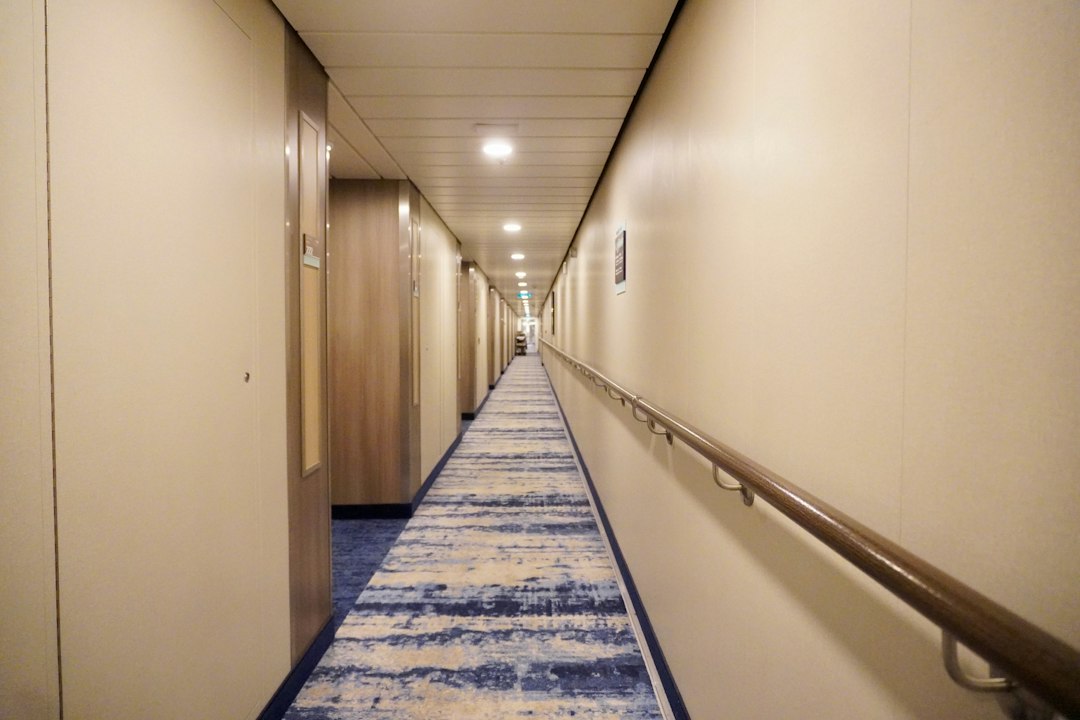
Understanding the Recent Surge in Cruise Ship Norovirus Cases
You’ve probably seen the headlines lately, and honestly, it’s enough to make anyone second-guess their upcoming vacation plans. We’re seeing a real, measurable spike in norovirus cases, and while cruise ships often hog the spotlight in the news, it’s helpful to step back and look at why this is happening. The reality is that this virus—often called the winter vomiting bug—is actually surging across communities everywhere, from schools to nursing homes, but ships are under a microscope because they’re legally required to report every single case. Think about it: if every office building or daycare had to report their stomach flu numbers to the feds, the data would look a lot like what we see in maritime reports. It isn't just about the setting, though; it’s about the biology of the virus itself, which is honestly pretty relentless.
The biggest misunderstanding I see is that people think their standard hand sanitizer is a silver bullet, but it really isn't. Because norovirus lacks the lipid envelope that alcohol-based sanitizers are designed to dissolve, those little bottles on the buffet entrance are essentially doing nothing to stop the spread. You have to physically wash your hands with soap and water for at least 20 seconds to actually dislodge the viral particles. It’s a mechanical process, not a chemical one, and that physical friction is the only thing that works. To make matters worse, we’re dealing with newer, more contagious variants that have evolved to infect us more efficiently, even if you’ve had it before.
When you pack thousands of people into a closed environment with shared dining and recycled air, you’re playing a game of numbers. Because the infectious dose is so incredibly low—you only need a tiny amount of viral particles to get sick—it’s shockingly easy for one person to kick off a chain reaction on a ship. Plus, people can shed the virus for weeks even after they feel totally fine, which means asymptomatic carriers are quietly walking around the pool deck without ever knowing they’re a vector. It’s a frustrating reality for both the cruise lines and the passengers, but knowing exactly how this stuff spreads is the first step in actually protecting yourself.
How Norovirus Spreads in the Confined Environment of a Cruise Ship
Let’s pause for a second and look at why these ships become such high-stakes petri dishes for norovirus, because it’s not just about people being in close quarters. Think about the physical resilience of the virus itself; these particles are incredibly tough and can survive on dry surfaces like elevator buttons or cabin handrails for weeks. Even worse, the virus can become aerosolized during a vomiting episode, meaning it doesn’t just sit on a surface—it can be inhaled by anyone nearby. It’s a mechanical nightmare for the crew, especially since the virus can survive in water systems even after standard chlorination. This is why you’ll often see ships forced into aggressive deep-cleaning cycles where they actually strip out carpets and curtains to stop the virus from lingering in the fibers.
And here’s the kicker: the ship’s central ventilation system can act like a highway for these particles, circulating contaminated air across multiple decks before anyone even realizes an outbreak is starting. Because the infectious dose required to make you sick is so microscopic, it doesn't take much for a single passenger to trigger a chain reaction. We have to consider that norovirus is also highly resistant to standard disinfectants, so crews are forced to use very specific, EPA-registered products that are actually capable of neutralizing non-enveloped viruses. If they aren't using the right chemical, they’re essentially just moving the problem around rather than eliminating it.
Then you have the human factor, which creates an almost impossible containment scenario. Cruise ships are essentially high-density social networks where the constant turnover of passengers means new viral strains are being introduced every single time the ship docks. People can track the virus into their private staterooms on the soles of their shoes or even their luggage wheels after walking through a contaminated common area. Because the incubation period is so short—often just 12 to 48 hours—an outbreak can overwhelm the medical facilities on board before the ship even reaches its next port. It’s a brutal cycle of transmission that makes the buffet or dining room, with all those shared serving utensils, the most high-risk zones on the entire vessel.
Symptoms to Watch For: What Passengers Experience During an Outbreak
When you’re stuck in the middle of the ocean, the last thing you want is that sudden, sinking feeling that your stomach isn't quite right. Let’s talk about what actually happens when norovirus hits, because it’s usually far more aggressive than your typical "stomach bug" at home. You’ll often start with a strange, gnawing nausea or intense cramping that hits you out of nowhere, and honestly, it’s usually just a few hours before things escalate into violent, projectile vomiting. It’s your body’s blunt way of trying to purge the virus, and the force of it is why it leaves people feeling so physically wrecked afterward.
Along with the digestive chaos, you’re likely to see a low-grade fever, usually hovering around 100 degrees, as your immune system tries to keep up with the inflammation. You might also notice deep muscle aches and a level of exhaustion that makes even getting out of your cabin feel like a marathon. The biggest danger here, and what the ship’s medical team is always watching for, is how quickly you can get dehydrated. Because the virus actually damages the lining of your small intestine, your body stops absorbing fluids properly, making those sips of water feel almost useless.
And here’s something people often overlook: the watery, non-bloody diarrhea that typically follows the initial vomiting can linger for days, often in cycles that feel like they’re never going to end. You might also deal with a persistent headache or lightheadedness, which is really just your brain flagging that your electrolytes are totally out of whack. I always tell people to be extra careful with what they eat for a few days after they start feeling better. Your gut takes a real hit, and even simple things like dairy can trigger a second round of bloating or diarrhea because your system is still too sensitive to process it normally. It’s a frustrating recovery, but sticking to a bland diet is the smartest way to help your body heal once the worst of it is finally behind you.
How Cruise Lines and the CDC Monitor and Respond to Viral Outbreaks
When you look at how cruise lines handle viral outbreaks, it’s honestly easy to feel like the ships are just moving targets for every bug in the ocean, but there’s a massive, highly regulated machine working behind the scenes to keep things under control. The Vessel Sanitation Program is the real backbone here, mandating that cruise lines report any gastrointestinal illness to the CDC the moment cases hit or exceed two percent of the total population on board. That threshold is remarkably tight, and it forces a level of transparency you just don’t see in land-based hospitality or office settings, where no one is tracking, let alone reporting, a stomach bug cluster to federal authorities. It’s this granular data collection that allows public health officials to stay ahead of the curve, requiring lines to submit comprehensive final reports within two weeks of docking that detail exactly what happened and how they scrubbed the ship clean.
But here is where the technical reality gets interesting, because the response is a mix of high-speed diagnostics and old-school sanitary rigor. Onboard medical teams are equipped with sophisticated molecular diagnostic tools that can differentiate between various pathogens in real-time, which is a massive upgrade from the days of guessing based on symptoms alone. If an outbreak triggers those surveillance protocols, you’ll see the ship’s master documenting every single disinfection cycle, while the CDC’s environmental health officers stand ready to conduct unannounced inspections of food handling and water systems. It’s a constant, high-stakes game of containment where medical officers have the authority to pull the plug on a passenger's vacation by enforcing strict cabin isolation to break the transmission chain before it hits that next port.
Ultimately, you have to look at these ships as self-contained ecosystems, which is why the CDC goes beyond just tracking human-to-human spread to investigate the ship’s entire infrastructure, including potable water and those popular recreational pool areas. When a threshold is crossed, the industry standard shifts to an intensive, vessel-wide disinfection process that relies strictly on EPA-registered chemicals known to actually neutralize non-enveloped viruses—not just the standard surface wipes you might use at home. I think what matters most for travelers is realizing that these systems aren't just for show; they’re a rigid safety net designed to turn a potential crisis into a manageable event. So, while a headline about an outbreak might sound scary, it’s usually a sign that the surveillance net is doing exactly what it was built to do: catching the problem long before it becomes a widespread public health emergency.
Essential Hygiene Practices to Protect Yourself While Cruising
Look, I know the headlines about cruise ship outbreaks can make you want to cancel your trip entirely, but let’s talk about how you can actually take control of your environment. The reality is that norovirus particles are incredibly resilient, surviving even in high-salinity marine water, which means the ship’s internal systems require constant, rigorous monitoring. You should start by packing your own travel-sized supply of EPA-registered disinfectant wipes, specifically those designed to neutralize non-enveloped viruses, as standard household wipes often lack the chemical strength to break down the virus's protein shell. Because these pathogens can linger on soft fabrics for days, I always recommend bringing a clean sarong or a dedicated towel to cover shared deck chairs before sitting down. It’s also smart to keep your luggage off the cabin carpet, as those fibers act like a reservoir for particles tracked in from public areas on everyone’s shoes.
When you first walk into your stateroom, don't just drop your bags and head to the pool; take five minutes to wipe down the high-touch surfaces that cleaning crews sometimes miss in their rush, like the remote control, light switches, and bathroom faucet handles. If you’re worried about air quality, opting for a cabin with a private balcony is a game changer because it allows for natural airflow that helps dilute any aerosols that might otherwise get trapped in a sealed, interior room. I’ve also found that choosing cabins mid-ship or on lower decks can sometimes provide a buffer, as these areas may have independent filtration units that aren't as deeply integrated into the vessel’s main ventilation arteries. Honestly, it’s a small adjustment that can make your space feel much more like a personal sanctuary.
When you’re out on the decks or grabbing a bite, keep an eye on how the staff is operating; if you notice a sudden shift to disposable plates or pre-packaged individual servings in the buffet, take that as a clear signal to shift your dining toward room service or the main dining room where protocols are more controlled. I also suggest carrying a small, personal travel utensil set for snacks, which effectively removes the risk of touching shared tongs or ladles that hundreds of other hands have gripped before you. It sounds simple, but staying hydrated with bottled water is actually a defensive move, too, because mild dehydration can weaken your body’s natural mucosal defenses. Finally, keep your shoes on in public areas to avoid picking up microscopic debris that you might accidentally transfer to your hands or face later on. It’s all about creating these little mechanical barriers to keep your trip focused on the ocean views rather than the infirmary.
What to Do If You Get Sick While Onboard Your Cruise
If you suddenly find yourself clutching your stomach in the middle of the ocean, the first thing to know is that ship infirmaries are far more than basic first-aid stations; they’re essentially high-functioning urgent care centers. You should head to the medical clinic the moment symptoms start, rather than trying to power through, because the ship’s medical director uses these interactions to track for potential outbreaks in real-time. Don’t worry about the cost, but do prepare for the reality that your domestic health insurance likely won't cover these services, making travel insurance with medical evacuation coverage an absolute must-have. I’ve seen enough travelers get hit with massive bills to know that carrying a policy that specifically covers international waters is the smartest financial move you can make before even boarding.
If the medical team determines you’re contagious, they will enforce cabin isolation, which honestly feels restrictive but is a critical clinical move to keep the rest of the ship safe. You aren't just sitting there; you’ll receive daily wellness checks where they monitor your hydration and oxygen levels, and they’re stocked with specialized oral rehydration salts that are far more effective at stabilizing your electrolytes than any sports drink you’d find at the buffet. While it’s frustrating to be sidelined, most lines will offer you some form of compensation like future cruise credits or a prorated refund because they recognize that being confined to your room wasn't part of your vacation plan. Make sure you request a copy of your electronic health records before you leave the ship, as having that documentation is vital for your primary care physician to provide proper follow-up treatment once you’re back home.
Think of the ship’s medical staff as your primary link to the outside world if things get serious, because they have the capability to coordinate tele-consults with land-based specialists if your condition requires expertise they don't have on board. They’re also using rapid PCR diagnostic machines that can pinpoint exactly what’s ailing you in under an hour, which is lightyears ahead of the old-school approach of guessing based on symptoms. If the situation on the ship escalates, the captain has the legal authority to skip ports or even coordinate a complex mid-sea evacuation via helicopter to get you to a hospital on land. It’s an intense, high-stakes medical environment, but knowing that these robust safety nets exist should at least give you some peace of mind if you start feeling that familiar, dreaded nausea.
Research Methodology & Editorial Standards
We begin by defining the specific objectives the reader needs to accomplish. Primary product documentation and authoritative secondary sources inform every guide before drafting begins.
Figures and rules are checked against the sources available at the time of publication. Travel pricing changes constantly — always confirm current fares, rates, and terms with the provider before booking.