
What the MV Hondius Hantavirus outbreak reveals about the hidden risks of luxury expedition travel
When you’re jumping between ships on zodiacs, you’re basically creating a perfect bridge for any bug to travel across the entire fleet.
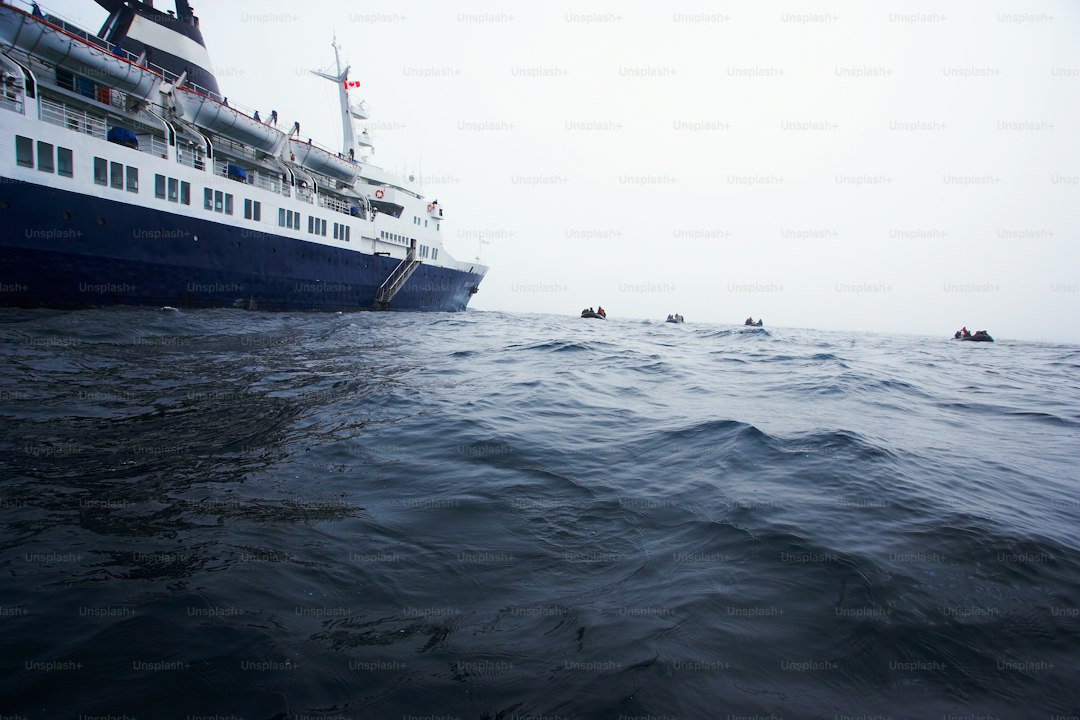
The Antarctic Tourism Boom: Balancing Luxury Access with Public Health
You know that feeling when you finally book the trip of a lifetime, only to realize the logistics are a lot messier than the brochure suggests? I’ve been looking at the numbers from the 2025-2026 Antarctic season, and honestly, the 120,000 visitors who made the trek represent a massive shift in how we handle the world’s last true wilderness. It’s not just about the crowds; it’s about the fact that we’ve outpaced our own biosecurity monitoring. When you’re jumping between ships on zodiacs, you’re basically creating a perfect bridge for any bug to travel across the entire fleet. And because marine sanitation rules depend on which country’s flag is on the mast, there’s no single standard for how waste or illness is actually managed out there.
Think about the reality of being sick in the Southern Ocean, where a medical evacuation takes 72 hours if the weather plays nice. Most of these luxury ships are gorgeous, but they aren't hospitals; they lack the negative-pressure isolation units you’d need for a real respiratory outbreak. Instead, you’re looking at a makeshift quarantine in a cabin, breathing recycled air that’s probably circulating everything else on the ship. It’s a bit unsettling to realize that pre-boarding health screenings are all over the place, meaning one person with a cough can inadvertently change the trajectory of the entire voyage for everyone else on board.
Then there is the environmental side of things, which hits a bit harder when you see the data from places like Neko Harbour. We’re actually finding human-derived microbial footprints in the soil now, which is a wild thought when you consider how pristine that place is supposed to be. Between the climate warming that keeps the season open longer and the rise in private fly-cruise charters that skirt traditional port health checks, we’ve essentially built a system that moves way faster than our safety protocols. We don’t even have a unified health surveillance framework between these commercial operators yet. I think it’s time we really look at whether the convenience of this luxury access is worth the biological risk we’re introducing to such a fragile, isolated spot.
Understanding Hantavirus: Why Remote Expedition Ships Are Vulnerable
Let’s take a step back and look at why hantavirus, a pathogen typically associated with dusty, land-locked barns, is suddenly a concern for passengers on luxury expedition ships. You see, the core issue is that hantavirus doesn’t move like a typical flu; it’s transmitted through the inhalation of aerosolized particles from rodent excreta, not direct contact with the animals themselves. Because the incubation period can stretch anywhere from one to eight weeks, passengers might be thousands of miles away from their original point of exposure by the time symptoms actually emerge. This creates a massive diagnostic nightmare for shipboard doctors, who often mistake those early warning signs for common influenza. It’s honestly a perfect storm of environmental conditions meeting a complete lack of standardized oversight.
Think about the way these ships are engineered for the extreme cold. To stay energy-efficient in polar climates, many of these vessels rely on sophisticated, closed-loop HVAC systems that recirculate air throughout the decks. It’s a genius move for thermal retention, but biologically speaking, it potentially creates a pathway for aerosolized contaminants to travel much further than they would in a standard building. Then, you have to consider the ship’s dark, quiet storage holds, which provide the exact cool, stable environment where viral loads in dried nesting materials can persist for days or even weeks. It’s not just about an active rodent infestation; it’s about the lingering, dormant risk left behind in places where crew rarely venture, making it an incredibly difficult pathogen to hunt down during routine safety checks.
The real frustration here is that our current maritime health protocols are almost entirely geared toward human-to-human transmission, like norovirus or respiratory infections. We don’t have a universal, high-standard reporting framework for zoonotic risks, leaving ship operators to rely on their own internal, and often wildly inconsistent, pest management policies. Unlike most illnesses that spread rapidly through a crowd, a hantavirus cluster points toward a persistent environmental reservoir hidden somewhere on the vessel itself. It forces us to ask why we’ve prioritized comfort and luxury amenities over the baseline biosecurity needed to track these kinds of environmental threats. Until we bridge the gap between maritime safety standards and basic wildlife-borne disease prevention, these isolated, beautiful ships will remain more vulnerable than any of us would like to admit.
Beyond the Itinerary: Assessing the Hidden Health Risks of Polar Travel
When we talk about polar travel, we usually obsess over the luxury of the suites or the sheer scale of the ice, but we rarely look at the ship itself as a living, breathing biological vessel. Let’s pause for a moment and consider the hidden mechanics of these ships, like the water ballast systems used for stability, which can inadvertently transport non-native microbes across thousands of miles of ocean. Or think about the food supplies coming from dozens of international ports; those fresh produce shipments aren't just for gourmet dining, as they can act as accidental vectors for soil-borne pathogens that love the cool, humid environment of a ship's galley. Even our attempts at sanitation, like ultraviolet light systems, often miss the mark against hardy viral strains that have essentially evolved to shrug off high-intensity radiation.
The way we live on these ships actually amplifies these risks in ways most passengers never suspect. Take the air quality in your cabin, for example, where high humidity from your own breath can keep aerosolized particles suspended for 40 percent longer than they would in drier conditions. Then there is the gear we wear; those heavy rubber boots and parkas are rarely deep-cleaned between landings, turning them into perfect shuttles that move organic matter from remote, wild shorelines directly into the ship’s interior. It’s also worth noting that our current greywater filtration systems often lack the micron-level capability to trap zoonotic pathogens, which means we might be discharging viral loads into pristine glacial meltwater without even realizing it.
Even the very architecture of these luxury vessels works against us, as modern design often hides "dead spaces" behind wall panels where thermal insulation creates a warm, dry microclimate—the perfect spot for rodents to nest, even when the outside temperature is well below freezing. When you combine this with the high-protein food waste from our dining rooms attracting scavenging birds, you have a recipe for bringing external pathogens right onto the decks. We’re also hampered by technology, since the blood analyzers on most of these ships are calibrated for common maritime bugs and often miss the specific markers of early-stage zoonotic infections. Because there’s no international mandate for forensic environmental swabbing, if an outbreak happens, we’re essentially flying blind, unable to trace the source of the mystery. It’s a sobering reality check that the very design features intended to keep us comfortable might actually be keeping us and the environment at a much higher risk than we’ve been led to believe.
The Case for Stricter Regulation in the Expedition Cruise Industry
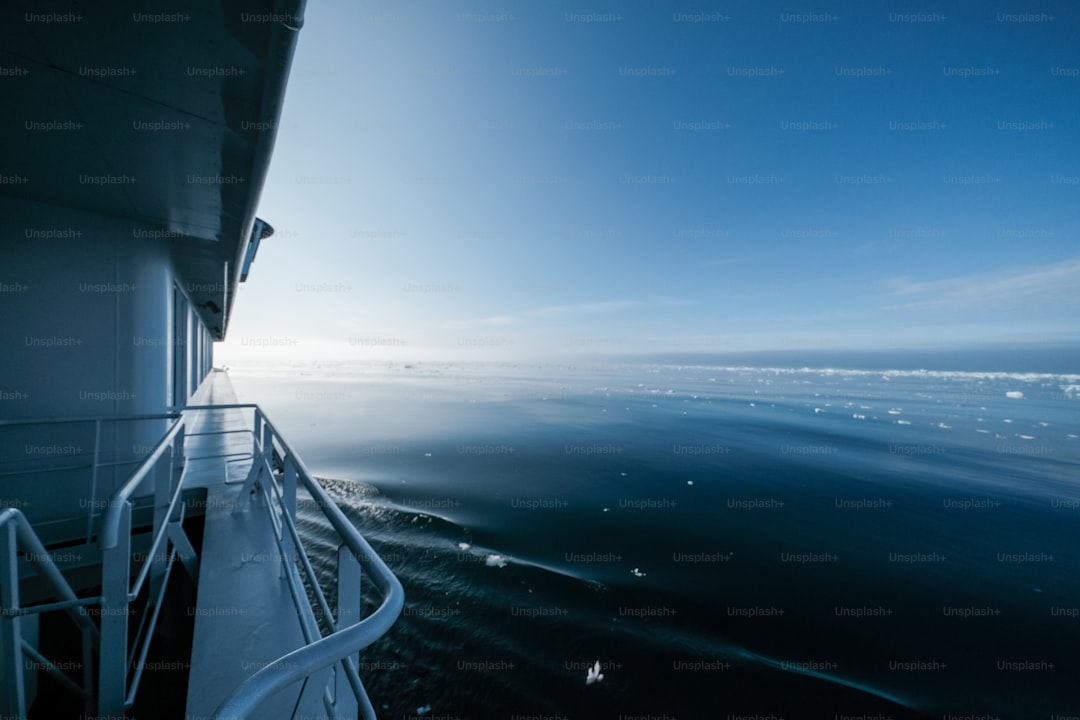
When we look at the aftermath of the MV Hondius tragedy, it becomes painfully clear that our current regulatory framework is stuck in the past, operating on rules designed for traditional human-to-human transmission while ignoring the realities of modern, high-tech expedition travel. Honestly, it’s frustrating to see that current maritime law provides these cruise lines with such broad liability protections that passengers are often left with almost no legal path forward after a disaster. Because these ships frequently sail under Flags of Convenience, they’re able to exploit jurisdictional loopholes that effectively let them dodge the more rigorous health and safety standards we take for granted at home. It’s a massive problem because it means that even as countries like the U.S., the U.K., and the Netherlands scramble to adjust their B2B travel agreements in response to these outbreaks, there is no international mandate to force companies into a truly unified, transparent reporting system.
Here is the real kicker: our reliance on self-regulated pest management is clearly failing to address the dormant viral reservoirs hidden in the dark, climate-controlled storage areas of these vessels. We are sending travelers into some of the most remote corners of the planet, yet many of these ships lack the specialized diagnostic equipment needed to catch zoonotic markers, meaning medical staff are often left guessing when a passenger starts showing symptoms. It isn't just about the medical gear, though; the architectural design of these ships, with their complex, insulated dead spaces, creates unintentional nesting grounds for rodents that just aren't being addressed in standard safety checks. When you combine this with the lack of mandatory forensic environmental swabbing, we’re essentially flying blind, unable to trace the source of these threats until it’s far too late.
The situation is only getting more complicated as the sector grows, especially with the explosion of private fly-cruise charters that often skip the few health checkpoints we do have at gateway ports. It’s wild to think that while we’re busy debating the merits of luxury access, we haven't even implemented a standardized requirement for greywater filtration, meaning we might be inadvertently discharging biological contaminants directly into the most pristine environments on Earth. Right now, data sharing between operators is largely voluntary and dangerously fragmented, which keeps us from seeing the full picture of these environmental risks. We’ve reached a point where the convenience of the industry has completely outpaced our safety protocols, and unless we demand a total overhaul of these international standards, we’re just waiting for the next preventable outbreak to happen on someone’s bucket-list trip.
Navigating Remote Medical Emergencies: Lessons from the MV Hondius
When we talk about the MV Hondius, it’s not just about a headline-grabbing health crisis; it’s a wake-up call about how our obsession with pushing luxury into the world’s most isolated corners is colliding with biological realities. The hantavirus outbreak serves as a stark example of why the standard medical protocols on these vessels are, frankly, outdated. You have to consider that the incubation period for hantavirus pulmonary syndrome can stretch from nine to 56 days, meaning a passenger could be thousands of miles from the ship, or even back home, before they ever show a single symptom. It’s a diagnostic nightmare for any shipboard doctor, especially since most are equipped to handle common flu strains rather than the specific, aggressive respiratory distress caused by this particular pathogen.
Here’s where it gets even more complicated: those sleek, energy-efficient ships we love are essentially designed to be biological traps. To keep us warm in the Southern Ocean, engineers rely on high-density insulation and closed-loop ventilation, which inadvertently create dark, moisture-rich nesting grounds for rodents and allow air to circulate in ways that move aerosolized particles between decks faster than you’d think. Even the filters meant to clean our air are often rated for basic dust, not the microscopic viral particles that can linger in dried nesting materials for weeks. If you find yourself on one of these ships, it’s worth remembering that standard cabin-based isolation might actually be counterproductive, as the virus can easily settle into carpets and upholstery that aren't built to be treated with medical-grade virucidal agents.
And let’s be real about the limitations of our current safety net. We’re relying on a decentralized system where reporting is often voluntary and medical staff lack the rapid, bedside serological assays needed to catch a zoonotic threat early. Even worse, the very air ambulances we’d rely on for an emergency evacuation can be dangerous for someone in respiratory distress, as the pressure changes at high altitudes can rapidly worsen hypoxemia. We need to stop pretending that a "luxury" label on a cruise ship equates to a hospital-grade safety environment. Moving forward, the industry has to move beyond checking for common illnesses and start mandating things like forensic environmental swabbing and rigorous cargo screening, because right now, we’re essentially flying blind in some of the most remote, unforgiving territory on the planet.
Traveler Due Diligence: How to Vet Expedition Operators for Safety and Preparedness
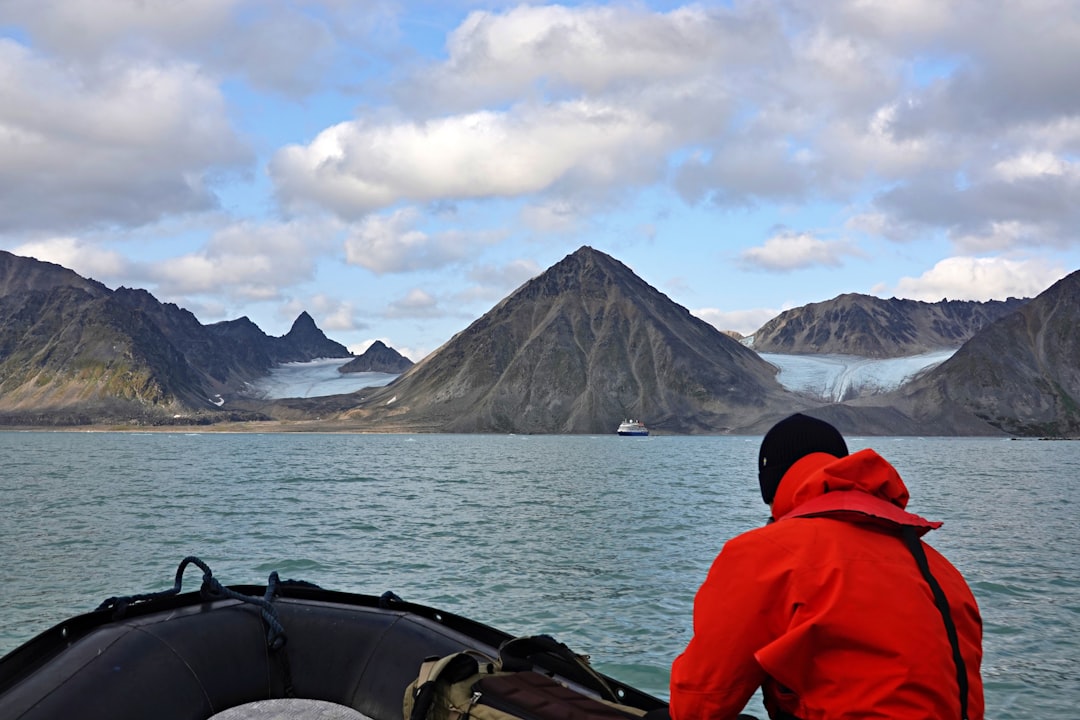
When you're booking an expedition, it's easy to get lost in the excitement of itinerary maps and luxury suite photos, but you really need to look at the ship as a clinical environment first. If you're serious about safety, start by asking if the operator performs documented forensic environmental swabbing of cargo holds and ventilation intakes before every departure; it’s a standard that separates the truly prepared from those just checking boxes. Don't be afraid to push for details on their medical facility, specifically if they have rapid-result PCR diagnostics on board, as common antigen tests are notoriously poor at catching zoonotic threats like hantavirus in those critical, early stages. You should also verify if they use third-party, independent auditors for pest management rather than just having the crew self-police, which, let's be honest, is a massive conflict of interest.
Beyond the pests, check if the vessel is equipped with HEPA-rated, medical-grade air filtration that can trap particles down to 0.3 microns, which is a game-changer for stopping aerosolized pathogens from circulating through your cabin. While you're at it, confirm if they actually have dedicated negative-pressure isolation cabins—not just a standard room they've cordoned off—because that's the only way to ensure the air you're breathing isn't recirculating from the rest of the ship. It’s also worth checking if they maintain active membership in the International Association of Antarctica Tour Operators (IAATO) and if they hold a current, independent safety certification that specifically covers infectious disease protocols. If an operator can't provide these details, they’re essentially asking you to gamble on their internal, and likely opaque, safety culture.
Finally, think about the logistics of getting home if things go sideways, specifically whether they have a pre-arranged, verified agreement with medical providers who understand how to handle respiratory distress without causing further harm through high-altitude pressure changes. Ask about their cold-chain management for provisions too, as rodent-proof packaging is a baseline requirement for avoiding cargo-borne contamination that can hide in food shipments. Look for companies that provide transparent, public reporting on medical incidents, as that level of honesty is a strong indicator they’re prioritizing your well-being over shielding themselves from liability. You’re the one spending the money and taking the risk, so don't feel bad about being the person who asks the tough, technical questions before you ever step foot on that gangway. It’s your health, and frankly, you deserve to know exactly how they’re protecting it before you leave civilization behind.
Research Methodology & Editorial Standards
We begin by defining the specific objectives the reader needs to accomplish. Primary product documentation and authoritative secondary sources inform every guide before drafting begins.
Figures and rules are checked against the sources available at the time of publication. Travel pricing changes constantly — always confirm current fares, rates, and terms with the provider before booking.