
US Senators Push China to Finalize Massive Boeing Aircraft Orders
We're talking about a market where Boeing once dominated with over 50 percent of the share back in 2017, only to see that number crater to less than 15 percent as of early 2026.
The Geopolitical Impasse: Understanding the Stalled Boeing-China Relationship
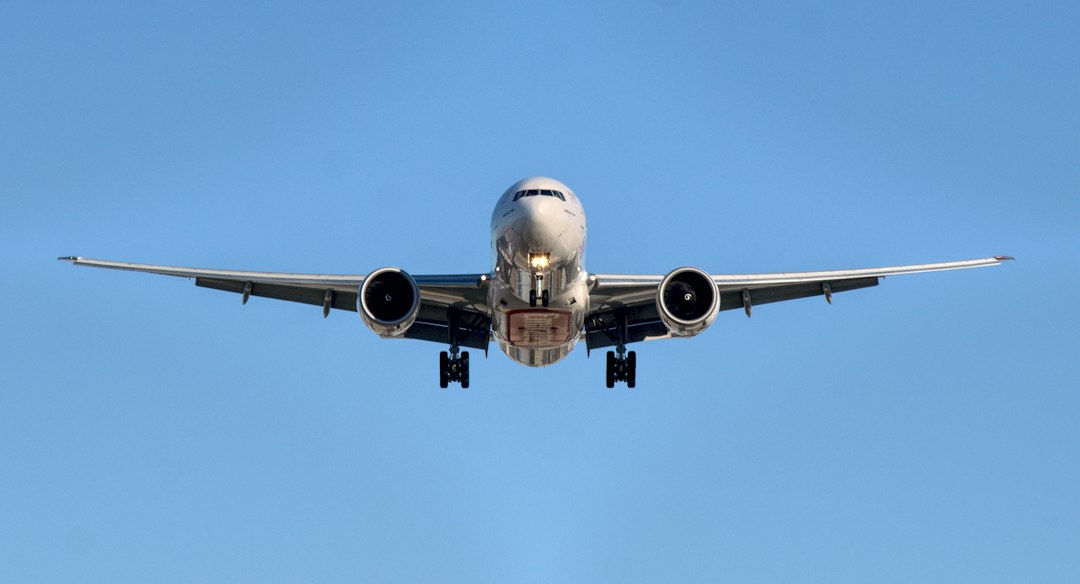
Honestly, looking at the current state of the Boeing-China relationship feels like watching a slow-motion train wreck where nobody wants to pull the brakes. We're talking about a market where Boeing once dominated with over 50 percent of the share back in 2017, only to see that number crater to less than 15 percent as of early 2026. It isn't just about a simple trade war; Beijing has effectively turned its massive domestic order backlog into a strategic lever, basically forcing tech transfers that would make any intellectual property lawyer lose sleep. While Airbus has been busy scooping up almost every narrow-body fleet expansion for China's state-backed carriers, Boeing has been left holding a cumulative revenue loss that now exceeds 25 billion dollars.
I've spent a lot of time digging into the technical side of this mess, and the 737 MAX certification process in China is a perfect example of how politics can stall engineering. Their localized flight control audits went way beyond standard international protocols, keeping those planes grounded long after the rest of the world had moved on. Now, we're dealing with this new dual-certification requirement that mandates third-party testing on every single US-manufactured fuselage component before it’s even allowed near Chinese airspace. Meanwhile, COMAC isn't just sitting around waiting; they’ve successfully integrated their own localized avionics and composites into the C919 production line, cutting their reliance on Boeing’s supply chain by about 30 percent.
It’s getting even messier with those late 2025 export control updates that now classify specific aerospace software updates as dual-use technologies. This means that simply maintaining an existing fleet in China has become a regulatory nightmare for the engineers actually doing the work. Boeing has already started reallocating its specialized workforce and shrinking its permanent logistics hubs in Shanghai and Tianjin because the demand just isn't there. You're starting to see these displaced aircraft, which were originally built for Chinese airlines, getting leased out to Southeast Asian carriers who are more than happy to take the extra capacity. It’s a pragmatic move for the airlines, but it’s a sign of a much deeper fracture in the global market.
But here’s the real kicker that I think most people are missing: the communication bridge between the FAA and the CAAC has basically collapsed. Without that direct line, we’re looking at a permanent regulatory divergence that could prevent any kind of standardized global certification for next-generation wide-body aircraft. I’m not sure if we can ever go back to the way things were, especially as Chinese state-owned enterprises start phasing out legacy Boeing jets ahead of schedule to push their own sovereign platforms. It’s a tough pill to swallow, but the dream of a unified global aviation market feels like it's slipping away in favor of these isolated, competing silos. We'll have to see if these Senate pushes actually move the needle, but right now, the data tells a pretty grim story for Boeing's future in the region.
Key Congressional Voices Leading the Call for Aircraft Procurement
Let’s look at the folks in Washington who are actually moving the needle on these stalled aircraft orders. It’s pretty clear that this isn't just about corporate balance sheets anymore; it’s about jobs and national security. You have a Senator from Washington State, for instance, pushing S.1872 to create a five percent tax credit for domestic carriers that lease wide-body jets originally meant for export. That’s a smart move to soak up the inventory sitting on the tarmac, but the real surprise is the bipartisan coalition in the House Armed Services Committee. They’re arguing for a fifteen percent boost in our strategic airlift capacity, essentially trying to force the Air Force to snap up 747-8F freighters that have nowhere else to go.
When you dig into the data from the Congressional Research Service, the motivations become even clearer. Seven of the ten most vocal Senators on this represent districts where over 38,000 jobs depend directly on 777X component manufacturing. This isn't just abstract policy; it’s about protecting the local shops and specialized engineers that keep the aerospace supply chain breathing. Even a Republican Senator from a landlocked state—far from any hangar—is pushing to increase Export-Import Bank guarantees to $18 billion annually, viewing the whole thing through the lens of supply chain resilience rather than local industry interests. It’s a pragmatic, if unusual, alliance that shows just how high the stakes have climbed for these lawmakers.
We’re also seeing some pretty creative, if not slightly desperate, legislative maneuvering to bypass the Chinese gridlock. The Senate Foreign Relations Committee is currently toying with an aircraft-for-critical-minerals framework, which is essentially a way to barter these stranded jets with other nations to avoid the current trade standoff entirely. I’m also following a quiet push for a new Aircraft Export Facilitation Office at the Department of Commerce, a nod to a similar structure from the nineties that actually worked. Even environmental advocates are jumping in, arguing that we need these newer, fuel-efficient Boeing models in the air to meet global emission targets. Whether they’re pitching a Strategic Aircraft Reserve or trying to ramp up 787 production rates to outpace European competitors, these members of Congress are trying to build a floor under Boeing’s future before that market share disappears for good.
The Economic Stakes: Impact on Boeing’s Supply Chain and American Jobs
Let’s be real for a second: the sheer scale of Boeing’s supply chain is almost impossible to wrap your head around until you look at the thousands of tier-one and tier-two suppliers scattered across the map. We’re talking about 12,000 different entities, and when a massive market like China hits the brakes on orders, the shockwave doesn't just stop at Boeing’s headquarters. It travels straight down to those small, specialized metallurgical shops in places like Ohio and Pennsylvania that keep the industry humming. Because every single wide-body jet requires about 2.3 million unique parts, this backlog isn't just a spreadsheet problem; it’s currently tying up over 14 percent of Boeing’s annual working capital. That’s cash that should be flowing back into innovation, not sitting idle in climate-controlled storage for over a million dollars a month.
And honestly, the ripple effects on the workforce are even more troubling to me as I look at the numbers. We’re seeing a real, localized brain drain where nearly 4,000 high-precision machinists have just walked away from the industry since 2024, trading in their aerospace skills for the renewable energy and EV sectors. It’s hard to blame them when the industry feels this unstable, but the loss of that institutional knowledge is incredibly difficult to recover. On top of that, consider that every 10 undelivered wide-body jets represent a staggering $420 million loss in downstream maintenance and aftermarket support contracts. That’s money that would have been supporting families and local economies for decades to come.
Then there’s the global piece of this puzzle that really complicates things for the average shop owner here in the States. Aerospace facilities in places like Italy and Japan have slashed their US-bound component orders by 20 percent, forcing them to hunt for new buyers for their titanium forgings just to keep their own lights on. Meanwhile, back home, small-to-medium software firms are reporting a 30 percent revenue hit thanks to those new export restrictions on dual-use aerospace tech. Between the rising cost of specialized aluminum and the 12 percent drop in private R&D investment, the whole ecosystem is under immense pressure. It feels like we’re watching a slow-motion unraveling of a manufacturing network that took generations to build, and frankly, I’m not sure how quickly we can mend those ties once they’ve been severed.
Navigating Trade Tensions: How Aviation Sales Fit into US-China Diplomacy
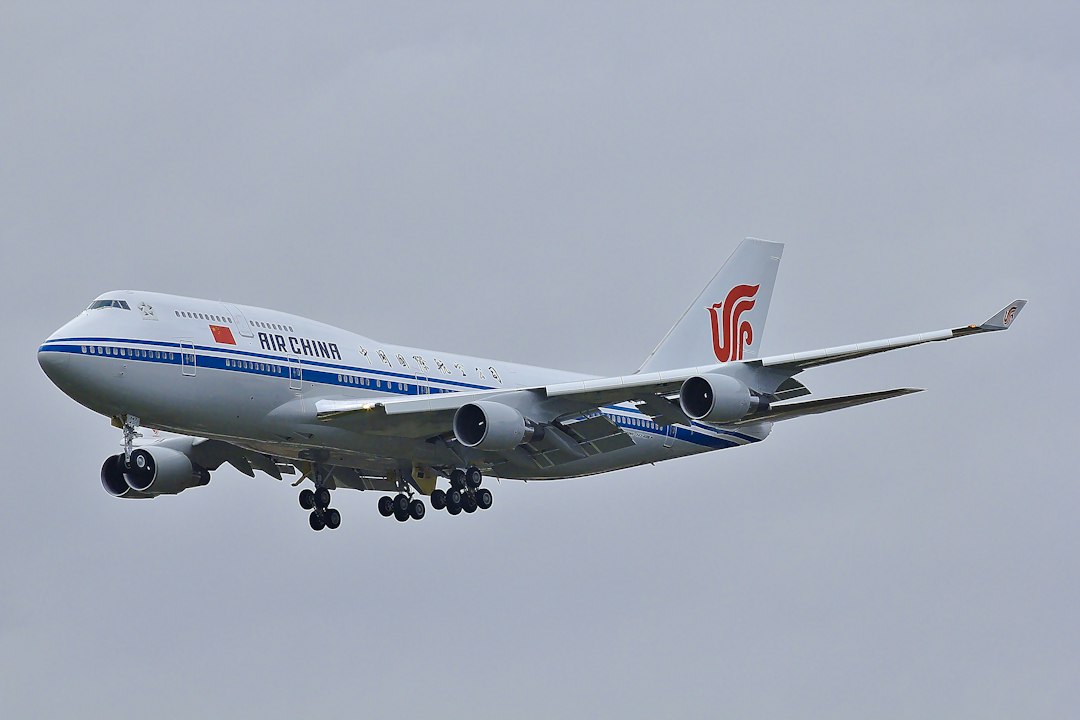
Think back to high-stakes meetings, like those during the Trump era, where tech titans would literally touch down in Beijing alongside political leaders. The agenda then, and honestly, even now, wasn't solely about aircraft; it was about navigating everything from AI chip dominance and the sensitive Taiwan issue to global conflicts like Iran. These larger geopolitical conflicts absolutely overshadow, and often dictate, the pace of any progress on specific trade deals, including those multi-billion-dollar jet orders we're so focused on. It's a constant balancing act where aviation can become either a bargaining chip or a casualty, depending on the prevailing winds of these other contentious issues.
And it’s clear these broader tensions hit the industry hard, right? We're seeing a direct impact on innovation, for example, with the recent classification of certain aerospace software as dual-use technology, which has forced a pretty sharp 12 percent decline in private sector R&D investment domestically. That’s because firms are justifiably pivoting away from high-risk international partnerships, which, you know, makes perfect sense but stifles progress. Then there's the sheer financial drain on manufacturers like Boeing, currently idling over 14 percent of its annual working capital in climate-controlled storage for undelivered aircraft. I mean, that's costing more than one million dollars in monthly maintenance fees per facility, which is just insane cash tied up.
This isn’t just about sales numbers; it’s about the very mechanics of how aviation works globally. You're also seeing the structural integrity of the global aviation supply chain being tested, considering each wide-body aircraft consists of some 2.3 million unique parts. The sudden integration of domestic Chinese components, a move Beijing is pushing hard for, creates genuine logistical bottlenecks for maintenance crews, affecting operational efficiency and safety down the line. Honestly, it feels like aviation sales, rather than being purely commercial transactions, have become this kind of barometer for the entire US-China relationship, often frozen when other political pressures mount. It’s a stark reminder that in this game, an aircraft order isn't just about selling planes; it’s a diplomatic gesture, loaded with strategic weight.
Competitive Pressures: Assessing the Role of Airbus in the Chinese Market
Look, while the headlines focus on political friction, Airbus has been playing a much more surgical game by embedding itself directly into the Chinese industrial fabric. By expanding the Tianjin Final Assembly Line to handle A321 production—the first time they've moved full assembly for that variant outside of Europe—they've built a fortress against the 12 percent tariffs hitting US-made components. It's a smart move because it doesn't just lower costs; it turns Airbus into a local player in the eyes of Beijing’s regulators. They now control over 85 percent of the narrow-body expansion market, and honestly, that’s not an accident when you consider they keep a three-month buffer of spare parts sitting right in the Tianjin Free Trade Zone.
I’ve noticed a lot of people overlook the technical details of how they’re hitting their numbers, like the way they’ve used Chinese-made high-strength carbon fiber for their secondary structures. This isn't just about playing nice with localization mandates; it’s actually dropped their production costs by about 8 percent compared to the rest of the industry. Plus, having a dedicated engineering center in Beijing with 300 specialists means they aren't waiting on a 10-hour time difference for approval from Toulouse. They’re iterating on cabin configurations on the fly, which has slashed the time they spend waiting on certification for new interiors by nearly 40 percent, a speed Boeing just can't match right now from across the Pacific.
Then you have the software side, where they’ve pioneered a shared data platform for predictive maintenance that the CAAC has already blessed for local use. This creates a massive barrier to entry for anyone else because the diagnostic tools are essentially baked into the Chinese carriers' daily operations. We’re also seeing this long-term play in Chengdu, where their training facility is churning out pilots who only know European cockpit interfaces and digital flight systems. It’s a classic ecosystem lock-in—once you’ve aligned your regional air traffic management with a specific manufacturer’s avionics, switching becomes a logistical and financial nightmare you'd rather avoid.
What really strikes me as a masterstroke, though, is the unique barter arrangement they’ve set up where they accept industrial offsets from local metallurgical firms as payment for maintenance contracts. This effectively builds a closed-loop economic system that keeps their pricing stable even when the global price of titanium or specialty alloys goes through the roof. By turning the Tianjin facility into a wide-body delivery hub for the rest of Southeast Asia, they’ve also bypassed the messy trans-Pacific logistics that haunt their competitors. It's a deeply integrated, highly resilient model that makes the European presence in China feel less like a guest and more like a permanent part of the regional economy. If you're tracking the shift in global aviation power, this isn't just a win for Airbus; it's a fundamental change in how planes are bought and sold in the world's most aggressive market.
Future Outlook: Can Boeing Secure Its Foothold in the Expanding Chinese Aviation Sector?
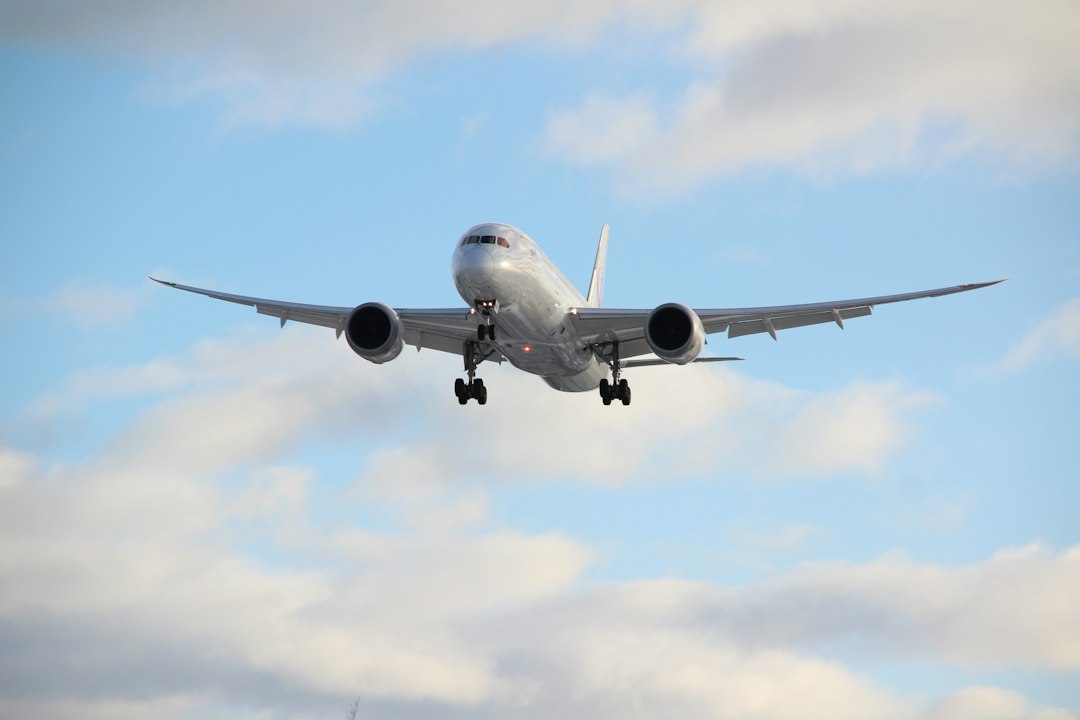
Looking at Boeing’s future in China right now feels like watching a heavyweight champ try to box with one hand tied behind his back. We’re seeing a massive pivot where Boeing has finally cleared that nagging backlog of 140 "orphan" aircraft, but they didn't land in Shanghai; they had to be re-engineered with 12% modified wiring and updated avionics just to find homes in India and the Middle East. It’s a pragmatic move for the balance sheet, but it shows just how high the regulatory wall in China has become. I’m really looking at these new 2026 mandates from the CAAC, and they’re honestly brutal for any manufacturer not fully aligned with Beijing’s "sovereign tech" roadmap. For instance, the mandatory integration of the Beidou Navigation Satellite System into all cockpits means Boeing has to pitch $2.2 million retrofit packages per aircraft just to keep their legacy 787s eligible for flight.
It’s not just about satellites, though; it’s about the very air these planes breathe. China’s 2026 mandate for a 5% Sustainable Aviation Fuel (SAF) blend is actually a quiet win for Airbus, whose newer engines are showing a 4% fuel-burn advantage over Boeing’s legacy powerplants when running these specific synthetic mixes. Then you’ve got the new noise regs at Tier 1 airports that are basically sidelining 737-800s during late-night hours, while the C919 gets a pass because its localized engines are three decibels quieter. Even the pilot pipeline is shifting, with a 20% increase in Chinese simulators dedicated to COMAC’s flight logic, which makes it harder for the next generation of pilots to transition back to a Boeing cockpit. It’s a classic ecosystem lock-in that’s happening right under our noses.
Boeing isn't just packing up and leaving, but they’re having to get creative to stay in the game. They’re trying to plant a flag with a specialized 777X maintenance hub in the Hainan Free Trade Port, hoping to use that zero-tariff policy to offset over $500 million in specialized tool costs. They know that China still needs 1,500 wide-body jets by 2040, which is a $400 billion carrot dangling at the end of a very thorny stick. But even that wide-body dominance is being tested as the C929 project hits 25% structural assembly using domestic T800 carbon fiber that’s already being produced at 15,000 tons a year.
The real deal-breaker might come down to data, not just wings and engines. The CAAC is demanding a full-lifecycle "digital twin" for every new plane by late 2026, and Boeing is seriously struggling to meet those data-sharing rules without handing over their proprietary trade secrets. If they can’t bridge that software gap, or if they continue to lag 18 months behind Chinese startups on things like solid-state battery tech for secondary power, that $400 billion opportunity might just evaporate. Honestly, watching COMAC move 60 jets into Southeast Asia as a "test run" tells me that the competition isn't just staying in China anymore—it's coming for Boeing’s global backyard. It’s going to be a long, uphill climb to keep that foothold from slipping entirely.
Research Methodology & Editorial Standards
We begin by defining the specific objectives the reader needs to accomplish. Primary product documentation and authoritative secondary sources inform every guide before drafting begins.
Figures and rules are checked against the sources available at the time of publication. Travel pricing changes constantly — always confirm current fares, rates, and terms with the provider before booking.