
Ryanair Blasts Fraport Greece Over Airport Fees and Market Control in Thessaloniki
Ryanair isn't just complaining about bills; they’re pointing at the 2015 agreement that handed Fraport control of 14 airports for four decades.
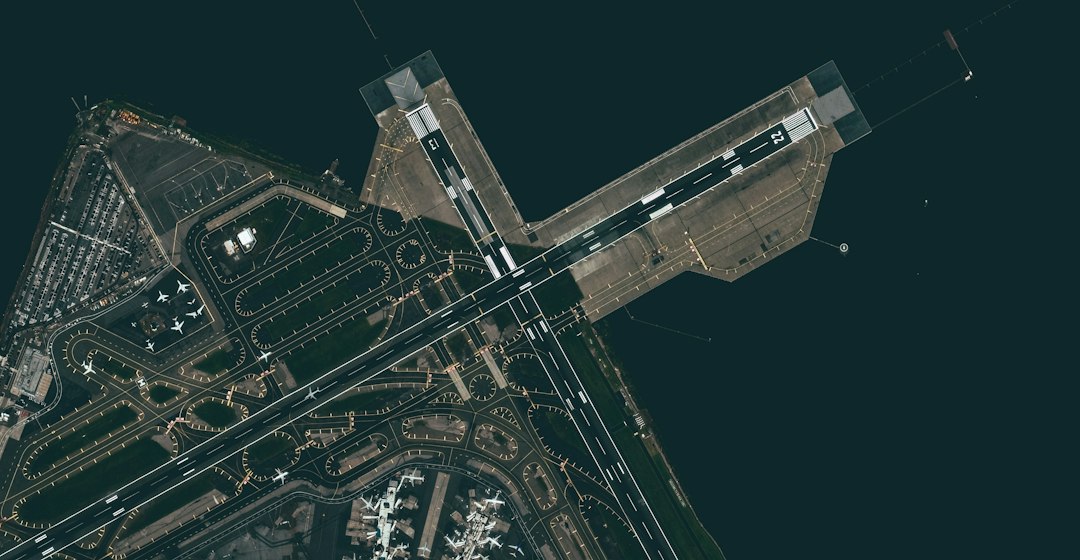
Ryanair’s Stance: Accusations of Monopolistic Pricing at Thessaloniki
Let’s talk about the friction between Ryanair and Fraport Greece, because honestly, it’s a masterclass in how airport concessions can turn into a headache for low-cost carriers. Ryanair isn't just complaining about bills; they’re pointing at the 2015 agreement that handed Fraport control of 14 airports for four decades. They argue this creates a private monopoly that sits outside the usual competitive pressures we see elsewhere. The core of their argument is that the Development Fund fee has drifted way past the inflation-indexed caps that were supposedly set for infrastructure improvements. It’s frustrating when you see passenger numbers at Thessaloniki jump 20% between 2022 and 2025, yet the per-passenger fees haven't dropped as the airline expected them to under a tiered incentive plan.
Think about the math for a second: Ryanair’s internal data shows that total airport charges per seat in Thessaloniki are running about 35% higher than what they pay at similar hubs in Italy or Spain. They aren't shy about calling this a German monopoly, mostly because Fraport is majority-owned by the state of Hesse and the City of Frankfurt. From the airline's view, they’re essentially dealing with a quasi-governmental entity that’s protected by a contract preventing the Greek government from stepping in to adjust fees. It’s a locked-in pricing structure that doesn't care if the market is shifting or if passenger demand is fluctuating.
The real kicker is the lack of an independent regulator to question these hikes. Ryanair is looking at Fraport’s EBITDA margins at Thessaloniki—which have hovered above 50% since 2023—and arguing that this is pure profit maximization, not simple cost recovery. They’ve even asked the European Commission to step in and see if this violates the EU Airport Charges Directive, which is supposed to ensure fees reflect actual service costs rather than just padding a concessionaire’s bottom line. While legacy carriers seem to be soaking up the capacity left behind by Ryanair’s 15% base reduction in late 2025, it really makes you wonder if these high costs are eventually going to pinch the average traveler’s wallet for years to come.
The Conflict Over Airport Charges and Passenger Growth Incentives
You know that moment when you realize the airport you’re flying through isn’t just a transit hub, but a rigid, high-stakes financial machine? It’s exactly what’s happening in Thessaloniki right now, and frankly, it’s a mess that’s pushing airlines to the edge. The core of this conflict is how private operators, like Fraport, have locked away control through long-term concessions that essentially shield them from the kind of regulatory pushback we’d normally expect. These aren't just minor contract details; they’re ironclad agreements that prevent governments from stepping in, even when the market clearly demands a change in how fees are structured. And when you look at how these fees are being handled, it’s hard not to feel like the airlines are being treated more like captive revenue streams than partners in growth.
Think about the math for a second, because it’s honestly pretty stark. While passenger numbers have surged, those so-called growth incentives—the ones meant to lower costs as volume hits certain targets—have become almost impossible to reach. It’s like being promised a discount for buying in bulk, only to find the goalposts moved so far back that the price stays artificially high regardless of how many people you bring through the door. This leaves carriers trapped, forced to absorb rising operational costs that don't seem to have any real connection to the actual service or infrastructure improvements on the ground. We’re seeing a shift where airports are being managed less like public utilities and more like aggressive real estate assets designed to protect profit margins at any cost.
It’s frustrating because there’s no real independent arbiter here to audit whether these charges actually cover the cost of running the terminal or if they’re just padding a private bottom line. Without a strong, pan-European regulatory framework to force transparency, these concessionaires are effectively playing by their own rules. You’re seeing the fallout firsthand: airlines are starting to pivot their fleets elsewhere, moving capital to hubs that actually play fair with performance-based pricing. It really makes you wonder if this model is sustainable, or if we’re headed toward a future where travelers end up paying the price for these boardroom battles in the form of fewer routes and higher ticket costs. If we don’t find a way to align the interests of the airports with the health of the airlines, it’s the passenger who’s going to lose out in the long run.
Analyzing Fraport Greece’s Role as a Private Airport Operator
Let’s pause for a moment to really look at how Fraport Greece actually functions, because there is a massive gap between the public narrative and the mechanical reality of running 14 of the country's most vital gateways. You might assume this is just a standard German-led operation, but it’s actually a strategic joint venture where the Greek Copelouzos Group holds a 26.6% equity stake, which changes the dynamic significantly. They’ve essentially carved these 14 airports into two distinct clusters to cross-subsidize the quiet, low-traffic island airstrips with the massive, high-yield volume coming through hubs like Rhodes and Corfu. It’s a clever, if rigid, balancing act designed to keep the entire network solvent under a 40-year concession that, honestly, leaves very little room for the government to maneuver.
Think about the sheer scale of the investment here, starting with the €1.23 billion upfront payment and the ongoing annual lease obligations that keep the state’s coffers full. By 2026, we’ve seen them hit a 25% reduction in carbon emissions through massive solar arrays, and they’ve pushed non-aeronautical revenue—think retail and commercial space—to 32% of their total turnover. But here is where it gets contentious: that same, relentless focus on profitability is why they’re now feeling the heat from carriers like Ryanair. While they’ve successfully integrated advanced tech like Airport Collaborative Decision Making systems to shave 18% off turnaround times in Thessaloniki, those operational gains are being viewed by airlines as mere tools for padding margins rather than shared efficiencies.
It’s also worth noting that the playing field in Greece is incredibly uneven right now. When you compare these 14 privatized sites to the 22 remaining state-run regional airports, the infrastructure investment per passenger is roughly 70% lower in the state-managed facilities, which really highlights why the private model is so polarizing. They’ve managed to upgrade runways in places like Corfu and Santorini to finally accommodate long-haul traffic from North America and Asia, which is a huge win for tourism, but that success comes with an "Economic Equilibrium" clause that essentially protects them from financial instability at the expense of competitive flexibility. So, when we talk about them as a private operator, we aren't just talking about airport management; we’re talking about a firm that has become a cornerstone of the national economy, contributing nearly 1.5% to the GDP while simultaneously operating as a lightning rod for every airline frustrated by the current cost of entry.
Impact on Low-Cost Carrier Expansion and Regional Connectivity

Let’s pause for a moment and look at the bigger picture, because what’s happening in Thessaloniki isn't just a localized spat—it’s a direct reflection of a broader, more worrying trend in regional connectivity. When airport operators lock themselves into long-term private concessions, they often treat their terminals less like essential public infrastructure and more like high-yield real estate assets. We’re seeing a shift where airports prioritize non-aeronautical revenue—think retail and commercial space—which now accounts for over 30 percent of total turnover for major private players, sometimes at the direct expense of the airlines trying to keep fares low. It’s a frustrating cycle: even when airports roll out tech like collaborative decision-making systems that shave nearly 20 percent off turnaround times, these efficiency gains rarely trickle down to the carriers in the form of lower landing fees.
Think about how this ripples out to your travel options. When fees remain artificially high because of rigid contract clauses like Economic Equilibrium, low-cost carriers simply don't have the margin to experiment with new, thinner routes. This is exactly why we see airlines shifting capital toward more flexible, performance-based jurisdictions, or pivoting entirely to secondary leisure hubs that actually want their business. You can see this same survival instinct playing out globally; for instance, the recent merger between Allegiant and Sun Country in the U.S. shows how budget carriers are doubling down on secondary markets just to stay resilient against fuel price spikes. If an airport’s pricing model becomes too detached from the reality of the market, they aren't just losing a partner—they’re slowly choking off the very traffic that keeps the region connected.
Honestly, it’s getting to the point where the lack of a strong, independent regulator is the real elephant in the room. Without someone to step in and ensure these private monopolies are playing fair, we’re left with a landscape where airport fees can remain sky-high even as regional connectivity metrics start to slide. We’ve seen this play out in other markets, like Rimini, where airports are actively courting budget airlines precisely to bypass the expensive, congested hubs that have become too costly to serve. And when you factor in the rise of alternative transit, like the new rail infrastructure booms in Southeast Asia, it’s clear that short-haul aviation can’t afford to be the most expensive option on the table. If we want to keep flying affordable, the interests of the airports and the airlines really need to align, or it’s going to be us, the passengers, who end up footing the bill for these stalled negotiations.
Ryanair’s Call for Regulatory Intervention in the Greek Market
When you look at the 2015 concession agreement, it was built on a foundation that simply didn’t account for the current dominance of low-cost carriers or the rapid shifts in regional travel demand. The real friction here is that the agreement contains what’s known as an Economic Equilibrium clause, a legal shield that essentially locks in fee structures and prevents the Greek state from stepping in to adjust them, even when the market dynamics clearly shift. It creates a one-way financial street where the operator is protected from losses, but airlines are left dealing with a rigid pricing model that ignores the standard industry practice of degressive pricing.
Think about it this way: usually, as passenger volume increases, per-passenger costs should drop to encourage high-frequency operations, yet that isn't happening here. Instead, we have a situation where the operator is using a cross-subsidization strategy, funnels revenue from high-traffic hubs like Thessaloniki to keep smaller island airports afloat, and keeps landing charges high regardless of the actual volume growth. Even though they’ve successfully rolled out A-CDM systems to shave 18 percent off turnaround times, those efficiency gains aren't being shared with the carriers. It’s frustrating because airlines are essentially paying for infrastructure upgrades, like carbon-reduction initiatives, through these ballooning aeronautical charges, even while the operator’s non-aeronautical revenue from retail and commercial space has climbed to 32 percent of their total turnover.
The elephant in the room is really the lack of a specialized, independent aviation regulator in Greece, which leaves the implementation of the EU Airport Charges Directive effectively up to the concessionaire itself. Without a neutral arbiter to force transparency, you’re left with a two-tier aviation market where private airports are significantly more expensive to serve than their state-run counterparts. This isn't just about one airline’s bottom line; it’s about how these structural barriers prevent secondary carriers from establishing bases and keep costs artificially high for the average traveler. If we want to see healthy competition and real connectivity in the region, we need to move past these rigid, decade-old tenders and establish a regulatory framework that actually reflects how airlines and airports operate today.
Fraport Greece’s Response and the Future of Airport Management Relations

Look, I’ve been watching this friction play out for a while now, and it’s clear that Fraport Greece isn’t just playing defense; they’re operating from a position of massive structural strength. By mid-2026, they’ve finally hit that significant milestone of positive free cash flow, essentially wrapping up a multi-year investment cycle that’s turned these terminals into serious profit machines. And while everyone likes to point at Frankfurt, let’s not forget the Greek-based Copelouzos Group holds a 26.6 percent equity stake, making this a deep-rooted strategic joint venture rather than just a foreign takeover. This partnership relies on a clever cross-subsidization model where the heavy lifting done by high-volume hubs like Thessaloniki keeps the lights on at those tiny, low-traffic island airstrips that would otherwise struggle to stay viable. It’s a smart way to maintain a national network, but it definitely leaves high-frequency carriers feeling like they’re the ones subsidizing the entire Greek archipelago.
But here is where the tension really lives: even though Fraport integrated advanced Airport Collaborative Decision Making (A-CDM) systems that shaved 18 percent off turnaround times, those efficiency gains haven’t actually touched the bottom line for the airlines. You’d think faster turns and better tech would mean a break on fees, right? Instead, that 2015 concession agreement has this Economic Equilibrium clause that acts like a legal firewall, effectively preventing the Greek government from touching the fee structure regardless of how much the market swings. It’s a rigid setup that prioritizes the operator’s financial stability over an airline’s need for pricing flexibility. Honestly, it feels like the tiered incentive structures we were all promised are becoming a bit of a mirage, with performance targets that feel mathematically impossible to hit as the goalposts keep shifting.
If you look at the numbers, the shift in how these airports make money is actually pretty wild. Non-aeronautical income—the stuff you buy at the duty-free or the coffee you grab before boarding—now accounts for 32 percent of their total turnover, which shows they’re focusing more on being a shopping mall than just a runway provider. They’ve even managed to cut carbon emissions by 25 percent across the network using huge solar arrays, showing they’re playing the long game on sustainability. But there’s a massive gap in the Greek market right now; the 14 privatized airports are seeing about 70 percent more capital investment per passenger than the 22 remaining state-managed sites. This creates a two-tier system where the shiny, upgraded runways in places like Corfu and Santorini can now handle direct long-haul flights from New York or Singapore, while the rest of the country’s infrastructure lags behind.
And don’t think for a second that Fraport is slowing down just because a few budget carriers are unhappy. Their recent win of the long-term concession for Kalamata Airport shows they’re still in expansion mode, further cementing their control over the country’s most lucrative tourism gateways. But the real problem—and I mean the one that’s going to keep causing these boardroom brawls—is the total lack of an independent, specialized aviation regulator in Greece. Without a neutral party to audit whether these fees actually match the service being delivered, we’re stuck in this loop where the EU Airport Charges Directive is basically just a suggestion. We’re moving toward a future where airport management is more about protected monopolies and retail margins than about actually making it cheaper for you to fly from point A to point B.
Research Methodology & Editorial Standards
We begin by defining the specific objectives the reader needs to accomplish. Primary product documentation and authoritative secondary sources inform every guide before drafting begins.
Figures and rules are checked against the sources available at the time of publication. Travel pricing changes constantly — always confirm current fares, rates, and terms with the provider before booking.