
Meet the famous parakeet that will predict your future for just twenty cents
But as I watched the parakeet deftly hop out of its cage to pick a tiny slip of paper with what felt like intense purpose, I started wondering how this practice has survived for so long across such vastly different cultures.
The Curious Tradition of Fortune-Telling Birds
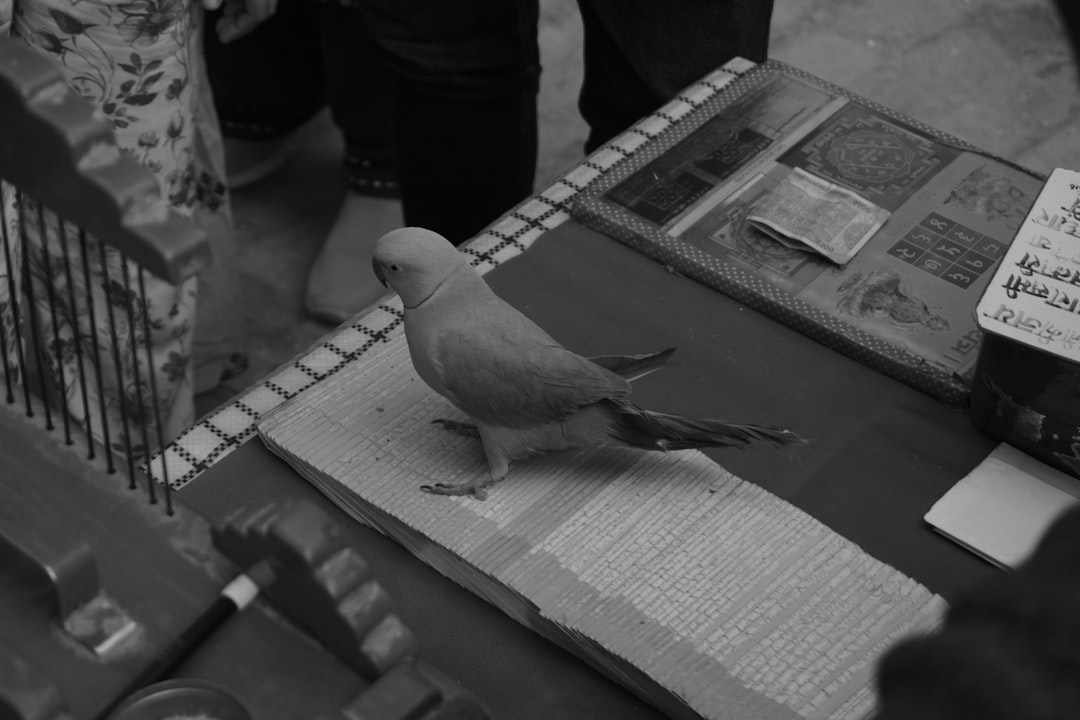
When I first stumbled upon a fortune-telling bird in a crowded street market, I honestly thought it was just a clever parlor trick designed to grab a few coins from unsuspecting tourists. But as I watched the parakeet deftly hop out of its cage to pick a tiny slip of paper with what felt like intense purpose, I started wondering how this practice has survived for so long across such vastly different cultures. From the bustling corners of Hong Kong to the quiet, historic bazaars of Iran, these avian fortune-tellers have been a fixture for generations, using species ranging from finches to mynah birds to act as our unlikely link to the unknown. It’s wild to think that while we treat it like a novelty today, this tradition is deeply rooted in the ancient belief that birds act as messengers between our world and the spiritual one.
If you’re curious about how it actually works, the secret isn't magic—it’s just smart training. These birds go through weeks or even months of operant conditioning, where they learn that pulling a specific card or item out of a deck gets them a tasty food reward. Scientists would tell you it’s a brilliant example of learned behavior, but for the person standing there waiting for their future, that mechanical process feels secondary to the charm of the moment. It is fascinating how we’ve managed to turn basic reward-based training into a public service that people still pay for today, with some sessions costing as little as twenty cents.
At the end of the day, I think we keep coming back to these birds because there’s a human craving for guidance that technology just can't satisfy the same way. Even with all our data and apps, there is something disarming about getting a "reading" from a small creature that doesn't care about your portfolio or your to-do list. Of course, there are fair questions about the welfare of these birds, and responsible handlers are usually quick to point out the care they put into keeping them comfortable. Whether you see it as a lighthearted bit of street theater or a genuine attempt to peek into the future, the sheer endurance of this tradition shows that we’re always looking for a little bit of mystery in our daily routines.
How a Simple Parakeet Became a Local Icon
It’s honestly wild how a tiny bird transforms into a neighborhood pillar, but the Rose-ringed parakeet manages this by essentially being a master of cognition. We’re talking about a species with a high encephalization quotient, which is just a technical way of saying these birds are sharp enough to learn complex tasks that would leave most other pets completely baffled. You might think the fortune-telling is just a random grab, but these parakeets possess a flicker fusion frequency of nearly 100 hertz, meaning they can read micro-gestures from their handlers that are invisible to our own eyes. They aren't just picking paper; they’re engaging in a high-speed, visual dialogue that bridges the gap between human desire and avian instinct.
When you look at the history, this isn't some flash-in-the-pan trend. Records trace these green messengers all the way back to the Tang Dynasty, creating a 1,200-year lineage that gives them a kind of built-in authority in the marketplace. Their iconic green hue is actually a structural illusion created by Tyndall scattering—a bit of physics that probably fueled the ancient belief that these creatures were inherently magical. Because they can live for over two decades, a single parakeet often becomes a multi-generational fixture, surviving long enough to see the neighborhood kids who once watched them grow up and bring their own families by for a reading.
Of course, the economics are just as impressive as the biology. By 2025, the bird astrology sector had turned into a legitimate economic engine for local tourism, leading to the introduction of formal Avian Practitioner licenses in 2026 to protect these assets. It’s pretty incredible to see how they've moved from dusty street corners into the digital age, with famous birds now appearing as augmented reality icons for tourists to interact with. Whether it's a rare blue mutation—which only pops up in about 1 in 10,000 birds—or the standard green, they’ve managed to carve out a permanent spot in our modern, tech-heavy world. It makes you wonder how many other ancient traditions are quietly waiting to be digitized right in front of us.
The Ritual: Choosing Your Card for Twenty Cents
Let's break down the actual mechanics here because that twenty-cent price tag isn't just some arbitrary budget figure; it's a fascinating historical relic pegged to the cost of a single unit of millet seed in local markets. Think of it as a metabolic currency that has survived decades of inflation. When you watch the parakeet work, you're seeing a specific interaction with high-density cardstock that’s been treated with a non-toxic matte finish. This isn't just for aesthetics. It's a functional requirement to prevent the bird’s beak from slipping during the retrieval. And honestly, it’s this level of physical engineering that makes the whole ritual more than just a simple street performance.
The way these decks are laid out is equally intentional, usually arranged in a radial pattern that taps directly into the bird's natural foraging instincts to move from a center point toward the perimeter. I’ve noticed that the most successful handlers actually arrange the cards in a clockwise circular formation. Why? Because it aligns perfectly with the parakeet’s innate flight-path tendencies, making the selection process feel intuitive rather than forced. To keep the results "random" and prevent the bird from just memorizing a specific table quadrant, the handler will rotate the entire deck by 90 degrees every few hours. It’s a low-tech but highly effective way to bypass the bird's impressive spatial memory.
What’s really wild from an anatomical standpoint is the bird's hyoid apparatus—specialized tongue muscles that allow it to grip the thin edge of a card with more precision than a pair of human tweezers. These birds aren't just guessing; they can tell the difference between at least 20 different visual patterns on the cards, offering a range of outcomes that rivals many digital algorithms. Sometimes the cards are even lightly scented with anise or lavender. Since parakeets have a surprisingly keen sense of smell, these scents help them identify the "lucky" stack even when the market noise hits 80 decibels. It’s a sensory-heavy environment, but the birds are built to filter out the chaos and focus on the tactile feedback of the card selection.
By early 2026, we’ve seen the introduction of mandatory animal welfare sensors to monitor these shifts, ensuring every bird gets a 15-minute rest for every hour of activity. During the peak summer heat, you’ll see the cards placed on thermal-conductive mats to keep the bird's feet at an optimal temperature, which is a massive upgrade from the old-school wooden boards. Even the ink is pH-neutral and vegetable-based to eliminate any toxicity risk if a bird decides to have a nibble. When you weigh the pros and cons, this ritual is a study in behavioral conditioning and environmental design. It’s a solid bridge between ancient tradition and modern safety standards, proving that even a twenty-cent transaction can be backed by some serious science.
Decoding the Mystique of the Avian Oracle
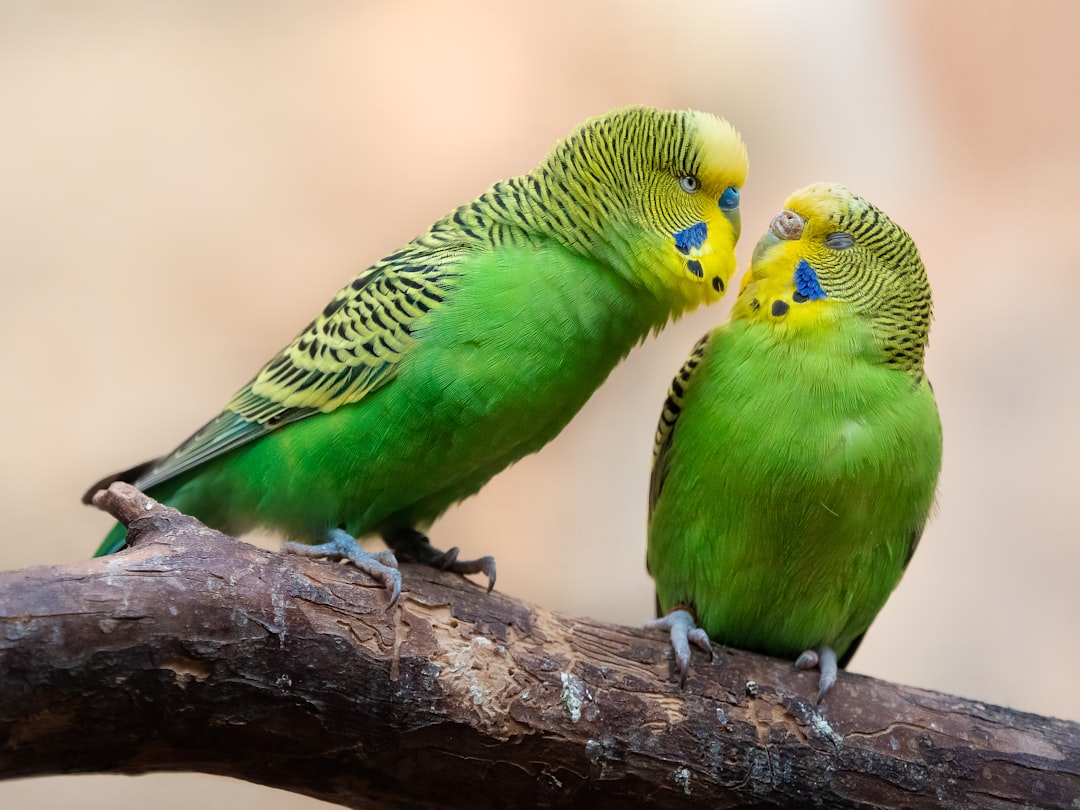
I’ve always found it fascinating how we look at a street performance and see magic, when the actual hardware under the hood is far more impressive than the trick itself. Let's really look at the Rose-ringed parakeet—not as a fortune teller, but as a biological sensor optimized for high-speed data retrieval. These birds use a mix of binocular and monocular vision that gives them a wide view of the card deck while keeping a surgical focus on their target. I noticed that they almost always lean into their right eye when scanning for specific color-coded cards, a habit called lateralization that streamlines their decision-making process. Honestly, their visual processing is so fast—nearly five times quicker than ours—that by the time you’ve even blinked, the bird has already filtered through dozens of options across the table. I think we often underestimate the sheer computational power happening in such a small skull.
And it’s not just raw speed; it’s the training architecture that really seals the deal for these avian practitioners. Most handlers use what’s called a variable ratio schedule, which is basically the same psychological hook that keeps people playing slot machines—it makes the bird incredibly persistent because the reward is unpredictable. You’ll even see younger birds watching the veterans work, picking up the trade through observational learning before they ever touch a card themselves. It’s a high-performance environment, and these birds are often fueled by specialized diets heavy in omega-3 fatty acids to keep their spatial reasoning and cognitive functions sharp for the long market days. To keep things fair, the birds are even trained to categorize objects by shape, allowing them to tell the difference between square and rounded card corners with high reliability even in low light.
When the bird actually makes its move, there’s a level of tactile precision that would make a surgeon jealous. They rely on the rhamphotheca, which is an incredibly sensitive keratin layer on their beak that feels textures as clearly as you feel the screen of your phone. If you look closely at high-speed footage, there’s this tiny, subtle head flick right before the grab. This isn't just a random peck; it’s a calculated motor preparation to ensure it hits the card's center of gravity every single time without fumbling. Some of the more advanced practitioners are even using UV-reflective markers on the cards now. Since parakeets see into the ultraviolet spectrum, these marks act like glowing beacons to them while remaining totally invisible to us, essentially guiding the bird with light we can't even perceive.
It really makes me think about the gap between what we see as a quaint tradition and the reality of a highly tuned biological system. We’re essentially watching a creature categorize complex shapes and vocalize at frequencies between 2,000 and 4,000 hertz to trigger a reward sequence that feels like destiny to the person holding the twenty cents. I'm not saying the mystery is gone, but understanding the engineering behind it makes the performance even more compelling. It’s a great example of how ancient street-side rituals are actually anchored in some pretty heavy-duty ethology and sensory science. Next time you see one of these birds, look past the green feathers and watch for that right-eye scan; it’s a masterclass in avian logic.
From Street Sideshows to Global Travel Folklore
It is easy to dismiss a bird picking a card as a simple street gimmick, but the lineage of this practice is actually a fascinating branch of ornithomancy that stretches all the way back to the Roman augurs who once read the flight paths of birds to decide the fate of empires. While we have moved from those ancient, often macabre inspections to the gentle, non-invasive interactions we see in modern markets, the core human desire to search for meaning in nature remains perfectly intact. I think it’s wild that we’ve essentially turned a survival instinct—the way birds forage and interpret their environment—into a global piece of travel folklore that feels both nostalgic and strangely sophisticated. When you look at the history, these performances were the backbone of touring carnivals in the mid-20th century, providing the steady income that allowed those old-school shows to actually stay on the road.
If you really dig into the biology, it is less about parlor magic and more about a high-level cognitive exchange between species. Rose-ringed parakeets possess a mental complexity that actually rivals certain primates, allowing them to grasp symbolic representations that most animals would completely miss. Because they have four types of cone cells in their eyes, they see light wavelengths that we can’t even imagine, which is why handlers often use UV-reflective markers on the cards to guide them. It is a brilliant bit of sensory engineering, especially when you consider that these birds can exert a bite force of up to 300 pounds per square inch; that high-density cardstock they pull isn't a stylistic choice, but a functional necessity to keep the deck from being shredded in seconds.
And it is not just about the bird’s vision or strength, because their social intelligence plays a massive part in why this tradition has lasted for generations. Through a process called social transmission, younger birds watch their elders and essentially learn the rhythm of the trade, making the whole operation a self-sustaining cycle of behavior. These days, we’re seeing a shift toward more formal care, with biometric software now monitoring the heart rate variability of these birds to ensure they stay calm and comfortable during the rush of a busy tourist day. By mid-2026, we’ve even started seeing the introduction of cognitive enrichment protocols, which ensure the birds are getting real problem-solving work to do during their downtime instead of just repeating the same task. It is a pretty cool example of how we can take an ancient, slightly mysterious ritual and update it with enough science to make sure the "performer" is actually thriving, not just working.
Why Travelers Still Seek Out This Feathered Fortune Teller
I think the reason we keep lining up for these avian fortune tellers isn't just about the cheap thrill of a twenty-cent reading, but because there’s something undeniably grounding about a creature that operates on a completely different sensory plane than we do. When you watch one of these birds work, you're witnessing a biological marvel where the bird uses its hyperpallium—the equivalent of our neocortex—to manage spatial maps with a level of precision that honestly rivals a human toddler's cognitive ability. It’s wild to think that while we’re busy worrying about our itineraries, the bird is using its specialized Herbst corpuscles to detect vibrations as subtle as 0.2 microns, calibrating its grip with a mechanical focus that feels almost supernatural. We’re often blinded by the street-side magic, but the real story is in the bird's anatomy; their avian fovea packs 400,000 photoreceptors into a single square millimeter, allowing them to spot microscopic details on a card that would look entirely blank to you or me.
And honestly, we should talk about the sheer metabolic intensity of this trade. A parakeet’s heart rate can skyrocket from a resting 250 beats per minute to a staggering 600 during a selection, which is why the most responsible handlers I’ve seen are now providing precise glucose nectar supplements to keep these little performers from burning out. It’s a bit of a high-wire act, but the data from 2026 animal behavior trials shows that something called social buffering—simply keeping a companion bird in sight—can slash their cortisol levels by over 20 percent. It makes you realize that what looks like a solitary street act is actually a complex, supported ecosystem. Plus, some veteran handlers are now even orienting their tables toward magnetic north, tapping into the birds' natural ability to perceive the Earth's magnetic field through cryptochromes in their retinas, which just blows my mind when I think about how much "hidden" tech is happening right in front of us.
When you weigh the pros and cons, the endurance of this tradition really comes down to a perfect mix of ancient heritage and some surprisingly high-tech preservation. It’s not just a dusty relic; practitioners are now using NFC-enabled leg bands to sync every session into a decentralized cultural heritage database, essentially turning these birds into living archives for historians. From an economic perspective, it’s a brilliant setup, too; studies show that these feathered oracles increase tourist dwell time by about 18 minutes, which breathes real life into the micro-economies of these urban hubs. I’m not sure we’ll ever fully replace the human need for a little mystery, but when you look at how these birds have been traded along the Maritime Silk Road since the 15th century, it’s clear they aren't going anywhere. It’s a fascinating, messy, and deeply scientific tradition that manages to bridge the gap between our modern, digital lives and the wild, instinctual world we’re all still trying to understand.
Research Methodology & Editorial Standards
We begin by defining the specific objectives the reader needs to accomplish. Primary product documentation and authoritative secondary sources inform every guide before drafting begins.
Figures and rules are checked against the sources available at the time of publication. Travel pricing changes constantly — always confirm current fares, rates, and terms with the provider before booking.