
How to plan the ultimate luxury wine escape in Burgundy
Getting from Paris to the heart of Burgundy isn't just about moving from Point A to Point B; it’s about choosing the right pace for a transition into a different world.
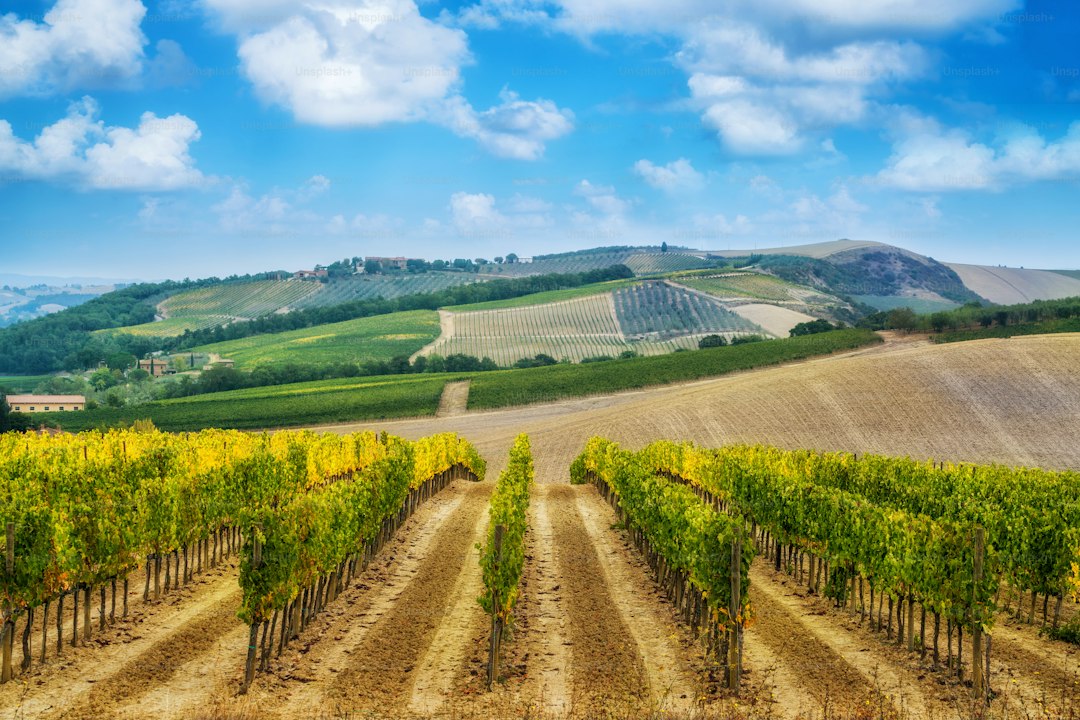
Crafting the Perfect Itinerary: Getting to Burgundy from Paris
Getting from Paris to the heart of Burgundy isn't just about moving from Point A to Point B; it’s about choosing the right pace for a transition into a different world. If you’re like me, you want to spend your time tasting Pinot Noir, not staring at brake lights on the A6 autoroute. The reality is that the train is the undisputed champion here, specifically the TGV from Gare de Lyon to Dijon. By hopping on a high-speed rail, you’re covering those 315 kilometers in just about 95 minutes, hitting speeds that make the countryside blur into a green streak. Honestly, it’s a no-brainer when you compare the carbon footprint—roughly 2.4 kilograms of CO2 per passenger on the train versus nearly 100 kilograms if you opt for a private sedan.
Now, I know some of you might be tempted by the idea of a private chauffeur, but you’ve got to be careful with the timing. That A6 "Autoroute du Soleil" is a beast, especially during summer cycles when it sees over 100,000 vehicles a day. If you absolutely have to drive, do yourself a favor and hit the road before 7:00 AM or wait until after 7:00 PM to dodge the worst of the congestion. Also, keep in mind that renting a car can get tricky; dropping a rental in a secondary hub like Beaune or Dijon often triggers some hefty logistical surcharges that might catch you off guard. If you’re really pressed for time and the budget isn't a concern, helicopter transfers are technically an option, cutting the trip down to 50 minutes, though you'll be navigating some pretty strict flight regulations around those beautiful heritage zones.
Once you arrive in Dijon, the journey into the actual wine-growing valleys of the Côte de Nuits or Côte de Beaune requires a bit more intentionality. You’re likely headed toward the D974, which follows that historic royal route between Paris and Lyon, but don't assume the transit is seamless once you leave the main station. Many of the smaller, dreamy vineyard towns like Meursault or Puligny-Montrachet don't have the high-frequency shuttle services we’re spoiled with in Paris. You really need to pre-book a taxi or arrange for a local transfer ahead of time, because relying on the spot is a recipe for standing around on a quiet platform waiting for a ride that might not come. I always recommend starting your trip by using the Business Première lounge at Gare de Lyon; the fast-track boarding there saves you from the terminal chaos and starts the trip off on a much more relaxed note.
Selecting the Finest Vineyards for Exclusive Tasting Experiences
When you’re planning a trip to Burgundy, it’s easy to get overwhelmed by the sheer number of labels, but let’s be honest: not every cellar door offers the same caliber of insight. The limestone-rich soil of the Côte d’Or is composed of distinct geological layers from the Jurassic period, and those nuances dictate everything about the mineral profile of the wines you’ll taste. I always tell people to prioritize vineyards situated on the middle slope of the escarpment, as that specific elevation provides the drainage and sun exposure needed for grapes to hit perfect phenolic maturity. When you’re picking an estate for an exclusive experience, look for those practicing minimal intervention, as they’re the ones truly preserving the micro-flora indigenous to their specific plot of land. Honestly, the difference between a village-level wine and a Grand Cru often comes down to a variance of just a few meters in altitude, which significantly shifts the diurnal temperature range for the vines.
Many of these top-tier estates are still family-owned and operate on a rigid allocation system, which means you’re rarely going to find them on a standard tourist map. You’ll often need a personal introduction or a high-end concierge to open those doors, but trust me, it’s worth the extra effort. I’d suggest inquiring about the age of the vines during your outreach; those exceeding forty years generally produce lower yields, but you’ll find a level of concentration and complexity that younger plantings simply can’t match. It’s also worth noting that the best tasting experiences almost always happen in the grower’s own cellar rather than a polished showroom. That’s where you get the real, unfiltered history of the terroir.
If you really want to geek out on the process, check if the estate adheres to organic or biodynamic principles. Estates that follow these methods often show higher soil biodiversity, which most serious sommeliers argue imparts a much more vibrant character to the final vintage. You might even find that planning your visit around the lunar calendar is beneficial, as many top-tier vignerons actually coordinate their cellar work and tasting windows with those cycles. Just remember that these premium estates strictly limit daily visitor numbers to protect their sensitive, temperature-controlled environments. If you want to be sure you're backing responsible producers, prioritize those with HVE Level 3 environmental certification; it’s a solid indicator that the winery is committed to rigorous biodiversity and water management standards while you enjoy your pour.
Checking Into Elegance: Luxury Vineyard Stays and Boutique Châteaux
Choosing where to rest your head in Burgundy can feel just as high-stakes as picking the right vintage for your cellar. When you're looking for that perfect balance between history and modern comfort, you'll find that many of the most elite château hotels carry the Monument Historique designation. This means you’re often sleeping under 17th-century oak beams or within medieval stone vaults that have been painstakingly preserved. It’s a delicate dance; owners have to maintain these structural marvels while upgrading them with modern necessities like geothermal heating that keeps you cozy without damaging the ancient masonry. I’ve noticed that the best properties aren't just slapping air conditioning units on these walls, but are instead using traditional lime-based mortars that let the stone breathe, preventing the moisture issues that usually plague such old buildings.
The tech integration here is honestly fascinating, even if it sounds a bit counterintuitive for a historic site. Some of the most prestigious estates now use smart-glass technology that automatically adjusts its tint based on the sun's intensity, which protects the fine art on the walls while keeping your room at the perfect temperature. If you’re someone who values sustainability, you’ll be glad to hear that many of these châteaux have moved to closed-loop water systems, recycling greywater to keep those lush, decorative gardens vibrant without draining local resources. They’re even getting clever with rooftop solar panels, color-matching them to traditional slate tiles so you don't lose that quintessential French aesthetic just to chase a smaller carbon footprint.
But the real magic for me is how these stays connect you directly to the land. Some of the more high-end spots have actually integrated soil moisture monitoring into their guest apps, so you can peek at the exact hydration levels of the vines right outside your window. It’s a level of transparency that feels rare, and honestly, it makes you feel like you’re truly part of the harvest, not just an observer. For those of us sensitive to the seasonal changes, the attention to detail extends to air quality, with many suites installing HEPA-13 filtration to keep pollen and vineyard dust at bay. It’s that blend of rigorous preservation and smart, invisible engineering that makes these boutique stays worth the logistical effort of reaching the deeper corners of the Côte d’Or.
Navigating the Route des Grands Crus Like a Connoisseur
Navigating the Route des Grands Crus is less like a standard road trip and more like stepping into a living, breathing geology textbook. You really have to get your head around the fact that this sixty-kilometer stretch is officially a UNESCO World Heritage site, carved up into 1,247 specific parcels called climats. These aren't just arbitrary lines on a map; they’re defined by precise geological shifts from the Bathonian age that dictate everything from drainage to mineral profile. If you’re standing there looking at a vineyard wall, try to spot the fossilized ammonites tucked into the stones. Those tiny remnants of an ancient sea are what ultimately define the calcium content of your soil, which is the secret engine behind the structure of the wines you’re about to taste.
Think about the physical landscape for a second, specifically how the slope matters more than you might guess. The vineyards here sit at a precise incline of five to fifteen percent, which is the perfect angle to capture sunlight for uniform ripening. And those dry-stone walls you see everywhere? They’re doing way more than just marking boundaries; they provide thermal inertia, soaking up heat all day and radiating it back at night to shield the grapes from frost. It’s also wild to realize that the narrow rows you’re walking through are a holdover from nineteenth-century horse-drawn plowing. Because the paths were designed for animals, not heavy machinery, the soil structure has remained remarkably intact, preventing the kind of compaction you see in mass-production viticulture.
When you’re moving between the Côte de Nuits and the Côte de Beaune, look for the Combe valleys—those transverse dips in the landscape. They aren't just pretty views; they act as funnels for cool air coming from the Hautes-Côtes, creating the exact diurnal temperature shifts needed to keep the acidity in your Pinot Noir bright and balanced. It’s also worth noting that the best producers are sitting right along the 47th parallel north, which provides the perfect photoperiod for slow, steady grape maturation. Many of these top-tier estates still use gravity-fed winery designs, which sounds like a small detail, but it’s huge because it avoids using mechanical pumps that would otherwise bruise the grapes and ruin those delicate phenolic compounds.
Finally, don't be surprised when you see vines packed together at a density of 10,000 plants per hectare. It seems counterintuitive to crowd them, but it’s a deliberate strategy to force the vines into intense root competition. By starving the top layer of nutrients, the vines are essentially bullied into reaching meters deep into the limestone bedrock, which is exactly how you get that deep, complex minerality in the glass. Honestly, when you realize that the humidity in these historic cellars is managed naturally by the water table sitting right against the limestone shelf, you start to see that the entire region is one giant, perfectly calibrated machine. You’re not just drinking wine; you’re tasting the result of thousands of years of physics and biology working in total harmony.
Indulging in Gastronomy: Pairing Burgundy’s Best Vintages with Haute Cuisine
When we sit down to talk about pairing Burgundy’s finest with haute cuisine, it’s easy to get lost in the romance, but I really think there’s some fascinating chemistry happening on the plate that’s worth digging into. Think about the way a Gevrey-Chambertin hits a cut of local Charolais beef; the high-tannin structure of the wine isn't just a flavor preference, it’s a functional necessity. Those polyphenols actually bind to the protein-rich fibers, essentially scrubbing the palate clean of fats with every single sip. It’s this kind of molecular harmony that makes the regional classics work so well, like how the high acidity in a young Chablis acts almost like an emulsifier against a rich beurre blanc, breaking down those lipids to unlock a hidden sweetness in the seafood.
And honestly, you’ve got to be particular about the setup if you want to get this right. Take your glassware, for instance; scientific data suggests that if your Burgundy balloon glass doesn't have a bowl diameter of at least 90 millimeters, you’re just not getting the surface-to-air ratio needed to let those complex tertiary notes of damp earth and tobacco breathe. Then there's the temperature: pouring a Montrachet Grand Cru at exactly 12 degrees Celsius is the sweet spot for releasing those volatile esters of stone fruit without letting the alcohol overwhelm the subtle, flinty character. It sounds like a bit of a science experiment, but when you hit those marks, the wine just comes alive in a way that feels completely different from a standard pour.
It’s also wild to see how some of these local products are essentially genetically—or at least chemically—predestined for each other. Take Bresse chicken, for example; its specific muscle density and high oleic acid content demand the structural backbone and malolactic profile of a Côte de Beaune white to reach total equilibrium. Or consider the aromatic bridge between a mature Pinot Noir and the black Tuber melanosporum truffles harvested nearby, where the wine’s high levels of dimethyl sulfide mirror the earthiness of the fungus. I’ve even seen chefs using ultrasonic homogenization to fold Pinot Noir into sauces without heat, which preserves those delicate enzymes and vibrant colors that you’d normally lose in a standard reduction.
If you’re lucky enough to be opening a vintage that’s pushing thirty years, treat it with some real caution. I’d suggest reaching for a narrow-neck decanter to limit the oxygen exposure, as those older floral compounds are incredibly fragile and can vanish in minutes if they hit the air too hard. It’s funny, but even the salt levels in a dish play a role; a bit of extra salt in your cooking can actually suppress the bitterness in a young Pommard, keeping the fruit front and center instead of letting it turn astringent. It’s all about these tiny, calculated adjustments, whether you’re balancing the calcium-rich minerality of snails with a Chablis or pairing aged Comté with a high-glutamate vintage. At the end of the day, you’re not just eating a meal; you’re witnessing a perfectly calibrated chemical interaction that’s been refined over generations.
Essential Logistics and Timing for a Seamless Wine Country Escape
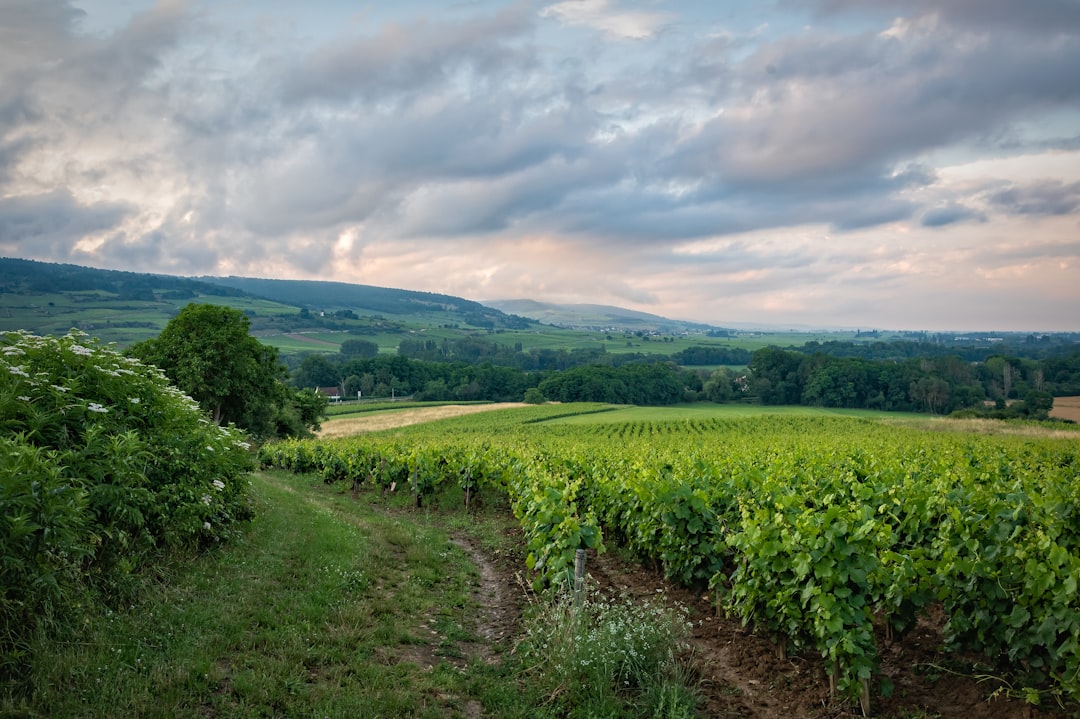
Planning a trip to Burgundy is a bit like trying to catch a wave; you really have to be in sync with the rhythm of the land to get the most out of your time there. I think the biggest mistake people make is treating this like a standard sightseeing tour, when in reality, the region operates on a much more precise biological clock. If you’re timing your visit around the harvest, for instance, you’ll find that everything shifts; local transport providers often have their hands full with labor logistics, so booking your car or driver way ahead of time isn't just a suggestion, it’s a necessity to avoid being stranded. It’s also worth noting that the most elite estates have a very specific window for when they prefer to host guests, usually favoring mid-morning slots when your palate is still sharp enough to pick up those fleeting tertiary notes before the fatigue of a long lunch sets in.
When you're actually out there navigating the winding roads of the Côte d’Or, don't rely on finding signs for the smaller, boutique estates. Because of strict local regulations, those tiny producers are often invisible from the road, so you’ll want to have your GPS coordinates locked in before you even leave your hotel. Think of these coordinates as your secret key, especially since the landscape can feel like a maze once you're deep in the vineyards. If you’re really diving into the technical side of things, keep an eye on the elevation of the tasting rooms you visit; often, the ones nestled lower into the terrain are using gravity-fed systems, a cool bit of old-school engineering that tells you exactly how much care they’re putting into their process.
It’s honestly fascinating how much the environment dictates your day, from the natural humidity of those ancient, rock-lined cellars to the way the diurnal temperature shifts affect everything around you. If you’re visiting during the warmer months, remember that these historic cellars are kept at a constant 80 percent humidity to protect the corks, so you might want to bring an extra layer, even if it's sweltering outside. I always tell friends to look for estates that balance these traditional cooling methods with modern, minimal-intervention practices, as that’s usually where you’ll find the most authentic story of the soil. Just stay flexible with your schedule, especially if you’re traveling during the harvest season, and you’ll find that the logistical hurdles end up being part of the charm rather than a headache.
Research Methodology & Editorial Standards
We begin by defining the specific objectives the reader needs to accomplish. Primary product documentation and authoritative secondary sources inform every guide before drafting begins.
Figures and rules are checked against the sources available at the time of publication. Travel pricing changes constantly — always confirm current fares, rates, and terms with the provider before booking.