
Discover the Most Enchanting Small Towns Across the Midwest for Your Next Getaway
These waterways didn't just provide trade routes; they sculpted the very geography of the towns that grew along them, creating pockets of rugged, elevated terrain that feel completely disconnected from the surrounding prairie.
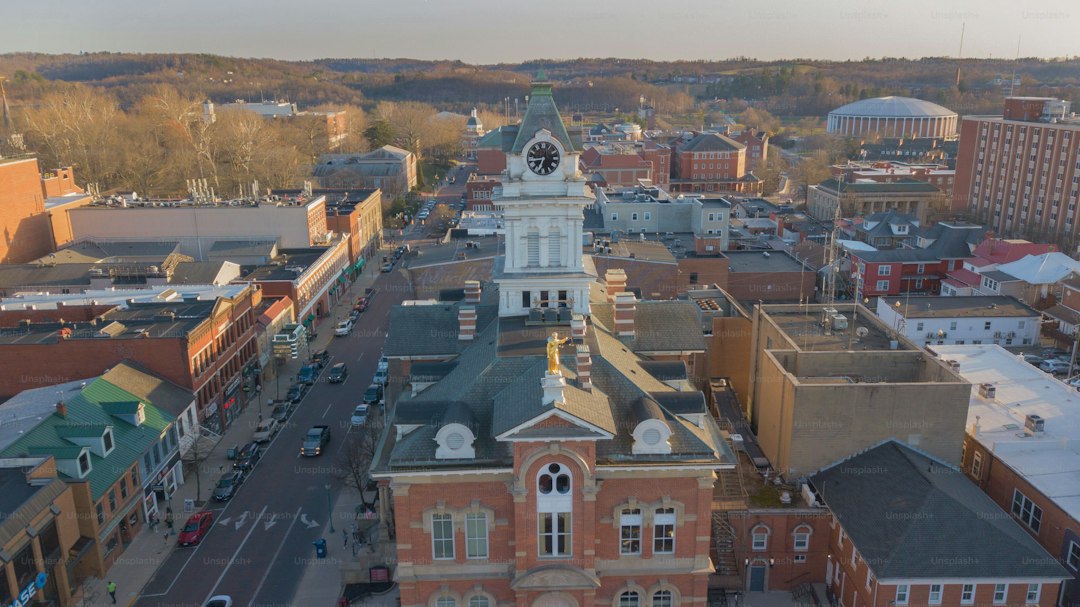
Experience Riverside Charm in the Heartland’s Most Picturesque Towns
When we think of the Heartland, we often default to the image of endless, flat plains, but if you look closer, you’ll find that the region’s soul is really tied to its rivers. These waterways didn't just provide trade routes; they sculpted the very geography of the towns that grew along them, creating pockets of rugged, elevated terrain that feel completely disconnected from the surrounding prairie. Places like Galena, Illinois, are a perfect example, where the topography is so steep that the main street is essentially terraced into the hillside. It’s a fascinating departure from the typical landscape, and honestly, standing there, you can see exactly how the geology dictated the town's growth.
If you’re comparing these spots to European counterparts, you’ll notice the architecture feels surprisingly intentional, often defined by the materials the river provided. In Madison, Indiana, for instance, you’re looking at dense collections of Federal-style buildings constructed from river-transported brick that you just don't see inland. It’s not just about the buildings, though; the rivers themselves act as a filter, with limestone-rich beds often creating clearer water and specialized microclimates that support flora you won't find just a few miles away. You can even spot the legacy of 19th-century brewers who carved storage caves into the limestone bluffs, a practice that highlights how these communities were built to work with, rather than against, the river’s natural features.
It’s worth reflecting on how these towns manage to preserve such a distinct sense of place when so much of the modern world feels identical. Part of it is the sheer endurance of the infrastructure, like the old lock-and-dam systems in Illinois or the low-profile bridges spanning the braided channels of the Platte in Nebraska. These aren't just aesthetic choices; they are historical responses to water velocity and flooding patterns that have been recorded by local societies for over a century. When you visit these spots, you aren't just looking at a pretty view; you’re walking through a physical record of how a river shaped an entire way of life. It’s the kind of depth that makes a weekend getaway feel like a genuine discovery.
Explore Coastal Gems Along the Great Lakes Shorelines
If you’ve spent any time looking at maps of the Midwest, you’ve probably noticed that the Great Lakes aren't just big ponds—they’re inland seas holding about 21 percent of the world’s surface fresh water. Honestly, that massive volume does more than just look pretty; it creates complex lake-effect weather patterns that physically dictate how these coastal towns function. I find it fascinating that these lakes are so powerful they generate their own microclimates, often pushing spring blooms back by weeks compared to areas just a few miles inland. You’ll notice this the moment you step out of your car in a place like the Thumb region of Michigan, where the air feels sharper and the vegetation is tied to the shoreline’s specific humidity. It’s a completely different rhythm than what you’d find in the heartland’s river towns.
When you’re exploring these shorelines, think about the geology as the architect of every village you visit. Take the Sleeping Bear Dunes, for instance; they aren't just a backdrop for photos but active geological features shaped by constant aeolian processes that shift the landscape year after year. Local towns have learned to use these dune systems as natural buffers against the high-energy autumn storm surges that hit the coast with surprising intensity. You can see how this dictated construction, especially in the older lighthouses designed with conical or octagonal towers specifically to cut through those fierce winter gales. It’s a practical, historical response to a volatile environment that you don't really see in calmer inland settlements.
But there’s a deeper, almost hidden layer to these coastal spots if you look at the ecology. The water clarity you notice in northern Lake Huron, while visually stunning, is actually the result of invasive zebra mussels acting as biological filters, which has completely reshuffled the local aquatic food web. Even the maritime history is woven into the biology; those historic wooden piers were built using rot-resistant white cedar because it was the only thing that could survive the coastal wetlands. If you’re a birdwatcher, you’re in luck because these lakes act as massive geographical barriers, funneling hawks and eagles along the coast during migrations in ways that make certain spots perfect for observation. It’s the kind of environmental complexity that makes every stop feel less like a generic tourist destination and more like a lesson in how humans have adapted to a truly massive, shifting natural force.
Step Back in Time with Historic Main Streets and Local Boutiques
You know that feeling when you pull into a small Midwest town and your tires start to hum against those old red bricks? It’s not just for show; most of that paving was actually repurposed from 19th-century industrial kiln sites that were abandoned as local economies shifted. These bricks were designed for high-friction carriage traffic, and honestly, they’ve outlasted nearly every asphalt patch job we've seen since. When you look up, you’re seeing the Commercial Italianate style everywhere—think tall, narrow windows and cast-iron details that were churned out by regional foundries back in the 1870s. It’s actually a bit of a maintenance headache now because local zoning often requires specific lime-based mortar to keep those soft masonry walls from crumbling under modern environmental pressure.
But here’s something most people miss: the ground beneath your feet is doing a lot of the heavy structural lifting. Many of these boutiques are built on compacted river silt, which meant the original engineers had to drive subterranean timber pilings deep into the mud just to keep the heavy brick facades from settling unevenly over time. If you head into one of the local shops, you might notice the ceilings are made of pressed tin. While we think they look vintage-cool today, they were actually an early fire-suppression innovation because the material was far lighter and more flame-retardant than traditional plaster. And those vaulted basements you sometimes see stretching under the sidewalk? Those weren't just for coal; they served as the original climate-controlled storage for merchants long before the advent of mechanical refrigeration.
I find it fascinating how much the original rail spurs dictated the entire spatial layout of these downtowns, essentially forcing the commercial centers to cluster right where the agricultural goods could be transferred. Even the way the sun hits the sidewalk at noon wasn't an accident. Early city planners often aligned these main thoroughfares on strict north-south axes to ensure open-air market stalls got consistent light throughout the day. You’ll also notice the 1920s-era neon signs that some towns are fighting to preserve. It’s getting harder because the specific noble gas mixtures they rely on are becoming increasingly rare as the lighting industry shifts toward LEDs, which just can't replicate that authentic, warm buzz.
Look at the trees, too—those high canopies weren't just a lucky guess by a local gardener. They’re frequently non-native cultivars introduced by 19th-century horticultural societies specifically to shade pedestrians while staying high enough to remain clear of the first overhead utility lines. I’ve seen modern restoration teams using old fire insurance maps from the late 1800s to figure out the original load-bearing capacities of these historic timber frames. It’s this meticulous level of engineering history that keeps these places standing while newer, cheaper constructions are already showing their age. Even the interior acoustics in some of these boutiques are a relic of their past lives as telegraph hubs, where specialized isolation techniques were used to dampen the noise of high-frequency transmission equipment.
Discover Vibrant Culture in the Midwest’s Top College Towns
When you start digging into the Midwest’s college towns, you quickly realize they aren't just hubs for students—they’re living, breathing labs where history and high-level engineering collide in ways most visitors never see. Take Madison, for example, which sits on an isthmus with a clever gravity-fed drainage system that manages the five-foot elevation gap between its two lakes. It’s a brilliant bit of civil engineering that keeps the city from flooding while we’re busy walking from one coffee shop to the next. Then you have places like Ann Arbor, where the Nichols Arboretum hides a kettle hole—a glacial remnant—that stays ten degrees cooler than the surrounding ridges, creating a pocket of northern boreal forest that feels totally out of place. It’s these kinds of hidden environmental quirks that give these towns a personality you just don't get in cookie-cutter suburbs.
But the real magic is in the materials that hold these places together. Look at Bloomington, where the very ground beneath Indiana University is made of high-purity Salem Limestone, a stone so strong it was actually hauled off to build the Empire State Building. Or consider Iowa City, which isn't just a literary hub; it’s an archival fortress using specialized subterranean shelving to keep millions of books at a precise 45 percent humidity. It’s honestly wild to think about the infrastructure required to keep paper from turning to dust while you’re grabbing a sandwich down the street. Even the way these towns handle energy is fascinating, like the supercomputing cooling systems in Urbana-Champaign that cycle over a million gallons of water an hour, now being repurposed to heat campus greenhouses.
I’ve always thought that if you pay attention to the small details, you start to understand why these towns feel so much more vibrant than their peers. Whether it’s the high-precision tornado simulators at Iowa State that changed how we build roofs, or the living machines in Oberlin that use snails and plants to clean wastewater, there is a serious dedication to practical innovation here. And let’s not forget the quirky stuff, like the Venturi effect on Mount Oread in Lawrence that turns the wind into free power, or the fact that West Lafayette is basically a training ground for astronauts. When you visit these spots, you’re not just hitting up a local bar or a bookstore; you’re stepping into communities that have spent decades figuring out how to balance academic intensity with a really distinct sense of place. It makes you look at every historic brick and wind turbine a little differently, doesn't it?
Plan a Family-Friendly Escape to the Region’s Best-Kept Secrets
When we talk about planning a family-friendly escape, I think we often get caught up in the big-name destinations that feel more like a logistical puzzle than a vacation. If you're tired of the stress that comes with crowded tourist traps, it’s worth shifting your focus toward the Midwest’s best-kept secrets where the infrastructure actually works for you rather than against you. I’ve spent a lot of time looking at how these smaller towns function, and it’s truly impressive to see how they’ve integrated clever engineering into their daily charm. Many of these spots rely on geothermal heat exchange systems that pull from constant-temperature groundwater to keep public spaces comfortable, meaning you aren't fighting the extreme weather swings you’d expect elsewhere. It’s a subtle detail, but it makes a massive difference when you’re trying to keep the kids happy while exploring.
Think about the way these towns manage their natural surroundings; it’s not just about aesthetics, but genuine environmental smarts. You’ll find restored prairie patches in local parks that are maintained through specific three-year burning cycles to keep the native ecosystem healthy, creating a vibrant, living landscape that’s far more interesting than a manicured lawn. Even the architecture has a hidden layer of utility, like the old storefronts with prismatic glass transoms designed to pull natural light deep into the building. These aren't just quaint relics; they’re high-functioning design choices that allowed merchants to preserve goods and manage energy long before we had modern HVAC systems. It’s these kinds of touches that make wandering through a town square feel like an interactive lesson in history and physics.
If you’re looking for a trip that feels grounded and authentic, I’d suggest paying attention to how these communities handle their own growth. You might notice the dry-stack stone bridges that are built to flex during those brutal freeze-thaw cycles, or the clever use of permeable pavers in parking areas that keep runoff from damaging the local rivers. These towns have essentially built themselves to survive, which makes them incredibly resilient, family-friendly bases for a long weekend. Plus, many have invested in dark-sky lighting zones that protect the migration paths of nocturnal pollinators, giving you a chance to see the stars in a way that’s increasingly rare elsewhere. It’s not just about hitting a "must-see" list; it’s about choosing a place that’s put real thought into its own existence, and honestly, that’s where the best travel memories usually hide.
Enjoy Seasonal Splendor and Outdoor Adventures in Scenic Rural Retreats
When we talk about catching the peak fall colors in the Midwest, I think we often rely too much on arbitrary calendar dates rather than the actual phenology of the landscape. If you look at the data, savvy travelers are now tracking the accumulation of growing degree days to predict exactly when the oak-hickory forests will hit their stride. It’s a much more precise way to plan a trip because these specific tree species drop their leaves based on thermal accumulation rather than just the first frost. Honestly, it’s the difference between seeing a dull brown canopy and that vibrant, high-saturation gold we’re all chasing. We’re also seeing a shift in heritage orchards where heirloom apple cultivars now require specific chill hours that have migrated by nearly two weeks over the last decade.
Let's pause and look at the geology of the driftless zones, which are these fascinating pockets that the last glaciers somehow missed. Unlike the flat, saturated agricultural plains nearby, these areas sit on karst topography where natural sinkholes act as high-efficiency drainage basins. This means even after a heavy spring rain, the trails stay remarkably firm while the rest of the region is often a muddy mess. I’ve found that the microclimates in these deep, shaded ravines support relic fern populations from the last ice age that literally can't survive anywhere else. You’ll also stumble across glacial erratics—those massive, out-of-place boulders—that the original settlers used as the literal foundations for their most enduring outdoor lookouts.
I’m increasingly impressed by how local land managers are using precision agricultural data to manage hiker access during the erratic spring thaw cycles. It's not just guesswork anymore; they’re monitoring soil density and macroinvertebrate emergence to protect sensitive recreation zones from erosion. Some of the more forward-thinking retreats have even installed acoustic monitoring stations to track warbler migrations along the Mississippi Flyway. It’s a brilliant way to turn a simple weekend stay into a high-signal citizen science project that actually helps protect the birds you're watching. Plus, by reintroducing deep-rooted prairie grasses, these properties are sequestering significantly more carbon than the shallow, non-native turf you see in the suburbs.
If you’re out after dark, you might notice a faint, eerie luminescence in the sky known as airglow, which is only visible because these rural retreats have such low light pollution. It’s a chemical reaction in the upper atmosphere that you’ll never catch in a metropolitan hub like Chicago or Indy. Even the historic timber-frame barns you see are a masterclass in structural engineering, using mortise-and-tenon white oak joints that resist fungal decay in our high-humidity basins. We shouldn't overlook the riparian buffer zones either; those dense root systems are the only thing keeping nitrogen runoff out of the pristine swimming holes we love. It really makes you appreciate that a "scenic view" is actually a complex, hard-working biological system that works best when we stay out of its way.
Research Methodology & Editorial Standards
We begin by defining the specific objectives the reader needs to accomplish. Primary product documentation and authoritative secondary sources inform every guide before drafting begins.
Figures and rules are checked against the sources available at the time of publication. Travel pricing changes constantly — always confirm current fares, rates, and terms with the provider before booking.