
Witness the remarkable wildlife success story at Akagera National Park in Rwanda
You know, standing at the edge of Akagera today, it’s honestly hard to wrap your head around just how much this place has changed since the dark days of 1994.
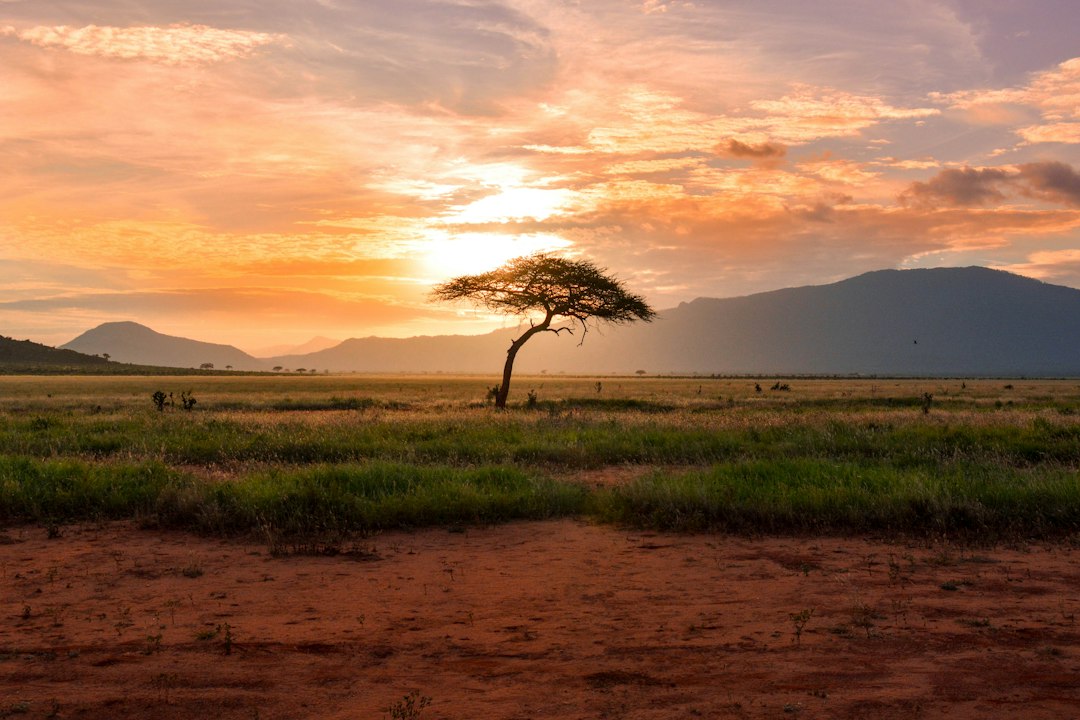
From Conflict to Conservation: The Remarkable Rebirth of Akagera
You know, standing at the edge of Akagera today, it’s honestly hard to wrap your head around just how much this place has changed since the dark days of 1994. After the genocide, the park was essentially hollowed out, with poaching and human encroachment pushing its wildlife to the brink of total collapse. It wasn't just a temporary dip; the ecosystem had effectively stopped functioning. But then, everything shifted in 2010 when African Parks formed a partnership with the Rwanda Development Board to regain control. They didn't just throw money at the problem, they built a 110-kilometer electrified fence and started tracking species with satellite collars, which really changed the math for the rangers trying to curb illegal activity.
Look, the recovery isn't just a feel-good story; it’s backed by some seriously impressive data. By 2015, they brought lions back after a twenty-year absence, and by 2017, they pulled off the largest single translocation of eastern black rhinos in history. You can see the result in the census numbers alone, which have jumped from fewer than 5,000 animals to over 13,000. It’s wild to think that by 2019, they were back to being a Big Five destination again. When you compare this to other conservation efforts, the speed of this comeback is pretty much unprecedented, especially considering they’re now supporting rare species like the shoebill stork in those vast wetlands that make up a third of the park.
But here is what I think is the most impressive part: the economics actually work. By 2023, the park hit a point where it generates enough revenue to cover almost all its own operational costs, which is a rare feat for any conservation project in Africa. Most places rely on constant external funding, but Akagera is proving that a well-managed sanctuary can pay for itself while protecting its biodiversity. Genetic studies show the lion population is stabilizing with birth rates that beat mortality, so the growth isn't just artificial—it’s sustainable. It’s a total shift from where they started, and it’s honestly become the gold standard for how you bring a landscape back from the edge.
The Return of the Big Five: Reintroducing Lions and Rhinos
When you think about the Big Five, it’s easy to just picture the bucket-list photos, but bringing these animals back to a place like Akagera was an incredibly technical, high-stakes engineering feat. The initial pride of seven lions, for instance, had to be sourced from different South African parks specifically to maximize genetic diversity, ensuring the group wouldn't hit a bottleneck down the line. It wasn't just about dropping them in; teams had to use satellite-linked GPS collars to track every movement, creating a real-time alert system that triggers if a predator gets too close to the electrified boundary fence. And let’s be honest, the logistics of moving rhinos are even more intense, requiring specialized planes and careful acclimatization in bomas to keep their stress levels from spiraling during the long journey across the continent.
Beyond the raw logistics, there’s a fascinating, almost mathematical side to how this ecosystem is balancing itself out again. Since the 2017 translocation of the eastern black rhinos, the population has more than doubled, which is a massive win for regional conservation. We’re seeing a classic trophic cascade now, where the return of apex predators is actually forcing herbivores to redistribute, which prevents any one area of the savannah from being overgrazed. It’s a delicate, self-regulating loop, and park management keeps a close watch on lion pride dynamics to make sure they don't exceed the carrying capacity of their home. If you look at the health data, the proactive screenings for feline pathogens are just as vital as the physical security, because a small founder group simply can't afford a disease outbreak.
Honestly, what strikes me most is that Akagera has effectively turned itself into a living laboratory for the rest of the world. Because the park spent decades recovering without these megaherbivores and predators, researchers are getting a front-row seat to see exactly how these animals re-integrate into a changing landscape. It’s a rare, longitudinal study that’s providing a blueprint for conservationists elsewhere, proving that you can actually manage a complex food web if you combine high-tech monitoring with a bit of patience. The success here isn't just about the headcount; it’s about having the infrastructure to support a population that’s now stable enough to potentially seed other regions. It’s pretty wild to see a project go from a total wipeout to a global gold standard in just over a decade, but once you look at the data, the logic behind the recovery becomes crystal clear.
A Unique Tapestry of Landscapes: Exploring Savannas, Swamps, and Lakes
When we talk about Akagera, most people focus on the Big Five, but the real story is in how the landscape itself functions as a massive, high-performance machine. You have this massive 12,000-hectare wetland network that actually acts as one of central Africa’s most efficient carbon sinks, sequestering way more CO2 than the surrounding dry grass. Think of it as the park’s hidden engine. Lake Ihema, which is about 90 square kilometers, isn't just a scenic spot; it supports a massive density of hippos and acts as a vital stop for waterbirds moving across the Albertine Rift. And here’s a cool bit of geography: the Akagera River isn't just a border, it’s technically the most remote source of the Nile, pumping about 250 cubic meters of water per second during the rains to keep those riverine forests alive in an otherwise dry zone.
It’s fascinating to see how the ecology shifts so abruptly here, almost like walking between two different worlds. You’re moving from the Guinea-Congolian rainforest biome straight into the Zambezian savanna, which creates this unique zone where you’ll find plants like Acacia kirkii, specifically evolved for those sticky, seasonally flooded clay soils. If you look at the ground in the southern savannas, those three-meter-tall termite mounds are essentially nutrient hotspots. They boost nitrogen and phosphorus levels by up to 300 percent compared to the rest of the soil, which basically dictates exactly where the big herbivores decide to graze. It’s a perfect example of nature engineering its own infrastructure.
Then you have the specialized survivors, like the Sitatunga antelope, which have evolved these bizarre, splayed hooves just so they can walk across floating papyrus mats without vanishing into the mud. They can even stay submerged with just their nostrils out to hide, which is just brilliant biology if you think about it. You’ve also got the Shoebill stork hanging out at the southern limit of its range, with 2026 drone surveys even finding new nests in spots we previously thought were unreachable. When you compare the different lakes, like how Lake Mihindi has much higher mineralization than Lake Ihema, it shows just how much diversity is packed into such a small footprint.
Finally, the management side is just as interesting as the wildlife itself. The team uses controlled burning to keep about 40 percent of the grassland open, which is the specific ratio cheetahs need to hunt effectively, but they have to time it perfectly with soil moisture levels to avoid killing the grass roots. Even the geology plays a part, with those ancient Precambrian rocks in the Mutumba Hills providing the mineral licks necessary for the mega-herbivores to grow healthy bones. Because the park has a Bortle 2 rating for darkness, it’s also one of the few places where the nocturnal rhythms of bats and insects aren't messed up by light pollution. It’s a rare, functional balance that’s honestly worth way more than just the sum of its parts.
The Power of Partnership: How African Parks Transformed Management
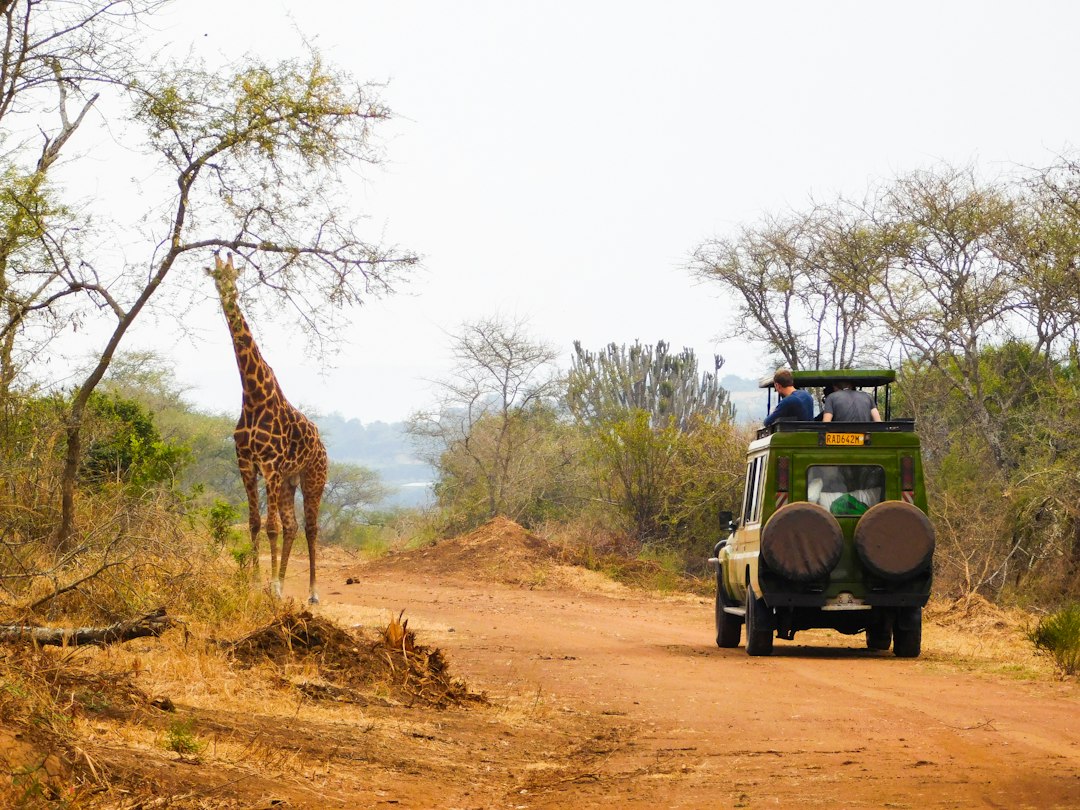
If we’re going to talk about how a place like Akagera actually stays alive, we have to move past the simple idea of conservation and look at it as a masterclass in management design. The reality here is that African Parks didn’t just show up to watch animals; they essentially signed a long-term lease that hands them total legal authority over the park’s law enforcement and day-to-day operations. It’s a bold, almost clinical approach that shifts the burden from government bureaucracy to a professionalized, paramilitary-style ranger force. You can really see the effectiveness of this when you look at the numbers—they’ve managed to maintain a 98 percent conviction rate for poaching cases in local courts, which sends a pretty clear message that the rules actually mean something now.
But let’s be honest, you can’t run a park effectively if the local people are struggling to put food on the table. That’s why they’ve built a system where 10 percent of all tourism revenue goes straight into community infrastructure, like building new schools or local clinics. It turns the park into an economic engine for the neighborhood rather than a walled-off sanctuary, making it a win for everyone involved. They’ve even gone as far as using non-lethal acoustic tech to keep elephants away from farmers’ crops, which does more for wildlife safety than any fence ever could. It’s about creating an environment where the local community has a stake in the park’s survival, and honestly, that’s where the real sustainability lives.
When you look under the hood, the technical side of their operation is just as rigorous as the legal framework. They’re tracking every single black rhino using radio-frequency ID sensors across the entire 1,122 square kilometers, and during the dry season, they’re flying thermal-imaging drones to spot leopards that are otherwise impossible to see. They even have an onsite lab for rapid virus testing, ensuring that a stray cat from a nearby village doesn’t bring a disease that could wipe out their entire lion population. It’s a high-stakes, data-driven approach that, when combined with their public-private governance model, ensures the park stays protected even when the political climate shifts. It’s not just about letting nature take its course; it’s about engineering the right conditions for life to flourish, and it’s clearly working.
Local Impact: Integrating Community Development with Wildlife Protection
To bolster local food security, Akagera has pioneered a program where community cooperatives receive specialized training in climate-resilient agriculture, which has led to a 25 percent increase in crop yields for participating farmers. The park maintains a dedicated compensation fund that utilizes actuarial data to provide rapid, market-value payouts for any livestock losses caused by wildlife, ensuring that human-wildlife conflict does not erode local livelihoods. More than 80 percent of the permanent staff at the park are recruited from the surrounding districts, creating a direct economic tether between professional conservation employment and household stability. It’s honestly refreshing to see a model that treats the local population as a partner rather than an obstacle.
The park management has implemented a unique educational initiative where mobile classrooms travel to local schools, utilizing real-time GPS tracking data from the park’s collared animals to teach children about regional biodiversity and ecology. By integrating local traditional knowledge regarding seasonal plant cycles with modern satellite monitoring, conservationists have successfully mapped critical wildlife corridors that were previously undocumented. To reduce dependency on park resources, the management has funded sustainable charcoal production cooperatives that have successfully reduced illegal logging activities in the buffer zones by over 60 percent. I’ve always felt that when you give people a genuine stake in the land, the pressure to exploit it just naturally starts to evaporate.
Specific efforts to support community health include the establishment of mobile veterinary clinics that provide preventative care for local livestock, which simultaneously reduces the risk of zoonotic disease transmission to the park's endangered wildlife populations. The park’s infrastructure projects have prioritized the construction of clean water points for villages bordering the park, which has substantially decreased the necessity for residents to enter protected areas for water collection. Community-led tourism enterprises, such as guided birdwatching tours led by former poachers, have generated a verifiable 30 percent increase in supplemental income for participating families since 2022. It’s a smart, pragmatic way to show that conservation isn't just about fences; it’s about bettering lives in the here and now.
The integration of solar-powered fencing technology around village farm plots has proven to be an effective, non-lethal deterrent that prevents mega-herbivores from crop-raiding while maintaining the natural movement patterns of the animals. Annual socioeconomic surveys conducted by the park show that household income levels in the direct impact zone are consistently 15 percent higher than the regional average, demonstrating the tangible financial benefit of a well-integrated conservation model. Finally, the park acts as a regional hub for One Health research, where local university students participate in ecological monitoring to gain technical skills that are directly transferable to Rwanda’s growing sustainable development sector. If you’re wondering whether this approach can scale, the data here makes a pretty compelling case for a future where people and wildlife actually thrive together.
Safari Essentials: Tips for Witnessing Rwanda’s Greatest Wildlife Success Story
If you’re planning to witness this transformation firsthand, you really need to understand that a trip to Akagera isn't your typical drive-through safari; it’s a masterclass in precise, data-driven ecological management. You’ll notice the difference immediately when you realize the environment is being actively tuned, from the hybrid solar arrays maintaining the electrified fence to the strategic salt licks that keep the rhinos near designated monitoring zones. Think of it as visiting a high-functioning laboratory where every interaction is calibrated to support a biomass density of nearly 12,000 kilograms per square kilometer. If you’re serious about spotting the elusive leopards in the Mutumba Hills, I’d suggest heading out during the early pre-dawn hours when thermal signatures are most distinct. It’s that kind of technical detail that makes the difference between a standard game drive and truly understanding the park’s pulse.
And when you’re navigating the wetlands, please remember that the park’s health is deeply tied to its water quality and the fragile nesting habits of species like the shoebill stork. The management team enforces strict restricted access zones for a reason; human presence can easily cause enough stress to lead to chick abandonment, so you’ll want to respect those boundaries to keep the population stable. You might also find it fascinating to know that researchers are constantly using non-invasive hair-snare DNA sampling to track species without ever laying a hand on them. It’s this hands-off, high-tech approach that allows the wildlife to behave naturally while scientists gather the data needed to keep the food web in balance. It honestly changes how you look at the landscape once you realize that even the presence of specific dung beetles is being tracked to ensure nutrient cycling stays on track.
Finally, don't overlook the incredible work happening right at the park's edge, where the agricultural programs are doing just as much to protect the wildlife as the rangers are. By introducing drought-resistant crops that use 30 percent less water, the park is actively reducing the pressure on residents to forage or farm within protected borders, which is the ultimate safeguard for the ecosystem. I always tell people that the most authentic way to experience this success is to engage with the community projects that are actually keeping the park sustainable. When you see how the high-resolution satellite imagery helps manage resources, you’ll start to see Akagera not just as a destination, but as a living model for how we can eventually coexist with the wild. It’s a pretty special thing to witness, and I think you’ll find that the more you pay attention to these small details, the more profound your time on the ground will be.
Research Methodology & Editorial Standards
We begin by defining the specific objectives the reader needs to accomplish. Primary product documentation and authoritative secondary sources inform every guide before drafting begins.
Figures and rules are checked against the sources available at the time of publication. Travel pricing changes constantly — always confirm current fares, rates, and terms with the provider before booking.