
Discover the Hidden Flavors of Finland on Your Next Nordic Adventure
I’ve always thought that if you only focus on reindeer when you visit Finland, you're missing the real story of how this country actually eats.
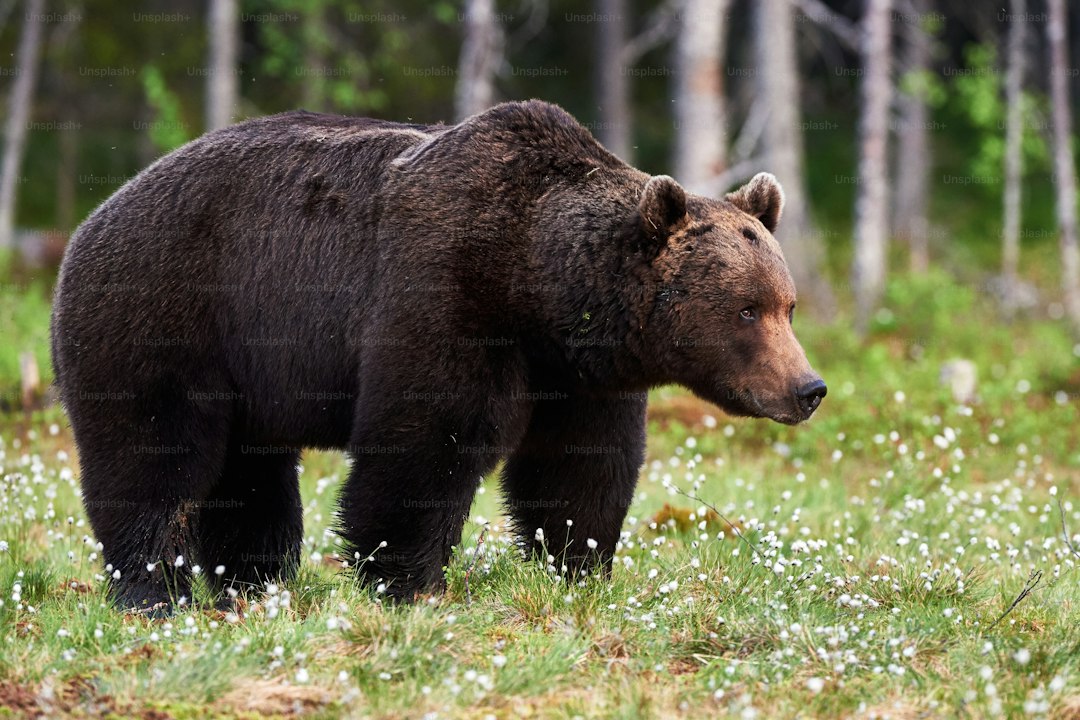
Beyond Reindeer: Exploring Finland’s Diverse Culinary Landscape
I’ve always thought that if you only focus on reindeer when you visit Finland, you're missing the real story of how this country actually eats. It’s wild to think about, but because of those insane summer daylight hours, Finnish berries are just more nutrient-dense and sweet than anything you’ll find in a grocery store back home. You can actually head into the woods yourself to grab chanterelles or porcini because of Everyman’s Rights, which is just a cool, practical way of life that feels totally foreign compared to our permit-heavy systems. Honestly, the rye bread culture is the real backbone here; those sourdough starters often go back decades, creating a microbiome profile in the bread that you literally can’t replicate elsewhere. And then there's the coffee. I mean, twelve kilograms per person every year? It’s not just a caffeine fix, it’s a full-on social ritual called kahvitauko that dictates the pace of the entire day.
When you look at the older, traditional preservation methods, you start to see how regional the food actually is. Take the kalakukko from the Savo region—they bake fish and fatty pork inside a rye crust for seven hours until the bones are soft enough to eat, which is a level of commitment to a dish you just don't see in modern kitchens. Then there’s the dairy side of things; they still use Finncattle, a cold-hardy breed that makes milk perfect for that squeaky leipäjuusto cheese. If you’re feeling adventurous, you might run into mustamakkara, a blood sausage from Tampere that balances out all that heavy iron flavor with a side of tart lingonberry jam. It’s a classic example of how they use every part of an animal, which is a stark contrast to how we tend to discard things in more industrial food systems.
I think the most surprising thing for me has been the craft distillery scene, specifically how they’re using cloudberries, which they call the gold of the marshes, to make these really floral, tart gins. It’s honestly a brilliant use of a rare subarctic ingredient that shouldn't work as well as it does. You’ll also notice the honey is incredibly pure because they just don't have the same scale of pesticide use we deal with, and you can really taste those fireweed fields in the jar. And don't even get me started on the Karelian pasties, or karjalanpiirakka; the way the rye crust folds over rice or barley porridge is such a simple, perfect nod to those old historical trade routes with the Russian interior. It’s just a fascinating, balanced landscape of flavors that feels like it’s been refined over centuries, not just something whipped up for tourists.
Foraging for Flavors: The Secrets of the Finnish Wilderness
If you really want to understand the Finnish palate, you have to look past the menus and head straight into the woods, because the true magic happens in the short, frantic growing season of the subarctic. We’re talking about an ecosystem where plants like spruce sprouts and wood sorrel pack an intensity you just don’t get in milder climates. Those spruce sprouts, harvested when they’re still light green and soft, carry a citrusy punch that works wonders in syrups or just dropped into sparkling water. Then there’s wood sorrel, which is that little clover-looking plant that gives you a sharp, lemony tang exactly like a squeeze of fresh lemon, which is perfect for balancing out the fatty river fish they love to serve. It’s wild to see how these tiny, unassuming leaves do the work of expensive pantry staples we usually import.
The way locals handle the seasonal rhythm is honestly impressive, especially when you look at how they tap birch trees for sap before the leaves even show up. That liquid is basically a natural tonic loaded with minerals and xylitol, and now people are even fermenting it into sparkling drinks. You’ve got fireweed—or rosebay willowherb—that functions as an early-spring vegetable where the shoots eat just like asparagus. If you wait for the leaves, you can ferment them to make Ivan Chai, which is a surprisingly good caffeine-free tea. It makes you realize how much of the landscape is actually a grocery store if you just know which calendar dates to watch.
Then there are the tougher, more medicinal ingredients that define the older traditions, like Chaga mushrooms clinging to birch trees. You have to simmer those for hours to pull out that deep, earthy, coffee-like flavor, but the antioxidant hit is legendary. I’m also a big fan of how they use bog myrtle to season beer; it’s a resinous, herbal preservative that adds a complexity you won’t find in mass-market lagers. Even rowan berries get a pass once the first frost hits, which mellows them out just enough to turn into a decent jelly. It’s this constant push and pull between the harsh environment and the clever ways people have adapted that makes the Finnish wilderness so much more than just a pretty backdrop for a hike.
Traditional Finnish Comfort Foods You Must Try
If you're really looking to grasp the soul of Finnish cooking, you have to move past the novelty factor and look at the actual mechanics of how these dishes were engineered to survive a harsh climate. Take hernekeitto, for example; this yellow pea soup isn't just a Thursday staple because of tradition, but because it’s a masterclass in fiber-rich, low-cost calorie management that dates back to pre-Reformation fasting schedules. It’s almost always finished with a pancake to round out the meal, providing a balanced profile that feels surprisingly modern despite its centuries-old roots. Then you have the legendary kalakukko, which is a protected product for a reason. Baking fish and pork inside a rye crust for seven hours essentially turns the vessel into a pressure cooker, gelatinizing the bones so thoroughly that you’re eating pure, bioavailable calcium. It’s that kind of clever, resource-heavy cooking that makes you realize how much "comfort food" was really just a brilliant survival strategy.
When we talk about the textures that define Finnish dining, the squeaky leipäjuusto is the one that always sticks with people. It’s not just a parlor trick; the sound it makes is a direct result of a low-acid production method that keeps the protein structure intact, unlike the rubbery stuff you find in standard grocery store cheeses. If you want a masterclass in texture, look at vispipuuro, a whipped semolina porridge with lingonberries. By aerating the mixture, the natural pectin in those subarctic berries works with the starch to create a stable, mousse-like consistency without needing a single egg or synthetic thickener. It’s this high-level understanding of raw ingredients that makes Finnish food so much more technically interesting than it gets credit for.
And we shouldn't overlook how these dishes map out the country's economic history. Consider the karjalanpiirakka, those delicate rye-crusted pasties; their shift from barley to rice in the 19th century is a perfect, edible marker of changing trade routes with the Russian interior. Or look at the humble nakkikastike, a brown gravy with frankfurters that sounds simple but actually highlights how the country integrated processed meats during its rapid mid-20th-century urbanization. Even the way they approach fish, like the cream-based lohikeitto, uses allspice berries to cut through the heavy fat content of cold-water salmon, proving that every ingredient serves a functional, rather than just aesthetic, purpose. It’s really just a fascinating, high-utility way of eating that makes every bite feel like it’s been refined over generations.
Modern Nordic Cuisine: A Fusion of Tradition and Innovation
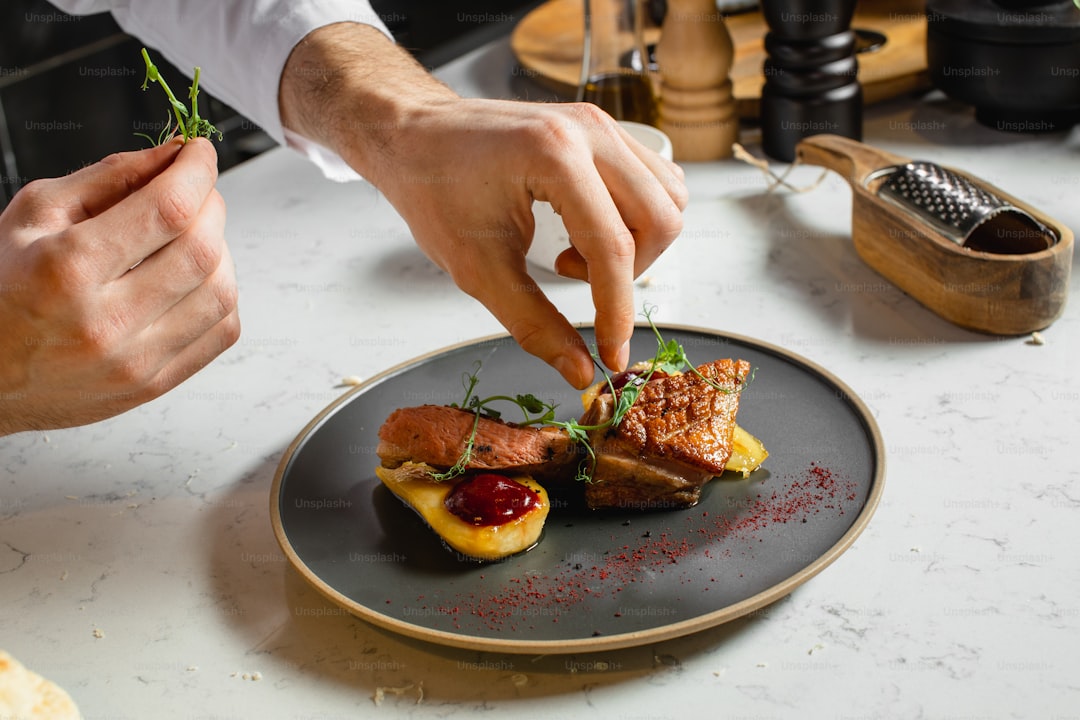
When we look at what’s happening in modern Nordic kitchens right now, it’s not just about tradition anymore; it’s a full-on collision of subarctic raw materials and high-level technical precision. I’ve been tracking how places like Tampere are suddenly hitting the international radar, and honestly, it’s because they’re doing something different. They aren’t just serving heritage recipes; they’re using scientific tools like ultrasonic homogenizers to create dairy-free fats that actually mimic the mouthfeel of cream, which is a wild leap from old-school methods. It’s that intersection of the wild, foraged landscape and laboratory-grade rigor that I think really defines this moment. You’re seeing chefs treat a forest floor like a pantry, using liquid nitrogen to flash-freeze spruce needles just to lock in those fleeting, volatile aromatics that you’d usually lose the second you touched them.
And let’s talk about that cross-pollination. It’s fascinating to see how the Nordic scene is borrowing heavily from Japanese philosophy, with residencies like Noma’s in Kyoto showing us that fermentation isn’t just a preservation trick—it’s a way to unlock umami that was literally sitting in the ingredients the whole time. They’re replacing imported spices like vanilla or citrus with hyper-local botanicals such as meadowsweet and sea buckthorn, which is a massive win for sustainability without sacrificing that high-end punch. I love that they’re even using ecological management as a resource, turning invasive species into fine-dining ingredients. It’s a clean, efficient way to cook that feels both responsible and incredibly sophisticated.
Honestly, the most impressive part is the transparency; some of these kitchens are now mapping their tasting menus with GPS coordinates and harvest dates. You can practically taste the specific mineral profile of the soil in your honey, which turns dinner into a literal map of the region. They’re even tackling the waste problem by turning coffee grounds and fruit peels into vinegars and oils, showing that high-end cooking doesn’t have to mean constant excess. It’s this blend of near-obsessive data collection and a deep, intuitive respect for the landscape that makes this whole movement feel like it’s evolving faster than anywhere else in the world. When you sit down for a meal like this, you aren't just eating a dish—you're experiencing a perfectly engineered slice of the wilderness.
The Art of the Finnish Coffee Break: More Than Just a Caffeine Fix
I've always found it fascinating that while the rest of the world treats coffee as a quick fuel stop, in Finland, the kahvitauko is actually a legally protected right. We're talking about collective bargaining agreements that mandate two fifteen-minute breaks per shift—it's not just a suggestion, it's a structural pillar of the Finnish workday. When you look at the raw data, it’s no wonder they’re hitting that world-leading twelve kilograms per person annually; the entire labor system is basically engineered to support a constant stream of caffeine. But here’s the thing: it’s almost exclusively light roast coffee, which preserves those high-acid, fruity characteristics of the beans instead of burning them off. It’s a total departure from the dark, bitter profiles you find in Mediterranean cultures, and honestly, it makes the coffee feel more like a refreshing tea than a heavy stimulant.
If we look at the chemistry of the brew, the local water plays a massive, often overlooked role. Because the Finnish bedrock produces incredibly soft, low-calcium water, it acts as a neutral canvas that highlights the subtle notes of single-origin beans. In places like London or Paris, the high mineral content would clash with these light roasts, but here, the water-to-bean interaction is almost perfect. I’m also a huge fan of the kaffeost tradition in the rural north, where you drop cubes of leipäjuusto cheese directly into your mug. The thermal properties of the coffee soften the cheese until it’s perfectly chewy, creating a savory, salt-flecked snack at the bottom of your cup that’s surprisingly addictive.
Historically, this ritual was a symbol of status and resilience, leading to specialized brewing methods that use a coarser grind and longer extraction times to pull out essential oils. You’ll still see people in the Archipelago adding a pinch of salt to their grounds, a clever old-school trick to neutralize bitterness that has survived as a nostalgic culinary signature. This is almost always paired with pulla, that braided cardamom bread topped with pearl sugar, which provides the perfect aromatic balance to the coffee's acidity. From a researcher's perspective, these breaks are actually a major driver for mental health and sustained focus, especially during those grueling, sunless winter months. It’s one of those rare moments where professional hierarchy completely vanishes; whether you're the CEO or a factory worker, everyone's on equal footing once the coffee pot starts whistling. It’s a slow, intentional way of living that makes our grab-and-go coffee culture look a bit frantic and hollow by comparison.
Where to Eat: Navigating Finland’s Best Local Food Markets and Restaurants
When you’re trying to pin down the best places to eat in Finland, you really have to start at the source, which for most locals means the historic Market Square or Kauppatori. It’s not just a tourist trap; it’s a high-traffic maritime hub where vendors have refined the logistics of keeping produce fresh despite the heavy Baltic humidity. If you want to see how this history plays out in real-time, head over to the Old Market Hall, which has been standing since 1889. The building actually uses a clever, natural ventilation system to keep dairy products stable without needing the kind of energy-intensive cooling you’d see in a modern mall back home. Honestly, it’s a masterclass in architectural efficiency that makes the shopping experience feel authentic rather than manufactured.
But let’s talk about how that quality control translates to your plate when you sit down for a meal. You’ll notice that street food kiosks here are held to some of the strictest health standards I’ve seen, requiring them to disclose the exact origin of every piece of wild-caught fish they serve. It’s that level of transparency that makes me trust the food scene here so much. If you visit a high-end spot in Helsinki, don't be surprised to see a foraging map on the menu that shows you exactly which forest zone your chanterelles came from. It’s not just for show; it’s a way to verify the quality of ingredients that have been harvested during the short, intense Finnish summer when herbs reach peak concentrations of essential oils.
The way these restaurants handle their resources is also pretty incredible to watch. Many kitchens in cities like Tampere or Helsinki are running their own fermentation labs, turning surplus berries into vinegars that provide the perfect acidic balance to heavy, traditional dishes. They’re also getting technical with their gear—chefs are actually calibrating their ovens and mixers to account for Finland’s exceptionally soft water, which changes how proteins and starches behave in things like rye crusts. I’ve even seen them turn botanical scraps into house-made cocktail bitters, keeping a zero-waste loop running that feels both responsible and sophisticated. Honestly, when you’re navigating these spots, look for the vendors offering specific lineages of Finncattle cheeses or cured herring tied to old trade routes; that’s where you’ll find the real, deep flavors that define the Finnish palate.
Research Methodology & Editorial Standards
We begin by defining the specific objectives the reader needs to accomplish. Primary product documentation and authoritative secondary sources inform every guide before drafting begins.
Figures and rules are checked against the sources available at the time of publication. Travel pricing changes constantly — always confirm current fares, rates, and terms with the provider before booking.