
Why Oulu Finland is the must visit Nordic destination for 2026
You can see it in how they’ve adapted their old industrial zones into hyper-efficient district heating systems or how they’ve turned the Oulu River delta into an ice road to Hailuoto during the winter.
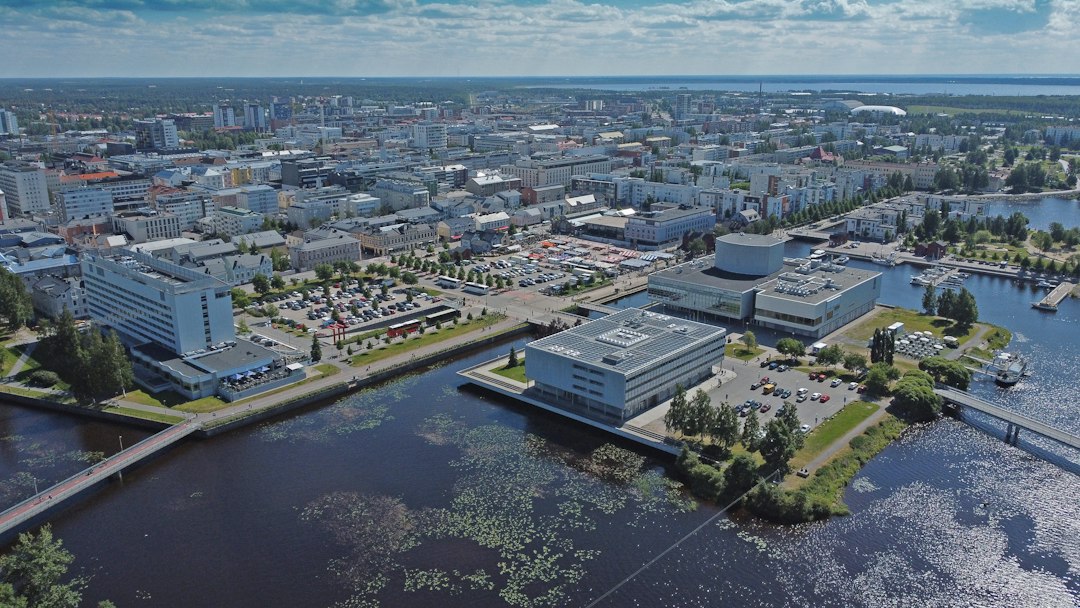
Oulu’s Moment in the Spotlight: Why It’s the Nordic Destination of 2026
I’ve been watching the travel data for 2026, and honestly, Oulu keeps popping up as the outlier that everyone is starting to pay attention to. It’s the northernmost hub for the European Capital of Culture, which is a massive deal considering no city this far north has ever snagged that title before. When you look at the numbers, it’s not just a quiet town; it’s a high-tech powerhouse where one in three residents works in IT. Think about that for a second—a massive, specialized workforce tucked away in the Arctic Circle. It’s exactly the kind of contrast that makes modern travel so interesting to me.
But the real magic here isn’t just in the servers or the 6G research coming out of the university. It’s in the way the city actually functions, like their 900 kilometers of cycle paths that people use even when it’s freezing outside. It’s wild to compare that to other cities that shut down at the first sign of snow. Plus, you’ve got the Midnight Sun hanging around for 70 days straight during the summer, which completely flips your internal clock on its head in the best way possible. And if you’re a fan of bizarre, high-energy culture, the Air Guitar World Championships are honestly a sight to behold—it started as a weird art experiment and somehow turned into a legitimate global movement for world peace.
I also find the geology of this place fascinating because the land itself is literally rising from the sea at about 8 millimeters every year. It creates this constant sense of change that you don't really find elsewhere. You can see it in how they’ve adapted their old industrial zones into hyper-efficient district heating systems or how they’ve turned the Oulu River delta into an ice road to Hailuoto during the winter. It’s a place where they don’t fight the environment; they just build around it. If you’re looking for a destination that actually feels like a living, breathing experiment in how we’ll live in the future, Oulu is the spot to watch this year.
Beyond the Arctic Circle: Exploring the Unique Culture of Finland’s Coastal Capital
When you move past the typical tourist path, Oulu reveals itself as something far more than just a gateway to the north; it’s a living laboratory of coastal identity. Think of it as a place where the brackish waters of the Bothnian Bay shape not just the local ecosystem but the very rhythm of daily life. You can see this in the Pikisaari district, where historic wooden structures that once powered industry now house a vibrant community of artists and craftspeople. It’s that kind of repurposing—turning the old into something unexpectedly fresh—that really defines the city's character.
What I find most interesting is how the city essentially ignores the traditional boundaries between urban life and nature. The urban planning here is fascinating because they’ve built green corridors that act as highways for elks and hares, integrating wildlife movement right into the city limits. And it’s not just the land; the water is part of the infrastructure too. During winter, the sea freezes solid enough to form official ice roads to Hailuoto, a stark contrast to how most coastal cities view the ocean as a barrier rather than a bridge.
If you’re curious about how they handle the extremes, you have to look at the local university’s research into cold-climate materials, which is honestly setting the standard for how we’ll build in changing climates. They’re finding ways to keep infrastructure running through wild temperature swings without blowing their carbon budget, which is a massive win for sustainability. Plus, there’s a social layer to this survivalism—the sauna culture here isn’t some boutique spa experience; it’s a daily necessity. When you’re jumping into an ice hole after a sauna on the waterfront, you’re not just warming up; you’re tapping into a centuries-old way of handling the cold that feels remarkably grounding.
Embracing the Elements: The Rise of Nordic Wellness and Sauna Traditions
When you step into a sauna in Oulu, you’re not just chasing a trend or looking for a quick sweat; you’re tapping into a physiological reset that feels like a full-body reboot. I’ve looked at the data, and it’s wild how much more effective this is than the high-end boutique spa stuff we see popping up in cities like Toronto or London. While many places try to mimic this with fancy lighting and paid memberships, the Finnish tradition here is built on a simple, raw necessity that treats the sauna as a daily utility rather than a luxury. Think about the mechanics of it—you’re basically forcing your cardiovascular system to do the work of a moderate-intensity workout while you sit still.
The real secret isn’t just the heat; it’s the specific rhythm of the löyly and the immediate cold-water plunge that follows. When you move from that intense, steam-filled air into freezing water, your body triggers a massive release of norepinephrine, which is that neurotransmitter responsible for mood and pain management. It sounds intense—and honestly, it is—but that spike in alertness is exactly what helps you handle the brutal Arctic winters without losing your mind. Plus, you’re getting a workout for your blood vessels. By rapidly dilating and constricting them, you’re training your vascular system to be more elastic, which is why the data actually links frequent sessions to a massive reduction in cardiac risk.
Beyond the biology, there’s a social leveling here that I’ve never seen anywhere else. In a traditional sauna, it doesn’t matter if you’re a 6G engineer or a local fisherman; the architecture is designed to strip away those hierarchies entirely. You’re just humans sitting in a room, waiting for the heat-shock proteins to start doing their job of repairing your cells and keeping your body in check. It’s a meditative space that forces your nervous system to switch gears into a parasympathetic state, which is why you walk out feeling surprisingly calm despite the initial shock to the system. If you’re coming to Oulu, don't just treat this as a sightseeing checkbox; lean into the ritual, because this is how you actually learn to live in harmony with an environment that would otherwise just shut you out.
A Gateway to the North: Natural Wonders and Outdoor Adventures
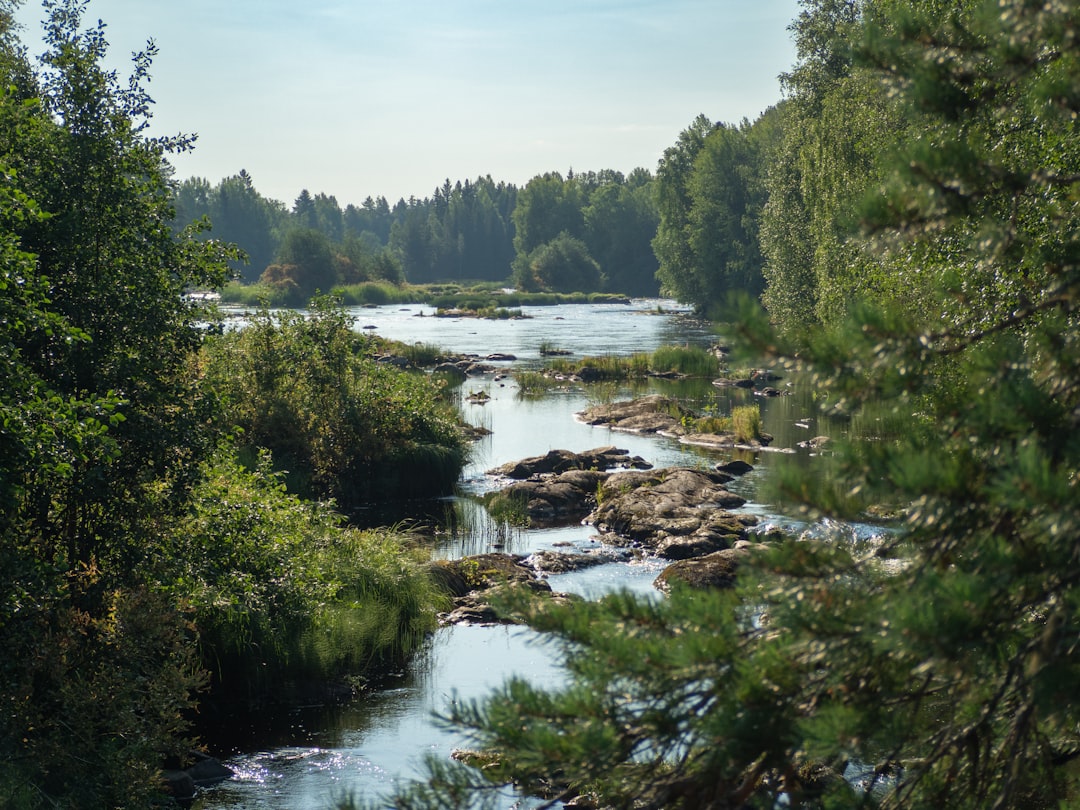
When you think about the gateway to the North, Oulu offers a landscape that functions more like a living, breathing experiment than just another scenic stop on a map. I’ve been looking at the data regarding its geography, and it’s honestly fascinating how the region is constantly shifting because of post-glacial rebound, with the land literally rising from the Baltic Sea at a pace that keeps local engineers on their toes. This isn't just a quiet coastal town; you’re looking at a place where the brackish waters of the Bothnian Bay support a rare intersection of freshwater and saltwater life, creating an ecosystem you won't find anywhere else. If you’re someone who values biodiversity, the Liminka Bay is essentially the crown jewel here, serving as a critical wetland that hosts over 200 bird species, including the endangered lesser white-fronted goose.
It’s really the city’s approach to these natural extremes that sets it apart from other northern destinations I’ve analyzed. Rather than fighting the harsh environment, the infrastructure is built to embrace it, like the 30 kilometers of illuminated ski tracks that are groomed the second the snow hits to ensure you can get your miles in regardless of the light. Even the architecture has to adapt to the intense frost-heaving cycles, leading to the use of specialized floating foundation techniques that you just don't see in milder climates. It’s a bit humbling to realize that the ground you're walking on is moving, and yet everything feels perfectly stable and intentional.
Honestly, the way they manage the land is just as impressive as the tech scene. You’ve got extensive peatlands acting as massive carbon sinks and urban forests maintained to protect the habitat of the Siberian flying squirrel, proving that you can have a high-tech society that actually respects its wild neighbors. During the late summer, you’ll even see traditional cattle breeds grazing the coastal meadows, a practice that isn't just for show—it’s a deliberate strategy to prevent forest encroachment and keep the shoreline flora from disappearing. If you’re the type of traveler who likes to see how humans and nature can coexist without one dominating the other, this is exactly the kind of place that’ll make you stop and rethink what "sustainable" actually looks like.
Beyond the Ordinary: Must-Experience Festivals and Local Traditions
When you look past the usual travel brochures, you start to see that Oulu doesn't just host events; it treats them as extensions of its own unique geography and identity. Take the Oulu Music Video Festival in August, which is a global staple for visual artists, yet it feels completely at home tucked into this northern pocket. You’ll also find the Night of the Arts, where the city effectively turns into a massive, open-air gallery. It’s wild to wander through streets filled with light installations and spontaneous performances that stretch well into the early morning light. These aren't polished, corporate affairs designed for mass consumption; they’re raw, homegrown expressions of a city that knows exactly who it is.
The way Oulu utilizes its physical layout for these traditions is honestly what strikes me the most. Look at the Qstock festival, which leverages the river islands of Kuusisaari and Raatinsaari to host thousands of people while keeping the natural landscape front and center. Or consider the Oulu Day of the River, where you can watch traditional log-floating demonstrations that serve as a living link to the timber industry that built this place. It’s a complete departure from the typical, sterile festival setups you see in major capitals. Instead of fighting the environment, the local culture leans into it, turning the water and the changing seasons into active participants in the celebration.
If you really want to understand the heartbeat of the region, you have to look at how these traditions balance the high-tech reality of the workforce with deep-rooted folklore. The Oulu Health and Technology Days bring engineers together to solve Arctic logistics, while the Oulu Book Fair highlights the rugged, isolated stories that define life on the Baltic coast. Even the local culinary scene turns foraging into a competitive, community-wide sport, with residents vying for the best yields of cloudberries from the surrounding peatlands. It’s this constant push and pull between the modern, innovative side of the city and its ancient, northern heritage that makes every festival here feel so grounded.
Don't skip the winter wellness festival in February, either, because it’s the best way to grasp how locals actually survive and thrive in the cold. It’s a practical, scientific look at things like cold-water immersion and heat-shock protein activation, delivered through workshops that feel more like a community ritual than a health seminar. I’ve always felt that if you’re going to visit a place, you should participate in the things that keep the residents sane and connected. Whether it’s the Pride parade snaking through the canal systems or neighborhood competitions during Oulu Day, you aren't just a spectator here. You’re witnessing a community that uses every chance it gets to celebrate its survival in one of the most beautiful, challenging corners of the world.
Sustainable Travel: Why Oulu Is the Perfect Choice for Conscious Explorers
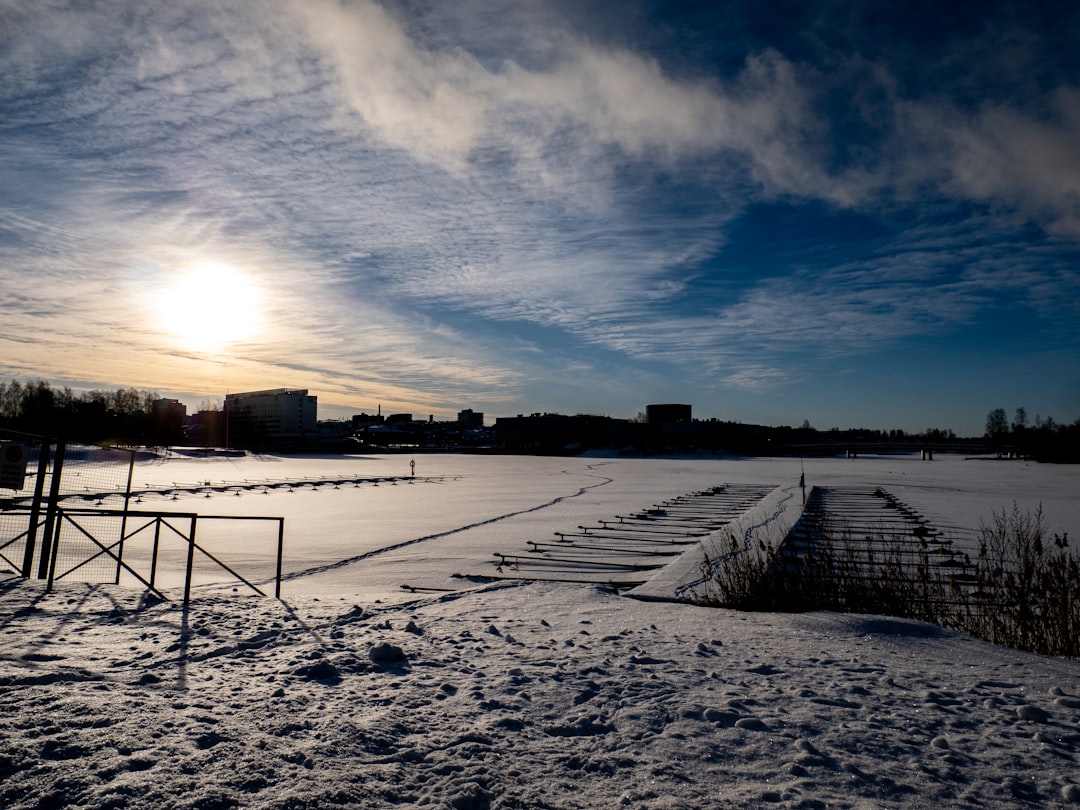
When we talk about sustainable travel, it’s easy to get caught up in greenwashing buzzwords, but Oulu is doing something entirely different by actually engineering its way into a circular future. Think about the city’s district heating network, which essentially captures waste heat from local data centers and industrial sites to warm homes, turning what would be environmental baggage into a utility. It’s a closed-loop system that proves you don’t have to sacrifice modern tech to minimize your carbon footprint. Plus, the way they’ve integrated a pneumatic tube network for waste in newer districts is brilliant—it totally cuts out the need for heavy garbage trucks, which means fewer emissions and quieter streets for everyone. I’m honestly impressed by how they’ve baked these choices into the city's DNA rather than treating them like optional add-ons.
The infrastructure here is just as forward-thinking when you look at how they handle daily movement and construction. They’ve installed a sensor-based traffic system that actually prioritizes cyclists over cars at intersections, which really nudges people toward the lower-impact option without making it a chore. And if you look at their building codes, you’ll see they’re mandating cross-laminated timber for public projects, which is a massive upgrade over traditional steel or concrete because it stores carbon for decades. They’re even using reflective paving materials on those bike paths to keep surface temperatures down during the summer, which is a clever way to fight the heat island effect. It’s these kinds of technical details that make me feel like I’m visiting a real-world prototype for how cities can actually thrive in a changing climate.
What really seals the deal for me is how they manage to balance all this high-tech planning with actual, messy nature. They aren't just building for humans; they’ve set up protected biological corridors that connect the city center directly to the wild forests, ensuring that local flora and fauna can move freely through the urban footprint. I love that they use motion-activated lighting in parks to keep from stressing out migrating owl populations, showing a level of consideration you rarely see in a northern hub. They’re even tracking the health of their peatlands—which act as massive natural carbon sponges—using satellite data to make sure they’re still doing their job effectively. When you’re here, you’re not just a tourist; you’re witnessing a community that’s figured out how to live alongside the environment instead of just moving through it.
Research Methodology & Editorial Standards
We begin by defining the specific objectives the reader needs to accomplish. Primary product documentation and authoritative secondary sources inform every guide before drafting begins.
Figures and rules are checked against the sources available at the time of publication. Travel pricing changes constantly — always confirm current fares, rates, and terms with the provider before booking.