
AirAsia bets big on the future with massive Airbus A220 fleet expansion
By leaning into the A220-300, they are effectively trading away the brute force of older, thirstier aircraft for the surgical efficiency of a platform that burns 25% less fuel per seat.
Strategic Shift: Why AirAsia is Betting on the Airbus A220
Let's be honest, when you see a carrier like AirAsia commit $19 billion to 150 Airbus A220s, it’s not just a fleet upgrade; it’s a total reimagining of how they plan to win in the low-cost market. I’ve been digging into the numbers, and the core of this shift is about survival and agility in an era of unpredictable fuel costs. By leaning into the A220-300, they are effectively trading away the brute force of older, thirstier aircraft for the surgical efficiency of a platform that burns 25% less fuel per seat. It’s a massive bet, but when you look at the economics of flying thinner routes, it’s the kind of move that keeps an airline profitable when margins are being squeezed from every angle.
Think about the operational reality here: the A220 lets them skip the congested, expensive hubs and open direct lines between secondary cities, like Chiang Mai and North Asia, that were previously out of reach or just too expensive to serve. Those Pratt & Whitney geared turbofans aren't just about saving fuel; they’re about changing the math on what makes a route viable. And because these planes are quieter and lighter—thanks to all that carbon fiber—AirAsia can actually squeeze into noise-sensitive urban airports that were previously closed off to them. It’s a smart way to gain a footprint in markets where their competitors are essentially locked out.
But what really catches my eye is the potential for pilot productivity and turnaround speed. By choosing a cockpit that shares technical commonality with their existing A320 family, they’re keeping training costs low and keeping their crews versatile. Plus, the cabin is actually designed for humans, with wider seats and bigger bins, which makes a huge difference when you're trying to keep those turnarounds fast and the passengers happy. It’s a rare moment where efficiency and passenger comfort actually align rather than fighting each other. I'm really curious to see how this plays out, but on paper, it looks like they've found a way to lower their break-even load factor while simultaneously expanding their reach.
Unlocking Efficiency: Operational Benefits of the A220 Fleet
Beyond the obvious fuel savings, we need to talk about the sheer technical reliability built into the A220 that keeps these planes in the air where they belong. The aircraft uses an advanced health monitoring system that beams real-time data back to the hangar, meaning ground teams can spot a potential issue and fix it before it ever turns into a grounded flight. It’s a complete departure from the old way of doing things where you’d only know something was wrong once the light went red on the dash. Plus, the engines are constantly reporting on their own vibration and thermal stress levels, so engineers can address component wear before a failure actually happens.
Think about the time saved during those critical ground turnarounds when every minute counts. With a centralized maintenance interface pulling data from over a thousand sensors, mechanics don't have to go digging for problems—the plane essentially tells them exactly what it needs. And because the airframe is packed with modern materials like carbon composites and lithium-aluminum alloys, you aren't fighting the constant, slow battle against corrosion that eats up time and money on older metal fleets. It’s designed to stay in the shop for shorter periods, which is honestly the only way to make a high-frequency, low-cost model really work in the long run.
The flight deck is another massive upgrade for the crews, too. Pilots get five large 15-inch LCD screens that make navigating complex systems way more intuitive than the cluttered, legacy cockpits they’re used to. That, combined with side-stick controllers that make handling feel precise rather than heavy, really takes the edge off during those long, multi-sector days. And for the airline, the modular avionics mean that updating software is a straightforward process rather than a massive structural overhaul. It all adds up to an operational machine that is just as comfortable landing on a short, gravel-capable runway as it is navigating the noise-restricted approaches of a busy city center.
Expanding Reach: How New Aircraft Will Shape AirAsia’s Route Network
Look, when I look at the sheer scale of this 150-aircraft order, it’s clear that AirAsia isn't just adding capacity; they’re fundamentally rewriting their map. By bringing the A220-300 into the fold, they’re gaining the ability to touch down at runway-constrained airports that previously felt off-limits. We're talking about spots that demand steeper approaches or lack the heavy-duty infrastructure needed for older, heavier metal. It’s a game changer because those airports often sit right in the middle of untapped, high-demand secondary markets.
Think about the sheer range here; with a 3,400-nautical-mile capability, they can finally bridge the gap between Kuala Lumpur and secondary cities across Northern Australia or Central Asia without needing a refueling stop. That’s a massive jump in utility. Plus, because the A220 is significantly quieter than the A320s they’re used to, they can skirt around those rigid nighttime curfews that keep other carriers grounded. It’s like having a skeleton key that unlocks access to urban hubs where their competitors simply aren't allowed to fly after dark.
And honestly, the technical edge here goes beyond just range and landing rights. The cabin itself is built for the high-turnaround lifestyle, with bin volumes that are about 30% larger, which is going to make boarding and getting off the plane feel way less chaotic for everyone involved. They’ve also baked in satellite tech that lets pilots tweak their flight paths on the fly to dodge bad weather, which saves fuel and keeps things running on time. It feels like they’ve finally found a way to balance the aggressive, high-frequency nature of their business model with the kind of modern efficiency that actually lets them grow into these smaller, underserved markets without breaking the bank.
Modernizing the Experience: Enhancing In-Flight Comfort for Passengers
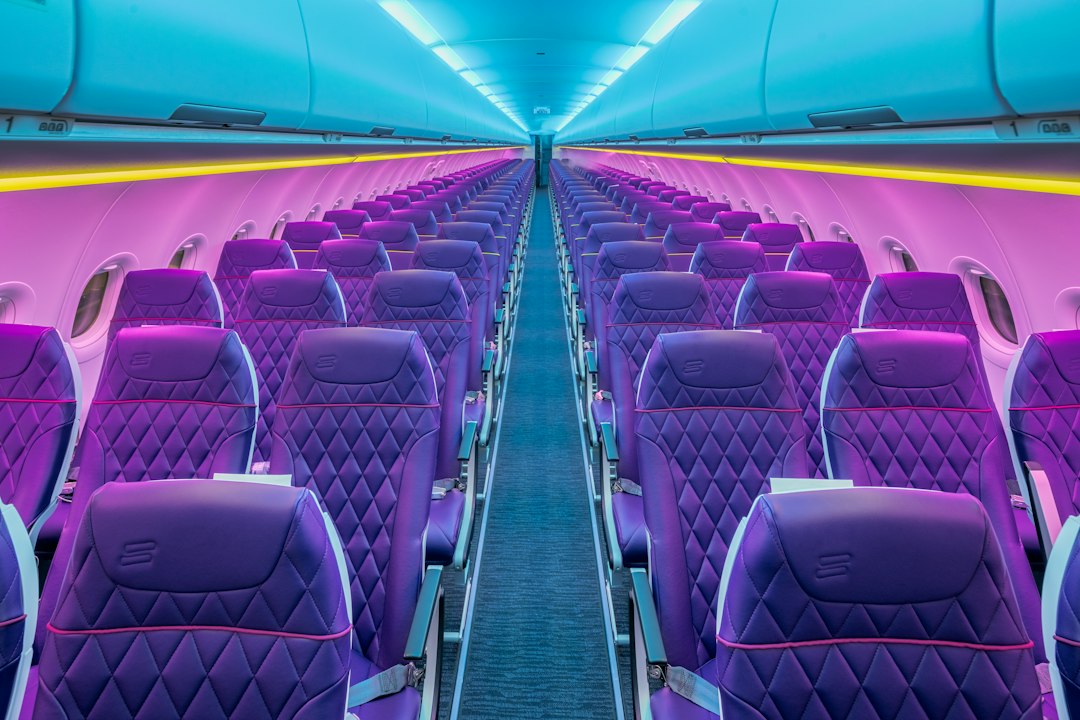
Let’s pause for a moment and reflect on what all this talk of new fleets actually means for you when you’re stuck in 35D for a five-hour flight. We’ve seen big legacy carriers like Lufthansa and Swiss scrambling to overhaul their cabins with projects like Project FOX or by deploying fresh A350s to stay relevant, but AirAsia is taking a different, arguably smarter path by baking passenger comfort into the very bones of the A220. It’s not just about a fresh coat of paint; the aircraft’s cross-section is legitimately wider, allowing for 18.6-inch economy seats that actually feel like you have a bit of breathing room. And because the airframe is built from carbon fiber composites, the cabin can handle higher humidity levels, which is a massive deal if you’ve ever stepped off a plane feeling like a dried-out husk.
You know that specific, low-level drone that hums through your skull on a long-haul flight? The A220’s geared turbofan engines cut that noise footprint by about four times compared to the planes we’re used to, and that’s a game changer for arriving without that weird, ringing fatigue. They’ve even integrated LED lighting that mimics sunrise and sunset, which is a subtle but effective trick to help your internal clock adjust during those longer regional hops. Plus, the air is refreshed every two to three minutes through high-efficiency filters, which feels like a massive upgrade over the stale, recycled atmosphere of older narrow-body jets.
But here is where I think the design really gets clever: the overhead bins use a vertical opening mechanism that actually fits your roller bag without a fight, and every seat is wired for power and connectivity from the factory floor rather than having those clunky, aftermarket boxes bolted underneath your feet. Even the temperature control is smarter, using sensors to adjust airflow based on where people are actually sitting instead of blasting a generic arctic chill through the whole cabin. It’s a bit of a departure from the "cram as many people in as possible" philosophy we’ve come to expect from low-cost carriers, and honestly, it makes me think they’re finally realizing that if you make the experience less of a chore, people are going to keep coming back.
Sustainability Goals: Reducing Carbon Footprint with Next-Gen Jets
When we talk about lowering an airline’s carbon footprint, it’s easy to get lost in the marketing fluff, but the reality is that the shift to next-gen platforms like the A220 changes the physics of flying entirely. Let’s look at the airframe itself, which leans heavily on thermoplastic composites instead of traditional aluminum. These materials aren't just lighter; they’re more durable and, crucially, much easier to recycle once the plane reaches the end of its service life. Because they’re so strong, engineers don't need as much bulky reinforcement, which sheds hundreds of kilograms of dead weight that would otherwise cost fuel to haul into the sky. When you combine that structural weight loss with a drag coefficient that’s been optimized by advanced computational fluid dynamics, you’re looking at an aircraft that simply requires less brute force to maintain its cruise speed.
The engine tech is where the math really gets interesting, though, particularly because these Pratt and Whitney geared turbofans are designed to run on 100% sustainable aviation fuel. Think of the reduction gearbox as a way of letting the fan spin at a slower, quieter speed while the core turbine keeps humming along at its most efficient, high-speed setting. This setup is a total departure from legacy engines that force a compromise between speed and fuel efficiency. Plus, by swapping out heavy, leak-prone hydraulic systems for precise electromechanical actuators, the entire electrical load is minimized. It’s a cleaner, more refined way to power an aircraft, and it shows in the way these jets sip fuel during every phase of the flight.
But it’s not just about what happens inside the engine, as the operational side of these jets is just as efficient. With sophisticated flight management software, pilots can execute continuous descent operations that cut out the fuel-heavy holding patterns we’ve all sat through while circling a busy airport. Because these planes have a much smaller noise footprint, they’re cleared for more direct flight paths that legacy jets just can't touch, which shaves precious minutes—and liters of fuel—off every single route. Even the cabin interior plays a part, using bio-based polymers that keep the weight down, while the data-driven weather avoidance systems keep the flight path optimized in real-time. Honestly, when you stack all these small, incremental gains together, you start to see how an airline can actually hit its sustainability targets without just buying carbon offsets and hoping for the best.
Long-Term Outlook: AirAsia’s Position in the Post-Pandemic Aviation Market
It’s not just about buying new planes; it’s about finally breaking free from the constraints of the legacy low-cost model that relies on jamming passengers into older, high-maintenance jets. When you look at their strategy, they’re effectively using these 150 aircraft to trade brute force for surgical precision, opening up secondary, high-demand airports that competitors simply can’t access due to noise curfews. I’m seeing a real shift in how they’re handling their margins, too, as that 25% fuel efficiency gain per seat isn't just a talking point—it’s the reality that keeps them profitable when fuel prices behave unpredictably.
But here is where it gets interesting from a pure operational standpoint: they’re using the A220’s inherent reliability to stop the "grounded flight" cycle that plagues so many other airlines. By leaning into predictive maintenance that spots engine issues before they happen, they’re keeping their planes in the air significantly longer during those tight turnarounds. And let’s talk about the passenger experience for a second, because even if you’re a budget traveler, you’ll notice the difference. With wider seats and a cabin that doesn't feel like a pressurized tin can, they’re actually seeing a bump in ancillary revenue from seat upgrades, proving that you don’t have to sacrifice comfort to make a low-cost model work.
Looking ahead, I think this fleet transformation is the only way they’ll survive the next decade of tightening environmental regulations. By moving toward a platform capable of running on sustainable aviation fuel and utilizing advanced software to shave off fuel burn through smarter flight paths, they’re getting ahead of the curve before regulators force their hand. It’s a bold, expensive move, but it gives them a level of agility that the big legacy carriers, with their bloated, aging fleets, just can't match. If I’m looking at the competitive landscape, I’d say AirAsia has effectively bought themselves a future-proofed roadmap—now they just have to execute on those shorter, more efficient turnarounds without losing the scrappy, high-frequency energy that got them here in the first place.
Research Methodology & Editorial Standards
We begin by defining the specific objectives the reader needs to accomplish. Primary product documentation and authoritative secondary sources inform every guide before drafting begins.
Figures and rules are checked against the sources available at the time of publication. Travel pricing changes constantly — always confirm current fares, rates, and terms with the provider before booking.