
Essential Chinese dishes every traveler needs to experience
It’s a tedious, multi-day commitment that shows why you really can’t fake this experience at home.
Mastering the Art of Dim Sum: Small Bites, Big Flavors
I’ve always thought that dim sum is less of a meal and more of a masterclass in physics and chemistry disguised as brunch. If you’ve ever wondered why those har gow dumplings are so perfectly translucent, it comes down to a precise blend of wheat and tapioca starches that you just can't get with standard flour. That signature texture isn't an accident, and neither is the folding technique. You’re looking for ten to twelve pleats, which actually act as a structural framework to keep the dumpling from falling apart under the pressure of the steamer. Honestly, it’s wild how much engineering goes into a single bite.
Then there’s the whole science of the soup dumpling, which completely baffled me until I realized they chill the pork broth into a solid jelly before wrapping it. It’s the only way to get that liquid center without the dough soaking through before it hits the heat. When you’re eating siu mai, you’re looking for that specific q-tan bounce, which only happens if you nail the ratio of shrimp to fatty pork. And don't get me started on the bamboo steamers; they aren't just for show. Their natural porosity is the only thing keeping the steam from turning into soggy condensation on your pastry.
There is a real art to the timing, too. If you don't hit that 165-degree internal mark for the shrimp, you miss out on that satisfying snap. But the real game-changer for me was learning about the fermented black beans used on spare ribs. By letting those beans ferment, you’re triggering an enzymatic reaction that creates an umami profile you simply cannot replicate with fresh ingredients. It’s why the food at the best spots feels so much deeper than what you’d make at home. Just remember to tilt the lid when you open it, because a single stray drop of water can ruin that beautiful skin. It’s all in the details.
From Street Food to Banquet: The Iconic Peking Duck Experience
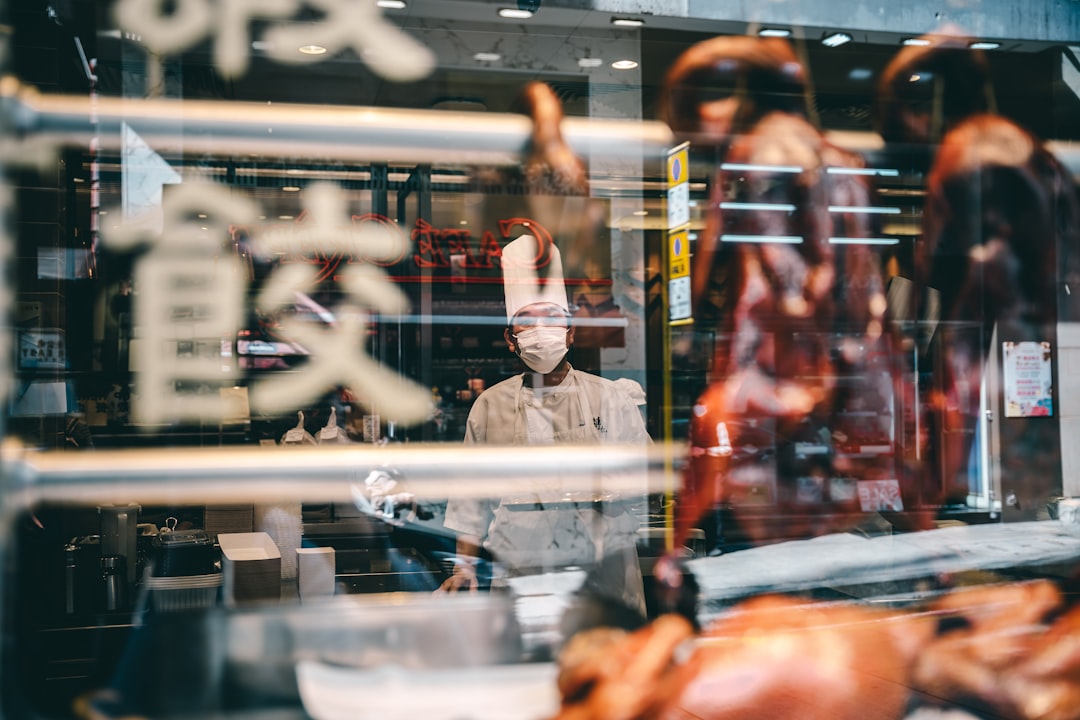
When we talk about Peking duck, we’re really talking about a masterclass in thermal manipulation and patience. It’s not just a roasted bird; it’s a dish that demands you respect the physics behind that signature crunch. The preparation actually starts with inflating the bird like a balloon to separate the skin from the meat, which is the only way to ensure the fat renders out completely during the roasting phase. If you skip the twenty-four-hour drying period after the maltose syrup glaze, you're honestly just wasting your time because that dehydration is what keeps the skin from turning soggy in the oven. It’s a tedious, multi-day commitment that shows why you really can’t fake this experience at home.
The fuel choice is just as critical as the bird itself, with master chefs opting for fruitwoods like jujube or pear to impart a subtle, aromatic profile that you simply don’t get with standard charcoal. I’ve watched chefs carve these, and it’s fascinating how they aim for exactly one hundred and eight pieces to maintain that perfect, uniform presentation. You’ll notice the skin is almost always served first, often dipped in a bit of granulated sugar, which highlights the contrast between the shatter-crisp texture and the richness of the rendered fat. It’s a sensory experience that feels worlds away from the street food origins of the dish, evolving over centuries from a medicinal preparation into the centerpiece of an imperial banquet.
When it finally hits your table, the goal is that paper-thin skin that cracks under the slightest pressure, paired with those perfectly steamed, pliable pancakes. You’ve got to move fast, though, because that residual heat is a double-edged sword; let it sit too long and the fat softens the skin, ruining that delicate balance. I always look for that specific, glassy deep-red finish that tells me the moisture content in the outer layer was dialed in perfectly. The remaining meat is never an afterthought, either, usually finding its way into a dense, flavor-packed broth or a stir-fry that rounds out the entire meal. It’s a dish defined by rigorous standards, and when you find a kitchen that nails the timing, you’ll understand exactly why it remains the gold standard of Chinese culinary tradition.
Spicy and Bold: Navigating the Heat of Sichuan Cuisine
If you’ve ever felt that strange, buzzing vibration on your tongue after a bite of authentic mapo tofu, you’ve experienced the magic of mala. It’s not just "spicy" in the way a jalapeño is; that sensation is actually a physical reaction to hydroxy-alpha-sanshool, a molecule in Sichuan peppercorns that vibrates your tactile receptors at about 50 Hertz. Think of it as a neurological hack that tricks your brain into feeling a buzzing, tingling frequency instead of just a burn. While the capsaicin from chili peppers brings the fire, the peppercorns act as a clever desensitizing agent, essentially numbing your mouth so you can actually handle the higher concentrations of chili oil that would otherwise be overwhelming.
Honestly, the real secret to this cuisine isn't just turning up the heat, but understanding how to balance it. You’ll find that authentic Sichuan cooking relies heavily on doubanjiang—a fermented broad bean paste that’s usually aged for at least three years to get that deep, funky umami profile. When a kitchen uses a high-quality, aged paste, you can taste the difference immediately; it’s far more complex than the quick-fix sauces you find in a lot of standard takeout spots. And here’s a pro tip: look for chefs who fry their aromatics in cold oil. It sounds counterintuitive, but it lets the ginger, garlic, and scallions infuse the oil slowly without scorching, which keeps the flavors bright rather than bitter.
When you’re sitting down to a Chongqing-style hot pot, pay attention to the surface of the broth; it’s usually coated in a thick layer of beef tallow for a reason. That fat is a fantastic vehicle for holding onto volatile spice aromatics, and it acts as an insulator to keep the soup at a steady, rolling boil while you’re cooking. It’s also fascinating how they use different types of chilies—dried, fresh, and pickled—to hit various parts of your palate at the same time. This layering technique is what prevents that dreaded palate fatigue, keeping the meal exciting from the first bite to the last. It’s all a massive, delicious experiment in chemistry, and once you start looking for these details, the food becomes so much more than just a challenge to your heat tolerance.
Comfort in a Bowl: Essential Noodle Dishes Across the Provinces
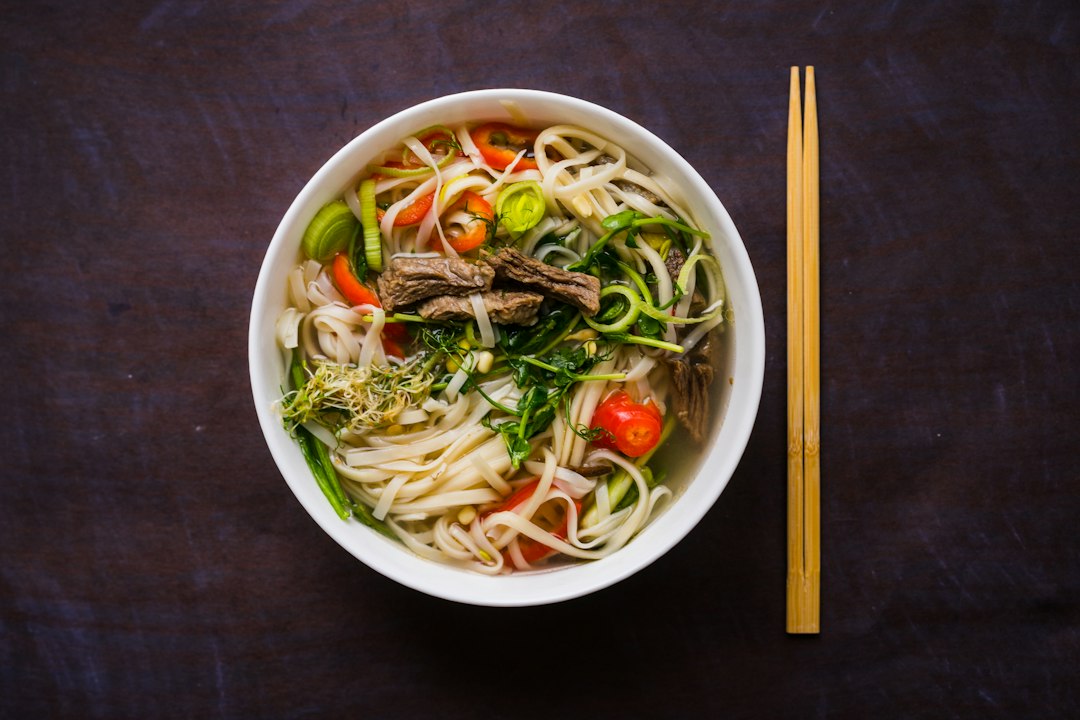
When you’re traveling through China, you quickly realize that noodles aren't just a quick meal—they’re a localized masterclass in grain science and structural engineering. Let’s talk about Lanzhou lamian, for instance, which fascinates me because of the extreme mechanical stretching required to align gluten proteins into those impossibly long, uniform strands. You’re essentially looking at a process where the addition of peng hui, an alkaline salt from desert plants, stabilizes the dough to prevent it from snapping under that high-tension pull. It’s that exact chemistry that gives the noodles their legendary, elastic chew. If you’ve ever wondered why some noodles feel soft while others have that distinct, toothsome resistance, it’s all about the hydration percentage, which usually stays in a narrow forty to forty-five percent window to keep the dough dense but pliable.
But then you head to Shaanxi and encounter biangbiang noodles, which play by a completely different set of rules due to their massive width and thickness. Because they’re so heavy, the dough has to undergo a fermentation period that allows the gluten to relax significantly; otherwise, the noodle would simply tear under its own weight before it even hit the pot. I also find the science behind Yunnan’s crossing-the-bridge rice noodles pretty brilliant because they use a layer of oil atop the boiling broth to trap steam. This creates a miniature pressure cooker effect, allowing raw ingredients to flash-cook the moment they touch the liquid. It’s a level of thermal management you don’t really see with other regional staples, and honestly, the result is incredibly fresh.
If you’re looking for a lesson in contrast, the Shanxi vinegar-cut noodles are a personal favorite because they utilize the acidity of vinegar as a literal cross-linking agent. That acid firms up the exterior of the dough, leaving you with a soft, comforting interior protected by a firm, resilient shell. Meanwhile, in the south, Cantonese-style wonton noodles rely on lye water to spike the pH level, which not only gives them that signature golden hue but also that sharp, crisp bite you can’t get with standard water-based doughs. Even the way sauces interact with the starch is an art form; take Sichuan Dan Dan noodles, where the fat-to-starch ratio is dialed in so perfectly that the sauce clings to the surface via tension rather than just pooling at the bottom of the bowl. It’s these precise, provincial variations that make exploring noodle culture so rewarding—you’re never just eating, you’re experiencing centuries of edible R&D in every single bowl.
Regional Classics: Understanding China’s Diverse Culinary Landscapes
When you start peeling back the layers of Chinese food, you realize it’s not a monolith but a massive, shifting map of environmental adaptations and chemical ingenuity. I’ve spent years looking at how geography dictates the pantry, and it’s honestly fascinating how the high-altitude Tibetan Plateau forced the development of specialized dairy preservation, while the humid southern provinces pioneered alkaline curing to transform eggs into those distinct, gelatinous delicacies we see in Shanghai. You’re essentially looking at a country that turned survival into a science, where long-term storage techniques for cabbage in the Northeast or the use of fermented chilies in Hunan weren't just about taste—they were essential strategies for managing seasonal scarcity.
If you head into the Jiangnan region, you’ll see how the local use of Shaoxing rice wine serves a dual purpose: it’s an aromatic powerhouse, sure, but the amino acids from that fermented glutinous rice actually break down connective tissues in meats during braising in a way that plain water never could. It’s the same level of precision you find in Fujian, where the legendary multi-day stewing of seafood like sea cucumber is a masterclass in breaking down collagen into that signature, silky mouthfeel. I always find it interesting how Yunnan’s reliance on wild fungi leans so heavily on naturally occurring glutamic acid to boost umami, which really lets chefs step back from the salt shaker and let the earthier, volatile flavors of the mushrooms take center stage.
But what really hits home for me is how these regional distinctions have become the gold standard for global dining, whether you're scouting for a Michelin-recognized spot in Taizhou or finding an elevated take on these classics in a place like Macau. You’ve got to appreciate the structural engineering behind things like northern steamed buns, which rely on wild, symbiotic yeast cultures that commercial shortcuts just can't touch. It’s this massive, evolving experiment in thermal management and fermentation that makes every province feel like a completely different world. Next time you sit down to a meal, try to look past the plate and see the centuries of trial and error that went into every single bite—it’s the only way to really appreciate the craft.
Beyond the Basics: Must-Try Snacks and Street Food Favorites
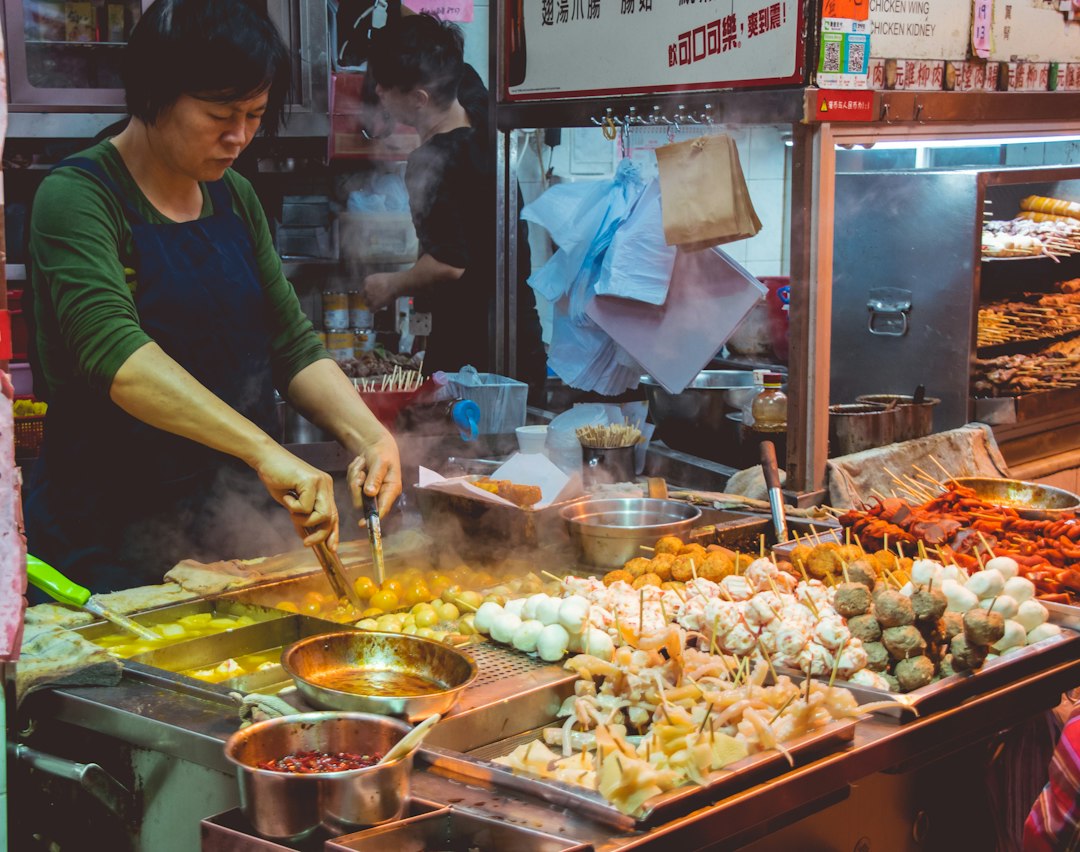
Let’s be honest, the real magic of a trip often hides in those quick, paper-wrapped bites you grab while navigating a crowded night market. While sit-down meals get all the glory, street food is where you find the true technical prowess of a culture. Take jianbing, for instance; it’s not just a breakfast crepe. It uses a mung bean batter specifically designed to create a thin, brittle structure that stays crisp rather than turning rubbery. The secret is the baocui, a deep-fried wheat component that’s dried to under three percent moisture, ensuring it shatters perfectly against the soft, warm crepe. It’s that kind of structural engineering that makes a simple snack feel like a carefully balanced architectural feat.
Then you have snacks like stinky tofu, which might sound intimidating, but it’s actually a masterclass in controlled fermentation. By using a brine of mustard greens and bamboo shoots, chefs break down proteins into amino acids, and the subsequent high-heat frying triggers a Maillard reaction that transforms a pungent aroma into a deeply savory, complex flavor profile. It’s the same precision you see with tanghulu, those candied hawthorn skewers. If the sugar syrup isn't heated to exactly 300 degrees—the hard-crack stage—you lose that glass-like finish that shatters on impact, leaving you with something sticky rather than crisp.
I’m also constantly fascinated by the use of fats in street food, like the rendered lard used in lamination for scallion pancakes. By folding layers of dough with lard, the water content evaporates instantly in the pan, creating a separation of layers that mimics a high-end puff pastry. Even something as humble as an egg waffle relies on a specific ratio of evaporated milk and custard powder to puff up into those iconic hollow spheres, maximizing surface area for that addictive, caramelized crunch. It’s these small, scientific details—like the alum-driven expansion in youtiao or the gelatin-infused fillings in baozi—that elevate a quick snack into something you’ll remember long after the trip ends. When you’re out there, keep an eye out for these textures; they’re the hallmarks of a kitchen that really knows its craft.
Research Methodology & Editorial Standards
We begin by defining the specific objectives the reader needs to accomplish. Primary product documentation and authoritative secondary sources inform every guide before drafting begins.
Figures and rules are checked against the sources available at the time of publication. Travel pricing changes constantly — always confirm current fares, rates, and terms with the provider before booking.