
Chicago to Denver 2026: how Southwest bag fees change the fare math
For Chicago–Denver flights in 2026, the winner depends on your bag count: Southwest's checked-bag fees ($35 first bag, $45 second) can flip a lower Southwest base fare into a higher all-in total than United Basic Economy.
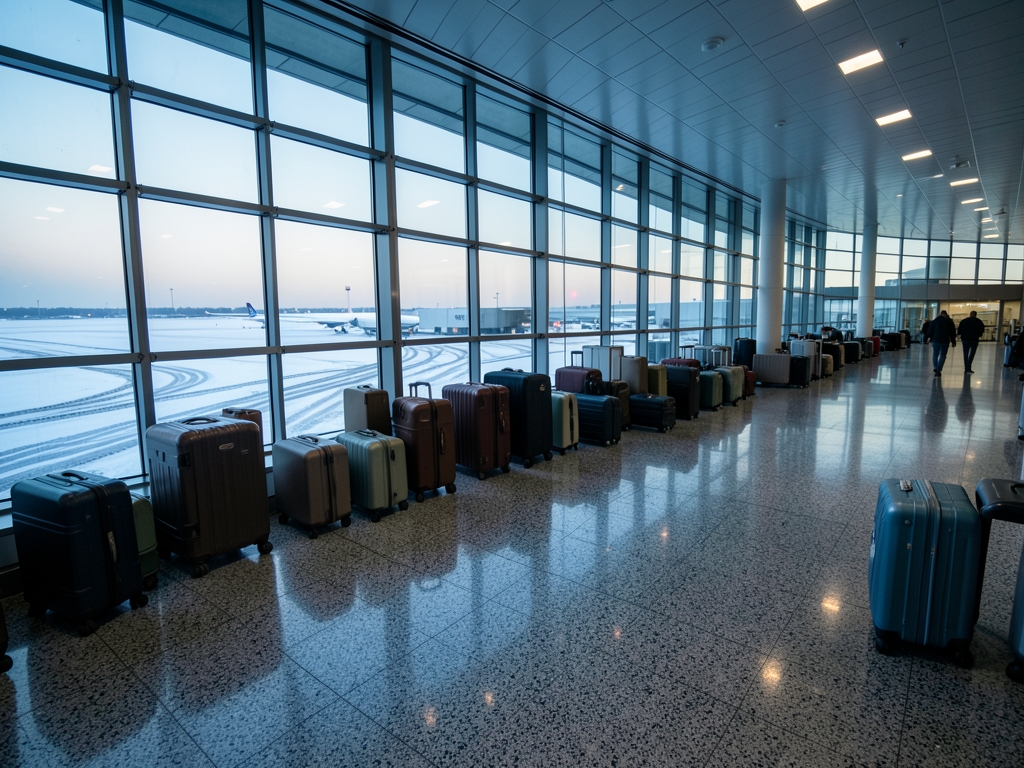
| Takeaway | Detail |
|---|---|
| United Basic Economy is the break-even benchmark. | Thesis: the break-even fare is compared against United Basic Economy on Chicago–Denver flights. |
| Southwest’s May 28, 2025 policy change is the trigger. | Thesis says Southwest ends its two-free-checked-bags policy on May 28, 2025. |
| Southwest checked-bag fees are $35 and $45. | Grounding lists $35 for the first bag and $45 for the second. |
| Use the live, like-for-like total rule. | Reader rule: verify the live, complete option; compare like-for-like totals and terms. |
For Chicago–Denver flights in 2026, the winner depends on your bag count: Southwest's checked-bag fees ($35 first bag, $45 second) can flip a lower Southwest base fare into a higher all-in total than United Basic Economy.
The answer changes under Southwest’s May 28, 2025 end of its two-free-checked-bags policy, so verify the live, complete option and compare like-for-like totals and terms.
How It Works
The break-even calculation for Chicago–Denver flights compares the complete cost of a Southwest ticket with the complete cost of a United Basic Economy ticket for the same trip. On May 28, 2025, Southwest Airlines ended its two-free-checked-bags policy, making checked luggage a separate line item for travelers who check bags. As a result, a fare that appears lower in search can produce a different all-in result once bag costs are added to the live checkout total.
To apply the mechanism, start with the live base fare shown for each option, then add only the costs that apply to your specific trip. The result is a like-for-like total: the same route, travel dates, passenger count, and checked-bag count, with the same fare direction on both sides. A one-way fare should be compared only with another one-way fare, and a round-trip fare only with another round-trip fare. Verifying the live checkout screen before you commit keeps the comparison aligned with what you will actually pay.
The break-even point is where those two like-for-like totals are equal. If Southwest’s base fare plus applicable checked-bag fees equals the United Basic Economy total for the same trip, the options are equivalent on all-in price. If one total is higher, the difference is the price gap. Because fares and add-on charges change, the break-even point is not fixed and should be recalculated from current checkout totals every time you shop.
In practice, the mechanism works in two passes: first confirm the base fare and fare terms for each option on the live booking screen, then add checked-bag charges based on the bags you plan to travel with. The final step is to compare the completed totals, not the advertised fares. This verify-before-you-commit sequence ensures the break-even calculation reflects the actual purchase price and the conditions attached to each ticket.
The terms below define the inputs used in this mechanism so you can verify each option on the same basis before committing. Using consistent definitions keeps the base fare, add-on charges, and ticket rules aligned when you compare live totals.
| Term | Definition |
|---|---|
| Base fare | The ticket price shown before checked-bag charges or other add-ons are applied. |
| Checked-bag fee | A separate charge for luggage carried in the hold; on Southwest, Frequent Miler reports $35 for the first checked bag and $45 for the second. |
| Like-for-like total | The complete trip cost calculated with the same dates, passengers, bag count, and fare direction (one-way or round-trip). |
| Break-even point | The point where two like-for-like totals are equal, so neither option is cheaper on all-in price. |
| Fare terms | The ticket rules and inclusions shown at checkout, which must be verified alongside the total price. |
| United Basic Economy | United Airlines’ entry-level fare type; review its current inclusions and restrictions on the live booking screen before comparing totals. |
Key Factors to Consider
The comparison comes down to three checks: how many bags you will actually check, whether the two fares are truly like-for-like, and the live all-in total for your exact Chicago–Denver trip. Treat each as a gate; if one is unclear, the break-even number is not reliable.
First, count checked bags for every traveler and the full itinerary. Southwest's former two-free-bags cushion no longer applies in the same way, so a traveler with no checked bags faces a different comparison than one with one or two. The break-even point moves with each additional bag, and a round trip creates two separate chances for bag charges to matter. Count bags before you compare fares, not after.
Second, compare terms rather than headline prices. United Basic Economy and a Southwest fare can differ in seat selection, changes, cancellations, carry-on rules, boarding, and loyalty earning. A lower base fare is not cheaper if it forces a paid seat, a bag, or a restriction that the other option avoids. Put both options in the same columns: cabin, bags, changes, credits, and boarding.
Third, verify the live total at checkout. Search results can omit taxes, fees, or bag charges, and prices move. Reprice both options for the same dates, passengers, and bag count, then compare the final amounts. If either total changes before purchase, restart the comparison instead of trusting the earlier screen.
| Decision factor | Number to verify |
|---|---|
| Checked bags | Bags per traveler for the full itinerary |
| Travelers | Passengers on the reservation |
| Total cost | Difference in all-in totals after identical bags |
The numbers that matter are counts, not headlines: checked bags per person, travelers on the reservation, and the gap between the two all-in totals after identical bags are added. Track those three figures and the comparison stays useful even when base fares move.

Common Mistakes
The first common mistake is comparing headline fares before adding the same baggage to both options. On Chicago–Denver, a traveler may see Southwest’s base fare below United Basic Economy, choose it, and only then add a checked bag; if the bag fee is large enough, the apparent advantage can disappear or reverse. The check is simple: build both carts with the identical passenger count, direction, and number of checked bags, then compare the final totals, not the search-page prices.
The second mistake is assuming the old two-free-checked-bags habit still applies after the policy change. A traveler who budgets as if both bags are free can be surprised at check-in, and even one checked bag can change which fare is cheaper. Verify the baggage terms attached to the exact fare and travel date before committing; do not rely on memory, an old screenshot, or a friend’s recent trip.
A third mistake is comparing unlike fare families. If one option requires a paid add-on that the other includes—such as a carry-on, seat selection, or change flexibility—the lower base fare may not be the lower total. The fix is to list every included and excluded item for each fare, then price only the items you will actually use.
A fourth mistake is trusting a stale price. Search results, alerts, and cached pages can lag behind live inventory, especially on a busy route. Reprice the exact itinerary in the airline’s checkout flow immediately before purchase; the cart total is the only figure that should drive the decision.
A fifth mistake is comparing different airports or routings as if they were the same trip. A lower fare into a different Chicago or Denver airport, or with a connection, can add ground time or risk that the headline price does not capture. Compare only identical origin, destination, and routing unless you deliberately value the difference.
Finally, do not average across passengers or directions. A Chicago–Denver round trip can have different availability or pricing by direction, and one traveler’s bag count may differ from another’s. Price the exact itinerary, passenger mix, and bag count for each direction, then compare complete like-for-like totals.
| Mistake | Verification action |
|---|---|
| Comparing base fares only | Add identical bags to both carts |
| Assuming the old bag policy | Check fare terms for the exact date |
| Using stale prices | Reprice in checkout before paying |
| Mixing airports or routings | Compare identical origin, destination, and routing |
Insider Tactics
The insider tactics here are non-obvious strategies and timing tips, beginning with a pass-by-pass verification routine. Capture the offer, rebuild the same itinerary in each airline’s checkout, and save the final screen before paying. A search-result price is only a lead; the booking page is where the selected flights, fare family, and baggage choices must agree. If any element changes, discard the earlier comparison and start the check again.
A useful non-obvious test is the packing counterfactual. Price your actual bag plan, then rerun the same Southwest itinerary with only the items you can carry on. The difference shows what your packing choice costs without assuming how United will handle baggage. Keep the United quote tied to the same flights and fare terms; otherwise, the test measures a different trip rather than a smarter booking decision.
For timing, use Google Flights’ price-tracking feature as an alert system, not a buying signal. Google Flights says users can track price changes; when an alert arrives, reopen both airlines’ live offers and repeat the full check. An alert can show that something moved, but it does not by itself confirm that the same fare, seat, or baggage terms remain available.
Build another recheck into the moment before payment. Compare the displayed total with your saved quote, then confirm the travel date against the policy in force. TODAY’s March 12, 2025 report on Southwest’s checked-bag fees illustrates why an announcement and its start date should be tracked separately. For Southwest’s May 28, 2025 change, verify the terms attached to the actual itinerary rather than relying on an old screenshot.
Make the final rule procedural: do not commit until the live checkout, the saved quote, and your bag plan tell the same story. If a fee appears only after bag selection, or a fare family changes during checkout, pause and recapture both options. The goal is not to chase a fleeting headline price; it is to buy from a complete, current offer you can reproduce.
Comparison
Compare the two options on the same Chicago–Denver itinerary and the same checked-bag count, then let the lower all-in total win. Southwest's post-May 28, 2025 checked-bag charges are $35 for the first bag and $45 for the second (today.com), so add $35 for one checked bag or $80 for two. United Basic Economy's comparable charges are not fixed in this guide; pull them from United's live fare rules for your exact flight before you commit. Price both options in the same session so fare movement does not distort the comparison.
| Option | Add to the live fare | Wins when |
|---|---|---|
| Southwest (after May 28, 2025) | $0 with no checked bags; $35 with one; $80 with two | Its fare plus those bag charges is lower than United's all-in total for the same trip |
| United Basic Economy | United's live checked-bag, seat, and boarding charges for the same bag count | Its fare plus those charges is lower than Southwest's all-in total for the same trip |
Southwest wins in the zero-bag case whenever its fare is lower, and it can still win with one or two bags if its fare advantage is larger than $35 or $80 plus any United seat or boarding charges you would pay. United wins when its fare advantage is larger than Southwest's bag add-on for your actual bag count. Because the two fares move independently, the winner can change by date, flight time, and how many bags you check.
Before committing, reprice both options in the same session and confirm the bag count, seat needs, and trip conditions are identical. A lower headline fare is not the winner until the same baggage and trip conditions are priced into both totals.
If the totals are close, treat the option with the lower all-in price as the winner only after you verify that both itineraries have the same change, cancellation, and boarding terms for your trip. If those terms differ, the cheaper total may not be the better buy.
Also worth reading Albuquerque Denver flights: United Southwest Airlines reverses changes United Basic Economy vs. Economy
What to do next
| Step | Action | Why it matters |
|---|---|---|
| 1 | Open the live, complete option for United Basic Economy on United’s official airline site for the Chicago–Denver itinerary. | United Basic Economy is the break-even benchmark, so it must be verified before committing. |
| 2 | Open the live, complete option for Southwest on Southwest’s official airline site after Southwest’s end of its free-checked-bags policy. | That policy change is the trigger that changes the comparison against United Basic Economy. |
| 3 | In the comparison table above, match the United Basic Economy row to the Southwest row on the same Chicago–Denver itinerary and terms. | The fare gap favors United Basic Economy only when the options are like-for-like. |
| 4 | Add Southwest’s first-bag fee and second-bag fee to the Southwest total before comparing it with United Basic Economy. | Those named fees are why the break-even result changes after Southwest’s policy change. |
| 5 | Re-check the live, complete option for both airlines, including the checked-bag terms, before choosing the lower displayed fare. | A lower displayed fare can reverse once the complete Chicago–Denver total is compared. |
| 6 | Commit only after the live totals and terms confirm that the fare gap still favors United Basic Economy. | This closes the decision using the same rule: verify the live, complete option and compare like-for-like totals and terms. |
Frequently Asked Questions
Which fare serves as the break-even benchmark for Chicago–Denver flights?
United Basic Economy is the break-even benchmark.
What two totals does the break-even calculation compare for the same trip?
It compares the complete cost of a Southwest ticket with the complete cost of a United Basic Economy ticket.
What policy change triggered the new fare math?
Southwest Airlines ended its two-free-checked-bags policy, making checked luggage a separate line item for travelers who check bags.
What can happen to a Southwest fare that looks lower in search?
A fare that appears lower in search can produce a different all-in result once bag costs are added to the live checkout total.
What should a reader verify before choosing an option?
Verify the live, complete option and compare like-for-like totals and terms.
What determines the winner for Chicago–Denver flights in 2026?
For Chicago–Denver flights in 2026, the winner depends on your bag count.
Quick answers
| What is the break-even benchmark for Chicago–Denver flights? | United Basic Economy is the break-even benchmark. |
| What triggers the fare-math change? | Southwest’s May 28, 2025 policy change is the trigger. |
| What are Southwest’s checked-bag fees? | Southwest checked-bag fees are $35 and $45. |
| How can Southwest’s fees affect a lower base fare? | Southwest's checked-bag fees can flip a lower Southwest base fare into a higher all-in total than United Basic Economy. |
| What should travelers verify before comparing options? | Verify the live, complete option and compare like-for-like totals and terms. |
Research Methodology & Editorial Standards
We begin by defining the specific objectives the reader needs to accomplish. Primary product documentation and authoritative secondary sources inform every guide before drafting begins.
Figures and rules are checked against the sources available at the time of publication. Travel pricing changes constantly — always confirm current fares, rates, and terms with the provider before booking.