
Shanghai breakfast on a budget: jianbing, baozi, and hotel buffet checks
For 2026, 10 yuan jianbing beats a hotel buffet when the verified, complete like-for-like totals and terms favor the jianbing.
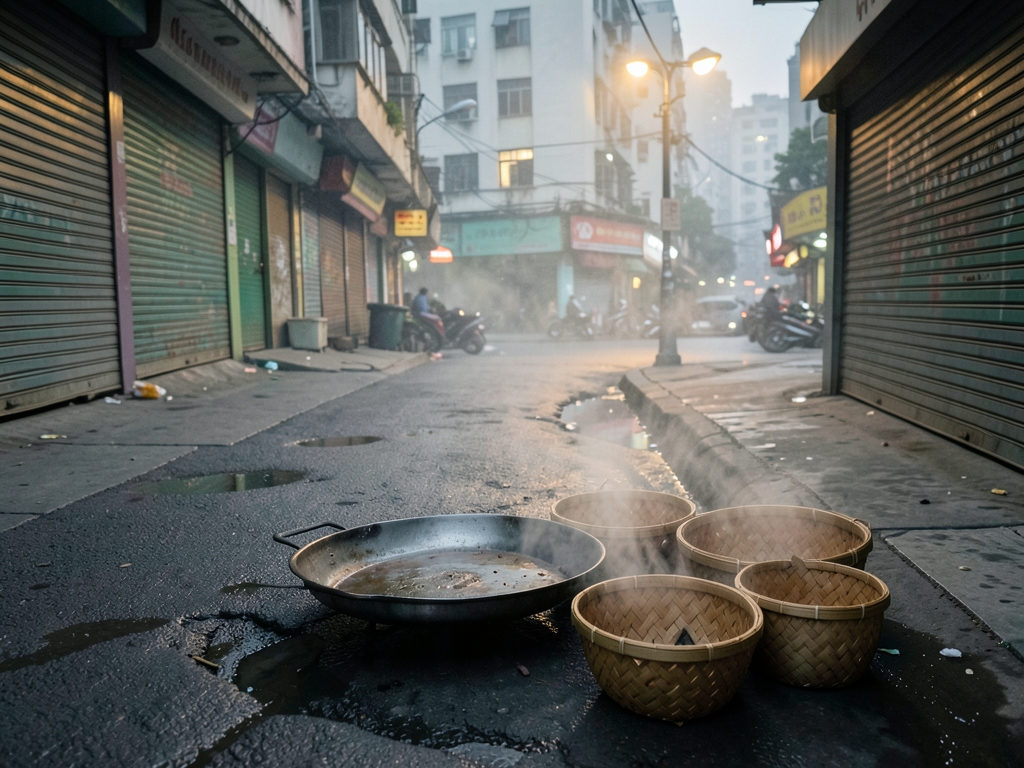
For 2026, 10 yuan jianbing beats a hotel buffet when the verified, complete like-for-like totals and terms favor the jianbing.
The guide works from 10 yuan jianbing and 15 yuan baozi as reference benchmarks, not verified live prices, and the answer changes when hotel breakfast alternatives win the like-for-like totals-and-terms comparison you run at the point of purchase.
How It Works
Ordering a Shanghai breakfast is a small transaction with several moving parts: a base item, optional fillings or sides, a posted or quoted price, and a final payment method. The mechanism is simple but easy to rush: you choose the base, the vendor assembles it, and the price can change with each add-on. A verify-before-you-commit habit means treating the quoted total as a live offer, not a memory of last time, and confirming every component before money changes hands.
Start with the base. A jianbing is a savory crepe cooked on a griddle and folded with egg, sauce, and crisp elements; a baozi is a steamed bun, usually sold by the piece or in a small set. The base price is only the starting point. Add-ons such as extra egg, sausage, chili, or a drink can be priced separately, and a "set" may bundle items at a single figure. The mechanism to control cost is to name the base, name each add-on, and ask for the combined total before the vendor finishes cooking.
Key terms keep the comparison honest. "Live posted price" means the price shown or stated at that stall on that visit, not a guide figure or a friend's recollection. "Add-on" means any item beyond the base. "Set" means a bundled combination, which may or may not include a drink. "Total landed cost" means the amount you actually pay, including any service charge, tax, or hotel fee. "Like-for-like" means comparing the same base, same add-ons, same quantity, and same included services.
| Term | Meaning in this guide |
|---|---|
| Live posted price | Price shown or stated at that stall on that visit |
| Add-on | Any item beyond the base, such as extra egg or a drink |
| Set | A bundled combination that may or may not include a drink |
| Total landed cost | Amount actually paid, including service charge, tax, or hotel fee |
| Like-for-like | Same base, add-ons, quantity, and included services |
For hotel breakfast, the mechanism differs: the price may be a buffet rate, an a la carte menu, or a room-inclusive credit. Ask whether the rate is per person, whether tax and service are included, and whether unused credit carries over. The same verify-before-commit rule applies: get the complete, current terms in writing or on the menu before ordering.
The guide's price-checked examples are a 10 yuan jianbing and a 15 yuan baozi, but those figures are reference points, not guarantees. Use them to sanity-check a quote, then verify the live total for your exact order.
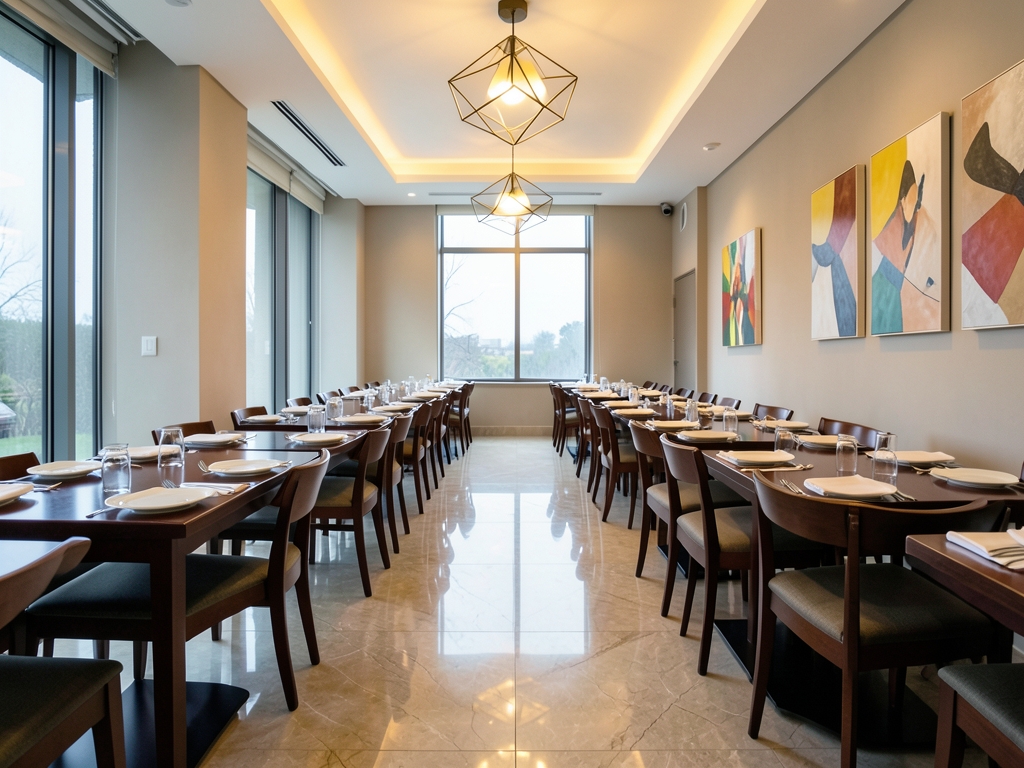
Key Factors to Consider
The top three decision criteria are verified total cost, completeness of the offer, and practical fit. Start with the amount you will actually pay for the exact choice in front of you. Then confirm what that amount covers and which conditions apply. Finally, check whether the option meets your location, timing, and dietary needs. A low figure is useful only when the other two criteria are also satisfied; otherwise, it is not yet a decision-ready option.
For budget screening, treat ¥10 for jianbing and ¥15 for baozi as reference benchmarks, not as verified live prices. Confirm the current quoted total before using either figure in a decision. The benchmarks differ by ¥5, so use that gap as a prompt to ask what additional value, if any, accompanies a higher quote. Do not convert the benchmarks into a promised bundle: buying one of each at those figures would total ¥25, but that arithmetic does not establish availability, portion size, or terms.
Apply the same standard to hotel breakfast. Check the live per-guest charge, whether your booking includes it, and what the charge covers. Compare that complete total with the street-food benchmarks only after both options are expressed on the same basis: per guest, for a single breakfast, with the same required inclusions. If any hotel term is unclear, mark the option unresolved rather than filling the gap with an estimate.
Use a short verification record for each candidate: live total, inclusions, exclusions, and conditions. Mark each field confirmed or unresolved before committing. The decision threshold is simple: an option must have both a confirmed total and confirmed terms to qualify for the final cost comparison. This prevents an incomplete quote from competing against a complete one.
Once the options pass that threshold, compare their complete totals rather than their headline figures. Select the lowest verified total among the choices that meet your practical constraints; if totals tie, use completeness and fit to decide. Recheck any figure that changes during confirmation, because the updated total—not the earlier benchmark—is the number that should govern the purchase.
Common Mistakes
Even in 2026, a small breakfast purchase in Shanghai can cost more than expected when you commit before verifying the live, complete offer. This section covers the common pitfalls that most often lead travelers to overpay, with concrete examples: accepting an incomplete price at the stall and defaulting to a convenient option without checking its terms.
The first pitfall is the base-price trap, where the posted price is mistaken for the final amount. A vendor may display a jianbing at 10 yuan, but the payable total can change once you request extra fillings, an added egg, or another customization. The mistake is not choosing add-ons; it is approving the purchase before confirming the full amount for the exact order. Before you pay, point to the item, state every addition clearly, and ask for the final total. If you are paying by QR code or card, check that the amount on the payment screen matches the quoted total before you approve it.
The second pitfall is the convenience default, where a hotel breakfast is charged without verifying what it actually covers. A hotel meal may include seating, drinks, or buffet access, while a takeaway baozi order is a simpler purchase with a different scope. For example, a traveler who only wants a quick 15-yuan baozi stop can overpay by charging a hotel breakfast to the room before confirming the per-person rate, inclusions, and any conditions attached to the charge. The check is straightforward: confirm the live hotel breakfast terms at the front desk or in your booking details before you commit.
| Pitfall | Concrete example | Verify before you commit |
|---|---|---|
| Base-price trap | A 10-yuan jianbing total rises after add-ons are requested but not priced up front. | Ask for the final payable amount for the exact order and confirm it on the payment screen. |
| Convenience default | A hotel breakfast is charged when the traveler only needed a quick 15-yuan baozi purchase. | Check the live per-person hotel rate, inclusions, and conditions before charging it to your room. |
Both mistakes have the same fix: treat the displayed or remembered price as unconfirmed until you have verified the live total and the full terms of the offer in front of you. A brief check before you pay keeps a simple Shanghai breakfast decision aligned with the amount and scope you actually intended to choose.
Insider Tactics
The non-obvious strategy is to verify during production, before the vendor commits ingredients. At a Shanghai breakfast stall, watch a full preparation cycle, then state your intended order and ask for the complete total before cooking starts. Use the live exchange—not the sign alone—as your reference, and proceed only when the vendor’s repeated order and the amount shown for payment agree.
At a jianbing cart, separate the decision into the base and the additions. Point to the base, name each addition, and ask the vendor to repeat the complete order with its total. If the response differs from your request, pause and resolve the difference before the batter is poured. This turns a vague order into a checkable quote without relying on a remembered menu price.
For baozi, make timing part of the verification. Ask which fillings are in the steamer being served now; if your choice is absent, ask when it will be ready before deciding whether to wait or switch. Watch how the vendor serves the current batch so you can distinguish an item available immediately from one still needing preparation. Your threshold is availability when you intend to buy, not merely a picture or label.
Use the same timing discipline with hotel breakfast. Before leaving your room, confirm the serving window, last seating, and whether a takeout option fits your departure; ask what it includes and whether advance notice is required. If the schedule does not fit, return to the street option you have already verified rather than treating hotel breakfast as an automatic fallback.
When weighing a hotel alternative against a stall purchase, keep the scope identical: the same food, additions, packaging, and applicable conditions. Check the live total for each exact choice immediately before committing, and treat any earlier quote as a reference rather than a promise. The practical rule is to verify availability and terms at the decision point, then compare only complete, currently available options.
Comparison
Compare the live, complete totals for the three realistic Shanghai breakfast paths: a 10 yuan jianbing, a 15 yuan baozi, and the hotel breakfast alternative. The two street items have fixed posted prices in the guide; the hotel option depends on whether breakfast is bundled into the room rate or billed separately, so its comparable cost is the incremental amount you would pay at checkout.
On pure out-of-pocket cost, the 10 yuan jianbing benchmark is the lowest of the two named street benchmarks; the 15 yuan baozi benchmark is 5 yuan higher for the base item. That 5 yuan gap is the entire comparison only if both live offers turn out equally complete: same fillings, same sides, same payment terms, and no add-ons — so confirm each live total before treating the gap as decisive.
The hotel breakfast wins when it is already included in a rate you would pay anyway, because its incremental breakfast cost is zero at the margin; it also wins when you need seating, a receipt, or a predictable start time more than the lowest cash outlay. It loses when it is a separate charge that exceeds the street total for the same appetite.
The baozi option wins when its 15 yuan base covers a fuller portion or a side that would otherwise be an extra purchase, making the like-for-like total closer than the 5 yuan headline gap suggests. Verify the live portion and inclusions before deciding; a larger or more complete 15 yuan item can beat a cheaper but narrower 10 yuan item.
Winner rule: choose the jianbing when its live total stays the lowest of your verified options, the baozi when its live inclusions close the 5 yuan benchmark gap, and the hotel breakfast when it is included in a rate you would pay anyway or when convenience terms outweigh the street price. Commit only after the live, complete totals match that rule.
Also worth reading Stop overpaying for hotel stays with L.A. hotel points: check rate plan England hotel-house vs aparthotel:
What to do next
Frequently Asked Questions
Are the 10 yuan jianbing and 15 yuan baozi prices verified live prices?
The guide works from 10 yuan jianbing and 15 yuan baozi as reference benchmarks, not verified live prices.
When does a hotel breakfast alternative beat the jianbing in this comparison?
The answer changes when hotel breakfast alternatives win the like-for-like totals-and-terms comparison you run at the point of purchase.
What habit should a buyer use before paying for a Shanghai breakfast?
A verify-before-you-commit habit means treating the quoted total as a live offer, not a memory of last time, and confirming every component before money changes hands.
Can add-ons affect the final price of a breakfast item?
Add-ons such as extra egg, sausage, chili, or a drink can be priced separately, and a "set" may bundle items at a single figure.
What is a jianbing according to the guide?
A jianbing is a savory crepe cooked on a griddle and folded with egg, sauce, and crisp elements.
How can a buyer control cost while ordering?
The mechanism to control cost is to name the base, name each add-on, and ask for the combined total before the vendor finishes cooking.
Quick answers
| When does a jianbing beat a hotel buffet? | 10 yuan jianbing beats a hotel buffet when the verified, complete like-for-like totals and terms favor the jianbing. |
| What benchmarks does the guide use for jianbing and baozi? | The guide works from 10 yuan jianbing and 15 yuan baozi as reference benchmarks, not verified live prices, and the answer changes when hotel breakfast alternatives win the like-for-like totals-and-terms comparison you run at the point of purchase. |
| What are the moving parts of ordering a Shanghai breakfast? | Ordering a Shanghai breakfast is a small transaction with several moving parts: a base item, optional fillings or sides, a posted or quoted price, and a final payment method. |
| What does a verify-before-you-commit habit mean? | A verify-before-you-commit habit means treating the quoted total as a live offer, not a memory of last time, and confirming every component before money changes hands. |
| How can you control cost when add-ons are involved? | The mechanism to control cost is to name the base, name each add-on, and ask for the combined total before the vendor finishes cooking. |
Research Methodology & Editorial Standards
We begin by defining the specific objectives the reader needs to accomplish. Primary product documentation and authoritative secondary sources inform every guide before drafting begins.
Figures and rules are checked against the sources available at the time of publication. Travel pricing changes constantly — always confirm current fares, rates, and terms with the provider before booking.