
World Class Golf Resorts That Every Traveler Should Experience
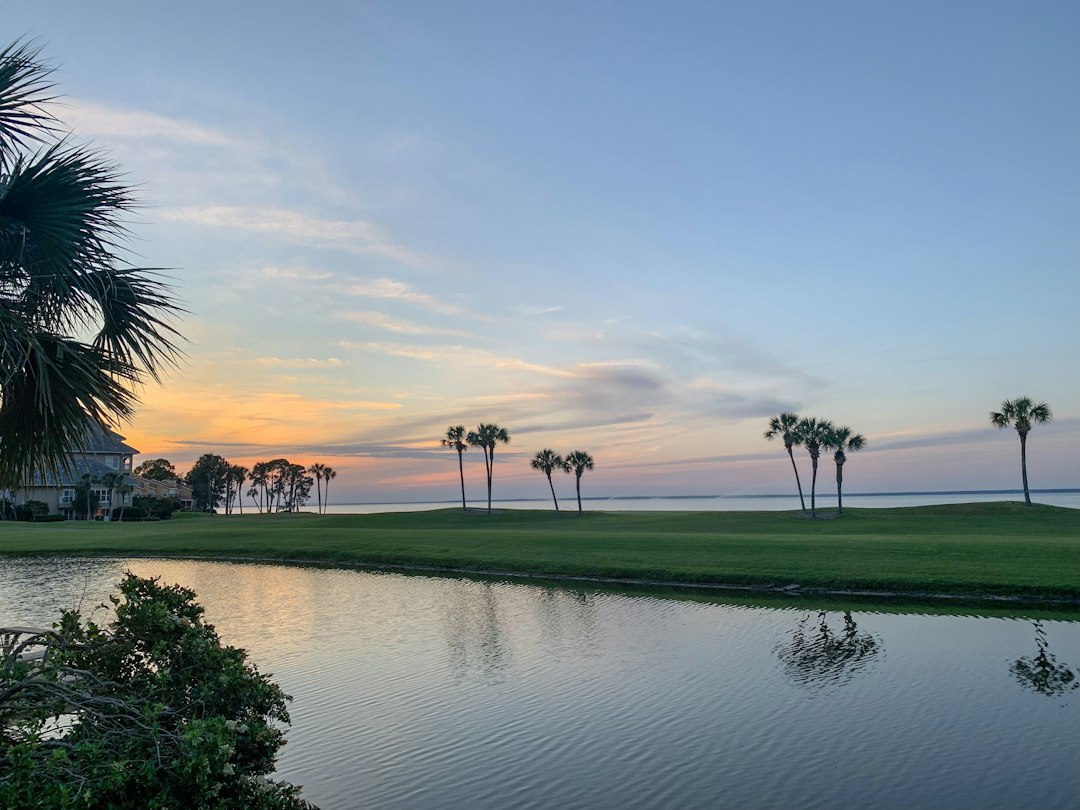
If you’re planning a trip, it’s worth noting that geography really defines the experience here.
Links to Legends: Iconic Courses Steeped in Golfing History
When you step onto a historic links course, you aren’t just playing a round of golf; you’re effectively walking through a living document of the sport’s evolution. I’ve always found it fascinating how places like Muirfield aren't just aesthetic backdrops but the actual birthplace of the rules we still follow today, thanks to the Honourable Company of Edinburgh Golfers drafting those original thirteen articles back in 1744. It’s wild to think that when you navigate the sandy waste areas of Pinehurst No. 2, you’re engaging with Donald Ross’s original strategic vision rather than some modern, manicured interpretation. Unlike the heavy, clay-based inland courses most of us are used to, these legendary links rely on natural sandy soil drainage that has kept the game playable for over four centuries, regardless of how much rain the North Sea decides to dump on you.
If you’re planning a trip, it’s worth noting that geography really defines the experience here. Take Fife, for example, which packs fifty distinct courses into such a tight footprint that you get the highest density of historic linksland anywhere on the planet. I’ve noticed that even the way we socialize after a round is steeped in history, as the traditional 19th hole often evolved from local inns where players settled wagers centuries before formal clubhouses were even a thing. And don’t be surprised if your round is briefly interrupted by a public footpath; many of these courses were built on common land, and those rights of way are a permanent reminder that golf was once a communal activity for everyone, not just club members. It’s this blend of legal quirks and ancient topography that makes the experience feel so much more authentic than any resort course could ever replicate.
When you look at the technical side, the maintenance of these courses is a masterclass in respecting nature rather than trying to overpower it. Take the wind-sculpted bunkers, for instance, which architects deliberately maintain at specific depths to mirror the erosion patterns caused by coastal gusts, forcing you to adjust your spin rates and ball flight in ways you never have to on a standard parkland course. Even the turf itself is a different beast, with Royal County Down’s proximity to the Murlough Nature Reserve creating a density that’s just fundamentally different from what you’ll find inland. Whether it’s the underground irrigation systems at Carnoustie or the rotational layout at St Andrews—where they actually flip the direction of play to save the grass—these aren't just quirks. They’re deliberate, highly engineered strategies to keep a centuries-old game viable in a modern world. I’d suggest you prioritize these spots not just for the prestige, but to see how the landscape dictates the game in a way that truly demands your best thinking.
Tropical Paradises: Where Pristine Fairways Meet Ocean Views
Moving away from the rugged history of the links, I want to talk about how modern tropical courses are engineering themselves into the landscape. It’s a completely different ballgame when you’re dealing with the heat and humidity of the tropics. Many of these spots now use Paspalum grass, which is a real game-changer because it’s halophytic—meaning it can actually thrive on brackish or recycled seawater. That’s huge for conservation because it stops these courses from sucking up local freshwater supplies that the nearby communities rely on. Honestly, it’s one of those technical fixes that makes me feel a lot better about playing in these pristine environments.
You’ll also notice that the design philosophy has shifted toward actual environmental stewardship rather than just clearing land. At places like the Riviera Maya, designers are integrating mangroves directly into the course, which act as incredible carbon sinks, pulling in way more carbon per hectare than a standard forest. It’s smart engineering, and it’s not just for show; they’re using volcanic basalt rock on islands like Mauritius to build natural retaining walls that manage intense monsoon runoff while preventing coastal erosion. I’ve seen closed-loop water systems where every drop of rain is captured in artificial lagoons and saved for the dry season, which is just a more honest way to manage resources in a fragile ecosystem.
When you’re out there, look closer at the bunkers and the turf care. You might see crushed coral used as a base layer for drainage, which is way more effective than silica sand and keeps the pH balance stable so nothing toxic leaches into the reefs. They’re even using composted coconut husks as organic top-dressing to keep the soil healthy without dumping synthetic chemicals everywhere. And if you’re playing at night or during nesting season, you’ll notice the lights are dimmed or adjusted to help sea turtles find their way to the ocean. It’s a strange, cool intersection of high-end sport and biology that I think every traveler should experience at least once.
The Ultimate Retreats: Luxury Amenities Beyond the 18th Hole
Let’s be honest: when you’ve spent five hours battling a coastal wind or navigating a complex bunker setup, the last thing you want is a generic hotel experience that feels disconnected from the game you just played. I’ve noticed a major shift lately where top-tier resorts are stoping at nothing to turn your recovery into a science, and it’s honestly fascinating to watch. We’re seeing properties move beyond simple saunas into legit medical-grade recovery, like installing cryotherapy chambers that plunge to minus 160 degrees Celsius just to help your muscles bounce back by morning. It’s not just about pampering anymore; it’s about giving you the physiological edge you’d usually only find at a pro training facility.
If you’re someone who struggles to unplug after a high-stakes round, you’ll appreciate how these places are using tech to hack your biology. I’ve stayed in suites with circadian lighting systems that shift from blue-enriched tones to warm, melatonin-friendly hues as the sun sets, which honestly changes the way you sleep on the road. Some resorts are even taking it a step further with hyperbaric oxygen pods to speed up inflammation reduction, or using biometric sensors in locker rooms that analyze your sweat composition to tell you exactly which nutrients you need for the next day. It feels a bit like living in the future, but once you experience that level of customized care, it’s hard to go back to a standard resort.
And it goes even deeper than just recovery, because the way these retreats manage your environment is getting pretty intense. Think about non-toxic, electromagnetic field shielding built directly into villa walls to minimize radiation, or private 6G-enabled telepresence suites that handle business calls with zero latency so you can actually disconnect once the laptop closes. Even the dining is getting this treatment; some spots are now using aeroponic gardens that yield microgreens with significantly higher nutrient density than anything you’d get at a grocery store, or even crafting menus based on your specific DNA markers for metabolic efficiency. It’s a strange, highly technical intersection of luxury and peak human performance, but if you’re looking to truly maximize your time away, this is the reality of the modern golf retreat.
Family-Friendly Golf Destinations for Every Skill Level
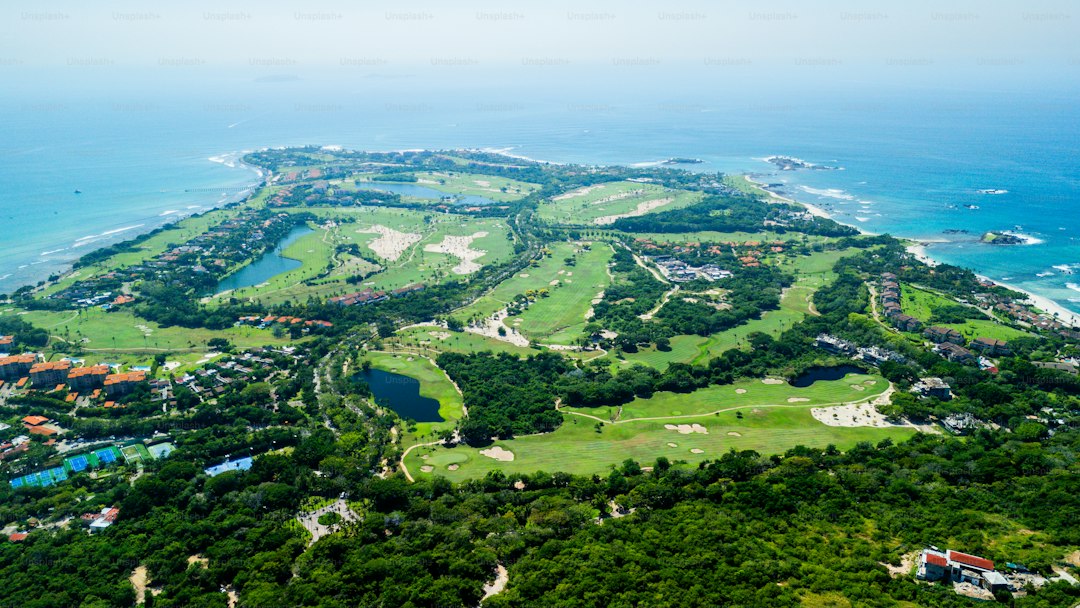
If you’ve ever tried to haul a set of clubs through an airport with a toddler in tow, you know that the "family-friendly" label on a hotel website can sometimes be a massive stretch. Let’s be real: most resorts just toss a plastic bucket of balls at the kids and call it a day, but the best spots are actually rethinking how the game works for different generations. I’ve noticed a shift toward high-tech, gamified short courses that use ball-tracking to give instant, visual feedback, which is a total game-changer when you're trying to keep a kid interested for more than ten minutes. By using synthetic "family tees" that actually allow juniors to reach the green in regulation, these places are removing the soul-crushing frustration of forced carries that usually turn a fun afternoon into a meltdown.
It’s honestly fascinating to look at the data on this, because studies show that replacing traditional holes with circular putting greens can boost engagement for children under twelve by nearly forty percent. Beyond the course design, modern resorts are getting smart about the environment, too. They're using GPS-guided robotic mowers that are whisper-quiet compared to traditional equipment, meaning your morning practice round isn’t ruined by the roar of heavy machinery. And if you’re playing in the heat, keep an eye out for those spots that use recycled greywater for splash pads right next to the practice greens; it’s a brilliant way to keep the ambient temperature down while giving kids a place to burn off energy.
I’m particularly impressed by the shift toward gear that actually fits. You’ll find top-tier destinations now offering loaner sets with composite shafts that are tuned to a child’s specific weight-to-force ratio, rather than just cutting down a standard adult club. They’re even moving toward impact-absorbing polymer surfaces in practice bunkers, which feels a lot safer—and less messy—than raw silica sand when you’re dealing with curious toddlers. These resorts are also using data to map out "short-loop" routings, letting you play a quick four-hole stretch that matches a kid's natural attention span. When you combine that with sensory-friendly landscaping and edible plants along the fairways, it stops being a chore and starts feeling like an actual adventure for everyone involved.
All-Inclusive Golf Getaways for a Seamless Sporting Vacation
When we talk about the evolution of the modern golf getaway, we’re really talking about the shift from a simple play-and-stay model to a hyper-efficient, integrated ecosystem. Honestly, the smartest resorts aren't just selling tee times anymore; they’re engineering an entire environment where your performance and your recovery are essentially managed by the same data-driven machine. It’s no longer enough to offer a great course if you’re also dealing with the friction of travel logistics, which is why we’re seeing a massive pivot toward all-inclusive models that handle everything from your greens fees to your post-round muscle recovery. Think about it: when you don't have to worry about booking individual services or managing a daily budget for incidentals, you actually free up the mental bandwidth to focus on your game. It’s a total game-changer for anyone who’s tired of the constant decision fatigue that usually comes with planning a high-end trip.
The technical integration behind these experiences is honestly wild, especially when you look at how they’re managing the course itself. Many top-tier properties are now using hyperspectral imaging drones to monitor drought stress before a human eye could ever spot it, which means the turf quality stays consistent even in brutal climates. And it goes beyond just maintenance; I’ve seen resorts using geothermal heat loops under their practice greens to keep the root health stable year-round, which is the kind of detail that separates a good trip from a world-class one. Plus, the shift toward solar-powered cart fleets with regenerative braking—sometimes extending range by fifteen percent—shows that these properties are thinking about sustainability without sacrificing the convenience you expect. It’s that intersection of precision engineering and luxury that makes these spots feel so seamless.
But for me, the real value is in how they’re using those same data platforms to personalize your recovery after you walk off the 18th hole. We’re seeing a trend where resorts use biometric sensors to analyze your specific fatigue levels, then curate spa sessions that target the exact muscle groups you taxed during your round. Some places are even using kinetic energy tiles in the clubhouse to power their ambient lighting, which is just a fascinating, tangible way to see how they’re closing the loop on energy use. It’s a bit of a shift, moving from a passive vacation to one that feels like a high-performance training cycle, but it’s hard to go back once you’ve experienced that level of flow. If you’re looking to truly maximize your time away, these all-inclusive setups aren't just a convenience; they’re the smartest way to ensure your next trip is actually a vacation.
Hidden Gems: Quiet Escapes for the Discerning Golfer
If you’re anything like me, you’ve probably reached a point where the crowded fairways and the constant hum of a packed resort start to feel more like a chore than a getaway. I’ve been looking into these quieter, off-the-beaten-path retreats, and honestly, the engineering behind their solitude is just as impressive as the views. Some of these courses are now utilizing advanced acoustic mapping to design fairways that naturally dampen ambient noise, so instead of hearing a leaf blower, you’re stuck with nothing but wind and birdsong. They’re even rewilding the rough with native, non-flowering grasses that suppress pollen, which makes a world of difference if you’re trying to play eighteen holes without reaching for the antihistamines. It’s that kind of thoughtful, low-profile design that lets you actually hear yourself think out there.
When we talk about these hidden gems, we aren't just talking about a lack of crowds; we’re talking about a more intentional interaction with the terrain. I’ve found that many of these remote spots are built on elevated, varied topography that can actually bump up your caloric expenditure by about fifteen percent, giving you a slightly better workout than those flat, manicured parkland tracks back home. They’re also using some pretty clever, invisible tech to keep things pristine, like subterranean sensors that talk to localized drip-irrigation networks, allowing them to slash water use by forty percent. It’s a cleaner, more efficient way to maintain a course that respects the local water table, and you can really feel the difference in the soil stability beneath your feet.
You might notice the greens feel a bit more resilient, too, and that’s likely because they’re being treated with specific mycorrhizal fungi to build up the root structure instead of relying on heavy doses of synthetic nitrogen. It’s interesting to see how they manage the logistics in these isolated areas, using drone-based spectral analysis for spot-treating turf diseases rather than blanket-spraying the whole property. Even the drainage is handled by silent, gravity-fed channels that avoid those noisy, energy-intensive pump systems we’re used to seeing. They’re also keeping tee sheets intentionally light to prevent soil compaction, which keeps the ball-roll consistent throughout the day. If you’re looking for a round that feels like it’s just you and the landscape, these spots are honestly in a league of their own.
Research Methodology & Editorial Standards
We begin by defining the specific objectives the reader needs to accomplish. Primary product documentation and authoritative secondary sources inform every guide before drafting begins.
Figures and rules are checked against the sources available at the time of publication. Travel pricing changes constantly — always confirm current fares, rates, and terms with the provider before booking.