
Tipping Etiquette in Mexico What Every Traveler Needs to Know
Tipping in Mexico follows clear, service-specific norms that every traveler should know to avoid confusion or overpaying.

| Takeaway | Detail |
|---|---|
| Tip 10–15% at sit-down restaurants | For standard table service, leave 10–15% of the pre-tax bill; 15% is the common default for attentive service. |
| Check for "propina sugerida" before adding extra | Some tourist-area bills include a 10% service charge; verify the bill to avoid double-tipping. |
| Tip housekeeping 25–50 pesos daily at all-inclusive resorts | Leave this amount per day (roughly $1–$2 USD) in an envelope or with a note for the cleaning staff. |
| Tip tour guides 200–500 pesos per person for full-day trips | For a full-day guided tour, the expected range is 200–500 pesos ($10–$25 USD) depending on group size and service quality. |
| Tip bartenders 20–50 pesos per drink | At bars and all-inclusive resorts, a typical tip is 20–50 pesos per round or $1–$2 USD. |
| Carry small bills (20, 50, 100 pesos) for tipping | ATMs in Mexico often dispense large notes (200 or 500 pesos); break them at a store or bank to have appropriate denominations. |
| Tip in Mexican pesos, not US dollars | Using pesos is preferred; if you must use USD, use clean, unfolded bills and increase the amount slightly to cover exchange fees. |
| Round up for taxi drivers instead of a percentage | Taxi drivers do not expect a percentage tip; rounding up the fare or adding 10–20 pesos is sufficient. |
| Item | Rule / threshold |
|---|---|
| Restaurant tip (standard) | 10–15% of pre-tax bill |
| All-inclusive housekeeping | 25–50 pesos per day |
| Full-day tour guide | 200–500 pesos per person |
| Bartender per drink | 20–50 pesos or $1–$2 USD |
Tipping in Mexico follows clear, service-specific norms that every traveler should know to avoid confusion or overpaying. Beyond restaurants, guidelines vary by role: housekeeping at all-inclusive resorts typically receives 25–50 pesos daily, full-day tour guides expect 200–500 pesos per person, and bartenders get 20–50 pesos per drink.
Recent guidance emphasizes carrying small bills (20, 50, and 100 peso notes) because ATMs often dispense large denominations, and tipping in Mexican pesos is strongly preferred over US dollars to avoid exchange fees. While tipping is not mandatory, it is expected in service roles due to low base salaries, and expectations in tourist-heavy areas like Cancun and Playa del Carmen tend to align more closely with US customs than in smaller inland towns.
How Much Should You Tip at Restaurants in Mexico?
This applies to most casual and mid-range restaurants across the country, from Mexico City taquerias to beachfront spots in Cancún. The percentage is calculated on the subtotal, not the total after tax, which keeps the amount slightly lower.
Always check your bill before adding a tip. If you see either of these, you are not expected to add an extra gratuity. When in doubt, ask your server "¿La propina está incluida?" to confirm.
For large groups, some restaurants automatically add a service charge to the bill. Check before adding an extra tip. If the charge is already listed, you do not need to tip further, though leaving small change (10–20 pesos) as a gesture is appreciated but not required.
Cash remains the preferred method for tipping at restaurants, as it ensures the full amount goes directly to the server. If you pay by card, you can add a tip to the credit card slip, but some smaller establishments may not pass the full amount to staff. Carry small bills—20, 50, and 100 peso notes—since ATMs in Mexico often dispense large 200 or 500 peso notes that are hard to break for a tip. For food delivery, a small tip of 10–20 pesos is customary.
One common mistake is assuming the exchange rate when tipping in U.S. dollars. If you tip in USD, use clean bills and bump the amount slightly to cover exchange fees, but pesos are always preferred and simpler. Do not tip on the tax or any included service charge; base your calculation only on the food and drink subtotal.
Set a reminder on your phone to carry a small stack of 20 and 50 peso notes for this purpose.
What’s the Right Tip for Hotel Housekeeping and Bellhops?
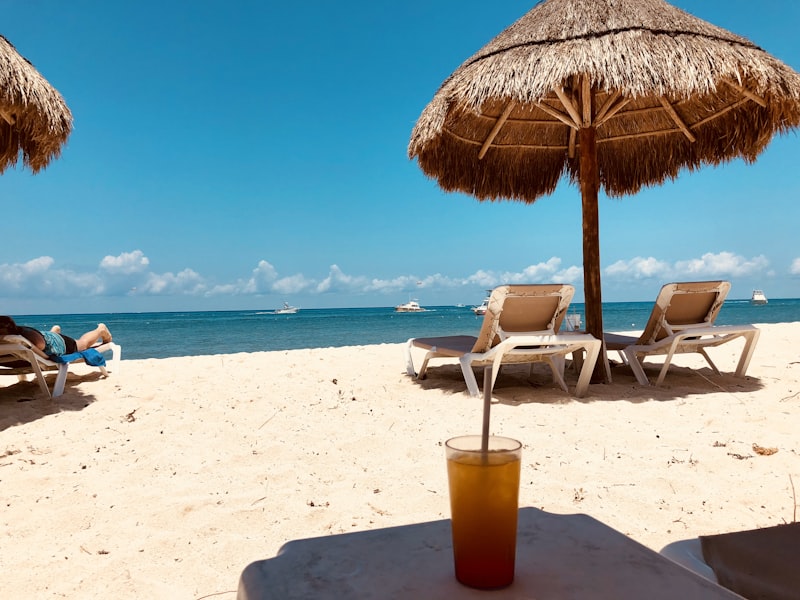
For hotel housekeeping in Mexico, the standard tip is 20 to 50 pesos per night, left daily in an envelope or under a keycard with a brief note. Bellhops and porters should receive 20 to 50 pesos per bag they handle.
The daily envelope method is critical because housekeeping staff often rotate shifts. A single lump sum left at checkout may not reach the person who cleaned your room each day. Write "Gracias – housekeeping" on the envelope and leave it on the nightstand or desk. For bellhops, hand the tip directly to the person who carried your luggage, not to a front desk agent. If a bellhop brings multiple bags, calculate the tip per bag, not per trip.
At luxury hotels in Mexico City, Los Cabos, or Cancún, the upper end of the range (50 pesos per night or per bag) is more appropriate. At budget hostels or small guesthouses, 20 pesos per night for housekeeping is sufficient. For a bellhop who also explains room features or helps with heavy equipment, round up to 50 pesos regardless of bag count. For longer stays, consider leaving the daily housekeeping tip consistently each day.
One common mistake is tipping in U.S. dollars at hotels. While some resorts accept USD, pesos are preferred because exchange rates at hotels are poor and staff may need to convert the cash themselves. Never leave coins, as they are difficult to exchange and carry little value in Mexico.
For a standard three-night stay at a mid-range hotel, budget roughly 150 pesos total for housekeeping (50 pesos per night) and 100 pesos for bellhop service (50 pesos for two bags). Carry a small envelope of 20 and 50 peso notes specifically for hotel tips. Set a daily reminder on your phone to leave the envelope before you head out for the day.
How to Tip at All-Inclusive Resorts Without Overdoing It
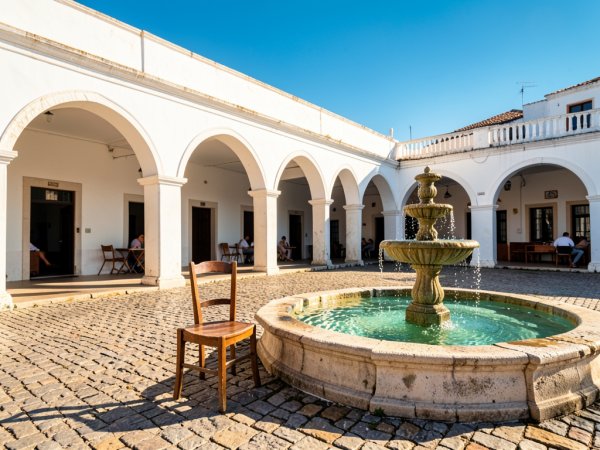
The all-inclusive model means your upfront payment already covers base-level service. A bartender pouring a standard drink does not expect a tip, but one who remembers your name, makes a custom cocktail, or delivers a drink to your pool chair merits the 20–50 peso range. For a special dinner reservation where the waiter provides attentive, personalized service, a tip is appreciated but not required. For buffet meals or standard sit-down dining, no additional tip is necessary unless the service is notably excellent.
Currency choice matters at all-inclusive resorts. Pesos are strongly preferred because staff may need to convert dollars themselves, and resort exchange rates are poor. If you tip in U.S. Never leave coins, as they are difficult to exchange. Carry a stack of 20 and 50 peso notes specifically for resort tips.
One common mistake is tipping every staff member you encounter. At all-inclusive resorts, you do not need to tip the front desk agent, the activities coordinator, or the person who hands you a towel at the pool. Reserve tips for housekeeping (daily envelope), bartenders (per round for special service), waitstaff at a la carte dinners (for excellent service), and bellhops (25–50 pesos per bag). For a standard seven-night stay, a reasonable tipping budget depends on how often you tip for special service.
Check your specific resort's policy before you arrive. A few brands, such as Sandals, prohibit tipping entirely except for butlers and spa staff. Other resorts may include a "servicio incluido" line on restaurant bills even within the all-inclusive package. If you see that line, do not add an extra tip on top of it. The simplest action: before your trip, visit the resort's official website or call the front desk to confirm their tipping policy, then set a daily reminder on your phone to leave the housekeeping envelope before you head out for the day.
Cash vs. Card: When Does Each Method Work Best?
For tipping in Mexico, cash in Mexican pesos is the default method that works everywhere, while credit cards work only in a narrow set of formal, tourist-oriented settings and come with important caveats. The fundamental rule is that cash is required for all service workers who do not process payments directly: housekeeping, bellhops, parking lot attendants, tour guides, and most street vendors. For these situations, carry 20, 50, and 100 peso notes. As noted above, hotel housekeeping tips of 20–50 pesos per night and bellhop tips of 20–50 pesos per bag must be left in cash, typically in an envelope or handed directly. Parking lot attendants, who watch your car in many urban lots, expect 5–10 pesos when they retrieve your vehicle — a transaction that is cash-only by nature.
Credit cards are accepted for the tip line at sit-down restaurants, particularly in tourist zones, major cities, and higher-end establishments. However, you must check the bill carefully before adding anything. If that line appears, do not add an extra tip on top of it; doing so results in double-tipping. The "servicio incluido" line is a mandatory charge, not a suggestion, and adding a second tip is a common tourist mistake.
Tour guides present a mixed case. Most guides prefer cash in pesos, though some who work for established tour companies may accept a credit card tip through the company's payment system. If you book through a platform like Viator or GetYourGuide, the tip is not included in the booking fee; you must bring cash for the guide on the day of the tour. For airport porters and drivers, cash is the only option — porters expect 10–20 pesos per bag, and private drivers or taxi drivers who help with luggage typically receive 20–50 pesos as a gratuity.
The one scenario where a credit card can be better than cash is for large restaurant bills in tourist areas where you want to earn rewards or avoid carrying a thick stack of pesos. But even then, carry a backup stash of pesos. Smaller restaurants, taquerías, and market stalls are cash-only for the entire transaction, including any tip. A practical rule: assume you will need cash for every tip except the line on a sit-down restaurant bill, and even there, verify the bill first. Before your trip, withdraw a reasonable amount of pesos in small denominations from an ATM in Mexico and replenish as needed. Do not rely on exchanging dollars at your hotel or resort, where rates are typically 5–10% worse than the market rate.
How Much to Tip Tour Guides, Drivers, and Airport Porters
Tour guides in Mexico almost always prefer cash in pesos. Some guides employed by established tour operators can accept a credit card tip through the company’s payment system, but that is the exception, not the rule. If you booked through a third-party platform such as Viator or GetYourGuide, the booking fee does not include a gratuity. Bring cash for the guide on the day of the tour. For private drivers who also act as guides, the same 200–500 peso range applies for a full day. Drivers who only transport you without commentary typically receive 50–100 pesos for a single trip or 100–200 pesos for a half-day hire.
Airport porters in Mexico expect 10–20 pesos per bag. This is a lower per-bag amount than what hotel bellhops receive, because airport porters are often employed by the airport or airline and have a fixed wage. Still, hand them the cash directly after they place your bags on the cart or at the check-in counter. Do not leave the tip on the cart. For private drivers or taxi drivers who help with luggage at the airport, a gratuity of 20–50 pesos is standard on top of the fare.
One common mistake is tipping a tour guide in U.S. dollars without adjusting for the exchange rate. Never tip in coins, as they are difficult to exchange. For airport porters, always use small peso bills — 20-peso notes are ideal — because porters rarely carry change for larger denominations.
What About Bartenders, Gas Station Attendants, and Baggers?
Gas station attendants in Mexico who pump fuel, clean windshields, and check tire pressure receive a tip of 10–20 pesos. This is a flat amount, not a percentage of the fuel cost. Attendants in Mexico are not paid a high base wage, and the tip is their primary compensation for the service. Hand them the cash directly after they finish, or tell them to keep the change from a 50- or 100-peso note if the fuel total leaves a small remainder. Do not tip in coins, as attendants prefer small bills.
Grocery store baggers, known as empacadores, work for tips only in many Mexican supermarkets. A tip of 5–10 pesos per bag of groceries is standard. These workers are often older adults or people with disabilities who are employed under a government program that allows them to keep tips as their sole income. If you have a full cart of groceries, 20–30 pesos total is appropriate. Hand the tip directly to the bagger after they place the bags in your cart. Some larger chain stores like Walmart or Soriana have a posted sign indicating that baggers work for gratuities.
One common mistake is assuming that service staff at gas stations or grocery stores are paid a full hourly wage. They are not. The 10–20 peso tip for an attendant or 5–10 pesos for a bagger is not optional in practice; it is an expected part of the transaction. If you do not have small bills, ask the cashier for change before paying at the pump or checkout. For bartenders, the 20–50 peso guideline applies whether you are at a resort, a beach bar, or a cantina in a city. At high-end cocktail bars in Mexico City or San Miguel de Allende, tipping 50–100 pesos per drink is common for complex cocktails.
Before you go out for the evening or stop for fuel, set aside a small stack of 20-peso notes in a separate pocket. This avoids fumbling for cash and ensures you have the correct denomination. For grocery shopping, keep a few 10-peso coins or a 20-peso note ready for the bagger. The key is to treat these tips as a fixed cost of the service, not a bonus for exceptional work.
Which Common Tipping Mistakes Could Cost You or Cause Confusion?
The most common and costly mistake travelers make in Mexico is misreading the bill for a service charge that is not a tip. This line is the tip itself, not an additional fee. Adding a second tip on top of that line without checking first results in double-tipping. The correct action is to look at the bottom of the bill before writing in any amount. Adding extra is optional and should be based on exceptional service, not obligation.
Another frequent error is tipping in U.S. dollars without accounting for the exchange rate. While many service workers in tourist zones like Cancun and Playa del Carmen will accept dollars, the worker loses value when converting pesos to dollars or when exchanging the bill. The better practice is to tip in Mexican pesos. Carry small denominations — 20, 50, and 100 peso notes — so you can tip the exact amount without asking for change.
In tourist-heavy coastal areas, tipping expectations are higher and more closely resemble U.S. Conversely, a traveler who tips 20% in a small Oaxaca city may over-tip relative to local norms.
One final point: tipping is not legally mandatory in Mexico, but it is socially expected in service roles because base wages in the industry are low. Tips are a primary income supplement, not a bonus. Treating the tip as optional or skipping it because "the service was just okay" is a cultural misstep that directly affects the worker's earnings. The practical action for any traveler is to set aside a small stack of 20- and 50-peso notes before each day's activities. Keep them in a separate pocket from larger bills. This avoids fumbling, ensures you have the correct denomination, and prevents the awkward moment of asking for change after a service is complete.
What to do next
Now that you have a clear picture of tipping customs in Mexico, a little preparation goes a long way. Before your trip, verify the latest exchange rates and set a budget for gratuities to avoid last-minute confusion.
| Step | Action | Why it matters |
|---|---|---|
| 1 | Check the current MXN-to-USD exchange rate on XE.com or your bank's app. | Ensures you know the real value of 20–500 pesos before you tip. |
| 2 | Visit the official Mexican Tourism Board website (visitmexico.com) for any updated local tipping customs. | Official sources may have region-specific advice that differs from general guides. |
| 3 | Compare tipping guidelines on two independent travel sites (e.g., Mexicotravelsecrets.com and Oliandalex.com). | Cross-referencing helps you spot consensus and avoid outdated or outlier advice. |
| 4 | Set a daily tipping budget in your notes app based on your itinerary (restaurants, tours, hotel stays). | Prevents overspending and ensures you always have small bills on hand. |
| 5 | Withdraw small-denomination pesos (20, 50, 100 notes) from a bank ATM in Mexico upon arrival. | Many service providers cannot break large bills, and having exact change avoids awkwardness. |
| 6 | Set a calendar reminder to review your hotel bill for "propina sugerida" or "servicio incluido" before checkout. | Prevents double-tipping at restaurants and hotels where a service charge is already added. |
Also worth reading Navigating the Nuances A Traveler's Mind Your Manners: A Traveler's Tipping Worldwide What Every
Quick answers
How Much Should You Tip at Restaurants in Mexico?
If the charge is already listed, you do not need to tip further, though leaving small change (10–20 pesos) as a gesture is appreciated but not required. Carry small bills—20, 50, and 100 peso notes—since ATMs in Mexico often dispense large 200 or 500 peso notes that are hard t...
What’s the Right Tip for Hotel Housekeeping and Bellhops?
For hotel housekeeping in Mexico, the standard tip is 20 to 50 pesos per night, left daily in an envelope or under a keycard with a brief note. For a standard three-night stay at a mid-range hotel, budget roughly 150 pesos total for housekeeping (50 pesos per night) and 100 pe...
How to Tip at All-Inclusive Resorts Without Overdoing It?
A bartender pouring a standard drink does not expect a tip, but one who remembers your name, makes a custom cocktail, or delivers a drink to your pool chair merits the 20–50 peso range. Carry a stack of 20 and 50 peso notes specifically for resort tips.
Cash vs. Card: When Does Each Method Work Best?
As noted above, hotel housekeeping tips of 20–50 pesos per night and bellhop tips of 20–50 pesos per bag must be left in cash, typically in an envelope or handed directly. Parking lot attendants, who watch your car in many urban lots, expect 5–10 pesos when they retrieve your...
How Much to Tip Tour Guides, Drivers, and Airport Porters?
Drivers who only transport you without commentary typically receive 50–100 pesos for a single trip or 100–200 pesos for a half-day hire. Airport porters in Mexico expect 10–20 pesos per bag.
What About Bartenders, Gas Station Attendants, and Baggers?
Gas station attendants in Mexico who pump fuel, clean windshields, and check tire pressure receive a tip of 10–20 pesos. A tip of 5–10 pesos per bag of groceries is standard.
Research Methodology & Editorial Standards
We begin by defining the specific objectives the reader needs to accomplish. Primary product documentation and authoritative secondary sources inform every guide before drafting begins.
Figures and rules are checked against the sources available at the time of publication. Travel pricing changes constantly — always confirm current fares, rates, and terms with the provider before booking.