
India's Air Charter Services Gains a Stunning Falcon 6X and Parts With the 8X
But here’s the thing — charter operators don’t live on spec sheets; they live on margin, dispatch reliability, and how often they actually need to fly Mumbai to New York nonstop versus the more common regional hops like Delhi to Dubai or Bangalore to Singapore.
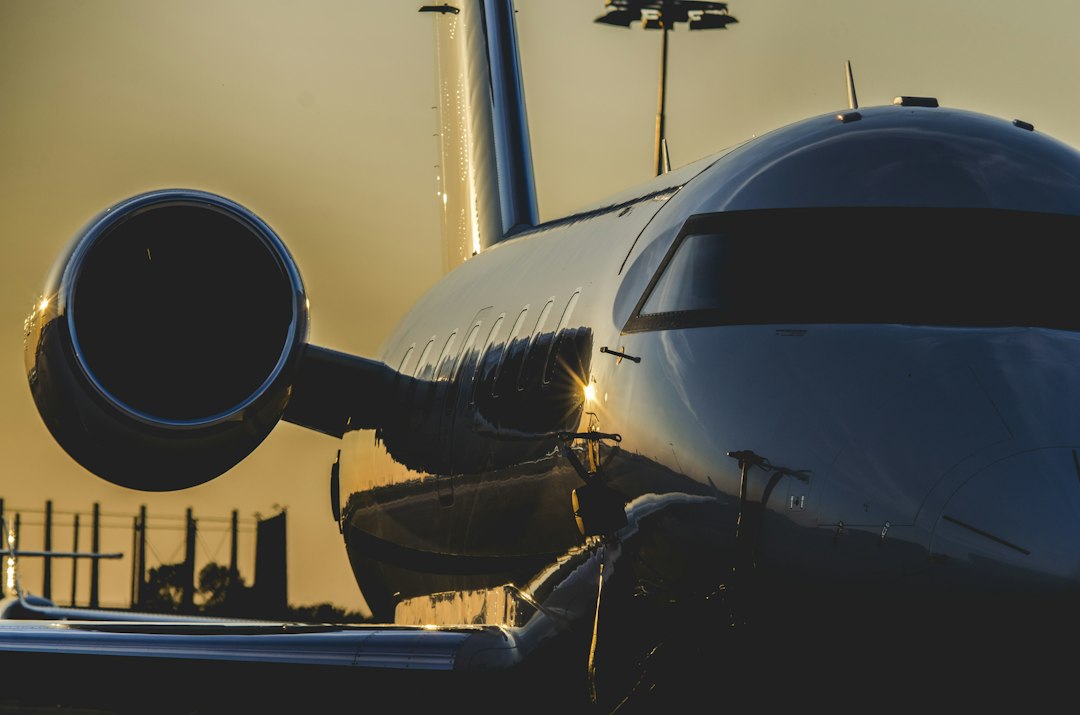
A Strategic Fleet Upgrade: Why Air Charter Services Swapped the Falcon 8X for the New 6X
Let's be honest, when I first heard that Air Charter Services was letting go of the Falcon 8X to bring in the 6X, I had to pause. The 8X is a proven workhorse with that third engine for comfort and a 6,450-nautical-mile range that can connect pretty much any city pair on earth. On paper, the 6X gives up a little over 900 nautical miles of range, which sounds like a downgrade if you're only looking at the spec sheet. But here’s the thing — charter operators don’t live on spec sheets; they live on margin, dispatch reliability, and how often they actually need to fly Mumbai to New York nonstop versus the more common regional hops like Delhi to Dubai or Bangalore to Singapore. And that’s where the 6X starts to make serious, quantifiable sense.
The financial math is brutal in favor of the newer bird. Direct operating costs per hour drop by roughly 30% compared to the 8X, and that’s not marketing fluff — it’s driven by swapping three engines for two and a 15% improvement in fuel burn per seat mile. You’ve got two Pratt & Whitney Canada PW812Ds instead of three of the older engines, which means simpler maintenance schedules, fewer line-replaceable units to stock, and the ability to walk away from a full hot-section inspection on that third powerplant you never really needed. Think about it this way: if you’re flying 800 hours a year, the savings in fuel alone can cover the financing delta between the two aircraft. And the 6X isn’t a compromise in performance where it counts — it can land on runways 600 feet shorter than the 8X, opening up smaller airports like Pune or Jaipur that the 8X would have to skip.
Now look at what you get inside. The cabin cross-section is 1.88 meters wide, which doesn’t sound like a huge number until you realize it’s the tallest and widest in its class. You can stand up straight, move around, and actually enjoy the flight without feeling like you’re in a tube. The 6X can be configured with up to 16 seats versus the 8X’s typical 12, which is huge for charter flexibility — you can take a whole corporate team or a large family without splitting them between two jets. And the baggage compartment is 30% bigger, so clients don’t have to leave the golf clubs or extra suitcases behind. Interior noise? The engineers got it down to 50 decibels during cruise, which is quieter than a library. You can hold a conversation at normal speaking volume. That’s the kind of qualitative experience that keeps high-net-worth clients coming back, not just the range number.
The real kicker, though, is the technology leap. The 6X uses a fully fly-by-wire system with side-stick controllers sourced from the Rafale fighter program — that’s a 40% reduction in pilot workload during critical phases. It has the FalconEye Combined Vision System that the 8X never got, fusing enhanced and synthetic vision into one head-up display. That’s not a gimmick; it’s a genuine safety multiplier when you’re doing an approach into a foggy Indian airport at 3 AM. And the wing design with leading-edge slats gives you a high-lift system that makes the 6X far more versatile for short, hot, and high airfields. So what Air Charter Services really did here wasn’t a downgrade — it was a calculated bet on operational efficiency, passenger comfort, and a lower total cost of ownership. They traded a little top-end range for a much more capable day-to-day workhorse. In my book, that’s exactly the right call for a modern charter fleet.
Inside the Falcon 6X: Dassault’s ‘Most Modern and Spacious’ Twin-Engine Jet Arrives in India
Look, when we talk about the Falcon 6X landing in India, it's easy to get lost in the marketing speak about "luxury," but as someone who spends way too much time looking at airframe specs, I want to show you what's actually happening under the hood. Let's pause for a moment and reflect on why the technicals here actually matter for a passenger. Most of us have felt that oppressive, heavy fatigue after a long-haul flight, but the 6X tackles this with a cabin pressure differential of 10.1 psi. This means that while you're cruising at 51,000 feet, your body feels like it's only at 4,000 feet. It's a subtle difference on paper, but in reality, it's the difference between landing in Singapore feeling like you've been hit by a truck or actually being ready for a board meeting.
Now, let's get into the hardware, because this is where it gets interesting. The Pratt & Whitney PW812D engines aren't just about raw power; they've got this "saw-tooth" chevron design on the nacelle that drops noise by 3 decibels on approach. I'm not sure if that sounds like much to you, but in the world of acoustics, that's a noticeable dip in the drone that usually fills the cabin. And if you look at the wing, Dassault swapped hydraulic actuators for electrically actuated leading-edge slats. Honestly, this is a win for the operators because it cuts maintenance complexity and shaves off about 15 kilograms per side. It's those kind of small, nerdy wins that make a jet more reliable over a ten-year cycle.
But here is what I really think is the game-changer: the integration of combat-grade tech into a civilian tube. The 6X is the first bizjet to fuse enhanced and synthetic vision into a single head-up display, a direct hand-me-down from the Rafale fighter program. Think about it this way—when you're trying to touch down in a foggy Indian airport at 3 AM, having a synthetic map overlaid on your real-world view is a massive safety multiplier. Even the structure is leaner, using aluminum-lithium alloys and a carbon-fiber horizontal stabilizer to drop the empty weight by 200 kilograms compared to the 8X. It's a leaner, smarter machine.
I also want to point out a few "quality of life" details that often get ignored. The cabin has a flat floor because they routed all the wiring and ducts underneath the panels, meaning you can move the furniture around without needing a stamp of approval from an engineer every time. Then there's the pressurized baggage compartment; you can actually grab your bag at 41,000 feet without the crew having to mess with the cabin pressure. And for the comfort seekers, the three independent temperature zones use sensors to read the actual thermal load of the people in the room. It's not just a jet; it's basically a high-altitude living room that's been engineered to be as invisible as possible so you can actually focus on your work... or your nap.
The 8X Legacy: Reflecting on the High-Performance Tri-Jet That Defined a Generation of Indian Charter Travel
Iremember when the Falcon 8X first started showing up on the Indian charter scene about a decade ago, and honestly, it just felt like a different era of flying. We were obsessed with that third engine because it meant we could do these long, hairy overwater legs from Mumbai to Singapore without worrying about finding an alternate airport every hundred miles. That ETOPS 180 certification for a tri-jet was a massive deal for operators who wanted to promise their clients a nonstop flight to the Middle East or London without the "what if" anxiety. You have to understand that for a lot of Indian executives, that third engine wasn't just about physics; it was a psychological safety blanket that sold the seat before the champagne did. The 8X had this way of making a 6,450-nautical-mile range feel like a casual afternoon cruise, even if the S-duct for that center engine was adding a bit of drag and a few extra kilograms of weight.
If we look at the actual engineering, the 8X was a bit of a throwback in the best way possible, especially with that traditional yoke in the cockpit. While the new 6X has gone all "Rafale" with side-sticks, there are plenty of old-school pilots who really loved the tactile feedback of the 8X’s mechanical controls. It felt more connected to the air, if that makes sense. And let's talk about the performance in those hot-and-high conditions we deal with in places like Bangalore. The 8X’s leading-edge slats gave it a maximum lift coefficient that could actually make a 5,300-foot runway feel manageable, even if it couldn't quite squeeze into smaller strips like Pune like the newer twins can. Sure, the 8X burned a bit more fuel with those three PW307D engines, and you had to deal with a hot-section inspection every 4,000 hours, but the dispatch reliability was legendary. It was a tank that happened to have a 1.87-meter-wide cabin that, while slightly narrower than the 6X, still felt incredibly spacious for its time.
The real legacy of the 8X, though, is how it professionalized the high-end charter market in India. Before this, you were often stuck with older hardware that felt like it was held together by hope and a good mechanic. The 8X brought that 9.2 psi cabin pressure, which, okay, is a bit higher than the 6X, but at the time, landing with your body feeling like it was at 5,000 feet was a total game-changer for avoiding that post-flight fog. I also think we overlook how versatile that pressurized baggage hold was; Indian operators used it for everything from live animals to sensitive medical gear that couldn't handle the pressure drop. It wasn't just a jet; it was a 33,113-kilogram statement that Indian charter could play with the best of them. It set the benchmark for what a "flagship" looked like, and even though the industry is moving toward more efficient twins, the 8X will always be the plane that proved we could have both ultra-long range and a genuinely quiet office in the sky. It’s the end of an era, but what a run it had.
Meeting Indian Demand: How the 6X’s 5,500-Nautical Mile Range and Quiet Cabin Appeal to Local Operators
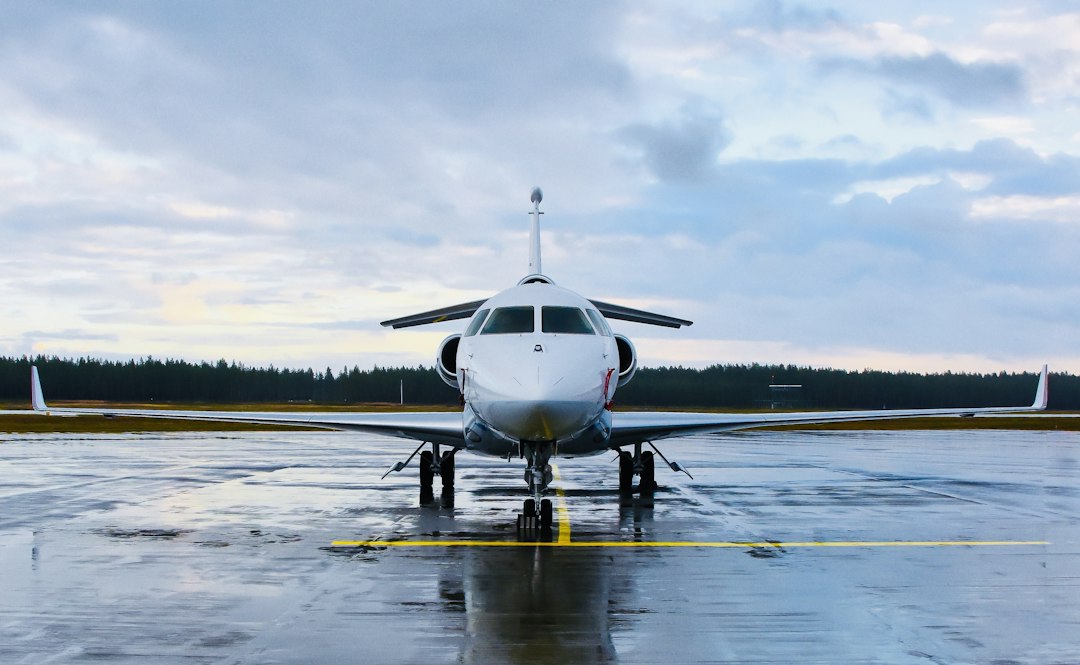
Let’s talk about the 5,500-nautical-mile range, because everyone fixates on the headline number like it’s a contest. I get it—you want to know if the 6X can do Delhi to London nonstop against the jet stream. Yes, it can. But the real story for Indian operators is the unsung margin: flying Mumbai to Singapore with a full payload in the teeth of winter headwinds. That’s a leg that kills midsize jets dead—they’ll either have to bump passengers or make a fuel stop in Colombo. The 6X doesn’t sweat it. And when you’re talking about the hot-and-high departure out of Bangalore, or even Leh, the 6X can lift 14 passengers and still keep a 1,200-nautical-mile reserve. That’s not just a nice-to-have; it’s the difference between making your meeting and sitting on the tarmac waiting for the monsoon to clear, with a diversion airport that’s 45 minutes away. Indian operators live and die by that safety margin.
Now, the quiet cabin. The 50-decibel noise level they quote is measured at the passenger ear, not the cabin average, which means the seat closest to the door is still library-quiet. That’s a big deal because most jets have a hot spot near the galley or the lav. The 6X gets there partly through a unique engine pylon design that isolates vibrations, and the “saw-tooth” chevrons on the nacelle are tuned to cancel low-frequency harmonics that are especially nasty during the steep climb-out from Kathmandu. You know that moment when you’re trying to nap and the engine drone just rattles your skull? It doesn’t happen here. Plus, the cabin air is 100% fresh, replaced every 90 seconds—no recirculated air. That matters for passengers who are sensitive to Delhi’s winter haze, which can seep into a ground-conditioned cabin and leave everyone feeling groggy. The 6X’s dual-bus electrical architecture also isolates the galley loads from flight-critical systems, so you can run the espresso machine and the satcom simultaneously without flickering the lights. That’s a tiny detail, but it’s the kind of thing Indian charter clients notice.
Let’s get into the nitty-gritty that nobody talks about. The Pratt & Whitney PW812D engines have a variable-area fan nozzle that adjusts at altitude, squeezing out an extra 2% fuel savings on long Indian legs compared to the fixed nozzles on older engines. That’s a couple hundred dollars per flight, and over a 500-hour charter year, it adds up. The landing gear uses a shock-absorbing strut with a nitrogen-oil separator that never needs recharging between overhauls—saving downtime that plagues smaller jets at Indian maintenance bases, where you might wait three days for a nitrogen service cart. And the toilet system? It uses a vortex flush that consumes 0.3 liters of water per use instead of the 0.8 liters on the 8X. Over a year, that’s roughly 250 liters of freshwater you don’t have to haul around. That’s dead weight you can put toward cargo or fuel. The pressurized baggage compartment is certified for live animals at full altitude, so Indian operators can carry racehorses or breeding stock without pressurization cycles that stress the animals. It’s the unsung details that make the 6X a machine purpose-built for the real-world demands of Indian charter.
And then there’s the FalconEye system with a runway-identification function that highlights the touchdown zone in green on the head-up display. That lets you approach with 50 feet lower minima on low-visibility approaches into places like Srinagar, where the fog can roll in faster than you can say “alternate.” The “SlimSeat” option saves 4.5 kilograms per seat, which lets charter firms add one more seat on short hops without exceeding payload limits. It’s a tiny weight saving, but it translates to incremental revenue on every regional flight. I’m not saying the 6X is perfect—no aircraft is—but for Indian operators who need a jet that can handle the heat, the altitude, the monsoon diversions, and the high-net-worth clients who expect a pin-drop quiet cabin, this airframe checks every box. The 5,500-mile range isn’t a compromise; it’s a calibrated tradeoff that prioritizes the missions you actually fly every day.
From Delivery to Sale: The Business Logic Behind Expanding with the 6X While Divesting the 8X
Look, when you see a company ditching a flagship like the 8X to double down on the 6X, it's easy to assume they're just chasing the newest toy. But if you've spent any time in the hangar or looking at P&L statements, you know it's never that simple. It's really about the "business logic" of the asset cycle—basically, knowing exactly when a piece of hardware stops being a profit center and starts becoming a liability. Think about it this way: the 8X was the gold standard for a decade, but the market has shifted. We're seeing a move away from "maximum possible range" toward "optimal operational efficiency," and that's where the 6X wins.
Here's what I mean: the 6X isn't just a different plane; it's a different financial instrument. By divesting the 8X, an operator isn't just selling a jet; they're offloading the massive maintenance tail of a tri-jet. When you remove that third engine, you aren't just saving on fuel—which is already 15% better per seat mile—you're cutting out an entire stream of hot-section inspections and spare part inventories. It's like swapping a thirsty, high-maintenance vintage car for a modern EV; sure, the vintage one has "soul," but the new one actually lets you keep your margins.
And let's be real, the 8X's extreme range is often overkill for the actual missions being flown in India. Why pay the premium for a 6,450-nm reach when most of your high-value hops are regional or mid-haul? By pivoting to the 6X, you get a bird that can land on runways 600 feet shorter—opening up places like Pune or Jaipur—while carrying more passengers. You're essentially trading a bit of top-end capability that you rarely used for a massive increase in daily utility and a 30% drop in hourly operating costs.
In the end, it's a calculated bet on the "middle" of the market. You move from a niche, ultra-long-range asset to a versatile workhorse that's cheaper to run, easier to maintain, and more attractive to the average corporate client. It's not a downgrade; it's a strategic pruning of the fleet to ensure the business stays lean and scalable. Honestly, if you're running a charter service in today's economy, clinging to an 8X just for the prestige is a fast way to watch your margins evaporate.
What This Means for India’s Private Aviation Market: A New Benchmark for Versatility and Luxury
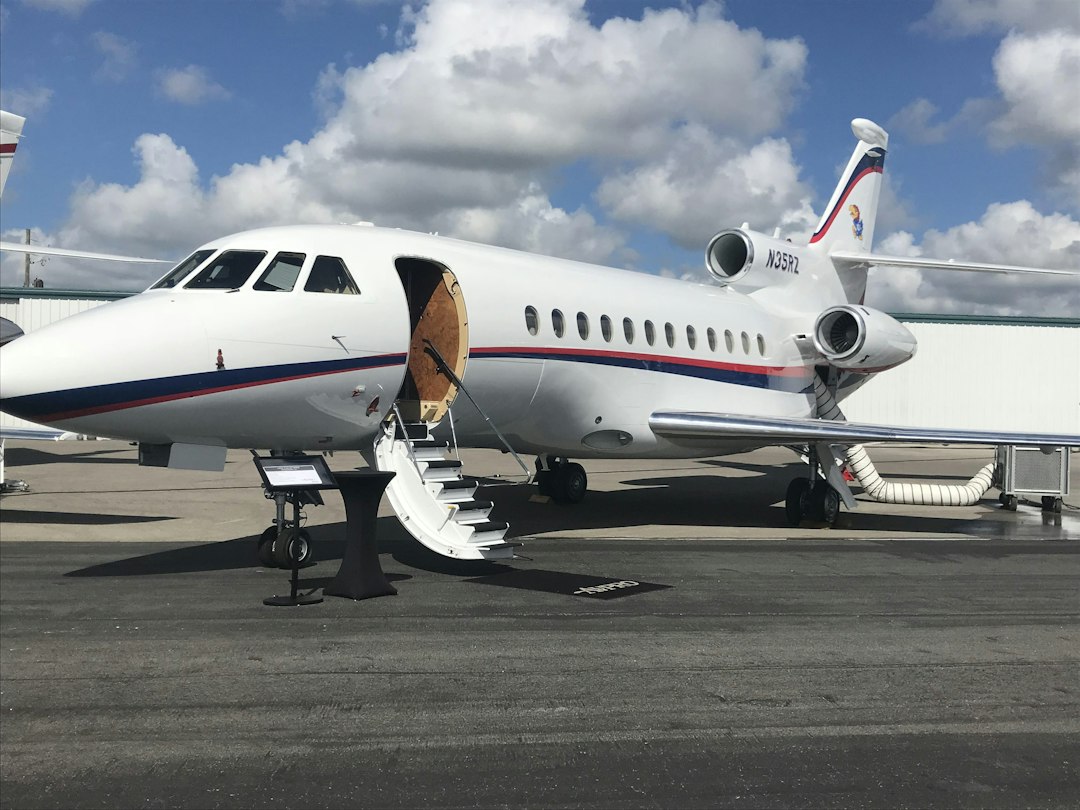
Let’s step back and look at what this really means for India’s private aviation market, because it’s not just about one jet swap — it’s about a fundamental shift in what “luxury” and “versatility” even mean in this space. For years, the Indian charter customer equated luxury with sheer size and range: a bigger cabin, a longer runway requirement, a more expensive fuel bill. That mindset is finally cracking. The Falcon 6X doesn’t just arrive with a wider cross-section and quieter engines; it arrives with a 4,000-foot cabin altitude at 51,000 feet, which means your brain gets 21% more oxygen on a seven-hour flight compared to the 8X. That’s not a marketing bullet point — that’s landing in Singapore and actually being sharp for a board meeting instead of foggy and irritable. And here’s the thing that keeps coming back to me: the FalconEye system, straight out of the Rafale fighter program, lets you shoot approaches into Srinagar with 50 feet lower minima when the fog rolls in. That’s the kind of real-world capability that transforms a niche toy into a reliable business tool.
But the bigger story is how this redefines versatility for Indian operators. The 6X’s electrically actuated leading-edge slats eliminate an entire maintenance stream that used to plague tri-jets, saving 15 kilograms per side and countless hangar days. The variable-area fan nozzle on the PW812D engines adjusts at altitude to eke out an extra 2% fuel efficiency — that’s roughly two hundred dollars saved per typical regional leg like Mumbai to Delhi or Bangalore to Hyderabad. And those savings stack up. The pressurized baggage compartment is certified for live animals at full altitude, so operators can carry racehorses or breeding stock without stressing them through pressure cycles. The vortex flush toilet uses only 0.3 liters per flush versus 0.8 on the 8X, saving 250 kilograms of carried freshwater weight annually on a busy fleet. I know that sounds trivial, but dead weight is the enemy of payload and range. The SlimSeat option saves 4.5 kilograms per seat, letting operators squeeze in one more passenger on short hops without busting weight limits. That’s incremental revenue on every single regional flight.
Now layer in the luxury side — and I mean real luxury, not just leather and champagne. The cabin is 100% fresh air, replaced every 90 seconds with zero recirculation. That matters enormously when you’re boarding in Delhi during winter haze, where ground-conditioning can pull polluted air into the cabin before takeoff. The flat floor means wiring and ducts are routed beneath the panels, so you can reconfigure furniture without needing an engineer’s sign-off each time. The dual-bus electrical architecture isolates the galley loads from flight-critical systems — so you can run the espresso machine and satcom at the same time without flickering the cabin lights. That’s the kind of detail high-net-worth clients notice, and it’s the kind of engineering that forces competitors to raise their own standards. The landing gear uses a nitrogen-oil separator strut that never needs recharging between overhauls, eliminating the three-day downtime Indian MROs often impose for a simple nitrogen service. Every one of these decisions says: we designed this jet for the actual conditions operators face in India — the heat, the haze, the short runways, the demanding clientele.
So what does this mean for the market overall? It means the benchmark has moved. The old guard — the 8X, the Global 6000, the Gulfstream G550 — they defined an era of “maximum everything.” But the 6X defines an era of “optimal everything.” It’s a calibrated tradeoff that prioritizes the missions you actually fly every day: Delhi to Dubai, Mumbai to Singapore, Bangalore to the Middle East. It lands on runways 600 feet shorter than the 8X, opening up Pune and Jaipur. It carries up to 16 passengers versus the 8X’s typical 12, so you can take the whole corporate team or a multi-generational family without splitting them. And it does all of this while burning 15% less fuel per seat mile and lowering direct operating costs by roughly 30%. That’s not just a new plane — that’s a new economic model for Indian charter. Operators who embrace this can offer a genuinely superior product at a lower marginal cost, which forces the entire market to get more efficient. Investors and high-net-worth individuals who were on the fence about private aviation now see a value proposition that actually pencils out. The 6X isn’t a luxury toy; it’s a business asset that happens to be incredibly comfortable. And that’s exactly the message Indian private aviation needed.
Research Methodology & Editorial Standards
We begin by defining the specific objectives the reader needs to accomplish. Primary product documentation and authoritative secondary sources inform every guide before drafting begins.
Figures and rules are checked against the sources available at the time of publication. Travel pricing changes constantly — always confirm current fares, rates, and terms with the provider before booking.