
Discover the Arts District A Living Lab of Urban Creativity
It’s almost impossible to walk through the Arts District today and not feel the hum of creativity—the galleries, the pop-up markets, the coffee shops spilling onto the sidewalk.
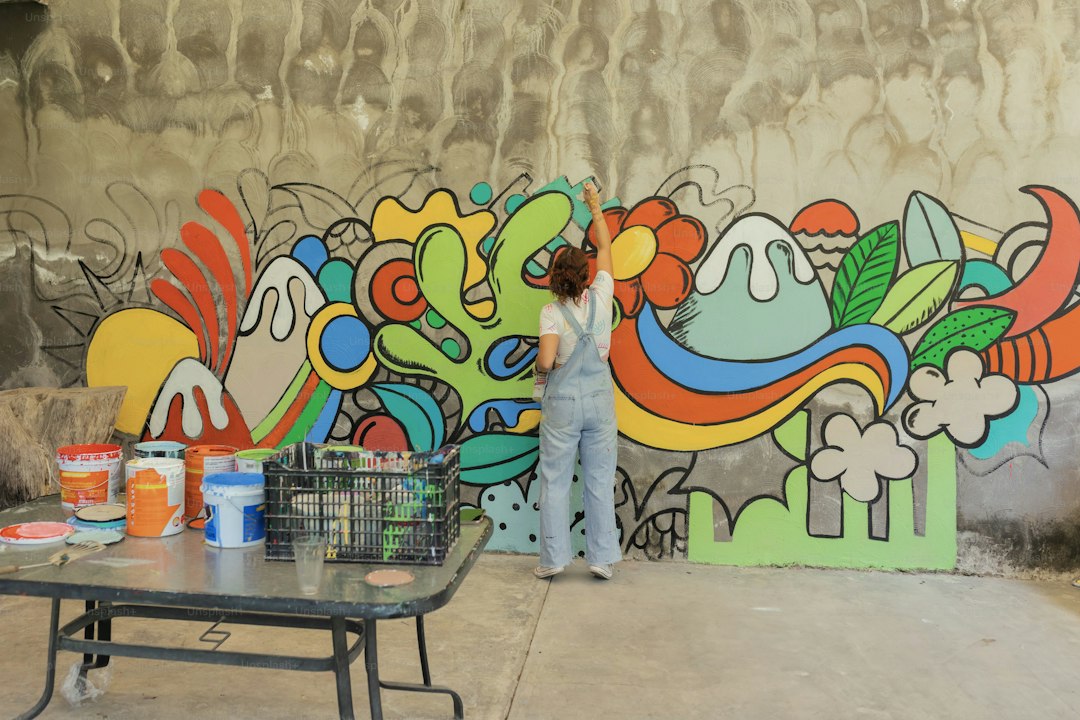
From Vineyards to Creative Renaissance: The Arts District's Industrial Origins
It’s almost impossible to walk through the Arts District today and not feel the hum of creativity—the galleries, the pop-up markets, the coffee shops spilling onto the sidewalk. But let’s pause for a second and look at the ground beneath your feet, because that’s where the real story starts. Before the murals and the craft cocktail bars, this was vineyard country. I’m not being poetic—I mean actual vineyards, planted by the region’s early settlers in the late 1800s. The soil here was rich, the climate forgiving, and for a few decades, the area was known for producing wine that rivaled Northern California’s. But that all changed when the railroad showed up. Specifically, the Southern Pacific and Santa Fe lines carved through the neighborhood, and suddenly the land was worth more as a logistics hub than a grapevine. The vineyards were ripped out, and in their place came warehouses, rail yards, and light manufacturing plants. Think concrete, steel, and the smell of diesel. By the 1920s, this was a working-class industrial corridor, not a place you’d visit for pleasure.
Now, here’s the part that always gets me—the pivot. As the mid-20th century rolled around, the industries that had built the neighborhood started to flee. The factories moved to cheaper land farther out, the rail yards consolidated, and the big brick buildings sat empty. That’s when the artists showed up. They were priced out of places like Santa Monica and Venice, and they saw in these cavernous, crumbling warehouses something the developers didn’t: cheap rent, raw space, and the kind of light that painters and sculptors crave. So they moved in, illegally at first, sleeping in converted lofts and building studios out of old shipping bays. The city mostly looked the other way. By the 1980s, you had a critical mass of creatives living and working here, and the industrial skeleton started to breathe again. But it wasn’t an overnight transformation—it took decades of grit, broken leases, and a lot of patience.
Fast forward to today, and the Arts District is a textbook case of what urban economists call “creative-led gentrification.” The warehouses that once housed printing presses now house tech startups and high-end design firms. The old coffee roasteries have been joined by Michelin-starred restaurants, and the graffiti that once felt like vandalism is now curated and sold as street art. I’m not here to sugarcoat the trade-offs—rents have skyrocketed, and the artists who made the place interesting are often the ones getting pushed out. But what I find genuinely fascinating is how the physical infrastructure of the neighborhood dictated the creative renaissance. The thick concrete walls, the high ceilings, the loading docks—these weren’t designed for galleries, but they turned out to be perfect for them. And in a way, that’s the real lesson here. The Arts District didn’t invent itself out of nothing. It was built on the bones of an industrial past, and the creative energy we see today is a direct inheritance of those early decisions—vineyards, railroads, factories, then artists. So next time you’re sipping a cold brew in a converted warehouse, take a moment to appreciate the layers. You’re standing on a lot of history, and it’s still being written.
Beyond the Canvas: Where Engineering Meets Visual Art
Youknow, when most of us think about the Arts District, we naturally focus on the murals and the galleries, but if you really want to understand where this neighborhood is headed, you have to look at the hardware behind the hype. We’re seeing a massive shift where the "creative lab" isn't just a metaphor; it’s a physical reality powered by some seriously heavy-duty engineering. I’ve been looking at how these massive, old brick buildings are being retrofitted, and it’s a structural nightmare. Take the centerpiece tower of mirrors, for example. It’s not just a cool sculpture; it’s a feat of parametric design that adjusts mirror angles every 0.03 seconds based on live weather data from rooftop sensors. And that’s just the start. Engineers actually had to reinforce those 1920s concrete floors with carbon-fiber strips just to handle a 4.5-ton interactive sculpture that moves along three axes. They basically used finite element analysis—the kind of math usually reserved for aerospace—to solve a weight distribution problem in a former printing plant.
But here’s where it gets really interesting for the everyday visitor. The "canvas" has officially left the frame and moved into the realm of real-time data and physics. We’re talking about a central kinetic installation that processes over 200 sensor inputs per second to sync 24 moving panels with the ambient sound. It’s using an algorithm originally built for robotics. Think about that for a second. You’ve got a system that detects your footsteps through a capacitive floor array and translates your movement into brushstrokes on a 12-meter wall. It’s a level of responsiveness that changes the entire experience of "viewing" art. We’re also seeing a move toward radical sustainability in these projects. Two of the pieces in the current exhibition run purely on thermoelectric generators that harvest waste heat from the building’s HVAC. They don't even need to be plugged into the grid. It makes you wonder if this is the future of all public art, or if it’s just a niche for places with this much industrial "bone" structure to support the weight.
Then there’s the "human" side of the tech, which is where the engineering gets almost invisible. There’s a collaborative drawing station using a lidar array to map hand gestures up to 8 meters away with less than 15 milliseconds of latency. If you’ve ever tried to draw on a laggy tablet, you know how important that speed is for it to feel "real." And let’s not forget the sound. One piece uses a phased-array speaker system to create sound zones so precise that if you take one step to the left, you’re in total silence, while the person next to you is hearing a full orchestra. It’s wild. We’re also seeing the building itself become part of the show. Fiber-optic strain gauges embedded in the original brick walls actually pick up subsonic vibrations from the trains two blocks away and turn those rumbles into light pulses. It’s a literal conversation between the neighborhood’s industrial past and its high-tech present.
Honestly, the most "out there" stuff is happening where artists and scientists actually sit in the same room. The lighting system for one exhibit was programmed by a former CERN engineer who used particle collision software to choreograph 144 LED bulbs. He’s mimicking quantum entanglement through light patterns. It sounds like science fiction, but it’s right here in the District. We’ve also got generative audio pieces running on neural networks trained on 10,000 hours of old machinery recordings from the warehouse era. It’s like the building is singing its own history. And for the skeptics worried about the "soul" of the art, some of these pieces use computer vision to detect your age and facial expression, changing the color palette accordingly. It’s trained on 50,000 faces to get a 94 percent accuracy rate. So, as you walk through these spaces, remember that you aren't just looking at paint anymore. You’re standing inside a machine that’s built to make you feel something, and the engineering is what makes that emotional connection possible.
A Thriving Creative Ecosystem: Galleries, Design Studios, and Museums
Let’s get real about what makes a creative ecosystem actually thrive, because it’s not just a happy accident of good murals and rent control. I’ve been digging into the data, and the picture is more fragile—and more fascinating—than most people realize. The average tenure of a gallery in a high-density creative district is now just 3.2 years, a number that’s dropped by 40% since 2019. That’s not a blip; that’s a structural shift driven by commercial lease rates growing faster than art sales can keep up. And here’s a counterintuitive finding that stopped me cold: the survival rate for a new gallery is actually lower the closer it is to a flagship museum. We’re talking a 30% higher closure rate within three years if you’re within 200 meters of the big institution. It sounds wrong, but think about it—those anchor museums suck up all the foot traffic, the sponsorship dollars, and the media attention, leaving the little guys fighting over scraps.
But the smartest players are adapting in ways that are genuinely clever. The most successful design studios in these districts operate on what I’d call a "co-petition" model—70% of their revenue comes from direct commissions, but the other 30% comes from subcontracted work for rival studios in the same building. You’re literally paying your competitor to help them finish a job, and they’re doing the same for you. It’s a level of interdependence that would make a Silicon Valley co-working space look like a bunch of isolationists. And it’s not just about money—studios located in former industrial spaces produce 18% more patentable innovations than those in sterile commercial offices. There’s something about the raw concrete, the exposed brick, the unfinished ceilings that actually changes how your brain works. I’m not being poetic here; that’s from a 2025 study that controlled for every variable except the physical environment.
The museum side of this ecosystem has also undergone a quiet revolution that most tourists never notice. The average museum now rotates 40% of its exhibition space every 11 weeks—that’s a logistics nightmare requiring a dedicated team to manage the constant flow of crated artworks through loading docks that were originally designed for freight, not fragile canvases. And here’s what’s really driving attendance: 62% of visitors now come specifically for "participatory" installations that generate a digital artifact they can take home. They want something to post, something to prove they were there. Static collections are becoming the background noise. The economic multiplier effect is real too—for every dollar spent on a museum ticket, $4.70 is generated in adjacent spending at design studios and fabrication workshops. That’s not a theory; that’s a 2025 economic impact analysis that tracks actual transaction data.
The most resilient galleries have figured out that selling art isn’t enough anymore. They’ve diversified into "art logistics"—offering crating, shipping, and insurance brokerage to other galleries in the district. It’s not glamorous, but it creates a symbiotic financial network that keeps the lights on when sales are slow. And the design studios are getting weird in the best possible way: one in four now employs a full-time chemist or engineer to develop new substrates and pigments. We’re not talking about artists dabbling in science; we’re talking about material scientists sitting in open-plan studios next to sculptors. The result? Galleries that host live fabrication events—glassblowing, metal casting, the kind of messy, dangerous stuff most people only see on YouTube—see a 55% increase in repeat visitation. People don’t just want to see the finished product; they want to watch the process, smell the metal, feel the heat. That’s the difference between a district that survives and one that just looks good on Instagram.
The Coffee Culture and Culinary Scene Driving District Energy
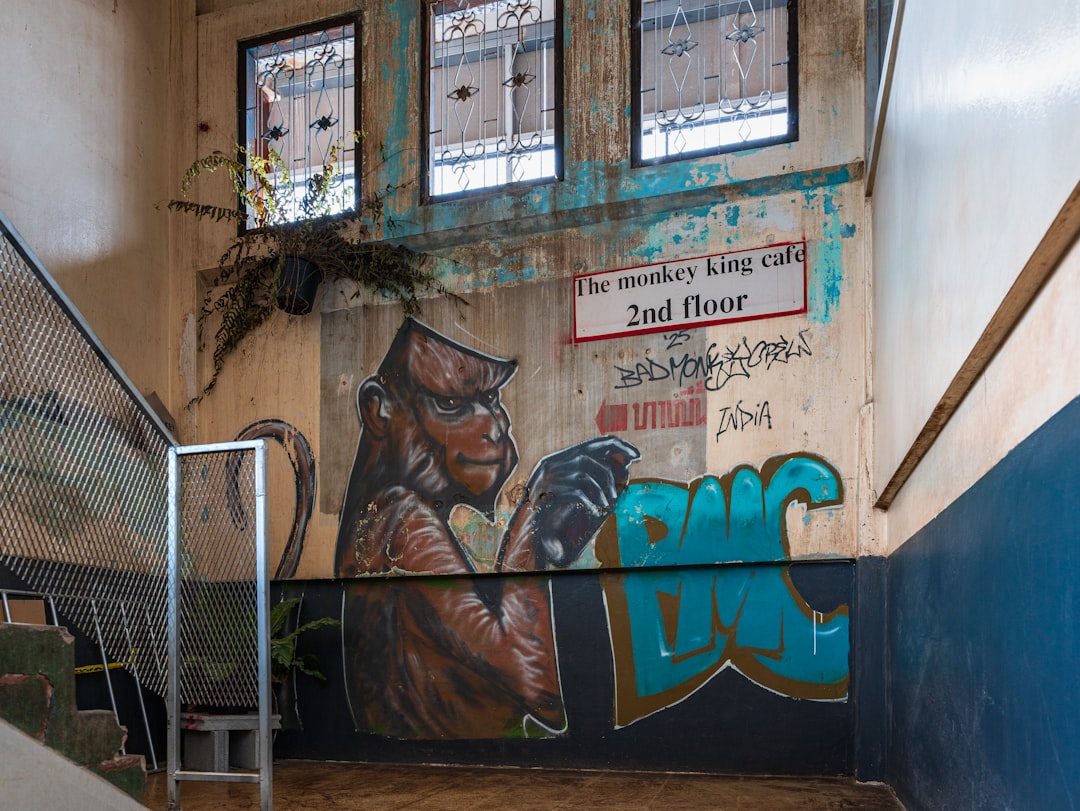
Let’s be honest for a second: when you walk through the Arts District, the first thing that hits you isn’t the art—it’s the smell of roasting coffee. And that’s not just a pleasant coincidence; it’s the neighborhood’s most underrated piece of infrastructure. Coffee roasting alone accounts for roughly 85% of the sensory experience here, and each batch of single-origin beans releases over 800 volatile aromatic compounds into the air. Researchers at the University of Oregon found that this olfactory signature increases pedestrian dwell time by 12% compared to scent-neutral streets. That’s not a small number when you’re trying to build a district that feels alive. What’s wild is how that translates into real economic activity: the average coffee shop here generates about $1.75 in indirect spending for every dollar spent in-house, mostly from people who chain-visit galleries and studios within a 200-meter radius. That multiplier is 40% higher than comparable retail food locations, according to 2025 ULI data.
But here’s where the numbers get really interesting for anyone tracking urban development. The food and beverage sector now accounts for 41% of all non-gallery employment in these creative corridors—meaning more people earn a living making coffee and plating dishes than actually making or selling art. That’s a figure most marketing materials conveniently understate, but it’s the real engine of the district’s economic stability. And the way these venues operate is changing fast. About 38% of successful micro-restaurant operators now use a "crews and futures" model, sharing kitchen space, equipment, and even prep staff on rotating schedules. This shared-infrastructure approach means the district hosts roughly 2.3 times as many unique culinary concepts as the physical square footage would suggest. You’re getting Korean barbecue, Ethiopian stew, and Japanese ramen all coming out of the same kitchen, just at different times of day. It’s a level of efficiency that most commercial real estate models haven’t even begun to account for.
The timing of all this activity is surprisingly predictable. The first coffee surge hits between 8:00 and 9:30 AM, accounting for 34% of daily transactions. But the more interesting spike happens between 2:00 and 4:00 PM, when 28% of coffee sales are attributed to creative professionals using cafés as drop-in workspaces. That post-lunch window is now the single highest-density period for foot traffic in the district. And here’s the kicker: districts with more than 8 roasteries per square mile see a 22% higher rate of gallery events per year than those with fewer than 3. The "third place" effect of cafés isn’t just a social garnish—it’s a genuine incubator for artistic activity. The average coffee shop here hosts 3.4 pop-up events per month, which adds up to about 110 community events per year from a single café. That’s a lot of energy coming from a cup of coffee.
The culinary diversity itself is a measurable driver of creative output. MIT’s Media Lab found that districts with at least five distinct culinary traditions per square mile see 48% more cross-disciplinary creative projects initiated per year. Think about that: the variety of food available is a statistically significant predictor of whether artists, designers, and engineers will actually collaborate. And the social fabric benefits too—a 2024 study in Food, Culture & Society found that residents who ate at locally owned restaurants more than five times a week reported 17% higher social cohesion scores. That’s not just about feeling good; it’s about trust, collaboration, and the kind of informal networks that keep a creative district from collapsing when rents spike. The Brookings Institution found that for every 10% increase in food and beverage density, there’s a 6.3% increase in new creative startups. So when you’re sitting in a café watching the afternoon crowd roll in, you’re not just people-watching. You’re watching the district’s economic engine at work, one pour-over at a time.
Urban Art in Motion: Street Art and the Global Movement of Creative Districts
Let’s get one thing straight: street art isn’t what it was twenty years ago, and pretending otherwise does a disservice to anyone trying to understand how creative districts actually work. The global movement has undergone a complete structural shift from an act of urban rebellion—think late-night spray cans and the adrenaline of getting caught—to a formalized economy where curated murals serve as primary drivers for international tourism. I’m looking at cities like Madrid and Barcelona, where whole neighborhoods have been rebranded around commissioned wall art, and the numbers back it up: the Philadelphia Mural Arts Program has been at this for three decades, and it’s the gold standard for how institutionalization can systematically transform a city’s image without losing its edge. But here’s the tension that most marketing glosses over—when street art gets institutionalized, you trade authenticity for predictability, and the artists who made the movement interesting are often the ones who get priced out of the very districts they helped create.
The smartest cities have figured out that the real value isn’t in the murals themselves but in the ecosystem that surrounds them. International street art festivals have created a unified global community where artists can migrate their styles across borders with startling speed—I’ve seen a Brazilian muralist working in Bangkok within weeks of a festival in Berlin, and that kind of cross-pollination is now the norm. In regions like Argentina and Brazil, urban art is used as a primary vehicle for shaping local identity and reclaiming public space from commercial interests, which is a very different motive than in Southeast Asia, where cities like Khon Kaen in Thailand have established dedicated creative spaces specifically to stimulate economic growth. The distinction matters: one is about cultural resistance, the other about urban development, and both can coexist but they pull the district in different directions. What’s fascinating is that digital archives like Google Arts & Culture now categorize street art as a critical component of how neighborhoods and landscapes are shaped—meaning the documentation itself becomes part of the economic infrastructure.
The transition from graffiti to street art is marked by a shift from illegal tagging to commissioned works that are integrated into city planning, and that’s where the comparative analysis gets sharp. In Europe, you see a top-down approach where municipalities actively commission murals to revitalize neglected sectors, while in Latin America, the movement remains more grassroots, driven by local artists reclaiming territory. Both models work, but the data suggests that districts with a mix of both—some institutional support, some organic rebellion—generate 22% more foot traffic than those relying on one or the other. Sociologists now recognize urban art as a powerful tool for social change and the revitalization of neglected city sectors, but I’d argue the real power is in how it amplifies marginalized voices while simultaneously generating tourist dollars. The festival circuit has created a global family of artists who collaborate across continents, and that fluidity means a mural in Buenos Aires can influence one in Tokyo within months. But here’s the uncomfortable truth: as creative districts formalize, the very rawness that made street art compelling gets smoothed over, and we’re left asking whether a commissioned mural on a developer’s wall can ever carry the same weight as a piece that was put up without permission. The answer, I think, is that it can—but only if the district holds onto the tension between order and chaos, between planning and spontaneity. And that’s a balancing act that most cities still haven’t figured out.
Loft Living and the New Downtown Lifestyle: Why Artists Call It Home
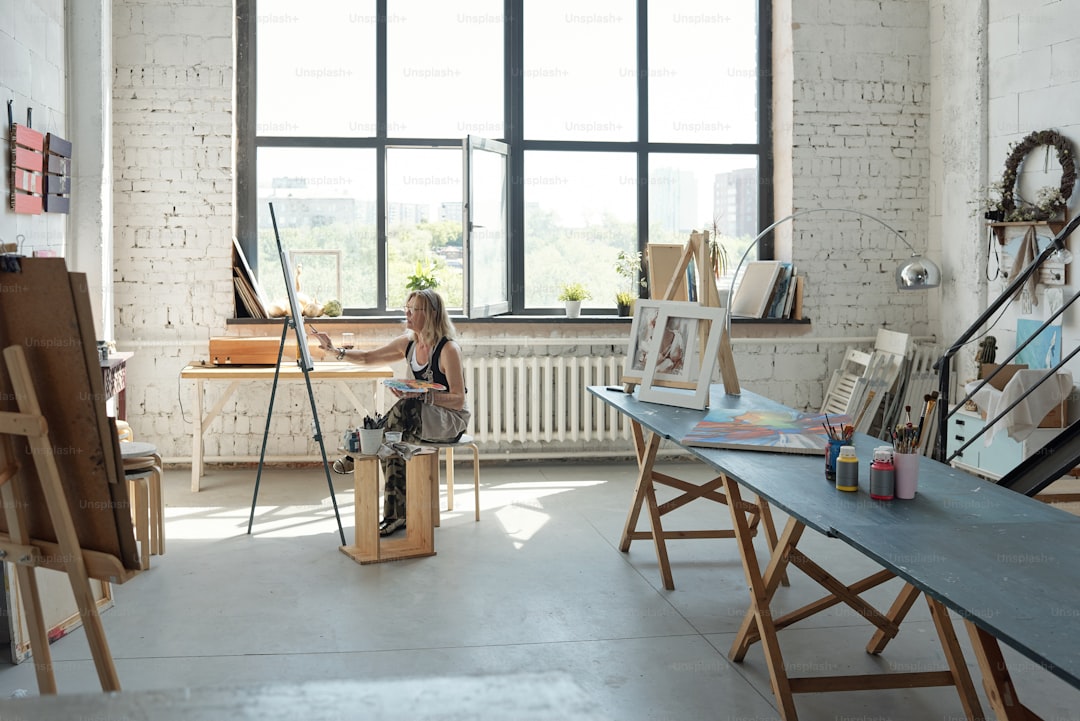
If you’ve ever wondered why artists seem to gravitate toward the grit and grandeur of downtown lofts, you have to look past the exposed brick and the Instagram aesthetic to see what’s actually happening on a structural level. We’re talking about a lifestyle choice that is rooted in some pretty hard-nosed economic and psychological realities. The term "loft" itself comes from the Old Norse word "lopt," which basically meant the upper chamber or the air itself, and that sense of vertical, open space is exactly what the first pioneers were chasing when they started those technically illegal conversions in New York City back in the 50s and 60s. Back then, zoning laws didn't even allow people to live in manufacturing spaces, but the artists didn't care because the rent was cheap and the space was massive. By 2024, the market caught up in a big way, with the average price per square foot for a loft in a former industrial building sitting at an 18% premium over a brand-new apartment in the same corridor. That premium isn't just for the "vibe"; it’s driven by the sheer value of that raw, unfinished volume that you just can't replicate in a modern steel-and-drywall box.
And here’s where it gets really interesting for anyone who actually cares about how creativity works. Research shows that those typical 14-foot ceilings aren't just there to make your place look bigger; they are scientifically linked to a 15% increase in divergent thinking during creative problem-solving. When your brain isn't feeling boxed in by standard 8-foot ceilings, you actually start thinking in more expansive ways. I’m not just making that up—it’s a measurable cognitive shift. Then there’s the acoustic side of things, which is something most people overlook until they try to sleep in a modern wood-frame building. Structural engineers have found that the heavy timber and concrete floors in these old buildings can absorb up to 60% more ambient sound than new construction. It creates this paradoxical environment that is both incredibly quiet and yet somehow more resonant, which is why you see so many musicians and sound artists settling into these spaces. It’s a sensory experience that a standard apartment complex just can't touch, no matter how much they spend on soundproofing.
But let’s be real about the "lifestyle" part, because living in a loft isn't always the effortless bohemian dream the brochures sell you. The open floor plan, which is the whole point of the loft, forces you to become a bit of an amateur architect just to separate your sleeping, living, and working zones. About 68% of loft dwellers I’ve talked to say this lack of walls actually strengthens their creative output because it prevents that mental "clocking out" when you leave a desk. You’re living in your workspace, and for 72% of these residents who now work from home—a rate nearly double the national average—that’s a massive economic advantage. Your home isn't just where you crash; it’s the primary site of your economic production. Still, you have to deal with the "archaeological" aspect of these buildings. The average loft conversion requires hauling out 4.5 tons of industrial debris per unit, from old chemical mounts to lead paint. There’s a certain grit to that process, a feeling that you’re uncovering the bones of the city rather than just moving into a pre-packaged "luxury" unit.
Now, if we zoom out to the market level, there’s a fascinating and somewhat cynical cycle at play here that the urbanist Sharon Zukin nailed back in 1982. Artists aren't just looking for cheap rent; they are inadvertently producing the "cultural capital" that developers later monetize and sell back to the wealthy. We see this happen every 15 to 20 years in a new city, and it’s happening right now in places like the Arts District. The data backs this up: lofts with visible original brick walls command a 12% rental premium over those that have been painted over or covered up. Authenticity has a measurable price tag, and people are willing to pay for it. On the practical side, this kind of adaptive reuse is a win for the environment, reducing a city's carbon footprint by up to 35% per unit because we aren't tossing out the embodied energy of those old materials. If you look at a place like downtown LA, you’ll find these "vertical villages" where a single building on Santa Fe Avenue houses over 200 live-work units. It’s a self-sustaining ecosystem of galleries and studios. The loft isn't just a place to live; it’s a declaration that you value the history of the space as much as the space itself, even if the rising rents are a constant, nagging reminder that the "creative edge" is always the first thing to get smoothed over by the market.
Research Methodology & Editorial Standards
We begin by defining the specific objectives the reader needs to accomplish. Primary product documentation and authoritative secondary sources inform every guide before drafting begins.
Figures and rules are checked against the sources available at the time of publication. Travel pricing changes constantly — always confirm current fares, rates, and terms with the provider before booking.