
Emirates expands its cargo fleet with the launch of the new Boeing 777 300ERSF aircraft
When we start talking about the Boeing 777-300ERSF, or the Big Twin as it’s known in the industry, we’re really looking at a masterclass in extending the life of a legendary airframe.
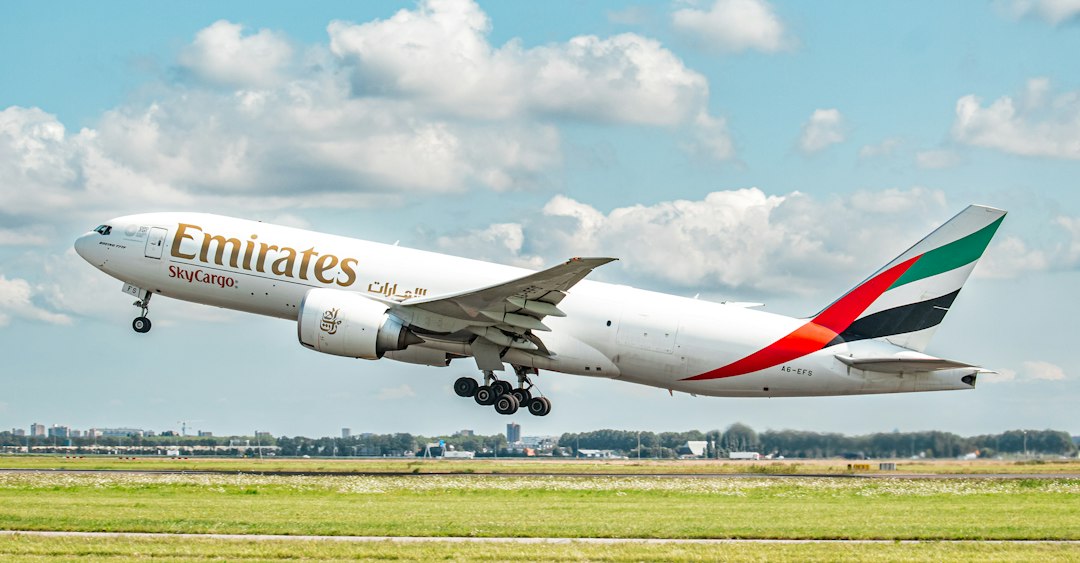
Understanding the Boeing 777-300ERSF: The Big Twin Conversion
When we start talking about the Boeing 777-300ERSF, or the Big Twin as it’s known in the industry, we’re really looking at a masterclass in extending the life of a legendary airframe. It’s the first time anyone has successfully pulled off a passenger-to-freighter conversion on the 777-300ER, and frankly, the engineering involved is pretty staggering. You aren't just gutting seats and throwing in pallets; the process requires adding a massive main-deck cargo door and reinforcing the fuselage to handle the kind of stress that comes with heavy, long-haul freight. It’s a bit like taking a luxury tour bus and turning it into a heavy-duty semi-truck without losing the reliability that made the base aircraft so popular in the first place.
I think what makes this so fascinating is how it changes the math for cargo airlines. Instead of waiting years for a brand-new factory-built freighter, companies like Kalitta Air or the folks at Challenge Group can breathe new life into airframes that have already proven their worth. It’s a much more cost-effective play, especially when you consider the specialized floor structure designed to take the concentrated weight of those high-density pallets. Plus, they’re keeping the fuel efficiency and range that made the 777-300ER a fleet favorite for years. It’s honestly a smart move for an industry that’s constantly trying to balance capacity needs with the reality of high capital costs.
Of course, getting there is a serious hurdle. You’ve got aviation authorities demanding rigorous certification testing to make sure these modified frames can hold their own under constant cargo operations. It’s not just about the structural beefing up, either; the flight deck systems have to be reconfigured to manage the new cargo-handling logistics. But when you see these planes hitting the tarmac with operators like Air Atlanta or Ethiopian Airlines, it’s clear the market was starving for this kind of middle-ground solution. It’s a bridge between the secondary market and the demand for long-haul capacity, and it’ll be interesting to see if this model shifts how we think about aircraft retirement cycles altogether.
Strategic Advantages of the 777-300ERSF for Emirates SkyCargo
When we talk about the move toward the 777-300ERSF, it’s easy to get lost in the technical specs, but for Emirates SkyCargo, this is really about a massive shift in how they tackle heavy-lift logistics. Honestly, having the first of these converted beasts in the fleet changes the math for their entire operation. We are looking at a machine that can haul roughly 101.6 metric tonnes of payload, which really opens up the door for more complex, high-density shipments. By utilizing the stretched 777-300ER airframe, they are getting about 15 percent better fuel efficiency per tonne compared to the older 747-400F workhorses that many of us are used to seeing on the tarmac. It’s a cleaner, smarter way to move serious volume without the massive capital hit of buying brand-new freighters.
Think about the physical reality of loading this thing; the new main deck cargo door is over three meters high and wide, meaning they can finally squeeze in oversized industrial equipment or massive engines that previously would have been a logistical nightmare to transport. The floor has been completely reinforced to handle that concentrated weight, so you’re not just moving light e-commerce packages anymore. Plus, they’ve kept the GE90-115B engines, which are honestly some of the most reliable powerplants in the sky, ensuring that these long-haul, 4,900-nautical-mile treks stay on schedule. It’s a perfect bridge for a carrier that needs that extra capacity right now while keeping a close eye on the bottom line.
Beyond the raw capacity, there’s a sustainability angle here that I think is worth noting, too. By giving a second life to these airframes, they’re avoiding the carbon impact that comes with building a jet from scratch, which is a massive win when you’re looking at fleet renewal through a modern lens. With the cockpit upgraded to handle advanced cargo management software, the crew can balance these heavy, multi-stop missions with real precision. And for the time-sensitive stuff, cruising at Mach 0.84 means they’re shaving time off critical express routes, which is exactly what the market demands in this climate. It’s a calculated, high-utility play that makes a lot of sense if you’re trying to dominate the global cargo game without reinventing the wheel.
Key Performance Enhancements and Payload Capacity
When you start digging into the guts of this conversion, it’s clear this isn't just about stripping out seats; it’s a complete mechanical overhaul designed to handle serious industrial stress. Let’s look at the structure first, because that’s where the real heavy lifting happens. Technicians install a specialized rigid cargo barrier right behind the flight deck, which is crash-tested to withstand up to 9g of force. It’s a vital safety feature meant to protect the crew if a heavy load shifts during flight. Plus, they’ve gutted the old passenger interiors and replaced them with lightweight composite linings, which does wonders for the aircraft's empty weight and directly bumps up your overall payload capacity.
Think about the floor under your feet—or in this case, under the cargo. They install a brand-new floor grid featuring custom load-distribution beams that can support concentrated unit load devices weighing up to 11,340 kilograms each. To handle all that extra pressure, the fuselage skin itself gets reinforced with custom-machined aluminum doubler plates around that massive new cargo door. It’s honestly a bit like strengthening the foundation of a building before adding an extra floor, and it’s the only way to make this airframe truly ready for the demands of long-haul freight.
The tech on the inside is just as impressive as the structural beefing up. They’ve integrated a power drive unit system that uses omnidirectional rollers, meaning ground crews can slide and rotate heavy pallets with literal millimeter-level precision. And if you’re worried about the weight balance, the flight management computer gets a major software update to handle the unique center-of-gravity shifts that come with unevenly loaded freight. It all translates to a faster, safer, and much more efficient turnaround—something that really matters when you’re pushing to keep global supply chains moving on schedule.
Fleet Modernization: Integrating Converted Freighters into the Network
When we look at how airlines are actually stitching these converted freighters into their existing networks, it’s not just about adding a new plane to the hangar; it’s really a total recalibration of their operational DNA. By integrating the 777-300ERSF, carriers are effectively turning their primary passenger hubs into dual-purpose logistics nodes, allowing them to synchronize high-density cargo schedules with major tourism routes. Honestly, the smartest part of this transition is how the maintenance cycle for these conversions mirrors the existing passenger 777 fleet. This lets airlines share spare parts and streamline technician training, which avoids the massive overhead that usually comes with introducing a completely new aircraft type to the line.
Think about the math behind the cargo itself; by swapping out old floor panels for lightweight composites, operators are shedding enough empty weight to boost their revenue-generating payload without needing more engine thrust. It’s a clean way to squeeze more utility out of the airframe, especially since the new, specialized floor grid allows for heavy unit load devices in positions that used to be restricted. Plus, the integration of wireless, tablet-based load management systems means ground crews can sync directly with the manifest, cutting down on those frustrating, profit-draining dwell times on the tarmac. It’s exactly the kind of modernization that helps keep supply chains moving when every minute counts.
The real shift here is how these machines bridge the gap between smaller regional freighters and the older, fuel-hungry four-engine giants like the 747. We’re seeing a clear move away from those less efficient frames toward the 777-300ERSF, which gives carriers a much more resilient, flexible capacity option. Because the conversion process bypasses the long wait times for brand-new production slots, airlines can react to market demand in months rather than years. It’s a calculated, high-utility play that lets them dominate those critical express routes while keeping a much closer eye on their long-term capital efficiency. If you’re trying to build a fleet that’s both sustainable and sharp enough to handle the current climate, this really is the path forward.
Impact on Global Supply Chains and Air Freight Efficiency
When you look at the bigger picture, it’s clear that adding these 777-300ERSF freighters isn't just about shuffling boxes from point A to point B; it’s a total recalibration of how we keep global trade moving. Honestly, the real magic happens in the way these jets turn typical passenger hubs into dual-purpose logistics engines. By aligning cargo schedules with existing passenger routes, airlines are cutting out a massive amount of operational bloat that used to weigh down the bottom line. It’s a much more resilient way to handle high-density freight, especially when you consider how fragile today's multimodal sea-to-air chains have become.
Think about the efficiency gains here for a second. By using these converted frames instead of waiting years for factory-new models, carriers are side-stepping those long, painful production backlogs and reacting to market shifts in real-time. Plus, because these planes share so much DNA with the standard 777-300ER passenger fleet, the headache of training crews and stocking spare parts is drastically reduced. It’s a smart, pragmatic play that lets airlines stay nimble without needing a complete overhaul of their existing maintenance infrastructure.
And let’s be real about the sustainability side of things—extending the life of a proven airframe is a much cleaner move than burning through the resources required to build a jet from scratch. When you combine that with the upgraded load management systems that cut down on those profit-draining tarmac dwell times, you’re looking at a serious upgrade in efficiency. It’s not just a technical fix; it’s a shift toward a high-utility model that makes the whole supply chain feel a lot more stable. I’m curious to see how this ripples out, but for now, it’s clearly the most logical path for any carrier wanting to stay ahead of the game.
Future Outlook: Emirates’ Commitment to Sustainable Cargo Operations
When we talk about the future of cargo, it’s easy to focus solely on the airframes, but for Emirates SkyCargo, the real game-changer is how they’re rethinking the entire ecosystem surrounding those new 777-300ERSF jets. I think what’s most impressive is their move into autonomous systems, specifically through their partnership with LOOD Autonomous, which is finally bringing unmanned electric platforms into the mix for last-mile delivery. It’s a smart way to offload those smaller, time-sensitive shipments from the main fleet, effectively clearing the runway for the big, long-haul missions that actually need the range. Honestly, it’s a level of operational efficiency we haven’t really seen at this scale before, and it’s clearly designed to chip away at the carbon footprint of regional distribution.
Beyond the hardware, they’re getting incredibly granular with flight optimization using digital twin technology to simulate routes before they even take off. By layering in real-time weather data, these systems are helping the 777-300ERSF fleet maintain more consistent cruise profiles, which, let’s be honest, is a massive win for fuel economy. I’ve been looking at the numbers, and the ability to trim just a few percentage points off fuel consumption through these digital refinements really adds up when you’re flying transcontinental routes. They’re also using machine learning to balance cargo loads with near-perfect precision, keeping the center of gravity tuned so the aircraft isn’t fighting unnecessary drag during the climb or cruise.
It’s not just happening in the air, though; they’re tackling the ground game with the same intensity. Replacing their legacy loading equipment with an electrified ground fleet at Dubai World Central is a move that finally closes the loop on their local emissions. On top of that, they’ve quietly overhauled their cargo terminal operations, installing sensor-based thermal management that stops them from over-cooling sensitive goods like pharmaceuticals. Even the small stuff matters here, like the switch to bio-based floor insulation and recyclable pallet covers, which together shave off enough weight to make a tangible difference in the mass-specific fuel burn. It’s a holistic approach that moves past marketing fluff to focus on the boring, essential physics of flight—and that’s exactly how you build a future-proof cargo operation.
Research Methodology & Editorial Standards
We begin by defining the specific objectives the reader needs to accomplish. Primary product documentation and authoritative secondary sources inform every guide before drafting begins.
Figures and rules are checked against the sources available at the time of publication. Travel pricing changes constantly — always confirm current fares, rates, and terms with the provider before booking.