
Why Venice remains the ultimate destination for a romantic getaway
When I think about why Venice feels so completely different from any other city on earth, my mind always drifts to the hidden engineering keeping it afloat.
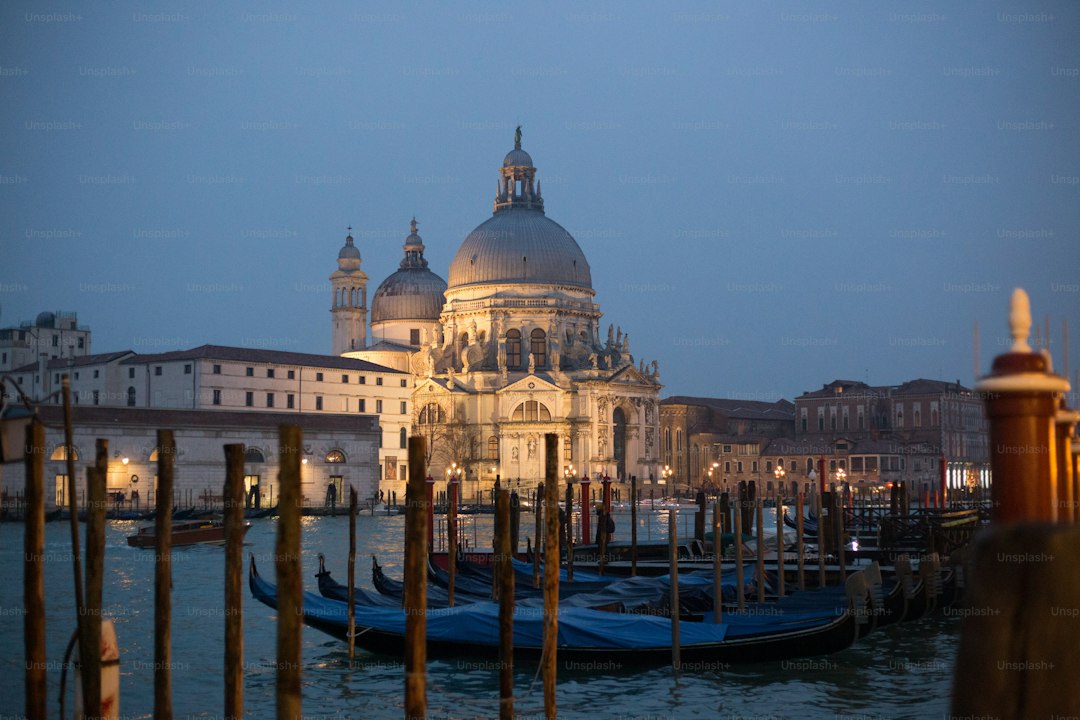
The Timeless Allure of Venice’s Maze-Like Canals
When I think about why Venice feels so completely different from any other city on earth, my mind always drifts to the hidden engineering keeping it afloat. You’re essentially walking on a forest of millions of larch and alder logs driven deep into the clay, preserved for centuries because the anaerobic mud keeps bacteria and rot at bay. It’s wild to realize that the very foundation of those romantic, crumbling palaces relies on layers of dense Istrian stone to act as a capillary barrier against the salt. Without that specific limestone, the brickwork would have surrendered to the rising damp ages ago. It makes you look at those water-worn steps and see a literal war against physics that the city has been winning for a millennium.
Beyond the stone and wood, there’s the actual movement of the water, which is far more than just a scenic backdrop. The canals are a precise hydraulic system, relying on the twice-daily tides to flush the city out and keep the water from turning stagnant. I’ve always been fascinated by the gondolas themselves, which aren't just pretty boats but engineering marvels designed with an intentional asymmetry. Because the rower stands on one side, the hull is shaped to counteract that imbalance, keeping the boat tracking straight without constant correction. Even the dark paint is a functional choice, using a specialized bituminous varnish to fight off the corrosive salt and the constant threat of bio-fouling.
The city’s maze-like layout wasn't an aesthetic choice, but a defensive one that also maximized trade access, leading to that incredible network of over 150 canals and 400 bridges. It’s this organic, unplanned growth that keeps the city human-scale, entirely resisting the intrusion of modern automotive traffic. While the city continues to deal with slow subsidence from the weight of all that stone, the modern MOSE flood barrier system is the new reality for managing the acqua alta that comes with the shifting Adriatic tides. You can really feel the tension between this ancient, hand-built world and the high-tech measures needed to keep it dry today. It’s a delicate balance, but honestly, that’s exactly what makes every corner you turn feel like you’ve stepped into a place that shouldn't exist, yet somehow does.
Private Gondola Rides: An Intimate Perspective on Venetian Architecture
If you’re planning a trip to Venice, you’ve probably seen a thousand photos of the Grand Canal, but I really think you’re missing the actual point of the city if you stay on the pedestrian paths. Look, we all know the gondola is the classic tourist staple, but I want you to reconsider it not as a cliché, but as a specialized tool for architectural analysis. When you’re sitting that low in a boat, your entire perspective shifts; you stop looking at the facades from the eye-level of a walker and start seeing the building as it was intended to be viewed by merchant families arriving by sea. The water-gate entrances, which were historically the main, most ornate portals of these palazzos, become your primary frame of reference. You’ll notice the intricate Istrian stone carvings tucked around these doors that are completely invisible from the land bridges, offering a glimpse into the status of the original owners that most people just walk right past.
It’s even more interesting when you start paying attention to the materials themselves from just inches above the surface. You can actually see the masegni, that volcanic stone paving along the canal banks, and how they’ve been hand-cut to interlock without a drop of mortar. If you’re really looking, you’ll notice the subtle drainage slopes carved into these stones, which have been quietly preventing the erosion of the foundation masonry for centuries. Then there are the patera and formelle, those tiny Byzantine and Gothic relief carvings embedded into the brick, which are positioned low enough that you’d never catch the detail from the street. It’s wild to think that these stone discs, depicting mythical animals or floral patterns, were essentially the social media of the 14th century, signaling the family’s reach and taste to anyone arriving by boat.
Honestly, the most revealing moment is how the water itself changes your experience of the architecture. The canal acts as a giant light diffuser, bouncing sun up onto the undersides of those massive marble balconies, illuminating the complex corbeling techniques that are almost always left in shadow from the street level. You’ll also start to notice the patchwork of recycled Roman marble at the base of the buildings, acting as a high-density, waterproof barrier against the salt. It’s essentially a geological timeline of Venice’s construction phases that remains completely obscured if you’re just wandering the calli. I’d suggest booking a ride through the quiet, tertiary canals where the silence lets you hear the specific acoustics of the walls, giving you a sense of how these spaces were designed to echo sound as a sort of early warning system for visitors. It’s an entirely different way to read the city, and frankly, I think it’s the only way to truly understand why Venice still feels like it’s holding its breath.
Culinary Delights: Indulging in Authentic Venetian Cicchetti and Fine Dining
If you really want to understand the soul of Venice, you have to move past the tourist menus and look at how the city’s actual culinary infrastructure evolved around the water. The tradition of cicchetti isn't just a snack; it’s a direct descendant of the bacaro, which started as a clever workaround to dodge taxes on seated dining by letting merchants eat and drink standing up. You’re essentially participating in a centuries-old economic hack when you order an ombra, that small glass of wine named for the way people used to follow the shade of the Campanile to keep their drinks cool. It’s a sensory experience that links you straight to the local rhythm, far removed from the sterile, globalized fine dining you’ll find in most major hubs.
The reality of the lagoon dictates everything on your plate, specifically through the lens of local salinity and seasonal availability. Think about the castraure, those rare, tender buds of the violet artichoke from Sant'Erasmo, or the way the city’s historic spice trade influence lives on in sarde in saor. You aren't just eating sardines; you’re tasting a preservation technique involving vinegar, onions, and raisins that was born out of necessity for long-haul maritime travel. Then there’s the bigoli pasta, extruded through a traditional bigolaro press to create those thick, hollow strands meant to grip heavy sauces like duck ragù or salty anchovy cream. It’s a level of functional design in food that you simply don't see elsewhere.
When you look at the finer side of things, it’s all about respecting that km 0 philosophy where ingredients are sourced from the immediate lagoon vicinity to maintain peak intensity. You see this in the preparation of risottos using vialone nano rice, which has a specific mineral profile from the local alluvial soil that lets it soak up liquid in a way standard arborio just can’t replicate. Even the seppie in nero relies on the cuttlefish ink to capture the brine of the lagoon in a way that’s almost aggressive in its intensity. It’s wild to think that many of these kitchens occupy old salt granaries or warehouses, where the architecture was originally built to move goods off boats rather than serve guests. Honestly, if you want to eat well here, look for the places that prioritize that direct connection to the water; it’s where the history actually tastes like something.
Escaping the Crowds: Finding Secluded Squares and Hidden Courtyards
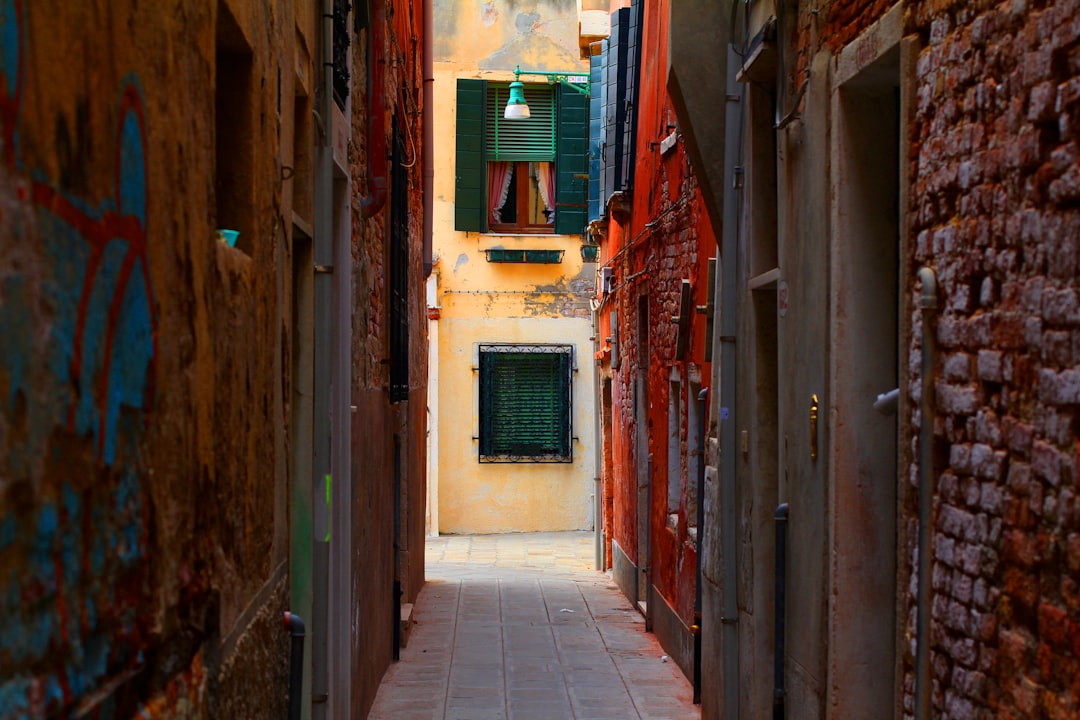
If you’re feeling overwhelmed by the relentless surge of tourists on the main thoroughfares, I’ve found that the secret to reclaiming the city lies in retreating to the campi and hidden corti that most visitors overlook. These aren't just empty spaces; they were the lungs of the city, designed around central well-heads that acted as sophisticated water filtration systems, pulling rainwater through sand and charcoal into massive subterranean cisterns. It’s fascinating to realize that the ground beneath your feet in these squares is often the most stable part of Venice, reinforced by centuries of dense, load-bearing foundations that create a literal crust against the shifting clay. If you look closely at the paving, you’ll see central lines of contrasting stone, which weren't just for aesthetics but functioned as drainage channels to direct water away during the frequent floods we deal with here.
When you duck through a narrow, low-slung sottoportego—that covered passage that was historically built to be easily barricaded during local unrest—you’re stepping into a completely different acoustic and thermal environment. These secluded courtyards were designed using the old Roman insula concept, clustering buildings to trap cool air and protect residents from the brutal summer heat that turns the main streets into ovens. I love how the walls here aren't parallel; they were intentionally misaligned to shatter sound waves, keeping the noise of the bustling canals from leaking into these private residential zones. It’s a quiet that feels almost heavy, punctuated only by the sight of ancient Roman column capitals repurposed as pedestals—a blunt reminder of how the Republic used to decorate its home with spoils from its Mediterranean conquests.
You might notice small carved faces or symbols tucked high up on the brickwork of these squares, which served as parish markers so locals always knew exactly which jurisdiction they were in. These neighborhoods also relied on capitelli, or small shrines, which weren't just for faith but were funded by local associations to provide a glimmer of light and protection before modern street lamps arrived. While some of these squares, like Campo San Polo, have a pretty dark history of bull-baiting and public executions, they’ve transformed into the quiet living rooms of the city where you’ll actually see residents sitting and kids playing. It’s a stark contrast to the performative nature of the Grand Canal, and honestly, spending an hour in one of these spots is the only way to get a real sense of how the city survives when it isn't putting on a show for the crowds.
The Magic of Venice After Dark: Twilight Strolls and Waterfront Serenity
When you finally see the sun dip below the horizon, Venice undergoes a fascinating thermal shift that most day-trippers completely miss. As the massive masonry of the palazzos starts releasing the heat soaked up all afternoon, it creates a unique microclimate that battles the cool air rising off the canals. It’s almost like the city is exhaling, and the result is a soft, stabilized atmosphere where the low-lying lagoon humidity acts as a natural light diffuser. You’ll notice that streetlamps don't have that harsh, high-contrast glare you get in other cities; instead, everything is bathed in a warm, soft-edged glow. The city actually uses LEDs calibrated to a very specific 2200 Kelvin, a choice that’s surprisingly effective at keeping light pollution down so you can still catch the stars overhead.
If you head out for a walk during these quiet hours, you’ll realize just how much the soundscape changes once the motorboats stop churning up the water. With that constant ambient rumble gone, the sound of water lapping against the Istrian stone foundations actually travels about 30 percent further than it does at noon. It’s wild—you can hear the distant, crisp tolling of church bells from across different sestieri with total clarity, thanks to the way the salt-heavy air transmits high-frequency sounds. Even the bridges feel different under your feet. Those stone steps were carved with specific, subtle textures designed to stop you from slipping in the dark, and you can really feel that craftsmanship when you’re navigating the quiet calli by moonlight.
There is a strange, quiet science to the water itself at night that I find really compelling. Modern sensors have shown that because there’s no massive vessel traffic to displace the water, the levels stay significantly more stable, which is actually a relief for the foundations since it prevents the constant wave-driven erosion we see during the day. Sometimes, if you look closely at the canal edges, you can even spot faint, shimmering disturbances in the water caused by bioluminescent micro-organisms, a subtle spark of life that’s invisible when the sun is up. It’s an entirely different way to experience the city’s pulse, and honestly, standing there in the stillness, it feels like you’re finally seeing how Venice manages to survive its own beauty. It’s less of a tourist spectacle and more of an engineering marvel that, for a few hours each night, just gets to breathe.
Luxury Stays: Experiencing Historic Palazzos and Boutique Hospitality
When you’re looking to truly immerse yourself in the Venetian experience, opting for a stay in a historic palazzo is less about traditional hotel luxury and more about living inside a functional piece of engineering history. These structures, like the recently reopened Palazzo Giovanelli on the Grand Canal, offer a window into a past where architecture was designed to master the lagoon’s unique environment. I find it fascinating how these buildings utilize a double-skin construction technique, creating air gaps within the thick masonry that prevent moisture from ruining the interiors, a constant battle in such a humid climate. You’ll notice the use of authentic marmorino plaster, which is essentially crushed marble and lime, chosen not just for its aesthetic but for its natural breathability and mold resistance. It’s this kind of purposeful design that makes these boutique stays feel so grounded compared to more modern, sterile developments.
If you head to these properties, take a moment to look at the entrance, specifically the portego de agua, which was originally built as a cavernous, arched space to allow merchants to transfer cargo and guests directly from their boats. It’s an incredible transition point, moving from the movement of the canal into the hushed, marble-floored halls that were engineered with non-parallel walls to optimize interior acoustics. Many of these hotels are now restoring original 15th-century frescoes hidden under layers of paint, a process that requires actual onsite conservators to maintain the delicate mineral pigments. You’ll often find these spaces feature the classic wooden altane, those traditional rooftop terraces that were once private retreats for women, now serving as some of the most exclusive viewpoints in the city.
The attention to detail in these restorations is honestly refreshing, especially when you see how they manage the building's thermal mass. The heavy stone and brick construction absorbs the day’s heat, radiating it inward during the cooler nights, which creates a natural, stable climate control that feels far more comfortable than mechanical systems. Even the foundation work is high-level; developers are now using non-invasive systems to distribute weight more evenly across the ancient, submerged wooden piles that hold these massive buildings above the clay. I think there is something deeply satisfying about knowing your hotel room is protected by modern, salt-resistant mortars specifically designed to bind with the original brickwork. It makes you realize that staying here isn't just a vacation, but a way to support the ongoing preservation of a place that is constantly negotiating its survival with the Adriatic.
Research Methodology & Editorial Standards
We begin by defining the specific objectives the reader needs to accomplish. Primary product documentation and authoritative secondary sources inform every guide before drafting begins.
Figures and rules are checked against the sources available at the time of publication. Travel pricing changes constantly — always confirm current fares, rates, and terms with the provider before booking.