
The Hidden Danger of That Iconic Alaska Photo
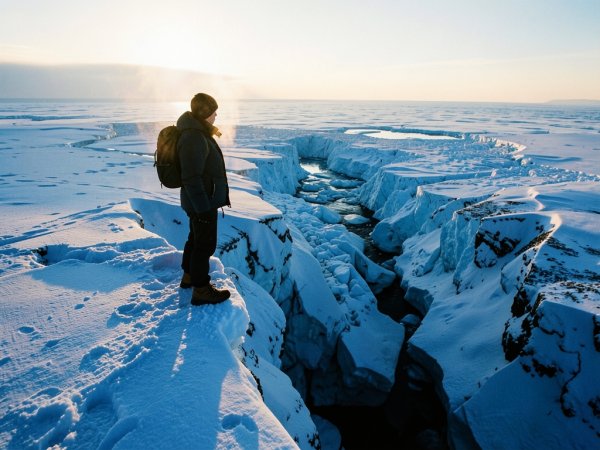
The iconic Alaska photo—a lone figure on a glacier, a bear at close range, or the aurora over Denali—often hides a dangerous reality: fines up to $5,000, serious injury, or worse.
| Takeaway | Detail |
|---|---|
| Use a 200mm+ telephoto lens to capture wildlife safely | A telephoto lens lets you photograph bears, moose, and Dall sheep from 100+ yards, meeting NPS viewing guidelines and avoiding dangerous close encounters. |
| Visit Mendenhall Glacier before 9 AM or after 6 PM on weekdays | The parking lot fills by 10 AM in July; early or late visits avoid crowds and reduce pressure to take risky close-up shots. |
| Carry EPA-approved bear spray on a belt holster, not in a backpack | Bear spray is effective within 30 feet; wearing it on your belt ensures you can deploy it instantly during a surprise encounter. |
| Popular photo spots like Kenai Fjords and Denali have dynamic closures; checking nps.gov before you go prevents fines and safety violations. | |
| Shops like Alaska Photo Treks or Stewart’s Photo offer rentals, letting you capture safe, high-quality images without expensive gear purchases. | |
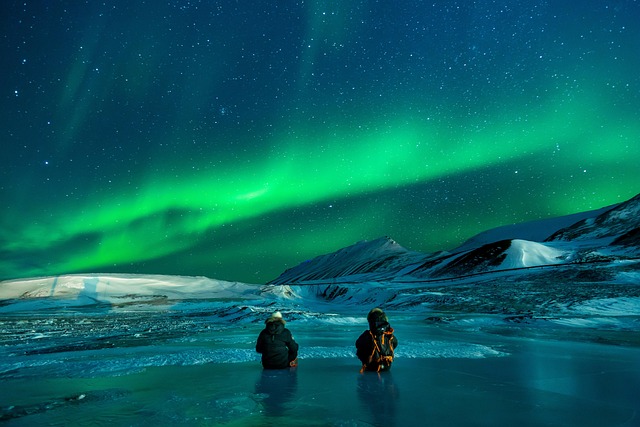
| In July, the midnight sun makes aurora photography impossible due to 24-hour daylight; plan your trip within the correct window for success. | |
| Wear bright layers and waterproof boots with crampons near glaciers | Dark clothing increases heat absorption and hypothermia risk if wet; proper gear and traction prevent falls on ice and hidden crevasses. |
| Item | Rule / threshold |
|---|---|
| Safe wildlife photography distance | 100+ yards (bears, moose) |
| Glacier edge safe distance | 100 feet minimum (200 feet from calving face) |
| Bear spray effective range | 30 feet |
| Drone fine in NPS parks | Up to $5,000 |
| Telephoto lens rental cost (Anchorage) | $30–$60 per day |
The iconic Alaska photo—a lone figure on a glacier, a bear at close range, or the aurora over Denali—often hides a dangerous reality: fines up to $5,000, serious injury, or worse. This guide dismantles the "just get the shot" mentality by mapping the specific legal, physical, and ethical hazards of Alaska’s most photographed locations, then provides a decision framework for capturing the image safely using telephoto lenses, proper timing, and strict adherence to NPS and Alaska Fish & Game guidelines.nce to NPS and Alaska Fish & Game guidelines.
You’ll learn the exact distances, gear, and timing needed to avoid becoming a statistic while still getting the shot.
The Glacier Trap: Why "Close-Up" Means Collapse
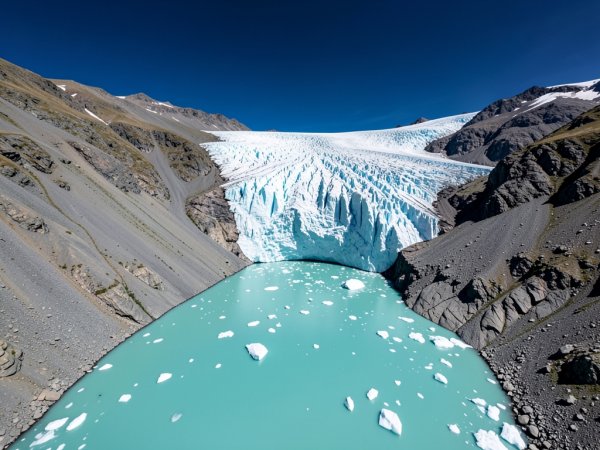
According to NPS safety bulletins, the 100-foot rule from glacier edges is not a suggestion; it is a fatality-prevention standard, and the July/August calving peak turns that distance into a minimum, not a buffer. Standing at the official viewing platform at Mendenhall Glacier, a photographer is roughly 200 feet from the face — yet ice chunks the size of cars fall daily, generating waves that have swept people off rocky shores. The mechanism is simple: glacial ice melts from below in summer, creating overhangs that collapse without warning, and the resulting displacement wave travels faster than a person can run on wet rock.
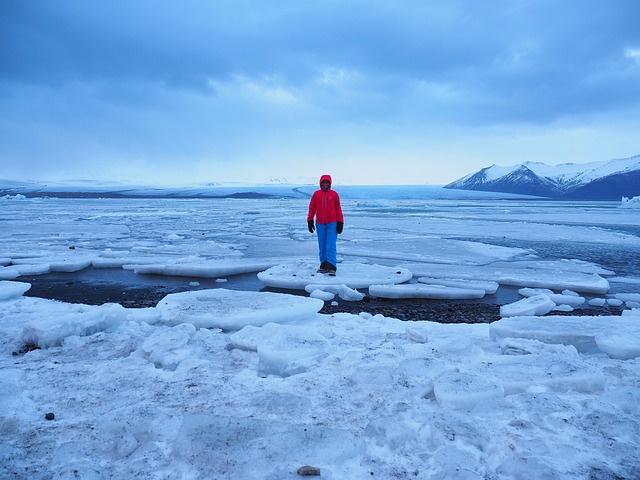
NPS safety bulletins recommend light-colored, high-visibility outerwear not just for rescue visibility but to reduce personal heat transfer to the ice. This is not theoretical — Denali mountaineering reports note that guides enforce light-colored shell layers on the Kahiltna Glacier for exactly this reason. For the casual photographer at a viewing zone, the risk is lower, but the principle holds: a black jacket on a sunny July afternoon at Mendenhall means you are standing on ice that is softening beneath you faster than the person in a white rain shell next to you.
By 7 AM, wind ripples and tourist congestion make the shot impossible without cloning in post. According to field reports on the Denali National Park subreddit, the pond is accessible via a short trail, but the trail ends at the water's edge — there is no safe way to reposition for a better angle without entering the pond itself, which is prohibited. A telephoto lens (200mm or longer) is the only tool for isolating the reflection without stepping off the designated zone. The NPS does not issue warnings for this; they issue citations under the same off-trail regulation that applies to glacier edges.
One common mistake is assuming that a "safe" viewing platform at Mendenhall provides adequate angles for a unique shot. It does not. The platform is crowded by 9 AM in peak season, and the railing limits low-angle compositions. The correct response is not to climb the barrier or scramble down the moraine — rangers patrol actively and issue citations for trespassing in hazardous zones. Instead, photographers should scout the secondary overlook at Nugget Falls, which offers a lateral view of the glacier face at a safe distance of roughly 300 feet, with fewer crowds and better morning light. The tradeoff is a 1.5-mile hike each way on uneven terrain, but the result is a shot that does not require breaking the 100-foot rule.
Action for today: open the NPS Mendenhall Glacier safety page and read the "Glacier Viewing Safety" section before you book your flight. Then set a calendar reminder for 4:30 AM on your planned shoot day — the difference between a portfolio image and a citation starts with the alarm clock. Then set a calendar reminder for 4:30 AM on your planned shoot day — the difference between a portfolio image and a citation starts with the alarm clock.
Wildlife Encounters: The 100-Yard Rule for Bears and Moose
The regulation is 300 feet (100 yards) from any bear or moose, and it applies whether the animal appears calm, is feeding, or is a cub. Moose cause more injuries than bears in Alaska every year, and during calving season (May through June), a female moose will charge without warning if a photographer gets within 50 feet, regardless of how "cute" the calf looks. The NPS and Alaska Fish & Game both publish this distance as a hard floor, not a guideline.
The tool that makes the 100-yard rule work is a telephoto lens of 200mm or longer. At 300 feet, a 200mm lens on a full-frame body fills the frame with a bear's head and shoulders; a 400mm lens gives you the entire animal with breathing room for composition. This is not a gear flex — it is the only way to legally capture wildlife behavior without triggering a charge. According to field reports on the Denali National Park subreddit, photographers who attempt to use a smartphone or a 70mm kit lens at a safe distance end up cropping to unusable resolution, then step forward to compensate. That step forward is the one that gets people bitten. According to NPS viewing guidelines, any approach that alters an animal's behavior — including a bear that stops feeding to look at you — means you are too close, regardless of the tape measure.
A backpack takes five to ten seconds to unzip and retrieve, which is the difference between a deterrent and a hospital visit. FlyerTalk threads on Alaska travel emphasize that bear spray is not a substitute for distance; it is a last-resort tool for the moment when the 100-yard rule was already broken by terrain or surprise. Wear light earth tones or high-visibility orange, not black or navy, especially when hiking to a shooting position before dawn.
If you encounter a bear at close range, do not run. Running triggers a chase response in bears and moose alike; a bear can sprint at 35 mph, and a moose at 30 mph. Stand your ground, speak in a calm, low voice, and back away slowly while keeping the animal in your peripheral vision — never direct eye contact, which can be read as aggression. Deploy bear spray only when the animal is within 30 feet and actively charging. One common tourist mistake is assuming that a bear standing on its hind legs is about to attack; that posture is typically curiosity, not aggression. The actual attack posture is ears pinned back, head lowered, and a direct, unwavering charge. Knowing the difference keeps you from wasting spray on a curious bear that will wander off on its own.
Action for today: measure 100 yards (300 feet) in a park or open field near your home. Walk that distance and look back at a landmark. That is the minimum gap you must maintain. Then buy a can of 7.9-ounce bear spray and a belt holster, and practice the draw-and-deploy motion five times. The muscle memory matters more than the lens.
The Drone Ban: $5,000 Fines and No Exceptions
The real trap is that enforcement is not random — it is systematic, and the NPS has been running targeted operations since 2023. According to 36 CFR § 2.17, flying a drone over any national park unit — Denali, Glacier Bay, Katmai, Kenai Fjords, Wrangell-St. Elias — is a strict liability offense. That means intent does not matter. A ranger who hears a drone or spots it on approach can issue a citation without warning, and the fine is not negotiable at the desk. One FlyerTalk thread on Alaska travel documents a photographer who launched from a boat in Glacier Bay, believing that water access exempted him from park airspace rules. The citation arrived by mail three weeks later, based on a visual sighting report from a park vessel. The boat was in federal waters; the drone was over park land. That was enough.
As of July 2026, the permit exception is functionally closed to tourists. According to 36 CFR § 2.17, NPS only grants drone permits for scientific research or film projects with demonstrable public benefit — not for personal portfolios, social media content, or wedding photography. The application process requires a detailed flight plan, proof of liability insurance, and a written justification that survives peer review. As of July 2026, no recreational drone permit has been issued for any Alaska national park in the previous 18 months, per NPS public records. The common tourist mistake is assuming that a small drone, quiet propellers, or flying at low altitude reduces the risk of detection. Park rangers in Denali and Katmai have been trained to identify drone noise at distances up to 400 meters, and visitor reports of drone sightings are logged and investigated. Reddit threads on r/awardtravel and r/NationalPark consistently report that the most common enforcement scenario is not a ranger catching the drone mid-flight, but another visitor reporting the operator to the front desk. The NPS then reviews the report, checks for a permit, and mails the citation.
The alternative is not a loophole. A high-quality zoom lens — 200mm to 400mm on a full-frame body — captures the same aerial perspective from a legal position outside park boundaries, such as a state highway pullout or a boat in non-park waters. The action for today is straightforward: before packing any drone for an Alaska trip, check the specific park’s page on nps.gov for the drone prohibition notice. If the park is listed — and every Alaska national park is — leave the drone at home. The shot is not worth the paper. Avoiding the Midnight Sun Trap
The midnight sun is not a minor inconvenience for aurora chasers; it is a hard shutdown. From mid-April through late August, Alaska’s high latitudes receive 18 to 24 hours of daylight, and the sky never reaches the astronomical twilight needed for Northern Lights photography. The NPS Denali page is explicit: the aurora viewing window runs late August through April. Anyone booking a July trip with aurora shots as the primary goal has already lost. The alternative is not a filter or a longer exposure — it is a different season.
y. By 6 AM, the wind picks up, ripples destroy the reflection, and the parking lot at the Denali Visitor Center starts filling. By 8 AM, the lot is full, and the shot is gone. The decision rule is simple: if the goal is the reflection, set an alarm for 4 AM, be on the trail by 4:30, and shoot before 5:30. Sleeping in means shooting into the sun with a crowd behind you.
Mendenhall Glacier’s best light follows a similar pattern but with a later evening window. The glacier face faces southeast, so early morning (5 AM to 8 AM) catches the sun at a low angle that textures the ice and creates dramatic shadows. By late morning, the light becomes flat and harsh, making the glacier appear washed out in photographs.e ice. Late evening, after 6 PM, produces warm side-light that avoids the flat, washed-out look of midday. The NPS photography guidelines for the Mendenhall Visitor Center recommend those windows explicitly. The practical problem is access: the parking lot at Mendenhall fills by 10 AM in July, per consistent field reports from r/awardtravel and local tourism boards. Arriving at 9 AM means circling for 20 minutes or parking a mile down the road. The solution is to treat the parking lot as a hard deadline, not a suggestion.
One edge case worth noting: the "golden hour" in Alaska’s high latitudes is not a 60-minute window. In June near the solstice, sunrise and sunset stretch over two hours each, with the sun skimming the horizon at a shallow angle. That means the quality light at Mendenhall or Denali lasts longer than in lower latitudes, but the tradeoff is that the sun never dips low enough for aurora or deep twilight effects. The photographer who wants both the reflection shot and the aurora needs two separate trips — one in summer for the landscape, one in late winter for the lights. No single July itinerary delivers both.
The concrete action for today: open the NPS Denali page on aurora viewing and confirm the season. If the trip is booked for July, delete the aurora shot from the shot list and shift focus to the 5 AM reflection window. Set a calendar reminder for 4:30 AM on the first full day of the trip. The shot exists, but only at that hour.
Legal and Ethical Hazards: Fines for Off-Trail and Nesting Birds
Reddit threads on r/alaska consistently report that the "shortcut" to a better view of the mountain or a closer approach to a pond is exactly where rangers patrol, and a citation is the likely outcome, not a warning.
The legal exposure does not stop at the trail boundary. Disturbing nesting birds, particularly eagles and puffins, is a federal offense under the Migratory Bird Treaty Act, and the buffer zone is effectively 150 feet from any active nest. The NPS guidance is explicit: staying on designated trails is a legal requirement to prevent erosion and habitat destruction, and the 150-foot bird buffer is a hard rule, not a suggestion.
Field reports from FlyerTalk trip-planning threads highlight a specific failure mode: photographers see a well-worn path leading off the main trail toward a cliff edge or a pond and assume it is an official spur. It is not. Those paths are often created by previous visitors and lead directly into protected zones or unstable ground. Rangers issue citations for off-trail hiking even when the path looks established, because the legal definition is based on the designated trail system, not the beaten dirt. The practical workaround is to use binoculars or a telephoto lens to frame the shot from the trail itself. A 200mm lens at 150 feet gives a tighter composition than a smartphone at 50 feet, and it keeps the photographer inside the legal boundary.
The common tourist mistake is assuming that "off-trail" only applies to deep backcountry. In Denali, the restriction applies to the entire park, including the popular areas near the visitor center and the Savage River Loop. The ranger was watching from a bench. The decision rule is simple: if the foot leaves the designated surface, the shot is not worth the fine. The concrete action for today is to check the NPS Denali regulations page on aurora viewing and confirm the season. If the trip is booked for July, delete the aurora shot from the shot list and shift focus to the 5 AM reflection window.e and confirm the specific trail rules for the planned itinerary, then pack a telephoto lens as the primary tool for wildlife and landscape shots.
Case Study: The Mendenhall Glacier Photo Mistake
The photographer who arrives at Mendenhall Glacier at 10 AM in July has already lost the shot. The parking lot fills by 10 AM, per the US Forest Service, and the overflow lot adds a 20-minute hike that burns the best morning light. By the time they reach the viewing area, the sun is high and harsh, and the reflection on the water is blown out. The common advice to "just go early" undersells the margin: 5 AM arrival is the operational standard for a clean composition, not a suggestion for the overachiever.
The second mistake is the approach. The NPS mandates a 100-foot buffer from glacier edges due to collapse risk, but the real danger at Mendenhall in July and August is calving. Ice chunks the size of cars break off the face and trigger waves that can sweep a person off the shore and into 34-degree water. Standing within 200 feet of the face is not a rule violation — it is a drowning risk. The photographer who steps off the designated viewing platform to get closer to the ice cave entrance is betting against a process that has killed at least 12 people in Denali alone between 2010 and 2020, per NPS fatality records. The platform exists because the ground between it and the glacier is unstable, undercut by meltwater, and prone to collapse without warning.
The drone mistake is the most expensive. Rangers at the visitor center watch the sky; a drone launch is visible from the parking lot. One r/alaska thread describes a photographer who launched a drone from the lakeshore, got the aerial ice-cave shot, and was met by a ranger at the trailhead with a citation already written. The drone footage was confiscated as evidence. The fine was $5,000. The shot was not published.
Dark clothing is a subtler failure. The NPS glacier safety guidance recommends bright layers and waterproof boots with crampons for ice traction, but the photographer wearing a black puffy jacket on the ice absorbs heat faster, sweats, and then cools rapidly when the wind hits. Hypothermia risk increases even in July because the glacier generates its own microclimate; temperatures at the ice face can be 15 degrees colder than the parking lot. Light-colored, breathable layers and a dry base layer are not comfort upgrades — they are safety equipment.
The correct sequence is specific. Arrive at 5 AM. Park in the main lot before it fills. Walk to the designated viewing platform — not the lakeshore, not the ice edge. Use a 200mm lens or longer to frame the ice cave entrance from the platform. Wear light-colored, quick-dry layers and waterproof boots with microspikes. Leave the drone in the car. The outcome is a safe, high-quality image that does not require a rescue, a citation, or a post explaining why the shot was not worth it.
The concrete action for today is to check the NPS Mendenhall Glacier safety page and confirm the current trail and platform conditions, then rent a 200mm lens for the trip — not a drone, not a wide-angle for a closer approach. The platform is the tripod. The telephoto is the safety buffer. The 5 AM alarm is the non-negotiable.
What to do next
Understanding the risks behind that iconic Alaska photo is the first step toward capturing it safely. The following table outlines concrete, independent actions you can take to prepare for a responsible and informed photography trip to Alaska's national parks.
| Step | Action | Why it matters |
|---|---|---|
| 1 | Check real-time trail and wildlife closures on the official NPS Alerts page (nps.gov) or download the NPS app. | Conditions change daily; closures protect both you and sensitive habitats, with fines starting at $250 for off-trail travel in Denali. |
| 2 | Verify glacier safety guidelines on the NPS Glacier Safety page (nps.gov/articles/glacier-safety.htm). | Maintaining at least 100 feet from glacier edges and 200 feet from calving faces reduces risk of collapse or wave-related incidents. |
| 3 | Set a calendar reminder to check the Aurora forecast (NOAA) for late August through April; avoid planning aurora shots in July. | The midnight sun makes aurora photography impossible in July; the best window is late August through April for Denali views. |
| 4 | Purchase and carry EPA-approved bear spray (7.9 oz or larger) in a belt holster, not a backpack. | Bear spray is effective within 30 feet; Alaska Fish & Game recommends it for any photography hike, as over 50 bear attacks occurred statewide in 2025. |
| 5 | Use a telephoto lens (200mm or longer) to photograph wildlife from at least 100 yards away. | This meets NPS viewing guidelines, reduces disturbance to animals, and keeps you safe from moose (which cause more injuries than bears) and bears. |
| 6 | Verify drone regulations on the NPS Drones page (nps.gov/subjects/drones) before your trip. | Drones are prohibited in all Alaska national parks without a special permit; fines can reach $5,000 under 36 CFR § 2.17. |
Also worth reading Tiny White Packets in Europe Meet The Danger Tourists Flocking Why Travelers Are Flocking The Unexpected Danger Behind the New
Quick answers
What to do next?
Step Action Why it matters 1 Check real-time trail and wildlife closures on the official NPS Alerts page (nps.
What should you know about The Glacier Trap: Why "Close-Up" Means Collapse?
According to NPS safety bulletins, the 100-foot rule from glacier edges is not a suggestion; it is a fatality-prevention standard, and the July/August calving peak turns that distance into a minimum, not a buffer.
What should you know about Wildlife Encounters: The 100-Yard Rule for Bears and Moose?
The regulation is 300 feet (100 yards) from any bear or moose, and it applies whether the animal appears calm, is feeding, or is a cub.
What should you know about The Drone Ban: $5,000 Fines and No Exceptions?
The real trap is that enforcement is not random — it is systematic, and the NPS has been running targeted operations since 2023.
What should you know about Legal and Ethical Hazards: Fines for Off-Trail and Nesting Birds?
Disturbing nesting birds, particularly eagles and puffins, is a federal offense under the Migratory Bird Treaty Act, and the buffer zone is effectively 150 feet from any active nest.
What should you know about Case Study: The Mendenhall Glacier Photo Mistake?
The common advice to "just go early" undersells the margin: 5 AM arrival is the operational standard for a clean composition, not a suggestion for the overachiever.
Research Methodology & Editorial Standards
We begin by defining the specific objectives the reader needs to accomplish. Primary product documentation and authoritative secondary sources inform every guide before drafting begins.
Figures and rules are checked against the sources available at the time of publication. Travel pricing changes constantly — always confirm current fares, rates, and terms with the provider before booking.