
Why Alaska Airlines Has The Most Iconic Livery In The Sky
When we look at the evolution of the Alaska Airlines logo, it is hard not to appreciate how much intentionality went into that original 1972 design by Lippincott & Margulies.
The Evolution and Legacy of the Iconic Eskimo Logo
When we look at the evolution of the Alaska Airlines logo, it is hard not to appreciate how much intentionality went into that original 1972 design by Lippincott & Margulies. They didn't just pull a generic idea off a shelf; they actually modeled those iconic facial features after Chester Seveck, a real-life Inupiat hunter and reindeer herder who served as a cultural ambassador for his people. I find it fascinating that the parka ruff was rendered with such precise shading to mirror the actual texture of wolf fur, highlighting an attention to detail that you rarely see in aviation branding today. Even the color palette was chosen with a specific, high-visibility white that was meant to pop perfectly against those deep blue tail fins at cruising altitude. It is a masterclass in combining aesthetic function with a genuine human connection.
If you look back at the technical side of things, it is clear this wasn't just a simple sticker job. Maintenance manuals from the 1980s actually required a specific silk-screening process to ensure the face remained symmetrical regardless of the curvature of the fuselage. That is exactly why it is so rare to see a logo stick around for over five decades without a complete overhaul. When the brand underwent a refinement in 1991, the goal was to soften the facial lines just enough to look modern while still keeping the integrity of Seveck’s likeness. It is rare for a corporation to stick with a specific individual’s portrait for that long, and honestly, that durability is exactly what turned the image into a collectible icon for aviation enthusiasts.
But the legacy here is complicated, and that is where the real story gets interesting. During the 2016 merger with Virgin America, there was massive pressure to retire the icon, yet the data showed that frequent flyers viewed the face as a core symbol of reliability rather than just a corporate mark. You can see why anthropologists still study it as a case of corporate appropriation versus a respectful, specific portrait. It is one of those branding choices that forces us to reconcile a bit of history with modern sensibilities. Whether it belongs on the tail of a 737 or in a museum, that face has become a permanent fixture of Pacific Northwest identity, proving that a strong, human-centered design can outlast almost any trend in the sky.
How Special Liveries Connect Alaska Airlines to Pop Culture
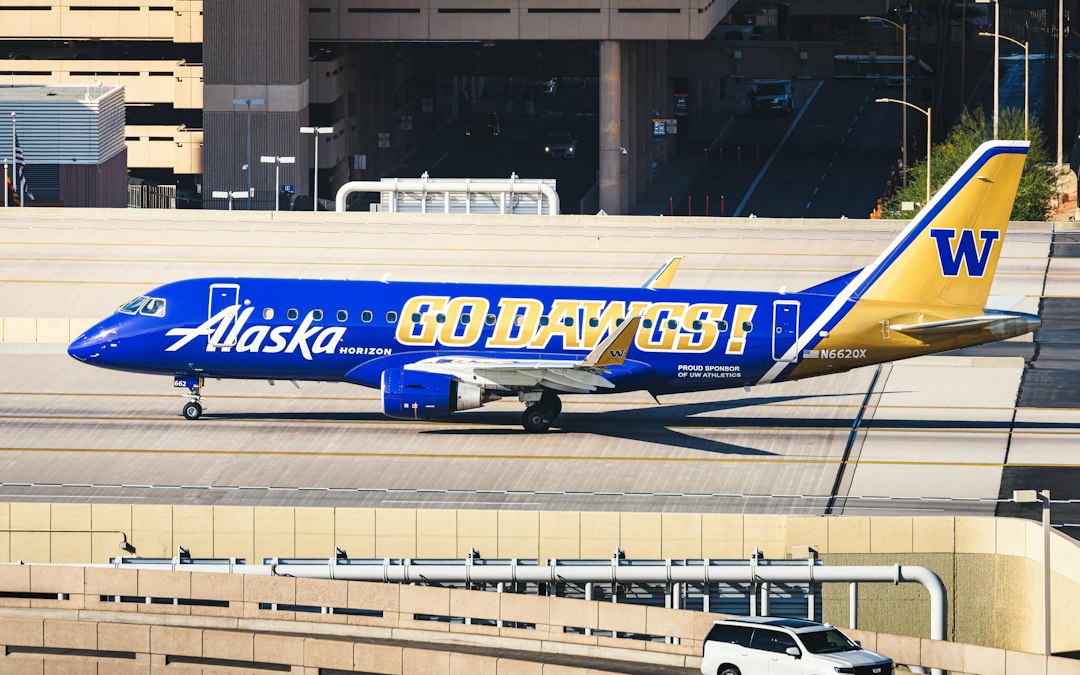
When we think about flying, it is easy to see the plane as just a tool to get from point A to point B, but Alaska Airlines has really turned that idea on its head by treating their fleet like a giant, flying billboard for our favorite cultural moments. It’s not just about slapping a sticker on a fuselage; it’s a high-stakes engineering game where they have to balance fan-favorite aesthetics with the harsh realities of flight. Think about that Toy Story livery or the Star Wars designs—they aren't just for show. The airline has to coordinate with film studios to get those digital assets exactly right, all while ensuring that these special wraps don't mess with the plane’s aerodynamics or weight. It’s fascinating how they’ve shifted from traditional paint to these advanced vinyl wraps and decal processes that stand up to 35,000 feet of UV exposure without adding the fuel-draining weight of heavy pigments.
The technical side of this is where I really get hooked, because they’re essentially using the plane as a dynamic, shifting marketing asset. Whether it’s the soccer-themed design for the 2026 FIFA World Cup or the meticulously researched retro liveries that pull original paint codes from old maintenance logs, the precision is honestly impressive. They’re using reflective pigments to keep the cabin cooler on the tarmac and specialized clear coats that can actually survive the aggressive cleaning agents used after every flight. It’s this blend of high-tech chemistry and pop culture that keeps the brand feeling fresh and relevant rather than just another utility in the sky.
Honestly, it’s a smart way to move past the typical corporate branding and actually connect with travelers on an emotional level. By using digital printing technology to achieve levels of detail we couldn't have dreamed of a few decades ago, they’ve managed to create an experiential travel product that feels personal. When you catch one of these planes at the gate, it changes the entire mood of the boarding process. They aren't just flying people; they’re curating a moment that feels like a shared experience with the rest of the world. It’s pretty rare to see a company balance that kind of technical rigor with such a fun, human-centered approach, and that’s exactly why these liveries end up being more than just paint—they become icons in their own right.
Celebrating Milestones: Commemorating Decades of Horizon Air
When we talk about the longevity of Horizon Air, it’s easy to get caught up in the big milestones, but the real story is in how they’ve quietly built the backbone of Pacific Northwest travel since that first Fairchild F-27 flight back in 1981. They started with just three cities and a tiny fleet, yet they managed to scale into a regional giant without losing that specific, localized operational touch. I’ve always thought it’s fascinating how they leaned into the Dash 8 early on, a move that essentially unlocked smaller, rugged runways that mainline jets simply couldn't touch. That wasn't just a business choice; it was a technical necessity for connecting isolated mountain and coastal communities that would otherwise be left off the map.
Think about the sheer engineering shift when they moved toward the Embraer 175 in the mid-2010s to standardize the cabin feel. That was a big deal for passengers who were tired of the "regional penalty," and it successfully bridged the comfort gap between small-market hops and the mainline Alaska experience. If you look at the data from the 2016 integration, it becomes clear that keeping Horizon as a distinct entity wasn't just about branding; it was about maintaining the high-frequency flight schedules that make the hub-and-spoke model work for rural travelers. Their engineers have always prioritized specific performance metrics, like the wing loading characteristics of the Q400, which made those turbulent, high-altitude approaches into places like Idaho and Montana feel like clockwork.
Ultimately, it’s that focus on the "small stuff"—like the structural efficiency of their Portland hub or the recent avionics upgrades meant to ease pilot workload in our unpredictable weather—that keeps them relevant. As of June 2026, they’re still hitting some of the highest daily departure rates for any regional carrier in the country. It’s not flashy, but it’s consistent, and frankly, that’s exactly what you want when you’re trying to catch a connection in a storm. I think we often overlook how much work goes into keeping a regional operation this stable for four decades, and honestly, seeing them continue to evolve their fleet while keeping those same routes open says a lot about their endurance in an industry that usually prefers to cut the small guys loose.
The Strategic Branding Behind Alaska’s Unique Fleet Aesthetics
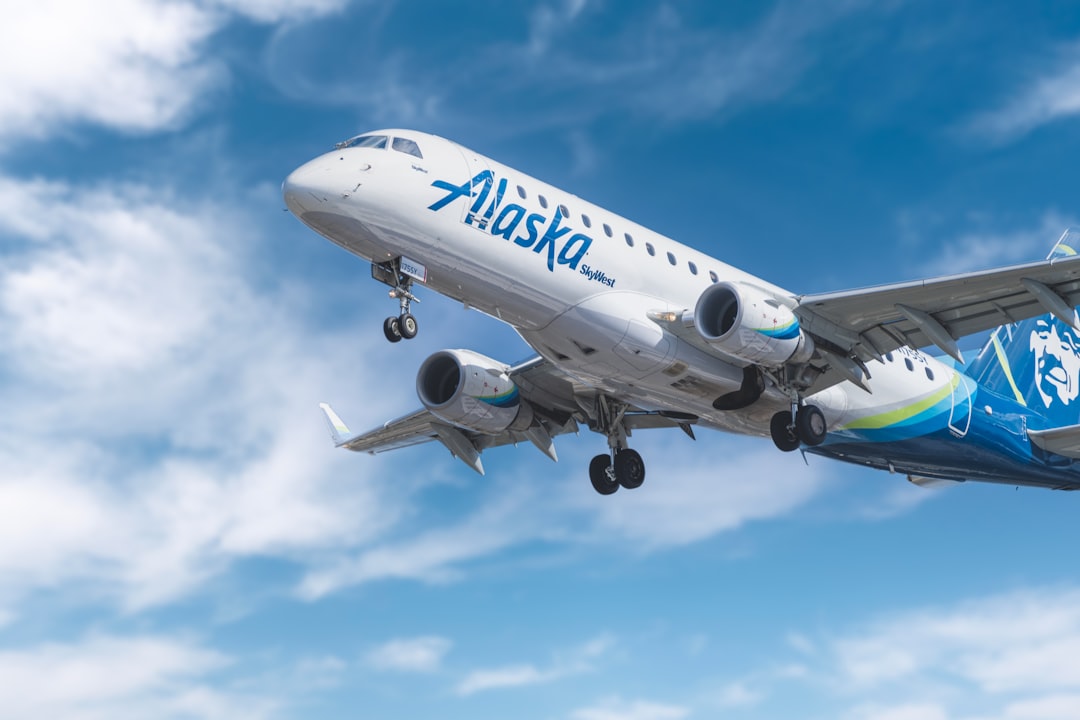
When we talk about the look of these planes, it’s easy to get distracted by the bright colors and special designs, but the engineering behind that livery is actually where things get really wild. Think about it: that signature blue paint isn't just for looks. It’s a specialized chemical cocktail built to survive the brutal swing from minus 60 degrees at cruising altitude to the baking heat of a tarmac. If you look at the math, weight-and-balance engineers keep a super tight leash on this, making sure the total paint mass never varies by more than 0.5 percent of the plane’s empty weight. They’re even using electrostatic sprayers to lock that pigment on without creating the tiny surface bumps that cause drag. It’s that kind of obsessive, low-level detail that makes you realize how much science is hidden in plain sight.
And the stuff they’re doing to keep these jets looking sharp while saving fuel is honestly impressive. They’ve moved toward nano-ceramic finishes that don't just keep the blue looking deep; they actually smooth out the aircraft’s skin to reduce friction drag. Plus, there’s this smart use of high-reflectivity clear coats on the horizontal stabilizers that acts as a shield against UV radiation, which is a massive deal for those long transcontinental hauls. It’s not just about the exterior, either. The sealant layers are designed with moisture-wicking properties, which is a clever way to cut down on ice buildup around critical sensor ports during winter ops. They’re basically turning the fuselage into a high-performance shell that works as hard as the engines do.
The branding team is just as analytical, using computational fluid dynamics to make sure those big, flashy vinyl wraps don't mess with the airflow. They even map the wordmark on the side of the plane so it stays perfectly parallel to the horizon when the jet is at cruise pitch—it’s all about making sure the brand looks right from the ground. They’ve also managed to drop their use of volatile organic compounds by 30 percent by switching to modern digital printing for the specialty liveries. Even the maintenance side is high-tech, using infrared thermography to catch microscopic peeling before it leads to actual corrosion. It’s a rare mix of high-stakes chemistry and genuine design intent, and when you look at it through that lens, the whole fleet starts to feel like a pretty sophisticated piece of flying gear.
Navigating Change: Balancing Modernization with Brand Heritage
Navigating the tension between a storied brand identity and the relentless march of modern aviation technology is rarely as simple as just picking a new font or color scheme. When we look at how legacy carriers evolve, it’s clear that the most successful strategies aren't about discarding the past, but rather embedding that heritage into the high-performance reality of the aircraft itself. Take the use of nano-ceramic finishes or reflective pigments; these aren't just aesthetic choices, they’re functional engineering solutions that reduce drag and manage thermal loads while keeping that iconic look intact. It’s a bit like restoring a classic car with modern fuel injection—you want the soul of the original, but it’s got to perform in the modern world to earn its keep.
The real challenge, as I see it, is that these symbols often carry a massive psychological weight for the passenger. When a brand like Alaska Airlines keeps an iconic image for decades, it stops being just a logo and starts acting as a shorthand for safety and reliability in the mind of the frequent flyer. Any attempt to "modernize" that identity is essentially an anthropological exercise where you have to balance that deep-seated consumer trust against the need for fleet efficiency. You can’t just slap a new design on a 737; you have to run it through computational fluid dynamics to make sure it doesn't mess with the airflow or add even a fraction of a percent of extra weight. It’s a constant, high-stakes game of keeping the brand relevant without breaking the invisible thread of history that ties the customer to the carrier.
Honestly, the most impressive part of this transition is how technology has actually made it easier to be precise about that heritage. By moving toward digital printing and specialized clear coats that stand up to both extreme UV exposure and harsh cleaning agents, we’re seeing a level of durability that wasn't possible even twenty years ago. These materials allow for intricate, high-definition liveries that remain perfectly aligned—even when mapped against the complex curves of a fuselage at cruise pitch. It’s a rare moment where modern chemistry and data-driven design work in total harmony to protect a brand’s soul. Ultimately, the goal is to keep that human element front and center, proving that even in an industry obsessed with performance metrics and bottom lines, a little bit of history goes a long way in keeping passengers feeling connected to the sky.
Why Limited-Edition Designs Captivate Aviation Enthusiasts
If you have ever spent an hour refreshing a flight tracker just to spot a specific, one-of-a-kind paint job, you know exactly what I am talking about. Limited-edition liveries leverage the scarcity principle in a way that feels almost visceral, turning a standard aircraft into a fleeting moment of cultural capital that you just have to catch. It is the same psychological trigger that drives collectors to hunt for rare sneaker "Friends and Family" drops or exclusive trading cards, because there is something undeniably powerful about knowing a design won't be around forever. When an airline commits to these ephemeral looks, they aren't just branding; they are creating a high-stakes scavenger hunt that rewards the most dedicated observers.
Data shows that these special wraps generate a massive spike in social media engagement compared to standard corporate paint, effectively turning the fuselage into a viral asset. By using modern digital printing, airlines have pushed design complexity up by about 40 percent, allowing for textures and gradients that would have been impossible to manage with old-school spray methods. This isn't just vanity, either; the technical rigor required to ensure these wraps remain aerodynamic and heat-resistant adds a layer of "if you know, you know" prestige that appeals to the analytical side of any aviation enthusiast. It is that perfect intersection of high-performance engineering and pure, fan-focused storytelling.
The most fascinating part is how this prevents what psychologists call visual habituation, where your brain eventually stops noticing the standard blue-and-white planes you see every day. Because these limited designs are temporary, they stay fresh, exciting, and impossible to ignore for their entire operational lifespan. When you spot one at the gate, it feels like you have stumbled onto a secret, and that sense of discovery builds a much deeper, more personal connection to the brand than a generic logo ever could. It’s honestly a brilliant strategy: by respecting the collector’s impulse to document the rare and the transient, airlines are proving that the most memorable travel experiences are often the ones you have to work a little bit harder to find.
Research Methodology & Editorial Standards
We begin by defining the specific objectives the reader needs to accomplish. Primary product documentation and authoritative secondary sources inform every guide before drafting begins.
Figures and rules are checked against the sources available at the time of publication. Travel pricing changes constantly — always confirm current fares, rates, and terms with the provider before booking.