
Why Airline Consolidation Is Getting Harder For Travelers In Europe
If you’ve been watching the skies lately, you’ve probably noticed that flying feels like it’s becoming a bit of a chessboard where the moves are getting harder to track.

The Growing Complexity of European Airline Mergers
If you’ve been watching the skies lately, you’ve probably noticed that flying feels like it’s becoming a bit of a chessboard where the moves are getting harder to track. Airlines are pushing to merge, but the reality behind these deals is becoming a bureaucratic nightmare that directly hits your wallet and your travel options. It isn't just about two companies shaking hands anymore; it’s about navigating a labyrinth of cross-border ownership laws that demand airlines stay anchored to their home countries even while trying to go global. When you combine that with the nightmare of forcing two different IT and booking systems to actually talk to each other, you can see why your post-merger flight experience might feel a little clunky or why those promised efficiency gains never seem to reach the ticket counter.
Regulators are stepping in more than ever, often forcing these giants to hand over precious takeoff and landing slots just to get a deal across the finish line. Think of it as a forced compromise that opens the door for low-cost carriers to swoop in, which sounds great for competition, but it often leaves the merging airlines with a fractured network that doesn't quite work as smoothly as it did before. Then there’s the quiet struggle behind the scenes, where merging crews have to reconcile years of different seniority lists and labor contracts. It’s the kind of human-side friction that can stall an entire fleet’s productivity, creating a drag on the very operational speed these groups are desperate to achieve.
Honestly, even the technical side is getting bogged down by the push for a unified maintenance policy. While the goal is to standardize safety oversight across a massive, mixed fleet, it forces these companies to reconcile decades of legacy maintenance protocols that were never designed to play nice together. You also have the added pressure of environmental reporting, where merging groups have to figure out how to stack their carbon data to satisfy EU requirements without accidentally creating a massive administrative headache. It’s a lot of moving parts that aren't just expensive to maintain; they’re fundamentally slowing down the industry’s ability to move, and it’s why we’re seeing such a long, drawn-out process for even the most logical-sounding partnerships.
How EU Antitrust Regulations Act as a Barrier to Consolidation
If you've ever wondered why it feels like European airlines are stuck in a slow-motion dance while the rest of the global industry is sprinting ahead, we really need to talk about the iron grip of EU antitrust regulators. It's not just that they're cautious; it's that the current framework is designed to prioritize local competition at the route level, often at the expense of creating a truly resilient, pan-European network. When airlines try to merge, the European Commission frequently steps in to mandate the divestiture of valuable slot portfolios, which sounds like a win for fairness but actually strips away the very economies of scale that make these deals worth the trouble in the first place. You end up with a fractured network that can't quite hit the efficiency targets it promised investors, leaving you with higher costs and fewer seamless options.
Honestly, the sheer administrative drag is enough to kill a partnership before it even gets off the ground. Regulators often demand that merging groups keep their original brand identities, which sounds sweet for nostalgia but effectively bans the cost-saving consolidation of marketing and loyalty infrastructure. Then there's the requirement to hand over proprietary data and revenue management algorithms to smaller rivals, which creates a massive headache regarding intellectual property and strategic control. It’s a bit like forcing two athletes to merge their training regimes but forbidding them from using the same coach or sharing their best performance secrets. Plus, the legal investigations themselves can stretch on for years, creating so much uncertainty that the target airline’s market value becomes impossible to pin down, often causing the whole deal to collapse under the weight of its own inertia.
We also have to consider the bizarre reality of forced operational segregation. In some cases, the EU requires the establishment of separate legal entities for regional operations, which completely blocks the integration of corporate treasury and procurement functions—the very places where a merger should actually save money. Even when a deal is approved, the burden doesn't end; companies are often forced to maintain permanent, specialized legal teams just to file endless compliance reports about post-merger competition metrics. It’s a system that prioritizes keeping the status quo on every individual flight path, often ignoring the reality that European carriers are fighting for survival against massive global competitors who aren't playing by these same fragmented rules. When you zoom out, it’s clear that these hurdles aren't just protecting the consumer; they're fundamentally slowing down the industry’s ability to evolve.
Why Major Carriers Like IAG Struggle to Acquire Competitors
You know, when you look at why giants like IAG seem to constantly stumble when trying to buy up a competitor, it’s easy to assume it’s just about the price tag. But honestly, the reality is far messier than a simple check-clearing exercise. Think about it this way: when fuel costs swing by over a hundred percent, the math behind a massive acquisition shifts almost overnight, often blowing up the valuation before regulators even get a seat at the table. It’s like trying to hit a moving target while you’re also being forced to hand over your most valuable flight slots just to get a deal approved. You end up buying a company, but you’re forced to strip away the very things—like those prime takeoff times—that made the deal worth the headache in the first place.
And then there's the internal friction that we rarely hear about in the press releases. Even if a deal manages to survive the regulatory gauntlet, you’re still left with the nightmare of blending two completely different operational cultures. You’ve got to reconcile decades of legacy maintenance protocols and disparate IT systems that weren't built to talk to each other, which usually ends up costing way more than the efficiency gains you were aiming for. Plus, you’re often legally required to keep the target airline’s brand and infrastructure separate, which means you’re paying to run two marketing departments and two loyalty programs instead of one. It’s essentially paying for scale without actually getting to enjoy the benefits of it, which is why a lot of these groups are starting to look at slot-only agreements instead of full-scale takeovers.
Honestly, it feels like the goalposts are always moving because the regulatory environment in Europe is so focused on protecting local competition that it inadvertently handcuffs the airlines trying to scale up. When you’re forced to hand over your proprietary revenue algorithms to rivals or maintain separate legal entities that block your ability to centralize your treasury, your competitive edge just evaporates. You’re left trying to compete on a global stage with one hand tied behind your back by these rigid, localized rules. It’s no wonder we’re seeing so many of these high-profile mergers collapse under their own weight; at a certain point, the sheer administrative and operational drag just isn't worth the risk. It’s a tough spot to be in, and it’s why, for a lot of these executives, sitting on the sidelines is starting to look like the smartest move they can make.
The Impact of Increased Scrutiny on Airline Fare Structures
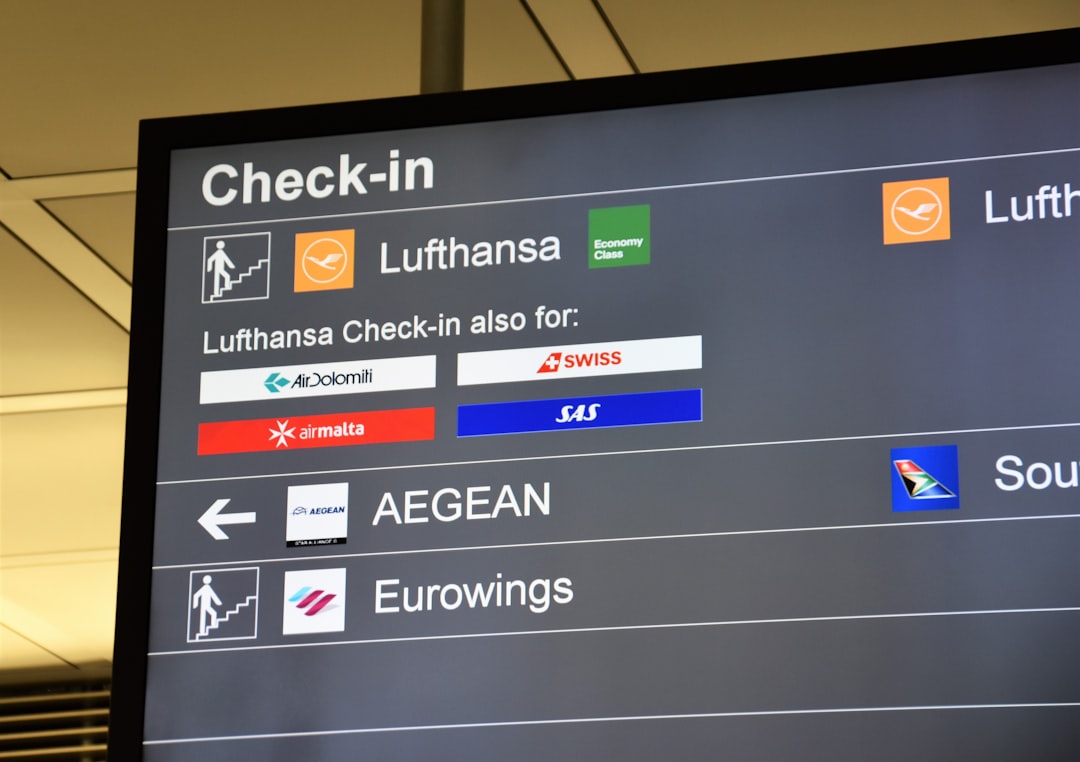
If you’ve been feeling like those "too good to be true" flight deals are disappearing, you aren't just imagining it. We’re seeing a massive shift in how airlines price their tickets, and it’s largely because regulators are finally pulling back the curtain on the industry's bag of tricks. For years, carriers relied on "drip pricing" to keep base fares looking artificially low while burying fees for bags and seating deep in the checkout flow. Now, the European Commission is mandating total transparency, forcing airlines to show you the real cost upfront. While that sounds great for clarity, it’s actually making it harder for these companies to use their old, nimble dynamic pricing tools to cushion themselves against the wild swings in fuel costs we’ve seen lately.
Think about it this way: when an airline can’t hide costs or play games with personalized pricing based on your search history, they lose the flexibility to offer those targeted discounts that once made off-peak travel so cheap. It’s a bit of a double-edged sword for us. On one hand, you’re finally seeing the "all-in" price before you hit buy, but on the other, that transparency is forcing carriers to bake the costs of new, strict environmental reporting and carbon offsets directly into the base fare. If you’re flying on a route where the airline’s fleet efficiency scores are dragging, expect to see that reflected in your ticket price immediately. The days of absorbing those costs slowly over time are effectively over.
The situation gets even stickier when you look at how these rules impact competition. Because regulators are forcing airlines to hand over prime takeoff slots to rivals, carriers are dealing with what I’d call a "fragmentation tax"—a permanent surcharge added to connecting flights just because the network isn't as efficient as it used to be. Plus, with new limits on how loyalty points can be bundled with cash fares, those once-valuable travel packages are starting to look a lot more expensive and a lot less useful. It feels like the industry is being pushed toward a more rigid, uniform fare structure where the "budget-friendly" options of the past are being squeezed out by the sheer weight of new compliance costs. It’s a tough environment to navigate, and honestly, it’s why we’re likely to see your travel bills stay higher for longer.
Market Competition vs. Corporate Efficiency: The Traveler’s Dilemma
When we talk about the tension between market competition and corporate efficiency, we're really looking at a paradox where the very rules meant to protect you end up hitting your wallet. It’s wild to think about, but when European airlines attempt to merge, they often run into diseconomies of scale where the sheer weight of managing separate legal entities completely swallows any potential savings from buying in bulk. Think of it like trying to run a single household but being legally required to manage two separate pantries, two sets of bills, and two different rulebooks for the same kitchen. This isn't just theory; we’re seeing that for every hour of delay during a regulatory review, the projected cost savings from these deals erode by about three percent because market volatility doesn't wait for paperwork to clear. It’s a classic game theory trap where airlines have to play chess against regulators, anticipating mandatory slot divestitures before they even sign the contract.
And it goes deeper than just the legal red tape. Because regulators often force these companies to share their proprietary revenue management algorithms with rivals, the incentive to actually innovate new pricing technology just dies off. You'd think more competition would lead to better tech, but when the playing field is leveled by force, the motivation to stay ahead of the curve evaporates. On top of that, the requirement to keep brand identities separate means airlines can’t even combine their loyalty program backends. You end up with a system where they can't cross-sell effectively, and you, the traveler, miss out on those integrated perks that make life easier. It’s honestly frustrating to see how these rigid mandates prevent the basic pooling of assets, like corporate treasuries, which would otherwise let airlines hedge against fuel costs or invest in better, newer fleets.
Then there is the issue of the "fragmentation tax" that inevitably lands on your ticket price. When regulators force airlines to shift traffic away from their primary, high-efficiency hubs to satisfy competition mandates, that lost efficiency is essentially passed through to you in the form of higher fares on connecting flights. It’s made even worse by the fact that incompatible legacy IT systems often force these groups to run dual booking engines indefinitely. You aren't getting the benefits of a merged entity because, under the hood, they’re still two separate machines trying to operate as one. Even the push for environmental transparency, while well-intentioned, creates a data-processing bottleneck that forces carriers to bake carbon levies directly into base fares, killing those deep-discount flash sales we all used to hunt for. At the end of the day, you’re left in a system that’s been optimized for regulatory compliance rather than for your travel experience, and that’s exactly why the market feels so stuck.
Future Outlook: Can European Carriers Successfully Consolidate?
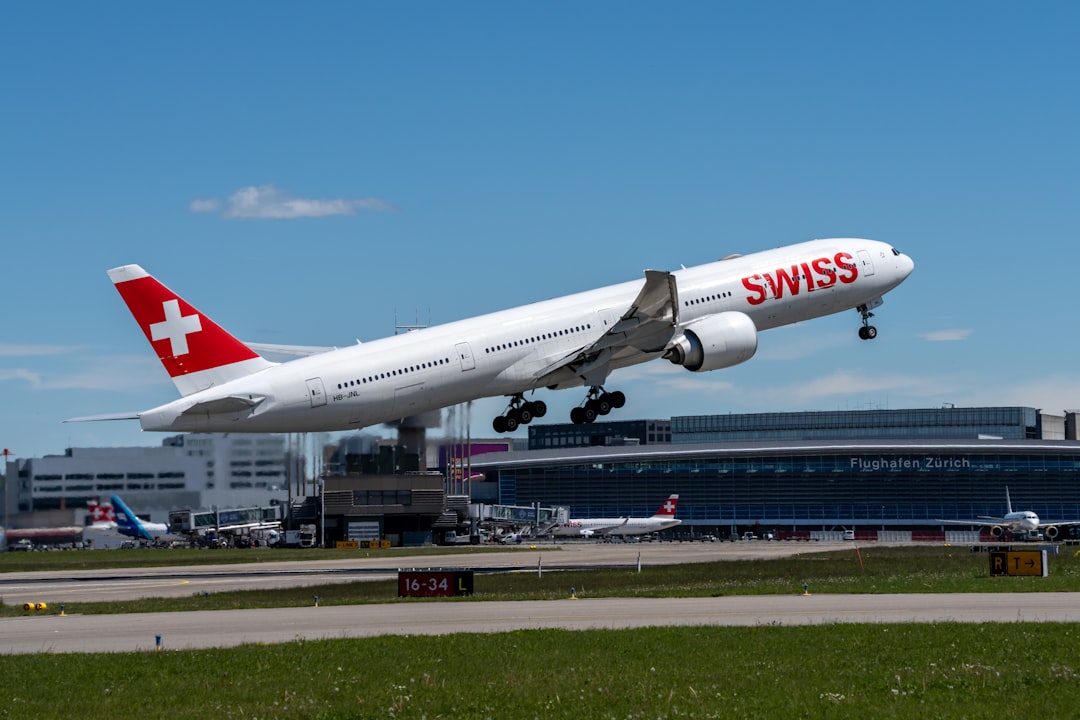
So, where does this leave us when we look at the path ahead for these massive European airline groups? Honestly, it feels like we’re at a point where the traditional playbook for growing through acquisition is effectively broken. By mid-2026, we’re seeing a clear pivot toward virtual consolidation, where airlines opt for slot-sharing agreements rather than full-scale mergers just to bypass the grueling 30-month regulatory approval window. It’s a pragmatic move, but it’s one that highlights just how hostile the current environment is to true, deep-seated integration. When you look at the numbers, maintaining separate air operator certificates—a requirement that keeps these groups fragmented—now eats up nearly 12 percent of their annual administrative overhead.
Think about the sheer waste in that; they’re paying a premium just to keep their operations artificially divided. Even when they do manage to link their systems, they’re often relying on expensive cloud-based middleware to force legacy IT platforms to communicate, adding roughly 4 percent to the cost of every single ticket you book. It’s a messy, temporary fix that fails to deliver the seamless experience we’re all looking for. On top of that, the European Commission’s requirement to hand over proprietary revenue algorithms to competitors is a massive strategic gamble that threatens their long-term ability to stay ahead. It’s essentially asking a company to surrender its competitive DNA just for the privilege of growing.
When we dig into the operational side, the reality is even starker. Because they aren't allowed to fully merge their regional legal entities, these airlines can't even centralize their treasury functions to hedge against the constant, wild swings in jet fuel prices. They’re also stuck managing separate loyalty backends, which means they’re losing out on up to 15 percent of potential cross-selling revenue that could have helped keep fares down for you. You’re also seeing a 7 percent drop in fleet efficiency because crews and planes are essentially siloed, unable to move fluidly across the network. It’s no surprise that we’re seeing a "fragmentation tax" on tickets, pushing prices up by 5 to 8 percent on many connections, as the cost of these regulatory roadblocks is passed directly to the passenger. Ultimately, until the rules shift, don't expect to see the kind of massive, efficient mega-carriers that could actually change the game for your travel experience.
Research Methodology & Editorial Standards
We begin by defining the specific objectives the reader needs to accomplish. Primary product documentation and authoritative secondary sources inform every guide before drafting begins.
Figures and rules are checked against the sources available at the time of publication. Travel pricing changes constantly — always confirm current fares, rates, and terms with the provider before booking.