
The Ultimate Guide to Dog Friendly Beaches Across Los Angeles and Orange County
When I look at the map of Los Angeles County, it’s easy to get overwhelmed by the sheer scale of the place, especially when you’re trying to plan a day out with your dog.
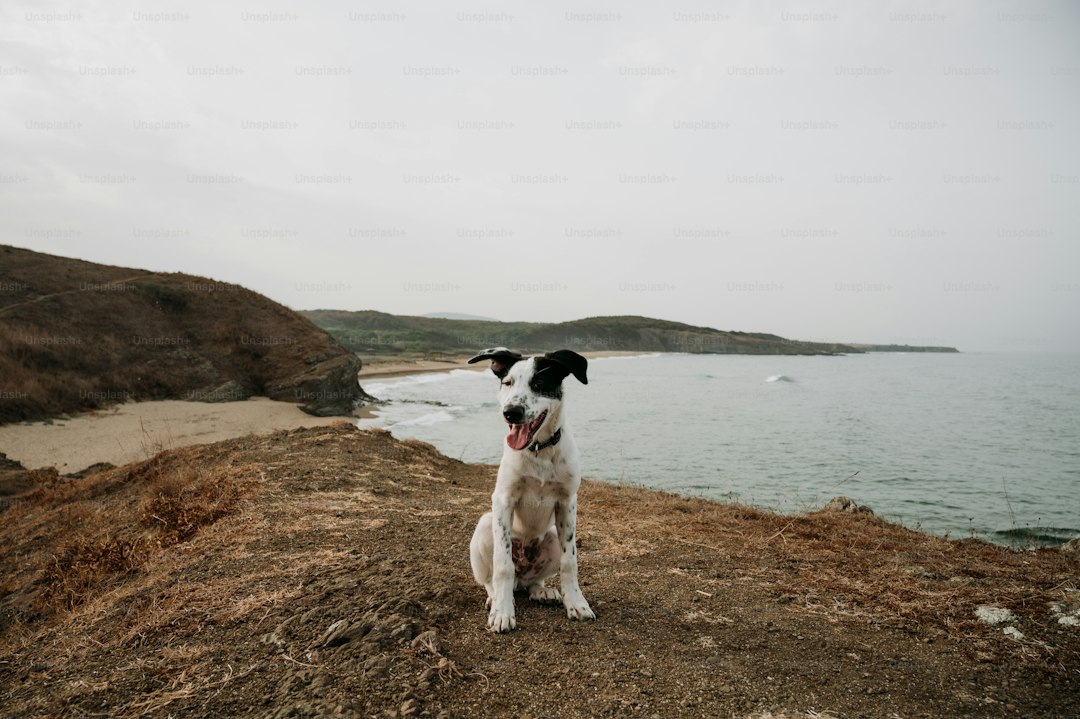
Top Dog-Friendly Destinations in Los Angeles County
When I look at the map of Los Angeles County, it’s easy to get overwhelmed by the sheer scale of the place, especially when you’re trying to plan a day out with your dog. You aren't just looking for a patch of grass; you’re looking for a spot that actually welcomes your pup without making you feel like an intruder. From a logistical standpoint, the county operates on a spectrum of accessibility that ranges from total off-leash freedom at places like Runyon Canyon—where 90 of the 160 acres allow your dog to roam—to the strict leash mandates found in protected areas like Leo Carrillo State Beach. It’s important to recognize that these rules exist for a reason, often to shield fragile tide pools or nesting shorebirds, so I find it’s always best to check the specific status of a trail before you head out.
If you’re looking for a more structured environment, places like West Hollywood Park offer a smarter trade-off with their high-traffic synthetic turf and separated zones for different dog sizes. Honestly, I find this approach much more manageable than trying to navigate the crowded chaos of more popular urban spots. You’ve also got hidden gems like the Travel Town Museum in Griffith Park, where you can walk among historic locomotives while keeping your dog on a leash. It’s a completely different vibe compared to the high-energy, tourist-heavy stretch of the Hollywood Walk of Fame, but both spots effectively demonstrate that LA’s pet-inclusive culture is integrated into its most iconic landmarks.
When you want to escape the urban noise, the contrast between the Angeles National Forest and local city parks is stark. You’re trading manicured lawns for over 700,000 acres of rugged terrain, though you need to be aware that your dog is usually restricted to paved paths and campgrounds there to protect the wildlife corridors. Meanwhile, sites like Lake Hollywood Park or the Mildred E. Mathias Botanical Garden provide a more controlled, scenic experience that feels a lot more like a neighborhood secret. Whether you're navigating the luxury retail corridors of Rodeo Drive or keeping an eye on the water quality reports at Rosie’s Dog Beach, the key is knowing which spots match your dog's energy level. Let’s look at how you can bridge the gap between these environments to build a routine that works for both of you.
Orange County’s Best Canine-Approved Shorelines
When we shift our focus from Los Angeles to Orange County, the coastal experience for your pup changes in a really fundamental way. While LA is about finding those little pockets of freedom within a massive urban sprawl, Orange County offers a more specialized, beach-focused culture that I think you’ll find refreshing. Honestly, the gold standard here is Huntington Dog Beach, and it isn’t just hype; it’s a massive 1.5-mile stretch of coastline that operates on a completely different set of rules than the rest of the county. Unlike almost every other spot where you’re constantly checking your watch for leash hours, this location allows off-leash play from 5:00 AM until 10:00 PM daily. It’s managed by a dedicated non-profit, and you can really feel that local ownership in how clean and accessible the sand remains despite the high volume of visitors.
If you’re comparing this to places like Newport or Laguna, you’ll notice a stark difference in your operational freedom. In Newport and Laguna, you’re usually tethered to a strict leash policy and limited to specific morning or evening windows, which makes those spots better for a quick scenic walk than a full day of activity. I’ve noticed that Corona del Mar adds another layer of complexity with seasonal bans, which are there to protect shorebird nesting habitats, so it’s always a good idea to check the current calendar before you load up the car. Treasure Island Beach is another beautiful option, especially with those man-made tide pools, but remember that the leash rule is non-negotiable there to keep the fragile micro-ecosystems intact.
I’m also pretty impressed by the infrastructure at these sites, specifically the sand-friendly pet wash stations that use recycled water to handle the post-beach cleanup. It’s a small detail, but it shows that the local community really considers the environmental impact of thousands of dogs hitting the water every week. You should also keep an eye on the Orange County Health Care Agency reports, as they provide real-time bacterial testing data that I personally check before any beach day to ensure the water is safe for my dog. Think about it this way: Huntington is your go-to for unrestricted exercise, while the others are perfect for a structured, leashed stroll along the coast. It’s all about matching your dog’s personality to the specific geography of the beach, so don’t hesitate to swap locations depending on the kind of day you’re looking for.
Understanding Leash Laws and Beach Regulations
Let's pause for a moment to talk about the fine print, because understanding leash laws isn't just about avoiding a ticket; it's about knowing how to navigate the beach safely with your pup. California state law often mandates that a leash must not exceed six feet in length, and that’s not just a suggestion—it’s designed to ensure you maintain immediate physical control in busy public zones. You might find it frustrating, but many coastal municipalities now treat retractable leashes as insufficient restraints because they simply don't provide the same instantaneous stopping power as a fixed-length lead. It’s worth remembering that these local ordinances apply strictly regardless of your dog’s individual training level or how well they usually listen off-leash.
If you’re caught violating these municipal statutes, you’re looking at administrative fines that can start at a minimum of 100 dollars, which is a pretty expensive way to ruin a beach day. Beyond the city rules, California law keeps you legally liable for any damages or injuries your dog causes while off-leash, even in areas where pets are technically permitted. I’ve noticed that coastal erosion control programs often use these leash requirements to stop dogs from trampling the natural vegetation that holds our sand dunes together. Many beach regulations also specify that the person holding the leash must be physically capable of controlling the animal, which effectively means a small child shouldn't be the sole handler in these public spaces.
I’m particularly careful about the type of gear I use because some protected coastal zones prohibit extendable leashes entirely, as those thin cords pose a real entanglement hazard to local wildlife and other people walking nearby. When you look at the data, bacterial testing protocols from our health agencies often link higher contamination levels in tidal zones to areas where pet waste isn't being managed by owners who have their dogs under close, leashed control. You should know that even if you find a secluded stretch of sand, local wildlife protection statutes often override general recreation rules, requiring a leash at all times to prevent dogs from chasing nesting shorebirds. Some jurisdictions go even further, defining control as the dog remaining within a specific radius of the handler, so just dropping a long line on the sand is still technically a violation of the ordinance. Beach patrol officers are actively monitoring for these leash length requirements as a proactive measure, so it’s always smarter to be prepared and keep that lead firmly in your hand.
Essential Gear for a Stress-Free Day at the Beach
Let’s dive into what you actually need to pack, because I’ve learned the hard way that a successful day at the coast with your dog is entirely dependent on your gear choices. Honestly, most people just grab a towel and a bowl, but if you’re looking to minimize stress, you need to think about specific materials and technical performance. I always start with a sand-free blanket that uses dual-layer mesh technology; it’s a total game changer because it lets sand pass through one way while blocking it from coming back up, which keeps your setup clean even when the wind kicks up. When it comes to drying off, skip the heavy cotton towels and go for high-surface-area microfiber. These are objectively superior because they absorb four times their weight in water and dry roughly three times faster, saving you from hauling around a soaking wet, heavy bag at the end of the day.
You also have to be mindful of your dog’s physiology in the intense sun and heat reflected by the sand. I’m a big believer in cooling vests that use evaporative technology; they can physically lower your dog's surface body temperature by up to 15 degrees, which is a massive safety margin if you're out during peak hours. Don't forget that standard sunscreen can be a hazard, so make sure you’re using a pet-specific formula that’s completely free of zinc oxide, which is toxic if your dog grooms it off. For hydration, please avoid letting them drink from the ocean, as that leads straight to salt toxicity; instead, carry an insulated bottle with a built-in dispenser to keep fresh, non-saline water ready at all times. If you have an anxious pup, bringing a collapsible mesh crate acts as a visual barrier that can actually help lower their cortisol levels in crowded spots, giving them a safe, shaded base to decompress.
Finally, consider the structural integrity of your gear when things get messy. I always pack a dedicated sand-removal mitt with a dense weave because those tiny salt crystals can cause micro-abrasions on paw pads that turn into painful dermatitis if you don't wipe them off before getting back in the car. For the water itself, stick to closed-cell foam or heavy-duty rubber floating toys; they stay on the surface, preventing your dog from diving into potentially murky or dangerous tide channels to retrieve a sinking ball. If you’re playing near the water's edge, I’d strongly recommend a harness with a top-mounted handle, as it gives you the leverage you need to stabilize your dog if they get caught in an unexpected current or a steep drop-off. And since standard bandages peel off instantly in the ocean, just throw a roll of self-adhering vet wrap into your kit; it’s the only thing that’ll actually stay put if you have to dress a minor paw scrape while you’re still out on the sand.
Tips for Keeping Your Dog Safe and Cool by the Ocean
I’ve been thinking a lot about the reality of beach days, and honestly, it’s easy to forget that while we’re busy setting up our gear, our dogs are dealing with a completely different set of physical stressors. You have to realize that dogs only dissipate heat through panting and a limited number of sweat glands in their paw pads, making them uniquely susceptible to heatstroke long before you might feel uncomfortable. The sand itself is a major factor; under direct sunlight, it can hit 125 degrees Fahrenheit, which is hot enough to cause thermal burns on those sensitive pads in under sixty seconds. If you can’t hold the back of your hand against a boardwalk or exposed patch of sand for five seconds, it’s simply too hot for your dog to be walking on it. I always treat those surfaces like a stovetop because, for a dog, that’s effectively what they are.
Beyond the heat, you really need to be hyper-aware of what your dog is consuming while they’re focused on the waves. A lot of people don't realize that even small amounts of saltwater ingestion can trigger osmotic diarrhea or, worse, hypernatremia, which is a dangerous electrolyte imbalance caused by too much sodium in the bloodstream. If your dog is a high-energy swimmer, keep in mind that they often swallow significant amounts of water while panting or catching toys, which can lead to hyponatremia, or water intoxication; it’s rare, but it’s a fatal condition that happens faster than you’d expect. I’m also constantly watching out for sand impaction, which occurs when a dog accidentally inhales or eats sand while playing, potentially causing a life-threatening intestinal obstruction that usually requires surgery. It sounds extreme, but it’s a real risk when they’re obsessively trying to retrieve a ball buried in the surf.
There’s also the issue of what’s hiding in the water and on the shore that we might overlook. If you’re near tide pools, be careful, as sea anemones can deliver a painful sting to a dog’s nose or tongue if they get too curious. I also keep a close eye on their physical state after they finish swimming, specifically looking for signs of limber tail syndrome—a painful condition where the tail goes limp from muscle strain after being used as a rudder in the water. Plus, UV exposure is amplified by the reflection off the sand and water, so if your dog has light fur or a thin coat, they’re prone to solar dermatitis on their ears, nose, and belly. And honestly, don't ignore the sand trapped in their fur; when it mixes with moisture, it acts like sandpaper against their skin, causing painful chafing and hotspots in areas like the armpits. It’s a lot to monitor, but once you start proactively checking these things, it just becomes part of the rhythm of a safe day by the ocean.
Etiquette and Best Practices for Socializing Your Pup
When we talk about socializing your pup, I think it’s easy to get caught up in the idea that more is better, but the reality is that it’s all about the quality of the interaction. If you’re just starting out, keep in mind that the most critical window for your dog’s development is between three and sixteen weeks of age, though socialization really remains a lifelong maintenance skill rather than a one-time box to check. I’ve found that many owners fall into the trap of thinking their dog needs to play with every person or animal they pass, but training your pup to remain calm around neutral distractions is actually a much more valuable life skill. You want your dog to feel confident, not overwhelmed, so try to prioritize brief, positive encounters over those chaotic, high-stimulation environments that often lead to sensory overload.
When you’re setting up these sessions, think of yourself as your dog’s advocate rather than just a bystander. If you notice signs like a tucked tail or lip licking, your pup is telling you they’ve hit their threshold, and it’s time to step in and end the interaction before it turns into a negative memory. I’m a big fan of arranging private playdates with stable, calm dogs you know well, especially while your puppy is still building up their immunity and learning how to navigate the world safely. It’s also important to remember that socialization isn't just about other living beings; it’s about exposing them to different textures, sounds, and environments in a way that feels controlled and safe.
If you're out and about, always ensure there’s a clear safety exit—a quiet spot or a crate—where your dog can retreat if they feel the need to decompress. This simple choice gives them a sense of agency that goes a long way toward preventing defensive behavior down the road. I truly believe that if you focus on consistency and keep these early experiences pleasant, you’re setting a foundation that significantly lowers the chance of reactivity later in life. It’s not about rushing the process; it’s about meeting your dog where they are today so they can handle the world with a little more grace tomorrow. Just take it slow, watch their body language, and remember that you’re playing the long game here.
Research Methodology & Editorial Standards
We begin by defining the specific objectives the reader needs to accomplish. Primary product documentation and authoritative secondary sources inform every guide before drafting begins.
Figures and rules are checked against the sources available at the time of publication. Travel pricing changes constantly — always confirm current fares, rates, and terms with the provider before booking.