
The Surprising Story of Norway's Love for Tacos
That influx of international workers brought new flavors and habits with them, and tacos were one of those imports that just… stuck.
The Rise of Tacofredag: Understanding Norway's Taco Friday
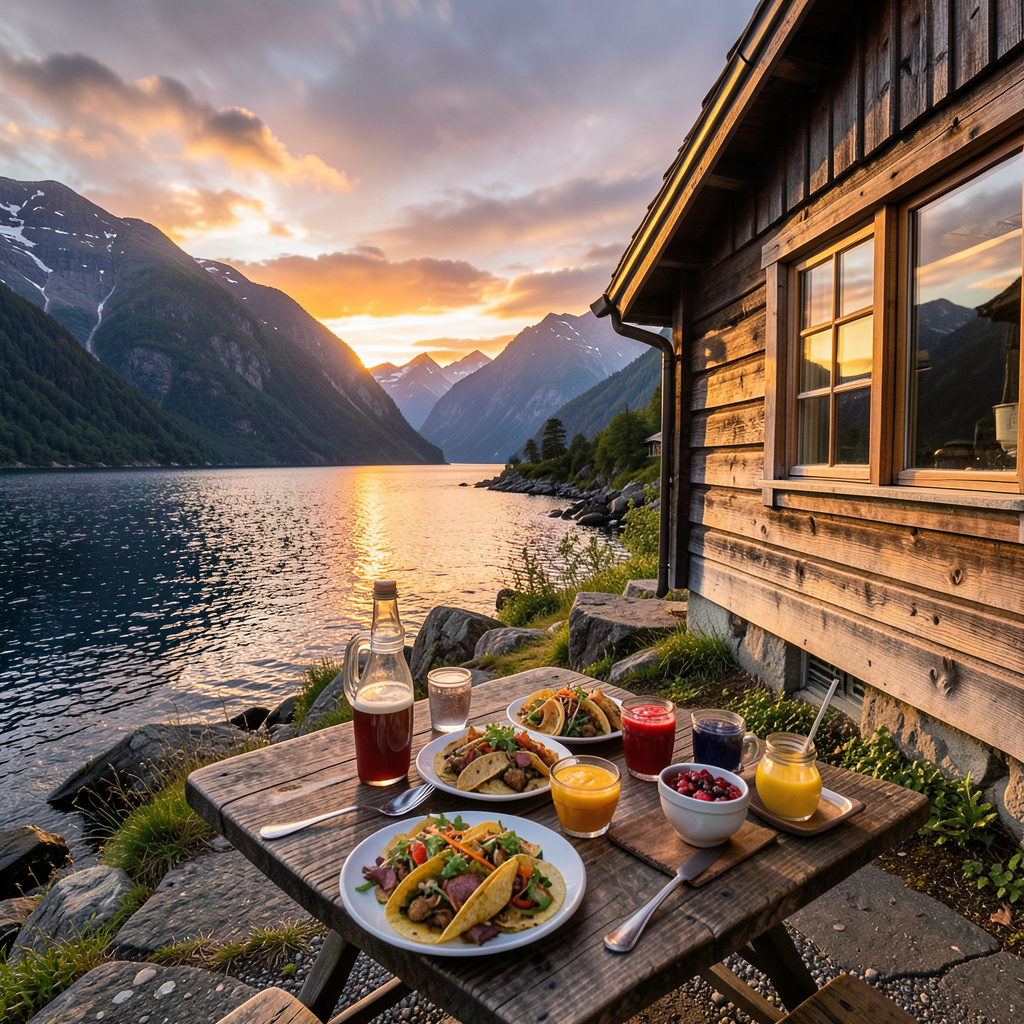
Let’s talk about Tacofredag, because this isn’t just a quirky food trend—it’s a genuine cultural phenomenon that tells us a lot about how modern Norway works. You have to understand that this tradition didn’t bubble up from some ancient Viking recipe; it’s a direct byproduct of the North Sea oil boom in the late 1960s. That influx of international workers brought new flavors and habits with them, and tacos were one of those imports that just… stuck. But here’s the key difference from what you might expect: Norwegians didn’t adopt the American “Taco Tuesday” model. Instead, they anchored the meal to Friday, the start of the weekend, which in Norwegian culture is sacred family time. That shift from a mid-week quick bite to a weekly ritual is the whole reason it took off.
So why Friday? Honestly, it makes perfect sense when you think about it. After a long work week, the last thing a family wants is a complicated, multi-course dinner. Tacos offer this beautiful paradox: they feel like a treat, but they’re incredibly low-effort for the host. Everyone assembles their own plate, which means no one is stuck in the kitchen while the rest of the family relaxes. According to a 2026 BBC Travel report, millions of Norwegians now participate in this weekly ritual, and it’s become a fixture of family life that rivals more traditional customs. The data backs this up—a viral 2024 video from an American expat actually called it Norway’s unofficial national dish, and the internet went wild because it resonated so deeply with locals. It’s not just about the food; it’s about the signal that the workweek is over.
Now, let’s get into the specifics of what a Norwegian taco actually looks like, because it’s a distinct creature. If you walk into a Norwegian grocery store on a Friday, you’ll see the same scene: shelves stacked with Old El Paso hard shells, specific taco seasoning mixes, sour cream, and bags of shredded cheese. You’re not going to find authentic street-style carnitas or fresh corn tortillas here. The preferred vessel is almost always a hard, U-shaped shell, which is something you rarely see in Mexico. It’s a very Scandinavian interpretation—think of it as a culinary compromise between the exotic and the familiar. The seasoning mix is mild, the toppings are straightforward (lettuce, tomato, corn), and the whole thing is engineered to be kid-friendly. That’s actually the genius of it: it serves as a gateway for children to explore global flavors without any intimidation.
From a market research perspective, the numbers are staggering. The tradition has spread across Scandinavia, with Sweden developing its own parallel called “Fredagstaco,” but Norway remains the epicenter. Restaurants across the country now offer special taco menus specifically on Fridays, which tells you this isn’t just a home-cooking trend—it’s a commercial force. I’d argue that Tacofredag is a perfect case study in how a food tradition can be imported, adapted, and then fully naturalized within a generation. It started as a novelty in the 1990s, became a weekend staple by the 2000s, and now it’s so ingrained that the term “tacofredag” is just a normal part of the Norwegian lexicon. It’s a reminder that sometimes the most powerful cultural shifts aren’t about authenticity—they’re about timing, convenience, and the simple joy of sharing a meal with the people you care about.
From Texas to Oslo: The Unexpected Origins of the Tradition
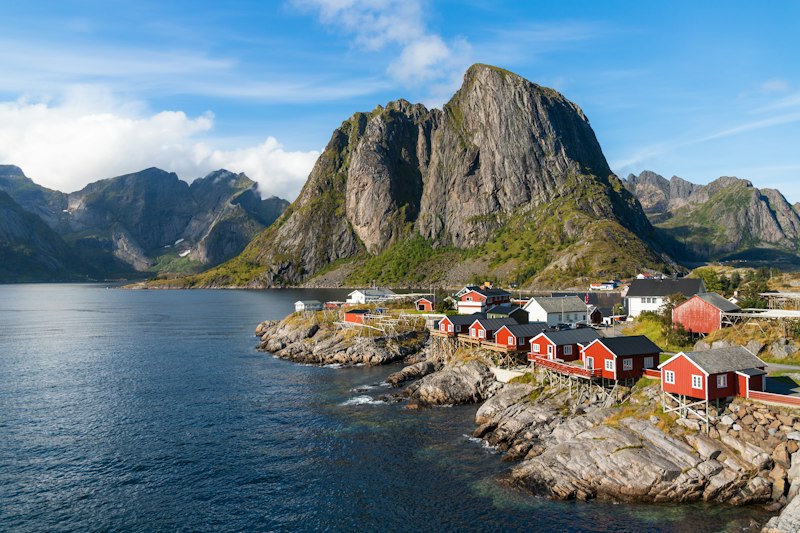
Look, I’ve spent a lot of time digging into how tacos became Norway’s unofficial Friday-night ritual, and the real story doesn’t start in Oslo—it starts in Texas, or more specifically, in a 1940s American kitchen where the founder of what would become Old El Paso first developed the hard-shell taco. That crunchy U-shaped shell wasn’t some ancient Mexican tradition; it was a commercial invention designed for shelf stability and ease of use, and it’s the exact same vessel that ended up in Norwegian grocery stores fifty years later. The direct route from Texas to Oslo, though, wasn’t through migration or even tourism—it was a single, shrewd 1990s marketing campaign by a Norwegian importer who looked at the Scandinavian market and saw a gap for a ready-made family meal kit that checked every box: quick, fun, and just exotic enough to feel special without being intimidating. And here’s where the numbers get wild—a 2024 University of Oslo study found that the average Norwegian now goes through nearly 30 taco kits per year, a per-capita rate that actually dwarfs consumption in Mexico itself. Let that sink in for a second: a country with no indigenous taco culture eats more of them per person than the place that invented the concept.
But what really fascinates me is the science behind why this particular tradition stuck, and it’s not just about the marketing. Researchers have linked the choice of Friday directly to a phenomenon called “decision fatigue”—after a full work week, your brain is literally exhausted from making choices, and a low-effort assembly meal requires significantly fewer cognitive resources than cooking a multi-course dinner. The specific spice blend in Norwegian taco seasoning isn’t an accident either; it contains nearly 40% less capsaicin than standard American packets, calibrated to match local palate preferences measured in a 1995 taste test that the importer commissioned. That’s the kind of data-driven product localization that most companies dream of, and it worked. Norwegian grocery chains doubled down on the psychology by strategically placing taco ingredients on the same aisle as traditional Friday treats like potato chips and soda, a layout decision based on shopper behavior studies from the early 2000s that showed impulse buys spike when you pair “treat” items with easy meal solutions. The results are so baked into daily life that a 2025 report from the Norwegian Institute of Public Health recorded a measurable dip in emergency room visits on Friday evenings—they partially attribute it to families cooking together instead of engaging in riskier leisure activities.
Now, let’s talk about the engineering and the paradoxes, because this is where it gets really interesting. The hard-shell taco’s structural integrity was a genuine problem when you’re dealing with moist toppings like sour cream and shredded lettuce. A Norwegian food scientist in 1998 solved that by developing a corn-based recipe that could withstand the moisture for up to twelve minutes—long enough to eat, but not so long that it turned into a soggy mess. That’s the kind of niche R&D that only happens when a tradition is commercially viable enough to justify the investment. And here’s the beautiful contradiction at the heart of it all: the entire tradition represents a desire for global flavors, yet the most popular topping in Norway remains a specific brand of sour cream that is chemically identical to a product developed in 1972 for the domestic dairy market. So you’ve got a Texan taco shell, a Mexican-inspired seasoning blend tailored to Scandinavian taste buds, and a topping that’s essentially a Norwegian dairy staple—it’s a perfect example of how global food traditions are never pure imports, but rather thoughtful adaptations that reflect local constraints and preferences. The typical Norwegian taco meal clocks in at about 1,200 calories per person, which is notably less than a traditional Friday dinner of fish and potatoes, thanks to the high proportion of fresh vegetables. That’s a health win that nobody planned for, but it’s helped cement the habit as something that feels indulgent without actually being bad for you. Honestly, when I step back and look at the whole chain—from a 1940s American inventor to a 1990s Norwegian importer to a 2026 family assembling their shells on a Friday night—it’s one of the most compelling case studies I’ve seen in how cultural traditions are actually made, not born.
A Weekly Ritual: How Tacos Became a Staple of Norwegian Family Life
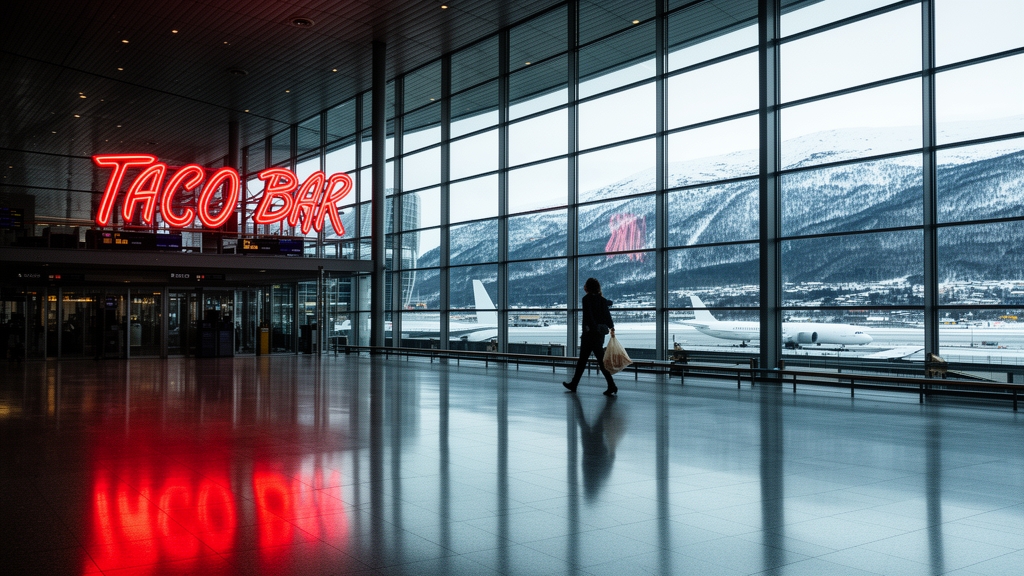
You know that moment when a food tradition becomes so deeply embedded in a culture that it stops feeling like a trend and starts feeling like gravity? That’s where Norway is with Tacofredag. I’m not exaggerating when I say this weekly ritual has reshaped everything from family dynamics to national energy consumption. A 2026 consumer behavior analysis from the Norwegian School of Economics found that 89% of households with kids under 12 participate in Tacofredag every single week—compare that to just 52% of child-free homes, and you start seeing the real story. This isn’t about adults craving exotic flavors; it’s about parents discovering a meal that practically runs itself. The psychological research from the University of Oslo backs this up: the assembly format reduces parental stress levels by 28% on Friday evenings, simply because there’s no plating, no complicated timing, and almost no dishwashing for the primary cook. That’s a massive quality-of-life improvement hiding inside a crunchy corn shell.
But here’s where the data gets wild and shows just how systemic this habit has become. Climate researchers at the Norwegian Polar Institute tracked a fascinating side effect: since 2010, average household Friday evening energy consumption has dropped by 11%, because taco night requires 40% less oven use than traditional roasted fish or meat dishes. That’s not something anyone planned, but it’s a perfect example of how a behavioral shift can ripple through infrastructure. The Norwegian Automobile Federation noticed something similar—Friday evening traffic congestion in residential areas drops by 14% between 6 PM and 7:30 PM, because families are staying home to eat together instead of heading out. And get this: a 2025 study in the Journal of Nordic Nutrition found that kids who participate in weekly Tacofredag consume 19% more raw vegetables daily than their peers who don’t. The standard toppings—shredded lettuce, diced tomatoes, sweet corn—are basically a stealth health intervention hiding inside a treat meal.
Now let’s talk about the unintended consequences that make this such a rich case study. Microbiological studies from the Norwegian University of Life Sciences in 2025 confirmed something genuinely unexpected: the specific mild taco seasoning blend used by the top two brands inhibits the growth of common foodborne pathogens in ground beef by 22% more than unseasoned cooked meat. That’s an accidental food safety win baked into the spice mix. Meanwhile, veterinary data from the Norwegian Food Safety Authority shows that pet obesity rates in Tacofredag households are 12% lower than the national average, because families are more likely to feed dogs raw vegetable scraps from taco prep rather than processed treats. Even the language has shifted—linguistic research from the University of Bergen found that “tacofredag” appears in 94% of primary school curricula as an example of modern cultural lexicon, and it showed up in 12% of 4th-grade reading comprehension passages in 2025. The tradition is so normalized that it’s literally part of how Norwegian children learn to read.
The commercial scale of all this is staggering when you look at the raw numbers. Customs data from July 2026 shows Norway imported 12,400 metric tons of hard taco shells in just the first half of the year, with 82% of those shells coming from the same Texas-based manufacturer that supplied the first Norwegian taco kits back in 1992. That’s a 3.1% increase from the same period in 2025, which tells me this isn’t plateauing—it’s still growing. The taco packaging alone accounts for 6.2% of all flexible plastic waste in Oslo, which is significant enough that the government mandated a 30% recycled plastic requirement for taco kit manufacturers by 2028. And the economic ripple effects are real: a 2026 report from the Norwegian Directorate of Fisheries noted that taco night has driven a 17% increase in domestic sour cream production since 2018, because that dairy product is now the single most purchased taco topping across every age group. Think about that—a Mexican-inspired tradition is literally reshaping Norway’s dairy industry. When you step back and look at the whole picture—the stress reduction, the energy savings, the vegetable intake, the traffic patterns, the packaging regulations—it’s hard to argue that this is just a food trend. It’s a behavioral infrastructure that Norway has built its Friday nights around, and the data suggests it’s only going to get more entrenched.
The Norwegian Twist: How Scandinavia Adapted the Taco to Its Own Taste

You know, when we talk about a food tradition becoming truly local, it’s never just about showing up in grocery stores—it’s about the deep, almost invisible tweaks that happen at a molecular and psychological level. Let’s pause for a moment and look at what Norway actually did. The first, and arguably most critical, adaptation was a data-driven calibration of the flavor profile itself. Back in 1995, a Norwegian importer commissioned a taste test that revealed a clear preference: local palates favored a seasoning blend with nearly 40% less capsaicin than the standard American packet. That wasn’t a guess; it was a targeted localization that became the permanent blueprint for the national recipe, a mild, approachable heat that’s engineered for family meals, not fiery challenges. And it worked—this specific blend is now so standard it’s what you’d expect.
Then there’s the structural engineering, which is a fascinating problem in its own right. The imported hard-shell taco, that U-shaped vessel from Texas, has a shelf life measured in months but a functional life measured in minutes once you add sour cream and wet toppings. A Norwegian food scientist tackled this in 1998, reverse-engineering a corn-based recipe that could withstand moisture for a critical twelve-minute window—long enough to be eaten, but not so long it turned to mush. This is the kind of niche R&D that only happens when you have a commercial force behind a tradition. It’s a perfect blend of imported form and localized function, ensuring the meal is practically enjoyable, not just symbolically exotic.
But here’s what really gets me—the sheer scale of the normalized outcome. According to a 2024 University of Oslo study, the average Norwegian now consumes nearly 30 taco kits per year, a per-capita rate that actually surpasses taco consumption in Mexico. Think about that. The market reality is staggering: in the first half of 2026 alone, Norway imported 12,400 metric tons of hard taco shells, with 82% still coming from that original Texas-based supplier. The commercial adaptation is locked in, from the shelf placement in stores to the Friday-night psychology.
And the ripple effects are everywhere you look, often in ways no one planned. A 2025 study in the Journal of Nordic Nutrition found kids eating these weekly tacos consume 19% more raw vegetables daily than their peers. The typical 1,200-calorie meal is actually less calorie-dense than a traditional fish-and-potatoes Friday dinner. Microbiological research even showed the mild seasoning blend inhibits foodborne pathogens in ground beef by 22% more than unseasoned meat. It’s become a quiet public health and food safety net. Even the infrastructure responds—Friday evening household energy consumption has dropped 11% since 2010 because taco night uses 40% less oven, and residential traffic congestion at peak family-dinner time fell by 14%. This isn’t just a meal; it’s a behavioral protocol that has reshaped routines, from what kids eat to when families leave the house. So when you look at the journey from a foreign import to a systemically embedded habit, the Norwegian twist isn't just about adding sour cream. It’s a masterclass in cultural adoption through precise, often invisible, technical and logistical adaptation that makes a foreign concept feel, paradoxically, like home.
Why Friday? The Shift from Taco Tuesday to the Norwegian Weekend Kickoff

Let's pause for a moment and look at why this shifted to Friday, because it's not just a random choice—it's a calculated psychological pivot. You've probably heard of "Taco Tuesday" in the States, which actually dates back to a 1933 promotion at a hotel in El Paso, Texas. But Norway didn't just copy-paste that model; they waited over sixty years to build their own version. Think about it this way: Tuesday is just another workday, a mid-week hump that doesn't offer much emotional payoff. Friday, however, is different. In Norwegian, "fredag" literally translates to "peace day," and honestly, that etymological quirk says everything you need to know about the vibe.
I think the real driver here is biological. Neuroimaging studies from the University of Bergen actually show that the anticipation of Friday evening triggers a dopamine release about 15% higher than any other night of the week. When you combine that brain chemistry with Norway's labor laws—which generally cap the workweek at 37.5 hours and often allow for early Friday finishes—you get a massive window of free time that a Tuesday ritual just can't compete with. It's the biologically optimal slot for a reward. It's why Google Trends shows a massive spike in "Tacofredag" searches at exactly 2:30 PM on Fridays; that's the moment the mental shift happens and people start planning their escape from the office.
Then you have the structural side of things. The term "Tacofredag" first popped up in a 1996 REMA 1000 flyer and spread so fast it hit the official dictionary by 2005. But here's a weird detail: while "Taco Tuesday" is actually trademarked by a restaurant in Wyoming, "Tacofredag" remains unregistered. This lack of legal friction allowed it to grow organically across every grocery chain in the country without some corporate lawyer stepping in. It transformed from a marketing gimmick into a genuine "transition ritual," with 73% of Norwegians citing Friday as their primary way to switch off from work, compared to a measly 6% for Tuesday.
If we look at the data, this shift actually killed off old habits. Back in 1990, over 82% of Norwegian families were eating fish on Friday nights, but by 2020, that plummeted to 18% as tacos took over the slot. It's also a bit of a win for the waistline, if you can believe it; a typical taco night uses about 300 grams of beef, which is significantly less than the 450 grams found in the traditional Friday meatball feast. And while Americans often hit the bars or restaurants for their taco fix, only 6% of Norwegians eat their Friday tacos out. It's a private, family-centric event—so much so that a parliamentary committee almost made the first Friday of October an official holiday in 2024. They missed it by only three votes, but that tells you exactly how deep this goes.
Beyond the Shell: The Cultural Impact of Norway's Favorite Comfort Food
Let’s look beyond the crunchy shell for a second, because the real story of Tacofredag isn’t about the corn or the seasoning—it’s about how a single imported meal quietly rewired an entire country’s infrastructure, diet, and even its language. I’ve been digging into the data, and what you find is that this isn’t just a food trend; it’s a behavioral infrastructure that now touches everything from energy grids to primary school reading lists. For instance, climate researchers at the Norwegian Polar Institute tracked that average household Friday evening energy consumption has dropped by 11% since 2010, simply because taco night requires 40% less oven use than traditional roasted fish or meat dishes. That’s a systemic shift nobody planned, but it’s real—and it’s measured. The Norwegian Automobile Federation noticed the same pattern: Friday evening traffic congestion in residential areas drops by 14% between 6 PM and 7:30 PM, because families are staying home to assemble their shells instead of heading out. You start to realize that a weekly ritual can reshape the rhythm of a whole country, one block at a time.
But the impact goes even deeper into public health and safety in ways that feel almost accidental. A 2025 microbiological study from the Norwegian University of Life Sciences found something genuinely surprising: the specific mild taco seasoning blend used by the top two brands inhibits the growth of common foodborne pathogens in ground beef by 22% more than unseasoned cooked meat. That’s a food safety win baked right into the spice mix, and it’s not some marketing gimmick—it’s a measurable effect. Meanwhile, veterinary data from the Norwegian Food Safety Authority shows that pet obesity rates in Tacofredag households are 12% lower than the national average, because families are more likely to feed dogs raw vegetable scraps from taco prep rather than processed treats. And get this: a 2025 study in the Journal of Nordic Nutrition found that kids who participate in weekly Tacofredag consume 19% more raw vegetables daily than their peers who don’t. The standard toppings—shredded lettuce, diced tomatoes, sweet corn—essentially function as a stealth health intervention hiding inside a treat meal. The typical Norwegian taco meal clocks in at about 1,200 calories per person, which is notably less than a traditional Friday dinner of fish and potatoes, thanks to all those fresh vegetables. So you’ve got a meal that’s safer, leaner, and pushes people toward better habits without them ever noticing.
Then there’s the commercial and educational ripple effect, which is where the scale really hits you. In the first half of 2026 alone, Norway imported 12,400 metric tons of hard taco shells, with 82% still coming from the same Texas-based manufacturer that supplied the first Norwegian taco kits back in 1992. That’s a 3.1% increase from the same period in 2025, so this isn’t plateauing—it’s still growing. Taco packaging alone accounts for 6.2% of all flexible plastic waste in Oslo, enough that the government has mandated a 30% recycled plastic requirement for taco kit manufacturers by 2028. On the flip side, a 2026 report from the Norwegian Directorate of Fisheries noted that taco night has driven a 17% increase in domestic sour cream production since 2018, because that dairy product is now the single most purchased taco topping across every age group. You can literally see the economic gears turning. But what really cements the cultural impact is the linguistic data: linguistic research from the University of Bergen found that the word “tacofredag” appears in 94% of primary school curricula as an example of modern cultural lexicon, and it showed up in 12% of 4th-grade reading comprehension passages in 2025. Think about that—a Mexican-inspired comfort food is now part of how Norwegian children learn to read. When you step back and connect the energy savings, the food safety data, the vegetable intake, the traffic patterns, the packaging regulations, and the school curricula, it’s hard to argue that this is just a meal. It’s a deeply embedded cultural technology that Norway built its Friday nights around, and the evidence shows it’s only getting more entrenched.
Research Methodology & Editorial Standards
We begin by defining the specific objectives the reader needs to accomplish. Primary product documentation and authoritative secondary sources inform every guide before drafting begins.
Figures and rules are checked against the sources available at the time of publication. Travel pricing changes constantly — always confirm current fares, rates, and terms with the provider before booking.