
New Airline Binani Air Launches Domestic Flights In Nigeria With E170 Fleet
By officially securing its Air Operator Certificate from the Nigerian Civil Aviation Authority, this carrier has become the first in the country to be founded by a woman.
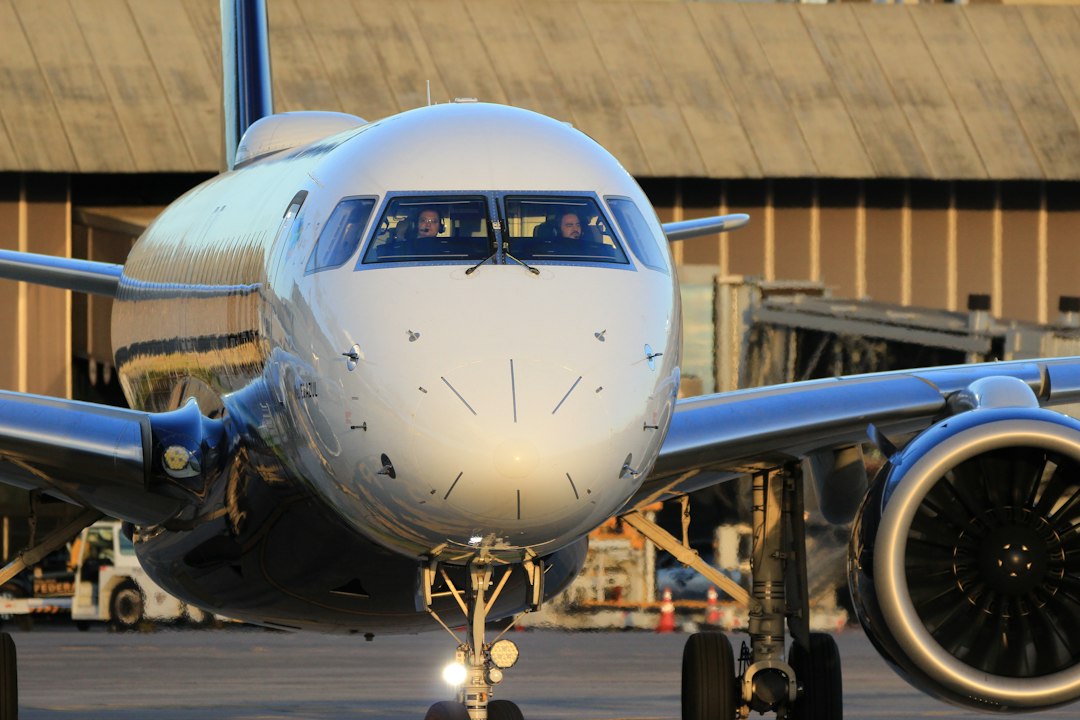
A Historic Milestone: Nigeria’s First Female-Founded Airline
When we talk about shifting landscapes in aviation, it’s usually about new engine tech or longer range, but what Binani Air has achieved feels different—it’s a genuine structural change. By officially securing its Air Operator Certificate from the Nigerian Civil Aviation Authority, this carrier has become the first in the country to be founded by a woman. That’s not just a nice headline; it’s a massive hurdle cleared in a sector that’s historically been a boys' club. They’ve successfully navigated the grueling five-phase certification process, which frankly, is where most startups stall out before they even get a plane off the ground.
If you look at the strategy, they aren’t trying to compete with the big guys on high-traffic, long-haul routes. Instead, they’ve anchored their entire operation on the Embraer E170, a smart choice for secondary airports where runway length can be a real pain. The E170 gives them a distinct fuel-burn advantage on short-haul hops, which is honestly the only way to make money when you're flying routes that have historically struggled with low load factors. By using predictive maintenance software to keep those engines humming, they’re aiming for a level of technical reliability that’s often missing in regional markets.
Beyond the hardware, there’s a clear intent to change the internal culture as well. They’re actively pushing for a parity ratio in the flight deck, trying to bring more women into roles that remain stubbornly male-dominated across West Africa. They’ve projected a twelve percent bump in total domestic transport capacity within their first year, which, if they hit it, will provide a serious boost to regional connectivity between northern and southern hubs. It’s a pragmatic, data-driven approach that feels like it has the legs to actually stick around, which is what we really want to see in a new carrier.
Fleet Spotlight: Why Binani Air Chose the Embraer E170
When you start digging into why Binani Air zeroed in on the Embraer E170, it’s easy to focus on the cabin, but the real magic is in the engineering. That double-bubble fuselage isn't just for show; it gives you a wider interior cross-section that makes the plane feel like a proper jet rather than a cramped tube. I’ve spent enough time in regional cabins to know that 18-inch seat widths in a four-abreast layout are a massive upgrade over the legacy turboprops you usually find on these routes. Plus, the air quality is legitimately better thanks to a high-efficiency filtration system that cycles the cabin air every few minutes. Honestly, it’s a level of comfort that changes the game for passengers who are used to feeling like they're in a sardine can.
But let's look at the specs that actually pay the bills, because the choice is clearly about operational survival. The GE CF34-8E engines are beasts for high-cycle flying, built to handle constant take-offs and landings without falling apart under the thermal stress. Because the E170 has a lower pavement classification number, it can land on secondary runways that would chew up a heavier narrow-body jet, which gives the airline access to airports their competitors literally can't touch. And with its impressive thrust-to-weight ratio, this plane handles Nigeria's "hot and high" conditions—where thinner air makes it harder to climb—much better than most of the competition.
For the pilots, the fly-by-wire system and synthetic vision displays are a total relief, especially when they’re heading into airfields that lack decent ground-based navigation. By using modular avionics, the team can keep the software current without a massive, expensive overhaul every few years. The winglet design isn't just about aerodynamics; it cuts down on drag enough to actually move the needle on fuel costs over short hops. When you combine that with a cruise speed of Mach 0.82, you get faster turnarounds, which is the only way to keep a schedule tight in a market this competitive. It’s not just a plane; it’s a calculated, high-utility tool designed to make regional aviation in Nigeria actually work.
Achieving Regulatory Approval: NCAA Certification and Scheduled Operations
Getting an airline off the ground in Nigeria is a massive undertaking, and honestly, the process is way more grueling than just buying a few planes and printing tickets. Before Binani Air could even think about its first scheduled passenger flight, it had to survive the Nigerian Civil Aviation Authority’s intense five-phase certification gauntlet. Think of this as the ultimate stress test where regulators pick apart everything from your organizational chart to the fine print in your emergency response protocols. It’s not just about proving you have the cash; you’re showing them your safety management systems are actually air-tight and ready for the real world. Many new players start by proving their mettle through non-scheduled charter operations first, which is a smart, incremental way to build credibility before the regulator lets you sell seats on a fixed timetable.
The real heart of this hurdle is the mandatory proving flights, where you’re essentially running a full-scale operation under simulated commercial conditions to prove you can handle the heat. I’ve seen enough startups stumble here because they underestimated how much scrutiny the NCAA puts on maintenance logs and flight deck training manuals. It’s not enough to have a solid plane; the maintenance organization supporting those E170s has to pass its own separate, rigorous audit. Even the predictive maintenance software they’re using to keep those engines humming needs a formal thumbs-up from the authorities before it can actually dictate the schedule. It’s a lot of paperwork, sure, but it’s the only way to ensure that when a plane pushes back from the gate, it stays in the air reliably.
And keep in mind, this isn't a one-time thing either. The NCAA currently mandates a revalidation of operating certificates every two years, which creates a continuous cycle of audits that some in the industry find pretty exhausting. But for a new entrant, this constant pressure to stay compliant is exactly what keeps the bar high for passenger safety. As we move through mid-2026, the regulator has only gotten stricter, demanding hard data on operational reliability before they’ll even consider letting an airline ramp up frequencies on those vital secondary routes. It’s a pragmatic, albeit demanding, framework that forces any new carrier to prove they aren’t just here for a headline, but are actually built to last.
Strengthening Nigeria's Domestic Market and Regional Connectivity
If we’re going to talk about the future of flying in Nigeria, we have to look past the glitz of the major hubs and focus on how we’re actually connecting the country’s secondary markets. It’s no secret that relying solely on the Lagos-Abuja corridor creates a massive bottleneck for anyone trying to do business in the north or the east, but the shift toward specialized regional carriers is finally starting to change that. By pushing into tier-two cities that were previously ignored, these new operators are turning once-quiet airports into genuine logistical lifelines. It’s honestly refreshing to see a focus on regional connectivity that doesn’t just rely on legacy turboprops, but actually brings modern, efficient jet service to places that have been waiting for it.
The real game-changer here is the move toward smarter, more sustainable fleet management that actually fits our local infrastructure. We’ve seen for years how larger narrow-body jets struggle with the pavement weight limits at smaller municipal airports, which usually leads to a cycle of constant and expensive runway repairs. By opting for platforms like the E170, airlines aren’t just saving on fuel; they’re choosing a tool that respects the physical constraints of our regional tarmac while still offering a legitimate step up in comfort. It’s a pragmatic approach that suggests we’re finally moving away from just trying to mimic international legacy models and instead building an aviation system that actually works for our specific geography.
And when you layer in the new regulatory pressure for data-driven maintenance and organizational maturity, it’s clear the industry is maturing in a way that’s built to last. I’m seeing more financial institutions looking at direct aircraft ownership as a way to cut through those brutal leasing costs, which is a massive signal that the market is beginning to stabilize. If these carriers can keep their technical reliability high through the heat and the high-cycle demands of our climate, we’re looking at a serious shift in how domestic transport capacity handles its growth. It’s not just about adding planes to the sky; it’s about finally creating a reliable, interconnected web that makes traveling across Nigeria feel like a normal part of the day rather than a logistical nightmare.
Expanding Capacity: The Strategic Vision for Nigerian Air Travel
When you look at the current state of aviation in Nigeria, it’s clear that we’re at a real turning point where the goal isn’t just adding more flights, but actually getting the right equipment on the right routes. You might notice that while some of the bigger players are opting for the sheer mass of Boeing 737-800s to handle the heavy lifting between primary hubs, there is a massive, underserved gap in our regional connectivity. That is exactly where the strategic choice of the Embraer E170 changes the math. Because of its specific Pavement Classification Number, this plane can safely access secondary runways that would simply be too punishing for those heavier narrow-body jets. It is a classic case of choosing a surgical tool for a job where a sledgehammer just won't fit the landscape.
Think about the operational reality of flying short, high-frequency hops in our climate. The constant take-offs and landings usually chew through engines, but the E170’s GE CF34-8E powerplants are actually built for exactly this kind of thermal stress. And for the pilots, the fly-by-wire system and synthetic vision displays offer a level of safety that is honestly a game-changer when you’re dealing with airfields that don’t have top-tier ground navigation. By using modular avionics, the team can keep their tech current with software updates instead of pulling the plane out of service for weeks of hardware retrofits. It’s a smarter, more nimble way to run an airline that prioritizes staying in the air over just sitting on a tarmac for repairs.
When we talk about the passenger experience, the difference is night and day compared to the cramped legacy options we’ve grown used to. By sticking to a four-abreast layout, the airline gives everyone an 18-inch seat width, which makes a massive difference on these regional segments. Plus, the air filtration systems are pulling fresh air through the cabin every few minutes, which is a huge step up for comfort. Beyond the cabin, they are using real-time engine telemetry to move toward a condition-based maintenance model. This shift helps them cut down on those frustrating Aircraft on Ground incidents that plague so many domestic schedules. It is a pragmatic, data-backed approach to filling that 25 percent deficit in regional capacity, and honestly, it’s the kind of structural thinking we need to see if we want domestic air travel to actually feel reliable again.
What Passengers Can Expect: Binani Air’s Entry Into the Skies
If you’re wondering what this actually feels like from a seat in the back, let’s get into the mechanics of the passenger experience. One of the most immediate differences you’ll notice is the cabin layout, as Binani Air has opted for a four-abreast seating configuration that guarantees a consistent 18-inch seat width for everyone on board. It’s a subtle but massive jump in comfort, especially when you compare it to the tighter, inconsistent seating arrangements often found on older regional hardware. Plus, you’re getting a much cleaner ride thanks to an air filtration system that cycles the entire cabin volume with fresh air every three minutes. Honestly, it’s refreshing to see a carrier prioritize these ergonomic details in a market that has historically treated passenger comfort as an afterthought.
But the real value here lies in the reliability that these design choices actually drive behind the scenes. Because the airline is using real-time engine telemetry, ground crews are monitoring structural health data throughout your entire flight, effectively catching potential issues before they turn into those frustrating, hours-long ground delays we’ve all dealt with. Think about the flight deck, too; the E170 is equipped with synthetic vision displays that give pilots much better situational awareness, which is a major win when flying into regional airfields that lack robust ground-based navigation. By using modular avionics, the airline can push software updates digitally rather than pulling the plane out of service for weeks of hardware overhauls. It’s a smarter way to manage a fleet, and it directly translates to fewer cancellations for you.
When you look at the broader operational map, the choice of the E170 is a strategic move to unlock secondary routes that other carriers simply can't touch. Because of the aircraft's specific Pavement Classification Number and its superior thrust-to-weight ratio, it handles Nigeria’s "hot and high" atmospheric conditions with ease, allowing for more consistent schedules even in challenging environments. The GE CF34-8E engines are specifically built to handle the constant thermal stress of short, high-cycle hops, which keeps the aircraft in the sky rather than stuck on the tarmac for maintenance. And with their winglet design optimized to cut drag on these shorter sectors, the airline is managing fuel more efficiently, which is the kind of data-driven discipline that helps keep ticket prices competitive. It really feels like they’ve built this operation around the reality of our regional geography, rather than trying to force a generic model to work where it doesn't belong.
Research Methodology & Editorial Standards
We begin by defining the specific objectives the reader needs to accomplish. Primary product documentation and authoritative secondary sources inform every guide before drafting begins.
Figures and rules are checked against the sources available at the time of publication. Travel pricing changes constantly — always confirm current fares, rates, and terms with the provider before booking.