
Lao Skyway Ends Era By Retiring Its Final DHC 6 200 Aircraft
Engineers really nailed the design for these environments by refining the avionics cooling and electrical systems, which kept these machines running in the punishing heat and humidity of the Indochinese peninsula long after other aircraft would have quit.
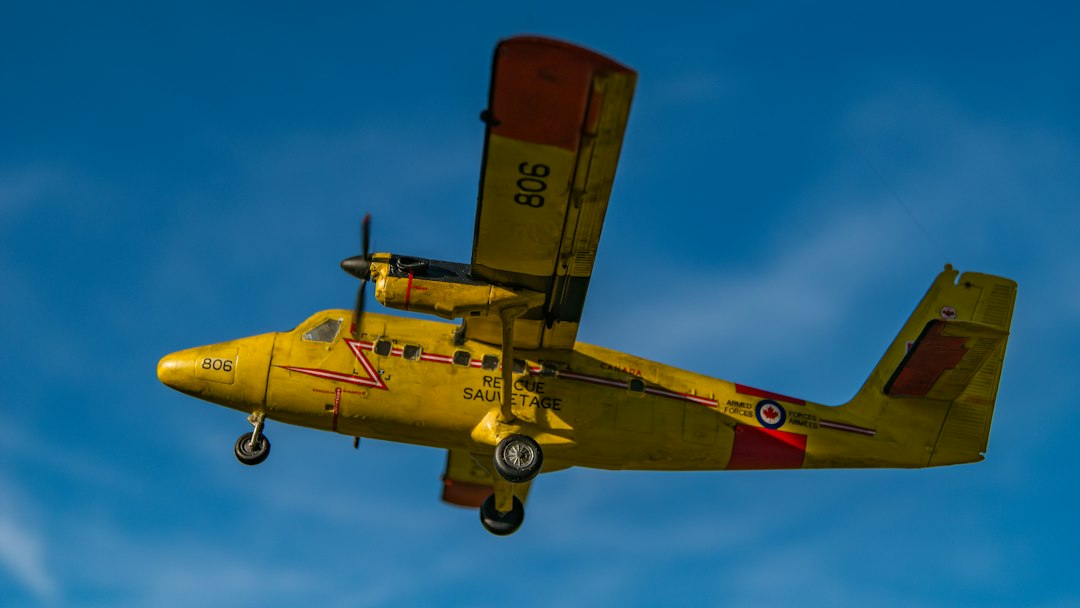
A Legacy in the Skies: The History of the DHC-6-200 in Laos
If you’ve ever spent time looking at the rugged, mountainous terrain of northern Laos, you know that flying there is less about luxury and more about pure mechanical survival. The DHC-6-200 wasn’t just an airplane to the people who relied on it; it was a lifeline, distinguished by that extended nose compartment that gave operators an extra 13 cubic feet of cargo space. When you’re trying to balance heavy payloads on short, unimproved strips carved into the side of a karst mountain, that extra room matters. Engineers really nailed the design for these environments by refining the avionics cooling and electrical systems, which kept these machines running in the punishing heat and humidity of the Indochinese peninsula long after other aircraft would have quit.
It’s honestly fascinating how they adapted to the geography, especially during the monsoon season when heavier regional jets were grounded for weeks. By fitting these birds with specialized low-pressure tires, pilots could land on soft, rain-soaked laterite soil that would have swallowed a lesser aircraft whole. That high-lift wing design, with its full-span double-slotted flaps, meant they could approach at just 65 knots, a necessity when your landing strip is tucked behind a steep cliff face. Those Pratt & Whitney PT6A-20 engines were just as vital, largely because they were simple enough to be overhauled in remote, makeshift hangars. It was this kind of mechanical pragmatism that kept the fleet flying for decades, often hitting some of the highest utilization rates for this airframe anywhere on the planet.
Think about the sheer ingenuity required to keep these planes in the air long after the manufacturer stopped offering primary support. Technicians in Laos were basically wizards, using localized fabrication techniques to bypass parts shortages and keep the fleet airworthy when they were pushed well past their original fatigue life. You have to respect the way they reinforced the wing struts to handle the brutal, constant vibration of low-altitude flight over the Annamite Range. It’s a bit bittersweet, but watching the retirement of this series marks the end of an era where you didn't need fancy digital automation to move goods and people safely. These aircraft proved that if you build something with enough grit and simplicity, it can become a cornerstone of an entire nation's logistics for half a century.
Technical Specifications: Why the Twin Otter Was a Regional Workhorse
If you really want to understand why the Twin Otter dominated regional skies for sixty years, you have to look past the nostalgia and focus on the sheer mechanical genius of its configuration. Its high-wing setup isn't just for show; it positions the engines well above the ground, which effectively shields the propellers from the rocks and debris you inevitably kick up on unimproved runways. By opting for a fixed landing gear system, the designers skipped the hydraulic complexity and weight penalties of retractable gear, which basically removed the most common failure point for planes operating in remote, unsupported locations. Plus, that lack of a pressurized cabin keeps the maintenance overhead incredibly low, since you aren't fighting with complex door seals or the constant fatigue cycles that come with pressurizing a tube thousands of times a year.
The airframe is a masterclass in short-field performance, largely because those massive, full-span flaps allow for an incredibly low stall speed. You can safely maneuver into runways under 1,000 feet, which is why this plane became the backbone of connectivity in places where geography is usually a barrier to progress. When you add in the reversible-pitch propellers, you get the ability to stop on a dime or even back out of tight parking spots without needing a tug. And let’s talk about the flight controls; instead of relying on fly-by-wire systems that can be a headache to troubleshoot in the middle of nowhere, it uses manual, cable-actuated surfaces. That gives pilots real, direct tactile feedback, which is exactly what you need when you're fighting turbulent mountain air.
Finally, there’s the versatility of the cabin itself, which can swap from a passenger setup to a cargo hauler in less than an hour. That modularity is why you see them doing everything from medical evacuations to hauling supplies for remote outposts, often hitting climb rates of 1,600 feet per minute to clear obstacles right after takeoff. With over 1,000 units built, this isn't just another plane; it’s one of the longest-running production success stories in aviation history. When you combine that kind of structural integrity with the fact that it’s made from corrosion-resistant aluminum alloy, it’s easy to see why these machines are still earning their keep long after their peers have been retired. It’s rare to find a design that balances such brutal durability with this level of operational efficiency, but the Twin Otter honestly makes it look easy.
Navigating Rugged Terrain: The Role of Lao Skyway’s Iconic Fleet
To truly get why Lao Skyway’s fleet became legendary, you have to look past the basic airframe and see the mechanical adaptations that kept them flying where others simply couldn't. One of the most ingenious tweaks involved the PT6A engines, which often used water-methanol injection systems to reclaim power lost to high-density altitude in the tropical heat. Think about the pilot’s perspective: when you're staring down a short strip in a mountain valley, having that extra burst of takeoff power isn't just a luxury, it’s the difference between clearing the terrain and finding yourself in a real jam. They even went so far as to shield the oil cooler intakes with improvised metal mesh screens to stop gravel ingestion, a field fix that became so standard it practically defined the fleet's operational identity.
The structural modifications were just as hands-on, showing a level of grit you don't see in modern, software-heavy cockpits. Because the mountainous geography is so rich in iron, standard gyroscopic instruments would constantly drift, leading pilots to rely on specialized, liquid-filled magnetic compasses to keep their bearings. The airframe itself was a beast, featuring a thicker aluminum skin designed to shrug off the constant barrage of loose gravel kicked up from primitive, unpaved runways. Even the electrical systems were rewired to ensure the navigation and comms radios stayed alive, even when secondary systems dipped under the pressure of the environment.
When you see how they handled the monsoon season, you realize how much work went on behind the scenes, like applying anti-fungal coatings to the cabin interiors just to stop the humidity from eating the insulation. Maintenance crews also kept a close eye on the rear fuselage door hinges, which were the first parts to wear out from the constant, bone-shaking vibrations of flying low through turbulent mountain corridors. Even the way they loaded cargo mattered, as pilots adjusted the manual elevator trim tabs to handle a consistently forward-heavy load for better pitch authority during those tight, steep-angle landings. It’s these small, gritty, and deeply practical choices that allowed the DHC-6-200 to outlast its peers and serve as the backbone of Lao aviation for so long.
The Final Flight: Marking the End of an Aviation Era
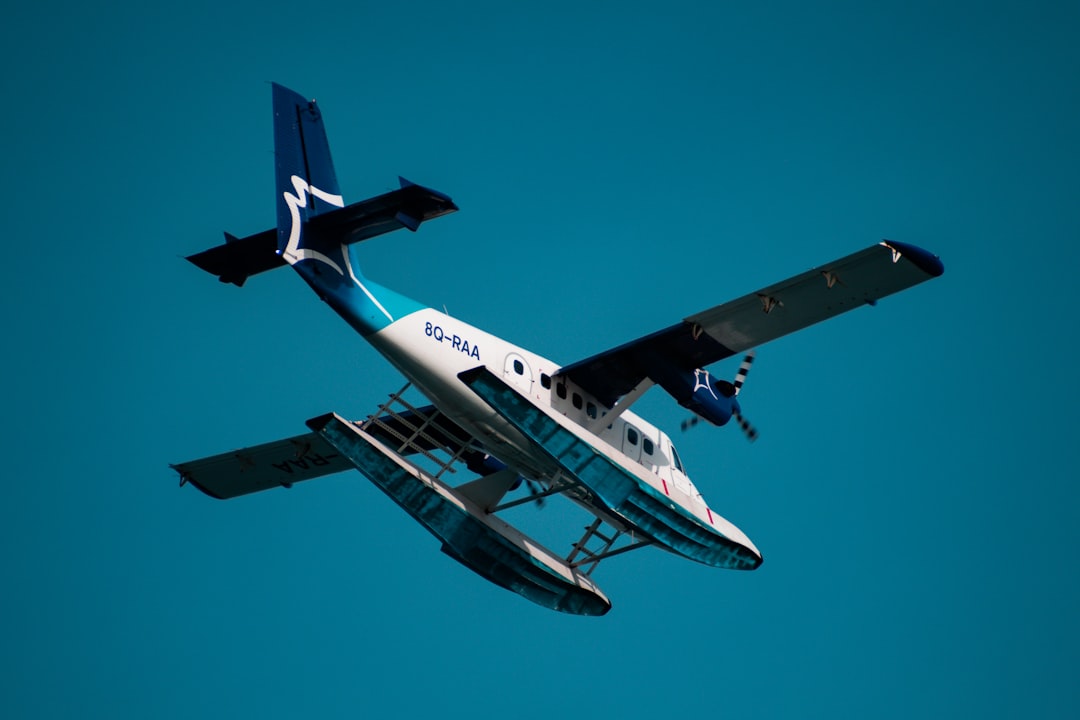
There’s a specific, heavy kind of silence that falls over a hangar when an aircraft that has defined a region’s history for decades finally shuts down its engines for the last time. Watching the retirement of the DHC-6-200, I can’t help but reflect on what we’re actually losing here; it isn’t just an old airframe, but a tangible connection to an era of aviation where raw mechanical feedback mattered more than any digital interface. You’ve likely noticed how modern aviation is shifting toward sanitized, automated efficiency, yet these machines occupied a completely different space. They were designed with a 3-degree wing incidence to hunt for lift in narrow valleys and built to withstand a 3.0g load factor when the Annamite Range decided to get turbulent. It’s rare to find gear that feels this honest, where you can feel the air through the push-pull rod controls rather than waiting for a computer to interpret your inputs.
If you’ve spent any time digging into the specs, you know the PT6A-20 engines were the heartbeat of this operation, pushing out 579 shaft horsepower with a simplicity that made field repairs actually possible. It’s honestly impressive how those 28-volt DC systems and zinc-chromate treated skins managed to fight off the relentless tropical humidity that typically eats through modern aircraft in months. I’ve often thought about the pilots who flew these; they weren’t just managing flight paths, but navigating 600-foot-per-minute sink rates onto unpaved, uneven laterite that would have left a modern jet in pieces. That landing gear wasn't just a part of the plane, it was a fundamental necessity for survival in the highlands. It makes me wonder if we’ve traded away too much of that operational resilience in our pursuit of the next generation of regional connectivity.
But here is what I think really sticks with you: it’s the sheer ingenuity of the people who kept these birds flying long after their original 30,000-hour service life had passed. When you look at how they swapped cargo configurations in under an hour or used those massive full-span flaps to drop into fields that barely cleared 800 feet, you realize you’re looking at a level of versatility that is becoming a lost art. We’re moving toward a world of standardized, high-maintenance aircraft that demand pristine runways and climate-controlled hangars, leaving behind the grit that allowed this fleet to become a national lifeline. It’s a bittersweet transition, but it’s worth pausing to appreciate the mechanical genius that kept these planes in the air when the odds were stacked against them. I’m not sure we’ll see another design that balances such brutal, utilitarian performance with this kind of longevity anytime soon.
Modernizing the Fleet: What Comes Next for Lao Skyway
Looking at the shift toward the Cessna 208B Grand Caravan EX, it is clear that we are witnessing a move toward far greater operational efficiency. By switching to a single-engine configuration, the carrier is cutting fuel consumption per seat mile by roughly 30 percent, which is a massive jump in terms of economics for regional routes. But beyond the bottom line, the move to a Garmin G1000 NXi flight deck is the real game-changer for safety. Having real-time terrain avoidance mapping and synthetic vision finally allows pilots to effectively see through the thickest monsoon cloud cover, which honestly takes much of the guesswork out of flying through those jagged northern karst peaks.
The engineering side of this upgrade is just as impressive when you consider how they are fighting the local environment. By incorporating advanced composite materials into the flight control surfaces, the airline is finally getting a leg up on the aggressive corrosion that plagued the older metal airframes in the humid Mekong basin. Maintenance is also becoming a lot more predictable, moving from those constant, reactive field overhauls to a streamlined, hourly-based engine trend monitoring program. It is a huge relief for the crew to move toward digital diagnostics that catch small mechanical hiccups before they turn into something that keeps a plane grounded.
When you look at the cabin, the high-density layout manages to squeeze in two extra seats without sacrificing the payload capacity needed for those tight, short-field departures. Plus, those updated LED lighting systems are a smart, practical touch, as they drastically lower the electrical load on the batteries during those chilly, high-demand morning starts in the mountains. I am particularly interested in the new satellite tracking systems, which finally give the ops team a constant data link even when planes are tucked deep in valleys that used to be complete radio dead zones. It’s a total shift in how they manage their flights, and honestly, the improved climb gradient of over 1,200 feet per minute gives me a lot more confidence in their ability to clear terrain safely.
Of course, all this new tech requires a serious mindset shift, which is why the transition includes an intensive retraining program for the pilots. They are moving from the old-school feel of the DHC-6 to managing single-engine energy dynamics, which is a different beast entirely when you're looking for an emergency landing spot in such unforgiving terrain. It’s definitely a more modern, data-driven era for the airline, and while I’ll miss the raw, mechanical character of the old fleet, these upgrades are clearly designed to keep the network sustainable for a long time to come. It’s a smart, necessary evolution that prioritizes stability in one of the toughest flying environments on the planet.
Preserving Aviation Heritage: The Legacy of the DHC-6-200 in Southeast Asia
When we look at the legacy of the DHC-6-200 in Southeast Asia, we aren't just talking about a plane; we are looking at a masterclass in mechanical adaptation that arguably defied the laws of original design. Think about the sheer technical hurdles involved in operating in Laos, where engineers had to reinforce the wing spars with 7075-T6 aluminum alloy just to survive the constant, high-impact stress of landing on unrefined, uneven dirt strips. It’s wild to consider that while the manufacturer initially estimated a structural fatigue life of 30,000 hours, these airframes were pushed well beyond 45,000 hours through constant, ingenious field maintenance. You have to appreciate how they handled the local environment, like shielding the cockpit instruments from the intense magnetic interference of karst mountain minerals or using custom-fabricated baffles to stop laterite dust from shredding the engine compressor blades.
The level of grit required to keep these machines airworthy in a tropical climate was, quite frankly, extraordinary. I’m thinking specifically about how they managed the electrical systems, wrapping harnesses in aerospace-grade Teflon tape to stop the local fungi from literally eating the insulation. They even developed a thermal-compensation protocol for the manual control cables, ensuring the plane didn't handle differently when shifting from the blistering heat of a valley floor to the freezing air of a mountain pass. It’s that kind of detail—the dry-film lubricants on the flap tracks to prevent red clay from seizing the drives—that really defined the operational identity of the -200 series. When you hear about these planes, it’s easy to focus on the nostalgia, but the reality was a constant, grueling battle against the elements that required true engineering wizardry.
If you really want to understand the plane's capabilities, look at how the tail section was balanced for tighter ground turns, which was a absolute necessity when you’re maneuvering on the edge of a cliff-side landing strip. Pilots developed their own survival techniques too, like the pitch-up drag-reduction method that let them hold control at a crawl of 60 knots through brutal wind shears. Even the cabin floor wasn't spared, getting reinforced with titanium cross-bracing so it could haul heavy, jagged mining equipment that would have punched a hole through any other light aircraft. It makes me wonder if we’ve lost something essential in our modern reliance on "perfect" environments for our fleets. These planes didn't need a pristine runway to be useful; they just needed a pilot, some grit, and a bit of mechanical ingenuity to stay in the air.
Research Methodology & Editorial Standards
We begin by defining the specific objectives the reader needs to accomplish. Primary product documentation and authoritative secondary sources inform every guide before drafting begins.
Figures and rules are checked against the sources available at the time of publication. Travel pricing changes constantly — always confirm current fares, rates, and terms with the provider before booking.