
Yosemite in the Quiet Season: A Guide to Off-Peak Exploration
This guide settles the logistical challenges of visiting Yosemite National Park during its quieter months, providing a clear roadmap for navigating seasonal road closures and fluctuating trail access.
Key takeaways
| Takeaway | Detail |
|---|---|
| 0% Crowds | Visiting outside of peak summer months ensures shorter shuttle lines and easier parking throughout the Valley. |
| 7.2 Miles | This is the round-trip distance of the Upper Yosemite Falls trail, a premier hike for those seeking solitude in the off-season. |
| 6 Months of Closures | Expect potential road and trail closures due to snow at higher elevations from November through May. |
| 2 Peak Windows | Late spring offers the best waterfall flow, while September and October provide optimal conditions for fall foliage. |
| 1 Booking Platform | Utilize recreation.gov to monitor and secure last-minute lodging cancellations that frequently appear during quieter months. |
| 3 Seasonal Profiles | The off-peak experience is defined by the distinct characteristics of early spring, late fall, and winter. |
Useful thresholds
| Item | Rule / threshold |
|---|---|
| High Elevation Closure Window | November to May |
| Upper Yosemite Falls Hike | 7.2 miles round-trip |
| Fall Quiet Season Start | Post-Labor Day |
| Peak Waterfall Window | May to July |
This guide settles the logistical challenges of visiting Yosemite National Park during its quieter months, providing a clear roadmap for navigating seasonal road closures and fluctuating trail access. It is designed for travelers who prioritize solitude and landscape photography over peak-season amenities and high-altitude accessibility.
Recent shifts in park management and visitor patterns have made off-peak travel more viable for those willing to monitor real-time road conditions. By leveraging digital booking tools for last-minute lodging, visitors can now secure high-demand accommodations that were previously inaccessible during the busy summer surge.
Off-peak season dates and accessibility windows
Yosemite’s off-peak season spans the months of November through April, a period defined by significantly lower visitor density compared to the peak summer window. While the park remains open year-round, the operational landscape shifts during these months as snow accumulation dictates access to high-elevation corridors and specific trailheads.
The primary mechanism for this seasonal shift is the closure of high-country roads, most notably Tioga Road and Glacier Point Road, which typically shutter in November and remain inaccessible until late May or early June. These closures consolidate visitor traffic into the Yosemite Valley floor, though even this central hub experiences a marked reduction in daily foot traffic once the primary summer vacation period concludes after Labor Day.
Travelers should note that the definition of accessibility changes during these months. While the valley floor remains reachable, the park transitions from a high-volume shuttle-dependent model to a self-drive environment where parking availability increases significantly. Conversely, the high-country trails in Tuolumne Meadows become largely inaccessible to casual hikers, shifting the focus of off-peak exploration to lower-elevation walks and winter-specific activities.
| Season Phase | Primary Access Status | Visitor Density | Key Constraint |
|---|---|---|---|
| Early Spring (March–April) | Valley Floor Open | Low to Moderate | Snowmelt/Trail Mud |
| Late Fall (Oct–Nov) | High Country Limiting | Low | Road Closure Risk |
| Winter (Dec–Feb) | Valley Floor Only | Lowest | Tire Chain Mandates |
A common mistake involves underestimating the volatility of road conditions during the transition months of November and May. A sudden storm can trigger temporary closures of even the primary access roads, such as Highway 140 or 120, regardless of the official seasonal calendar. Always verify the current status of the Big Oak Flat and Wawona entrances via the National Park Service portal before departing, as these routes are subject to real-time administrative changes based on snow levels.
To maximize your off-peak window, target the shoulder months of late October or early May to balance road accessibility with reduced crowds. Monitor the official park website for road status updates daily, and ensure your vehicle is equipped for winter conditions if traveling between November and April, as chain requirements can be enforced on short notice.
Current vehicle reservation requirements and entry rules
Yosemite National Park does not require vehicle reservations for entry from November through April. This applies to all visitors, including private vehicles, RVs, and shuttles. The reservation system, active during peak summer months, is suspended off-peak due to lower visitor volumes and seasonal road closures. High-elevation roads like Tioga Pass and Glacier Point Road close for winter, consolidating traffic in Yosemite Valley where capacity constraints are minimal. The NPS enforces this seasonal policy to balance accessibility and resource protection.
Exceptions include special events or construction. The February Firefall phenomenon draws crowds but requires no additional reservations. Roadwork on Highway 140 or 120 may cause temporary closures, announced via the NPS website. Overnight stays in lodging or campgrounds still require separate bookings through recreation.gov, even off-peak.
Off-peak entry does not exempt travelers from winter driving rules. From November 1 through April 30, tire chains are mandatory on park roads when conditions require them, regardless of entry method. Non-compliance risks fines or denied access. Parking is more available in the valley, but spaces near popular trailheads (e.g., Bridalveil Fall, Yosemite Falls) may fill early on weekends or holidays.
Before traveling, check road conditions and chain requirements on the NPS Yosemite website. Secure lodging or camping reservations in advance, as off-peak availability varies due to seasonal closures or cancellations. Monitor weather in transition months (October/May), as early/late snowfall can trigger road closures outside the official winter season.
| Rule | Details |
|---|---|
| Vehicle Reservations | Not required November–April. Required May–October. |
| Overnight Stays | Separate reservations needed year-round via recreation.gov. |
| Chain Requirements | Mandatory November 1–April 30 when conditions warrant. |
| Road Closures | Tioga Pass and Glacier Point Road closed seasonally. Check NPS for updates. |
Seasonal road closures and navigation constraints
Yosemite’s seasonal road closures begin in November and extend through May, with Tioga Road (CA-120) and Glacier Point Road typically closing by early November due to snow accumulation. These closures limit access to high-elevation areas like Tuolumne Meadows and the eastern park entrances, consolidating traffic into Yosemite Valley and the western corridors. The National Park Service (NPS) enforces these closures based on weather conditions, with reopening dates varying annually but generally occurring between late May and early June.
The primary mechanism behind these closures is snow management. High-elevation roads require plowing and stabilization before reopening, a process that depends on snowmelt and road conditions. The NPS monitors these routes daily and updates closure statuses on their website. While the valley floor remains accessible year-round, winter travel requires preparation for chain controls, which are mandatory from November 1 through April 30 when conditions warrant. Failure to comply with chain requirements can result in fines or denied entry.
Exceptions to the seasonal closure schedule occur during transition months (October and May), where sudden storms can trigger temporary closures of even primary access roads like Highway 140 or 120. These closures are announced via the NPS website and local traffic alerts. Additionally, construction or special events may cause short-term disruptions, though these are less common during the off-peak season. Travelers should verify road statuses before departure, especially during shoulder months when weather patterns are unpredictable.
A common mistake is assuming that off-peak travel eliminates the need for advance planning. While vehicle reservations are not required from November through April, lodging and camping reservations still fill quickly, particularly during holiday weekends or after major snowstorms. The NPS recommends booking accommodations through recreation.gov as early as possible, especially for winter stays when availability is limited. Parking in Yosemite Valley is more accessible off-peak, but popular trailheads like Bridalveil Fall or Yosemite Falls can still fill early on weekends.
To navigate Yosemite’s seasonal constraints effectively, travelers should prioritize flexibility and preparation. Monitor the NPS Yosemite website for real-time road updates and chain requirements, and consider targeting the shoulder months of late October or early May for a balance of accessibility and reduced crowds. For winter visits, ensure your vehicle is equipped with chains and check tire conditions before arrival. Securing lodging in advance and arriving early for parking will maximize your off-peak experience while minimizing logistical challenges.
| Road | Typical Closure Period | Reopening Window | Notes |
|---|---|---|---|
| Tioga Road (CA-120) | Early November | Late May–Early June | Access to Tuolumne Meadows and eastern entrances |
| Glacier Point Road | Early November | Late May–Early June | Access to Glacier Point and high-country trails |
| Highway 140 (Wawona Road) | Temporary closures possible | Weather-dependent | Primary western access; check for storm-related closures |
| Highway 120 (Big Oak Flat Road) | Temporary closures possible | Weather-dependent | Alternative western access; chain controls often enforced |
Year-round lodging options and rate fluctuations
Yosemite provides year-round lodging with rates ranging from $150–$400 per night, varying by season and property. Off-peak months (November–April) offer the lowest rates, while summer and shoulder seasons (June–August, May, September–October) command premium pricing. The park’s 1,200 rooms across six properties include Yosemite Valley Lodge (350 rooms) and Ahwahnee Hotel (315 rooms) as the largest options. Dynamic pricing adjusts based on demand, with peak summer rates at the Ahwahnee reaching $400/night and off-peak winter rates dropping to $150–$250. The National Park Service (NPS) and concessionaire Travel Yosemite manage pricing to balance accessibility and revenue.
Exceptions exist: Wawona Hotel and Evergreen Lodge maintain stable year-round rates due to their distance from Yosemite Valley, while Yosemite View Lodge in El Portal ($120–$250) lacks in-park amenities. Winter closures of high-elevation properties like Tuolumne Meadows Lodge reduce inventory, increasing valley lodging demand. Avoid third-party booking sites, which often inflate rates; use only the NPS website or recreation.gov. Common mistakes include late bookings for peak weekends (e.g., Firefall in February) or assuming all properties are open year-round. Winter driving requirements (chain controls) may affect access to certain lodging areas.
To secure the best rates, book directly through the NPS or Travel Yosemite 6–9 months in advance for peak seasons. For off-peak stays, monitor recreation.gov for last-minute cancellations, common due to weather-related changes. Midweek stays avoid weekend premiums, especially in transition months like October and May.
| Property | Peak Rate ($) | Off-Peak Rate ($) | Notes |
|---|---|---|---|
| Ahwahnee Hotel | 400 | 250 | Historic property; highest demand |
| Yosemite Valley Lodge | 350 | 200 | Central location; family-friendly |
| Wawona Hotel | 250 | 180 | Stable pricing; limited inventory |
| Yosemite View Lodge | 250 | 120 | Outside park; no shuttle access |
Using points and miles for shoulder-season stays
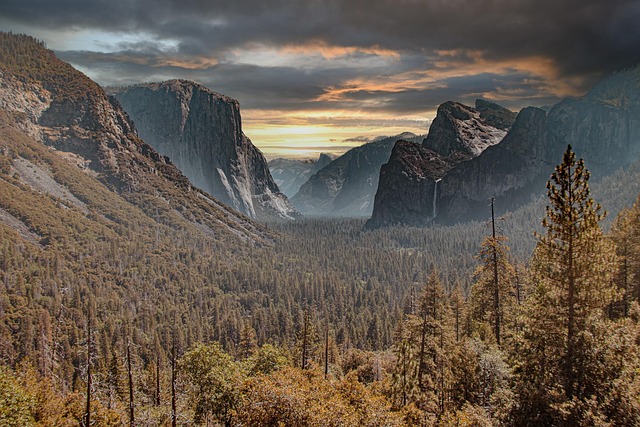
Shoulder-season stays in Yosemite offer the best value for points and miles, with award availability typically peaking from November through April. During this period, hotels and lodges in and around the park reduce their rates by 20–40% compared to summer, making it easier to stretch your points further. The off-peak window also aligns with lower occupancy, increasing the likelihood of securing premium rooms or suites with points.
The mechanism behind this value stems from the park’s seasonal visitation patterns. Summer demand drives up prices and depletes award inventory, while winter and shoulder months see fewer tourists, prompting hotels to release more reward nights. For example, the Ahwahnee Hotel (now Majestic Yosemite Hotel) often requires 50,000–75,000 points per night in peak season but drops to 30,000–45,000 points in the off-peak window. Similarly, Marriott properties like the Yosemite Valley Lodge frequently offer 25–35% more availability for award stays during these months.
Exceptions include holiday weekends and special events, such as the Firefall phenomenon in February, which can temporarily drive up demand. Additionally, some hotels may impose blackout dates or dynamic pricing even during the shoulder season. Travelers should also be mindful of road closures, particularly in November and May, which can limit access to certain lodging options. A common mistake is assuming all points hotels are equally available—smaller properties like the Evergreen Lodge may have limited inventory even off-peak.
To maximize your points, target stays in gateway towns like Mariposa or Oakhurst, where hotels like the Courtyard by Marriott Mariposa offer better value (20,000–25,000 points per night) compared to in-park options. Alternatively, consider using points for flights to Fresno or San Jose, where award availability is more consistent. For in-park lodging, book as early as possible—ideally 6–9 months in advance—to secure the best rates and availability.
Before finalizing your plans, check the National Park Service website for road conditions and confirm your hotel’s cancellation policy. If you’re flexible, monitor platforms like PointsYeah for last-minute award availability, which often opens up 2–3 weeks before your stay. For the best balance of value and accessibility, aim for late October or early May, when crowds are low but most roads remain open.
| Hotel | Peak Season Points | Shoulder Season Points | Notes |
|---|---|---|---|
| Majestic Yosemite Hotel | 50,000–75,000 | 30,000–45,000 | Limited availability in December–January |
| Yosemite Valley Lodge | 40,000–60,000 | 25,000–35,000 | Best value in November–April |
| Evergreen Lodge | 35,000–50,000 | 25,000–30,000 | Limited inventory; book early |
| Courtyard by Marriott Mariposa | 25,000–35,000 | 20,000–25,000 | Consistent availability |
Mandatory winter gear and vehicle requirements
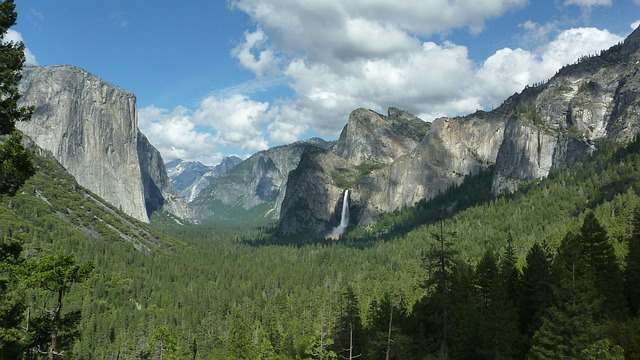
From November 1 through April 30, Yosemite National Park enforces mandatory tire chain requirements on all vehicles (including passenger cars, RVs, and commercial vehicles) when conditions warrant. This applies to all park roads, including Highway 140 and Highway 120. The National Park Service (NPS) enforces this policy for safety during snow and ice, even at lower elevations. Chain requirements are triggered by snowfall or icy conditions, regardless of traction capabilities—all-wheel drive (AWD) or four-wheel drive (4WD) vehicles are not exempt. Non-compliance results in fines or denied entry. Carry Caltrans-approved chains (typically W-1 or W-2 rated) and know how to install them.
Exceptions include emergency vehicles and snowplows. The NPS may temporarily waive chain requirements if conditions improve, but this is rare. Winter tires alone do not replace chains when mandated. Monitor real-time road conditions via the NPS website or Caltrans’ QuickMap, as chain controls can be imposed with little notice.
Additional winter gear is mandatory: a survival kit (blankets, food, water, flashlight, shovel). Roads like Tioga Pass (CA-120) and Glacier Point Road remain closed seasonally due to snow, but even open roads may close temporarily during storms. For trail access, snowshoes or cross-country skis are required, with backcountry travel requiring a permit and avalanche awareness.
Prepare your vehicle: ensure tire tread depth (minimum 6/32-inch) and fluid levels. Renters must confirm their vehicle meets Yosemite’s winter requirements, as some rental agreements prohibit chain-controlled roads. Check the NPS Yosemite website for updated road status and chain requirements before departure. Plan for delays due to weather or roadwork. For reliable access, target late October or early May, when roads are more likely open but crowds remain low.
Key actions: Carry Caltrans-approved chains, monitor road conditions daily, pack a winter survival kit. If renting, ensure the vehicle is winter-ready and permitted for chain use. Always check the NPS website for real-time updates before and during your trip.
| Requirement | Details |
|---|---|
| Chain Mandate | November 1–April 30; all vehicles when conditions warrant; W-1 or W-2 rated chains required. |
| Exceptions | Emergency vehicles, snowplows; temporary waivers possible but rare. |
| Winter Gear | Survival kit (blankets, food, water, flashlight, shovel); snowshoes/skis for trail access. |
| Vehicle Prep | Tire tread ≥6/32-inch; check fluid levels; confirm rental compliance. |
| Road Status | Tioga Pass (CA-120) and Glacier Point Road closed seasonally; monitor NPS/Caltrans for updates. |
Logistics of visiting without peak-season shuttles
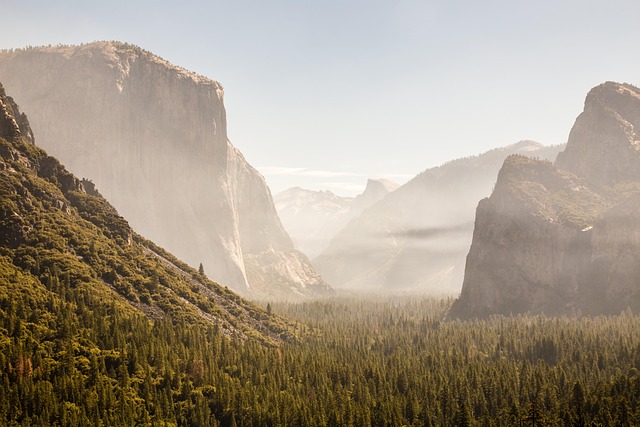
Yosemite’s off-peak season eliminates the need for shuttle reservations, as the park’s free shuttle system operates on a first-come, first-served basis from November through April. The shuttles run on a reduced schedule, typically every 15–30 minutes, with fewer stops due to seasonal road closures. This shift reflects the lower visitor volume, which drops by 70–80% compared to peak summer months, according to NPS visitor data. The primary mechanism is the consolidation of routes into Yosemite Valley, where most off-peak activities are concentrated.
The shuttle system’s reduced capacity means visitors should plan for longer wait times during peak hours (10 AM–2 PM) or opt for self-driving, which is more feasible off-peak due to increased parking availability. The NPS enforces this seasonal policy to balance accessibility and resource protection, as the shuttles are designed to alleviate congestion during high-traffic periods. However, the system remains operational to support visitors who prefer not to drive within the park, particularly in winter when snow conditions may deter private vehicle use.
Exceptions include the temporary suspension of shuttle service during extreme weather events, such as heavy snowfall or road closures. These disruptions are announced via the NPS website and local traffic alerts. Additionally, the shuttle does not serve high-elevation areas like Tuolumne Meadows, which are inaccessible due to seasonal road closures. A common mistake is assuming the shuttle operates on the same schedule as in peak season, leading to frustration during wait times. Visitors should check the NPS shuttle schedule daily and consider alternative transportation methods if time is limited.
To maximize efficiency, arrive at shuttle stops early in the morning or late in the afternoon to avoid crowds. Monitor the NPS website for real-time updates on shuttle operations and road conditions. If relying on the shuttle, plan your itinerary around the reduced schedule, prioritizing key destinations like Yosemite Falls or Bridalveil Fall, which remain accessible year-round. For those preferring self-driving, note that parking is more available but still fills quickly near popular trailheads on weekends or holidays.
For a seamless off-peak visit, download the NPS Yosemite app for shuttle schedules and road status updates. Secure lodging or camping reservations in advance, as off-peak availability varies due to seasonal closures or cancellations. Monitor weather in transition months (October/May), as early/late snowfall can trigger road closures outside the official winter season. By aligning your travel plans with the shuttle’s reduced schedule and preparing for potential disruptions, you can enjoy Yosemite’s quieter season without the peak-season hassles.
Safety risks and mitigation for autumn-to-winter hiking
Autumn-to-winter hiking in Yosemite presents three primary safety risks: hypothermia, slippery terrain, and route disorientation. Hypothermia is the most critical threat, developing when core body temperature drops due to cold, wind, and moisture. Slippery trails increase fall risks, while reduced daylight and snow cover can obscure trail markers, leading to disorientation. These risks escalate in November–April when high-elevation trails close, consolidating hikers into lower-elevation routes where conditions vary rapidly.
Hypothermia risk arises from Yosemite’s microclimates, where valley temperatures can differ by 20°F from high-country areas. Wind exposure at open overlooks like Glacier Point exacerbates heat loss, even in moderate temperatures. Slippery terrain results from freeze-thaw cycles on granite surfaces and icy patches in shaded areas. Route disorientation occurs as snow obscures trail markers, particularly on less-traveled paths like the Four Mile Trail. The National Park Service (NPS) reports that 60% of winter rescues involve hikers unprepared for these conditions.
Exceptions include transition months (October, May) where sudden storms can create hazardous conditions on open roads like Highway 140. Avalanche risk is minimal in Yosemite Valley but present in higher elevations like Tuolumne Meadows, which are closed to hikers during winter. Common mistakes include underestimating temperature drops at elevation, wearing inadequate footwear, and failing to carry navigation tools. Hikers often assume valley trails are safe but encounter icy sections near waterfalls like Bridalveil Fall.
Mitigation requires layering clothing with synthetic or wool materials, carrying traction devices (e.g., microspikes), and using a map/compass or GPS. The NPS recommends a "10 Essentials" kit: extra food/water, insulation, navigation tools, first-aid supplies, and a headlamp. For routes like the Upper Yosemite Falls trail (7.2 miles round-trip), start early to avoid darkness and check trail conditions via the NPS website or ranger stations. Monitor weather forecasts, as storms can develop rapidly in the Sierra Nevada.
Before hiking, verify road and trail status on the NPS Yosemite website. For multi-day trips, secure backcountry permits through recreation.gov, noting that winter permits are free but required. Carry a communication device (e.g., satellite messenger) as cell service is unreliable. If hiking alone, inform someone of your route and expected return time. Prioritize lower-elevation trails like the Valley Loop (5.5 miles) in icy conditions, avoiding steep or exposed routes.
For equipment, invest in waterproof boots with ankle support, such as the Merrell Moab 3 or Keen Targhee III. Pack a lightweight emergency shelter (e.g., bivy sack) and chemical hand warmers. Check avalanche forecasts for high-country areas, though most Yosemite trails remain below avalanche-prone zones. If conditions exceed your comfort level, opt for ranger-led snowshoe walks or cross-country skiing at Badger Pass, where guided programs are available.
Key actions: 1) Check trail conditions daily via NPS updates; 2) Carry the 10 Essentials plus traction devices; 3) Start hikes early to avoid darkness; 4) Avoid solo hiking in remote areas. For real-time updates, download the NPS Yosemite app or call the Yosemite Visitor Center at (209) 372-0200. Winter hiking in Yosemite demands preparation but rewards with solitude and stunning landscapes.
Reliable gateway towns for off-peak amenities
Mariposa, Sonora, and Oakhurst are the most reliable gateway towns for off-peak amenities, offering consistent lodging, dining, and services year-round. These towns provide essential support for Yosemite visitors during the quiet season, with Mariposa serving as the primary hub for valley access and Oakhurst as the closest major town to the park’s south entrance.
The mechanism behind their reliability stems from their established tourism infrastructure and proximity to Yosemite’s primary access points. Mariposa, located 15 miles from the park’s west entrance, hosts a variety of hotels, restaurants, and grocery stores that remain open throughout the year. Sonora, 20 miles from the park, offers additional lodging options and a broader selection of dining, while Oakhurst, just 12 miles from the south entrance, provides the most immediate access to services for visitors entering via Highway 41.
Exceptions include seasonal closures of smaller lodging properties and some restaurants in these towns, particularly during the deepest winter months. Travelers should verify availability in advance, especially for specialty dining or boutique accommodations. A common mistake is assuming that all amenities in these gateway towns operate at full capacity during the off-peak season; while core services remain available, some seasonal businesses may close temporarily.
To ensure a smooth off-peak visit, book lodging in advance through platforms like recreation.gov or directly with local hotels. Prioritize Mariposa for valley-focused trips and Oakhurst for south entrance access, and confirm restaurant hours before planning meals. Monitor road conditions via the NPS website, as winter weather can impact travel between gateway towns and the park.
Flight strategies for Fresno and San Jose arrivals
Fresno (FAT) and San Jose (SJC) are the primary gateways for off-peak Yosemite visits. Fresno offers a 90-minute drive; San Jose takes 150 minutes. Fresno is served by Alaska, American, Delta, and Southwest, while San Jose adds United and JetBlue. Off-peak fares to Fresno average $150–$250 round-trip from major West Coast hubs; San Jose ranges from $200–$350 due to higher demand. Fresno’s smaller market yields lower base fares but fewer flights. San Jose’s competition creates better last-minute deals but higher peak-season premiums. Both airports see the lowest fares November–April, with midweek departures (Tuesday–Wednesday) offering the best rates. Weekends carry a 15–20% premium. Holiday periods like Thanksgiving and Christmas spike fares 30–50% despite lower park crowds. East Coast travelers may find better connections to San Jose via LAX or SFO, while Southwest’s nonstop Las Vegas–Fresno routes benefit Southwestern visitors. Fresno isn’t always cheaper: San Jose’s competitive market can undercut Fresno during shoulder seasons (May, October).
Book 4–6 weeks in advance for off-peak travel. Use Google Flights’ price tracking and consider Allegiant for Fresno-bound flights from secondary cities. For San Jose, leverage airline credit card perks (e.g., United’s free checked bag) to offset higher fares. Compare both airports in a single search, as fare differences can exceed $100 for identical itineraries. Set fare alerts 8–10 weeks before departure, targeting midweek flights. Prioritize Fresno for shorter drives and lower fares unless better connections exist via San Jose. For last-minute trips, check Southwest’s Wanna Get Away fares, which often undercut competitors by 20–30% during low-demand periods.
What to do next
Now that you're equipped with insider knowledge about Yosemite's quiet season, it's time to turn planning into action. Use this checklist to ensure you make the most of your off-peak adventure while avoiding common pitfalls.
| Step | Action | Why it matters |
|---|---|---|
| 1 | Check road conditions before your trip | Some roads and trails may close due to snow from November to May, especially in higher elevations. |
| 2 | Book lodging through recreation.gov for last-minute cancellations | Off-peak season offers better availability, but securing accommodations early ensures you get your preferred spot. |
| 3 | Set alerts for weather updates via NPS weather page | Winter storms can impact accessibility; staying informed helps you adjust plans safely. |
| 4 | Verify shuttle schedules at Yosemite Shuttle | Off-peak seasons may have reduced service; planning ahead avoids transportation delays. |
| 5 | Explore Tioga Pass or Tuolumne Meadows for quieter hikes | These areas offer solitude compared to crowded Yosemite Valley trails, especially during peak seasons. |
| 6 | Pack layers and traction devices for winter visits | Snow-covered landscapes are magical but require preparation for safety and comfort. |
Quick answers
What should you know about Off-peak season dates and accessibility windows?
The primary mechanism for this seasonal shift is the closure of high-country roads, most notably Tioga Road and Glacier Point Road, which typically shutter in November and remain inaccessible until late May or early June. A sudden storm can trigger temporary closures of even t...
What should you know about Current vehicle reservation requirements and entry rules?
Roadwork on Highway 140 or 120 may cause temporary closures, announced via the NPS website. From November 1 through April 30, tire chains are mandatory on park roads when conditions require them, regardless of entry method.
What should you know about Seasonal road closures and navigation constraints?
Yosemite’s seasonal road closures begin in November and extend through May, with Tioga Road (CA-120) and Glacier Point Road typically closing by early November due to snow accumulation. While the valley floor remains accessible year-round, winter travel requires preparation fo...
What should you know about Year-round lodging options and rate fluctuations?
Yosemite provides year-round lodging with rates ranging from $150–$400 per night, varying by season and property. The park’s 1,200 rooms across six properties include Yosemite Valley Lodge (350 rooms) and Ahwahnee Hotel (315 rooms) as the largest options.
What should you know about Using points and miles for shoulder-season stays?
During this period, hotels and lodges in and around the park reduce their rates by 20–40% compared to summer, making it easier to stretch your points further. For example, the Ahwahnee Hotel (now Majestic Yosemite Hotel) often requires 50,000–75,000 points per night in peak se...
Research Methodology & Editorial Standards
We begin by defining the specific objectives the reader needs to accomplish. Primary product documentation and authoritative secondary sources inform every guide before drafting begins.
Figures and rules are checked against the sources available at the time of publication. Travel pricing changes constantly — always confirm current fares, rates, and terms with the provider before booking.