
How to Capture Stunning Wildlife Photos on Your Next Safari Adventure
If you're heading out on a safari, the gear you pick isn't just about brand loyalty; it’s about balancing physical weight against the harsh realities of the savannah.
Essential Gear: Choosing the Right Cameras and Lenses for Safari
I remember my first time sitting in a dusty Land Cruiser, fumbling to swap lenses while a pride of lions moved through the grass, and honestly, the anxiety of getting dust on my sensor was almost as intense as missing the shot. If you're heading out on a safari, the gear you pick isn't just about brand loyalty; it’s about balancing physical weight against the harsh realities of the savannah. You really need a setup that can handle the fine, alkaline volcanic dust that seems to find its way into every crevice, which is why I always lean toward mirrorless systems with high IP ratings. If you’re debating between a heavy 600mm f/4 prime and a more flexible zoom, remember that weight matters more than you think when you’re hand-holding for hours in a bouncy vehicle. Most people overlook the fact that a monopod is often more practical than a tripod in those tight quarters, and it’ll save your back after a long day of tracking.
When it comes to the technical side, the move toward mirrorless cameras with advanced animal-eye autofocus is a game changer for shooting through dense acacia, where older DSLRs would just get confused and hunt for focus. But here's the trade-off: those mirrorless bodies chew through batteries, so please pack at least three spares if you don't want to go dark right as the sun hits the horizon. You might be tempted by those bridge cameras with insane 3000mm zoom ranges, but I’d caution you against them because those tiny sensors just can't handle the low light of early morning game drives without turning your shots into a grainy mess. If you want crisp results, sticking with a full-frame sensor and using a 1.4x teleconverter on a sharp lens is almost always the smarter move for getting that reach on shy leopards or distant birds.
The most practical piece of advice I can give you is to carry two bodies if you can manage the weight, one with a telephoto and one with a wide-angle, because changing lenses in the field is just an invitation for grit to settle on your sensor. If you have to stick with one camera, keep a professional-grade cleaning kit in your bag at all times, because dust is essentially part of the scenery out there. Remember to turn off your optical image stabilization when you’re using a beanbag or monopod, or the camera will actually fight the support and introduce its own blur. It’s all about working with your gear rather than against it, so don't get caught up in the spec sheets until you’ve really thought about how you’ll actually move and shoot once you're out in the bush.
Mastering Focus: Why the Eyes Are the Key to Your Subject
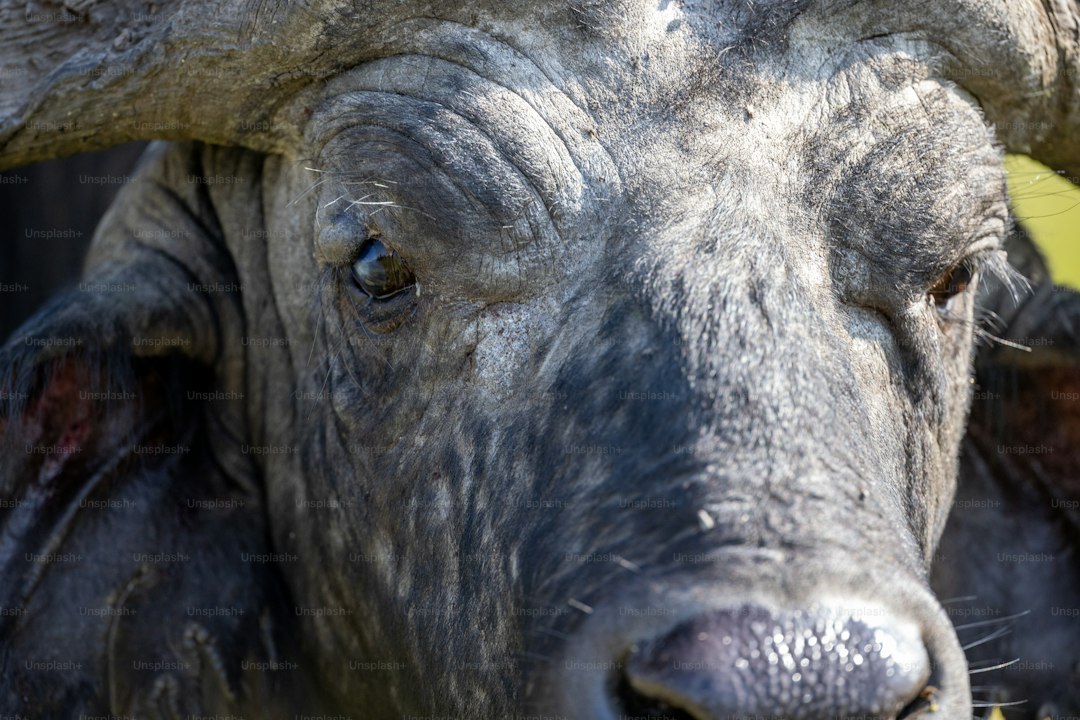
You know that feeling when you look at a portrait and can’t look away because the subject feels like they’re actually seeing you? That isn't magic, it’s biology; our brains are hardwired to scan for eyes the second we see a face. When you're out on a drive, you need to make the eye your absolute anchor point, especially since animal features often lack the high-contrast edges that help autofocus systems lock on. If you miss that mark, the whole image tends to fall apart because the viewer's brain won't find that psychological hook it’s searching for. I really think of this as the difference between a snapshot and a story, and it’s why I spend so much time obsessing over where my focus point lands.
Now, you might be thinking that modern gear handles this automatically, but don't get too comfortable. Even with top-tier eye-tracking, those sensors are looking for the contrast of the cornea, which gets tricky when you're shooting through acacia branches or dealing with dark fur. You might find you need to nudge your exposure compensation up just a touch to give the camera enough data to find that iris. And here is where it gets technical: at long focal lengths, your depth of field is razor-thin, meaning the distance between the near eye and the far eye can be enough to pull one out of focus entirely. You’re forced to make a call on which one matters most, and that choice changes the entire mood of the frame.
Honestly, it’s not just about what looks good; it’s about how our eyes physically move across a photo. We naturally hunt for the sharpest point first, and if that isn't the eye, the viewer feels a subconscious disconnect that’s hard to fix in post-production. Don't feel like you have to stick to that center focus point, either, because moving your points around helps you frame the shot better without relying on cropping later. Keep an eye out for that tiny catchlight—that little spark of reflected sky—because it’s what makes a wild animal look alive rather than just like a statue in the grass. It takes a bit of practice to get the rhythm right, but once you start hitting that focus consistently, you'll see your shots go from blurry misses to images that really grab people.
Finding the Perfect Perspective: Shooting at Eye Level
When I talk to fellow photographers, the one thing we always come back to is how much the physical height of the camera changes the emotional weight of a shot. We’re often conditioned to stand tall and shoot from our own eye level, but out in the bush, that instinct is usually the wrong one. If you’re standing in a vehicle, you’re looking down at a lion or a leopard, which naturally diminishes them and creates a sense of detachment. By forcing yourself to get that lens down—sometimes just inches from the ground—you’re not just changing your height; you’re changing the power dynamic. It’s that shift to being on the same plane as the animal that creates an intimate, face-to-face connection that a high-angle shot just can’t replicate.
Think about it this way: when you align your lens with their eyes, you’re creating an optical bridge that feels immediate and equal. That alignment also does something brilliant for your technical results, especially regarding your background. When you’re low, you’re physically increasing the distance between your subject and the horizon, which helps you isolate the animal against a much cleaner, creamier blur. You’re also clearing out the messy, distracting foreground of dry dirt or short grass that usually ruins a portrait. Plus, that lower perspective lets you use natural elements like blades of grass to frame your subject, adding a sense of depth that makes the photo feel three-dimensional instead of flat.
Honestly, it’s worth the effort of getting a bit dirty or uncomfortable to hit that mark. I’ve found that even a few degrees of tilt can drastically change how large an animal looks, and catching that vital spark of light in their eyes is so much easier when you’re not fighting the angle of the sun. It’s a bit of a trade-off, sure—you’re sacrificing your own mobility and comfort for the sake of the frame—but the payoff is a shot that feels like you were right there in the grass with them. Just remember to watch your horizon line as you adjust; keep it low to open up the frame, and you’ll find that your images carry a much stronger, more immersive story. Trust me, the extra work is what takes your shots from standard travel snaps to something that actually feels like a moment in the wild.
Understanding Lighting: How to Work With the Sun and Shadows
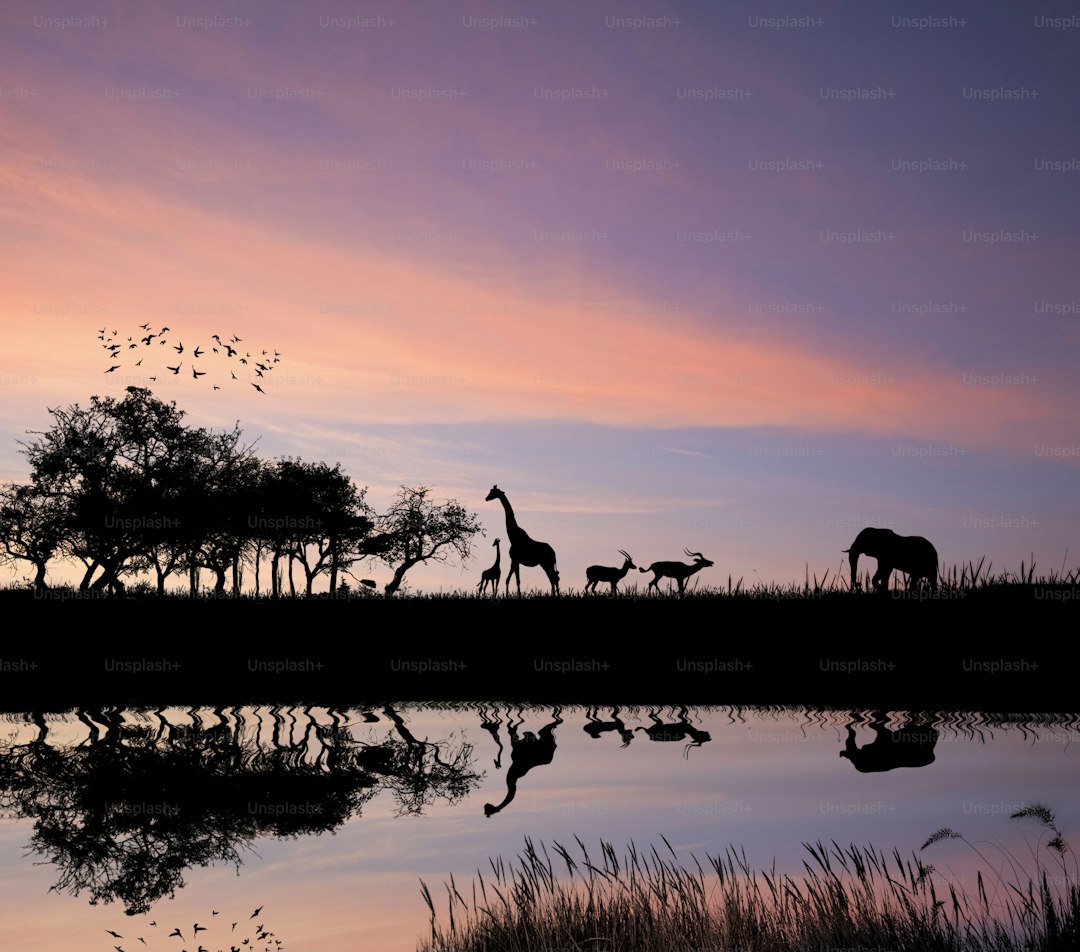
When you’re out in the bush, you’ll quickly realize that light isn’t just a technical variable—it’s the primary storyteller of your image. Most people think of shadows as just areas of darkness, but if you look closer, you’ll see they’re actually filled with reflected ambient light from the ground or nearby vegetation. This is why shadows are rarely pure black; they usually carry cooler, bluer tones because they’re picking up indirect light from the open sky, which creates a beautiful, natural contrast against the warmer sun hitting your subject. Understanding this color shift is the secret to making a portrait feel three-dimensional rather than flat and lifeless.
The sun’s position dictates everything about the mood of your shot, and you can practically map it out with math. When the sun is low on the horizon, those shadows stretch out into long, dramatic shapes that can add a sense of scale and drama, but when it hits its peak at midday, you get those harsh, vertical shadows that tend to bury eyes in deep, dark pockets. I find that the biggest struggle for any photographer is balancing that bright, direct highlight with the detail tucked away in the shade. Your camera sensor has a limited range, so you have to be intentional about where you meter, especially if you don't want the bright parts to blow out while the shadows turn into a muddy, featureless void.
Honestly, the trick is to treat shadows as a compositional element that helps define the form of the animal. If you’re struggling with harsh light, look for ways to use the savannah floor as a natural reflector; that bouncing light can act as a subtle fill, softening the transition between the bright sun and the recessed areas of fur or skin. Just remember that your brain is wired to compensate for these lighting shifts, so what you see with your eyes might not be exactly what your sensor records. Try to predict where the light will fall based on the sun's direction, and you’ll find you can actually use those shadows to guide the viewer’s eye exactly where you want it to go.
Composition Techniques for Capturing Raw Wildlife Beauty
When we talk about capturing raw wildlife beauty, it’s easy to get bogged down in the technical gear, but honestly, the real magic happens in how you arrange the elements within your frame. I’ve found that applying the golden ratio—that classic spiral you see everywhere in nature—is a game changer for portraits; if you tuck the animal’s eye right into that dense center point, you build an instant, subconscious connection. It’s also about giving your subject room to breathe. Always leave more negative space in the direction they’re moving or looking, which signals to the viewer that the animal has a path forward, effectively building a visual story rather than just a static snapshot. Don’t be afraid to break the center-frame habit, as placing your subject slightly off-center creates a natural, dynamic tension that keeps the eye moving across the image.
Think about how you’re using the environment as your studio. I love using a frame-within-a-frame approach, like shooting through a gap in acacia branches or a natural rock arch, because it acts like a spotlight that forces the viewer to focus entirely on the wildlife. You can also lean into juxtaposition by placing a smaller subject against a vast, sweeping landscape, which really emphasizes the scale and untamed reality of the savannah. If the background feels too cluttered, look for ways to simplify it by isolating the animal against a uniform backdrop, like the open sky or a distant, dark grove of trees. It sounds simple, but removing those competing textures is often what separates a messy travel photo from a professional-grade portrait.
And let’s reflect on how you lead the viewer through the scene. Incorporating natural leading lines—maybe a winding river or a fallen log—is a perfect way to guide the eye directly to the animal without it feeling forced. You can also balance your frame by tucking a secondary point of interest, like a distant tree or another herd member, into the opposite corner to give the shot stability without stealing the spotlight. Don't forget that your choice between vertical and horizontal orientation carries weight too; I’ll usually flip to vertical for a giraffe to emphasize its height, while horizontal is my go-to for capturing the expansive, fluid movement of a hunting predator. It’s all about these deliberate, small choices that turn a quick observation into an immersive experience that actually feels like you're standing right there in the wild.
Preparation and Patience: Expert Strategies for Better Wildlife Shots
When we talk about capturing wildlife, it’s easy to focus on the gear, but the real secret to a portfolio-grade shot is often just sitting still while everyone else is racing toward the next sighting. I’ve found that understanding the circadian rhythms of your target species is a total game changer, as predators are most active during those soft, crepuscular hours of dawn and dusk. If you spend your time chasing every radio call on the scanner, you’ll likely end up with nothing more than blurry backsides; instead, try researching the territorial boundaries and movement patterns of a specific animal. By predicting where they’re headed rather than reacting to their presence, you’re not just being efficient—you’re significantly reducing the disturbance your vehicle causes.
It’s funny, but the moment you stop moving, the entire landscape changes. When you maintain a stationary position for hours, you’re basically letting the animals lower their guard until they eventually treat you as just another piece of the furniture. I always tell people to watch for those subtle behavioral cues, like an ear flick or a slight shift in posture, because these are your early warning signals that an animal is about to stand, hunt, or make a move. You also have to be mindful of the wind; since scent is the primary way most mammals detect us, keeping your position downwind is non-negotiable if you want to stay truly unnoticed.
Honestly, patience pays off in ways that go beyond just getting the shot. When you commit to a single subject for a long stretch, you’re much more likely to capture those complex social interactions or hunting sequences that everyone else misses while they’re busy driving to the next spot. Plus, waiting for a moment of stillness allows you to keep your ISO lower, which preserves those fine fur textures that often get destroyed by noise reduction software. Don't forget that heat haze during the midday hours can turn a perfectly focused long-distance shot into a smudge of pixels, so knowing the thermodynamics of the bush helps you realize when to put the camera down and just watch. It’s not about how many miles you cover, but how deeply you can observe the world once you finally sit still.
Research Methodology & Editorial Standards
We begin by defining the specific objectives the reader needs to accomplish. Primary product documentation and authoritative secondary sources inform every guide before drafting begins.
Figures and rules are checked against the sources available at the time of publication. Travel pricing changes constantly — always confirm current fares, rates, and terms with the provider before booking.