
How to Plan the Ultimate Wildlife Adventure for Your Next Vacation
If you’re leaning toward a zoo, look for accreditation from groups like the Association of Zoos and Aquariums, as they enforce strict breeding standards and survival plans that have genuinely saved species like the California condor from extinction.
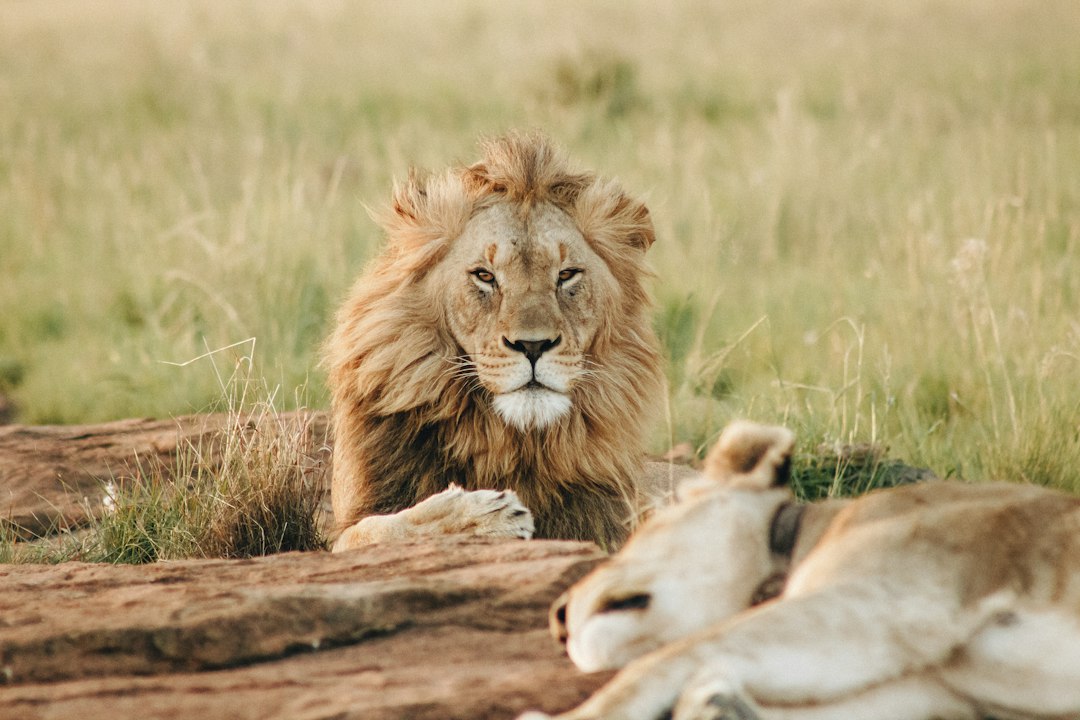
Choosing Your Wildlife Style: Zoos vs. Natural Habitats
When you're mapping out your next trip, the choice between heading to a top-tier zoo or venturing into the wild isn't just about convenience; it’s about what kind of connection you’re actually looking for. Modern conservation has shifted the goalposts, with places like the San Antonio Zoo now blending large-scale ecological restoration into their daily operations, which goes way beyond the traditional viewing experience. You might think a zoo is just a collection of cages, but many institutions have mastered climate-controlled environments that keep species healthy even when the weather outside is brutal. Still, you have to weigh the ethics, as ethology tells us that wild animals spend nearly 70 percent of their time foraging—a natural behavior that is notoriously tough to replicate in even the most advanced captive setting.
If you’re leaning toward a zoo, look for accreditation from groups like the Association of Zoos and Aquariums, as they enforce strict breeding standards and survival plans that have genuinely saved species like the California condor from extinction. These facilities are increasingly acting as research hubs, contributing genomic data that helps us understand biodiversity on a global scale. Think of it as a trade-off: you lose the raw, unpredictable nature of the wild, but you gain educational depth and the security of seeing rare animals that might be impossible to track down in their native ranges. It’s worth checking if the institution is prioritizing animal welfare through cognitive enrichment, which data shows is often a better predictor of health than the size of the enclosure.
But when you decide to head into natural habitats, the game changes entirely and requires a bit more homework on your part. This is where you need to be careful; the most impactful experiences are those that support community-led tourism, where locals are actually incentivized to protect their wildlife rather than exploit it. You’ve got to be an educated visitor here, ensuring your presence doesn't disrupt sensitive breeding or migration cycles. Always verify that a wildlife operator has a strict no-contact policy, as getting too close often spikes stress levels in animals and messes with their social dynamics. It’s really about finding that balance between your own sense of wonder and the absolute need to leave no trace behind.
The World’s Top-Tier Zoos for Observing Lions, Tigers, and Bears
I’ve always found that the real magic in visiting top-tier zoos isn't just about seeing the animals; it’s about watching how these facilities hack their environments to replicate the wild. If you’re hunting for the best spots to see lions, tigers, and bears, you need to look past the gift shop and focus on the engineering behind the enclosures. Take the Bronx Zoo, for example, where they use synthetic scent pheromones to get their Amur tigers patrolling like they would in the deep forest. It’s a fascinating bit of sensory design that keeps the cats sharp. Meanwhile, the Berlin Zoological Garden has built custom rocky terrain into their lion habitats to mimic the African savanna, which is a massive win for preventing joint strain in older big cats.
When we move over to bear conservation, the tech gets even more interesting. I’m particularly impressed by the Smithsonian National Zoo, where they’ve pioneered non-invasive hormonal tracking to monitor reproductive cycles without ever needing to touch the animals. Up in Scandinavia, they’re using artificial current generators in polar bear pools to force the bears to swim against a flow, keeping them active in a way that flat water never could. And if you’ve ever wondered how bears handle seasonal shifts in captivity, the Moscow Zoo is using light-cycle manipulation to mimic arctic photoperiods, which actually triggers their natural hibernation instincts. It’s a level of detail that shows how much we’ve moved past simple display cages.
Efficiency and animal health are clearly the name of the game now, especially with how these places handle the basics of living. At Omaha’s Henry Doorly Zoo, they’ve gone subterranean for their apex predators to keep temperatures perfectly stable, which honestly does wonders for lowering metabolic stress. Then you have the Singapore Zoo, where they’ve figured out that tigers are better off when they have to climb for their food, using vertical feeding stations to work those muscles. Even the way they feed them is evolving; many top facilities have switched to randomized, automated feeding schedules to simulate the frustration and unpredictability of a real hunt. It’s a stark contrast to the old-school zoo model, and frankly, the data backs it up—puzzle feeders have cut down on stress-induced pacing in bears by over forty percent.
Immersive Stays: Rainforest Resorts for Direct Jungle Access
If you’re the type of traveler who wants to wake up to the prehistoric hum of a canopy rather than the sound of a hotel alarm, you already know the difference between visiting a destination and actually living inside its ecosystem. We’re seeing a massive shift in how high-end lodges operate, moving away from traditional construction toward what I’d call "surgical" architecture. Take the new properties on Costa Rica’s Osa Peninsula or the upcoming Mandai Rainforest Resort; they aren't just built on the forest floor anymore. Instead, developers are using modular screw-pile foundations that basically hover above the ground, which means you can remove the entire structure years later without leaving a permanent scar on the topsoil or shifting the local topography. It’s a total departure from the old-school concrete slab approach, and honestly, it’s the only way to build if we want these places to last.
But it’s not just about the foundation; it’s about where you’re physically positioned in the trees. When you stay in these canopy-level rooms, you’re accessing what researchers call the biomass transition zone, a layer of the forest where about 80 percent of all insect and bird species actually spend their time. You aren’t just looking at the jungle; you’re effectively parked in the middle of a massive, living apartment complex. To keep that environment from feeling like an intrusion, designers are using clever tricks like the Venturi effect to cool your room using nothing but natural airflow, cutting out that obnoxious hum of traditional air conditioning that usually kills the vibe of being in nature.
There’s also a real, tangible science to how these newer resorts protect the ground below you. You’ve probably walked on those elevated boardwalks at places like the SCP Corcovado and wondered why they bother—it’s actually to stop soil compaction and keep the subterranean fungal networks healthy, which are the real backbone of the entire forest. Some of these lodges are even doubling as private research stations, using graywater filtration systems built from native plants to ensure the water leaving your bathroom doesn't hurt the surrounding coastal ecosystems. It’s refreshing to see, because when you’re paying for a stay in a place this fragile, you want to know that the resort is actually part of the solution rather than just another source of waste.
And if you’re worried about your presence messing with the locals, consider that many of these properties are now using acoustic zoning to keep human noise far away from nesting grounds, and they’ve swapped out standard windows for non-reflective, bird-safe glass. It’s these small, hyper-specific engineering choices—like using biophilic lighting that mimics the moon to keep pollinators on schedule—that make a stay feel authentic. It turns out that when you minimize your light and sound footprint, you actually see more wildlife, not less. If you’re planning a trip like this, I’d suggest looking for lodges that lean into these technical details, because they’re the ones that prioritize the health of the jungle over just giving you a flashy view.
Timing Your Trip: Identifying Peak Seasons for Animal Activity
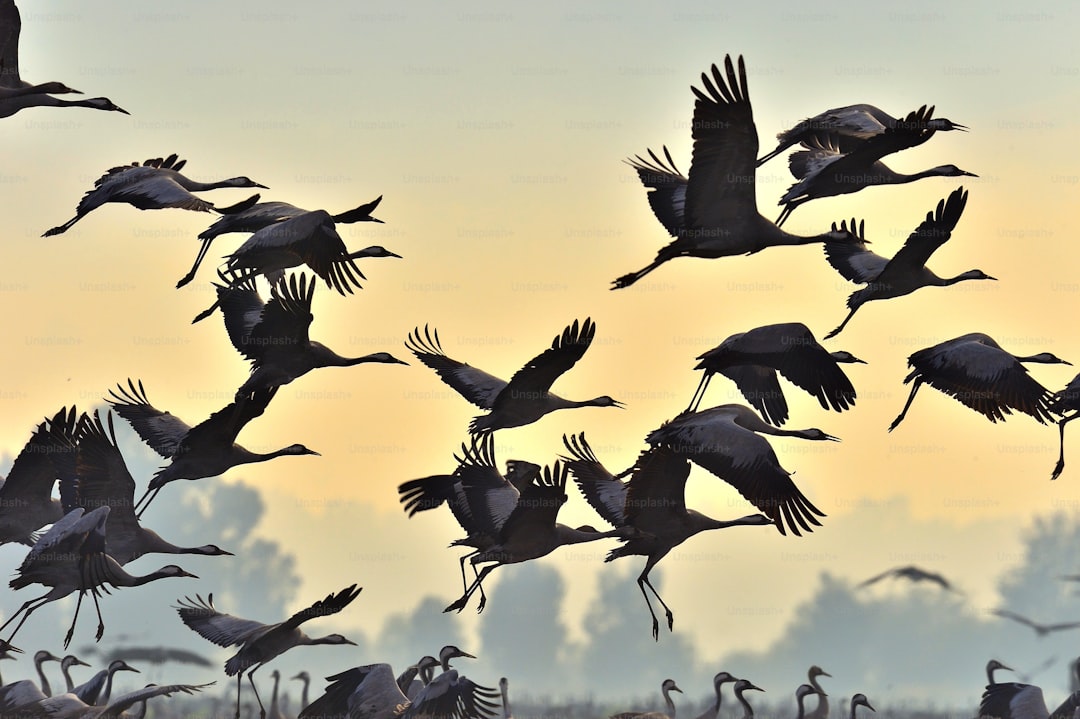
When you’re planning a wildlife trip, the old strategy of picking a date based on a decades-old guidebook is honestly a gamble that rarely pays off these days. We’re seeing significant phenological shifts where climate change is creating a massive mismatch between migration patterns and the food sources animals actually need to survive. It’s not just about the calendar anymore; it’s about understanding that birds are often arriving at breeding grounds earlier than historically recorded, and if you’re relying on traditional windows, you might just show up to empty nests and missed opportunities. You really have to look past the static dates and start paying attention to shifting prey concentrations and localized weather patterns if you want to see anything meaningful.
The reality is that your success often depends on tracking data that most casual travelers completely ignore. Take marine life, for instance, where oceanic thermal stratification is forcing whales to change their routes, making historical peak months increasingly unreliable compared to real-time satellite telemetry. Even terrestrial sightings are evolving, with ungulate herds in savannas now moving based on ephemeral pulses of rainfall and fresh vegetation rather than the rigid seasonal cycles we used to count on. It can be frustrating to realize your favorite spot is becoming less predictable, but it’s a necessary shift if you want to move from just "visiting" to actually catching the action.
If you’re serious about spotting elusive species, you’ll find that the best windows are often tied to hyper-specific environmental triggers rather than broad seasonal blocks. Nocturnal mammals, for example, are heavily influenced by lunar cycles, and you’ll find that planning around a new moon often gives you a much better shot than the standard "best time of year" advice suggests. Similarly, keep an eye on barometric pressure; high-altitude species often ramp up their foraging right before a storm, turning what you might think is a "bad weather day" into your best chance for a high-density sighting. It takes a bit more flexibility and a lot more homework to navigate these changes, but I think you’ll find the payoff is worth every bit of the effort.
Essential Logistics: Planning Travel to Remote Conservation Areas
When you’re planning a trip into truly remote conservation areas, you have to shift your mindset from standard tourism to something more akin to an expedition, because the logistical hurdles are real and rarely forgiving. Let’s be honest, the lack of infrastructure in places like Papua New Guinea isn't just a minor inconvenience; it can add days to your transit time and drive up supply costs by as much as 300 percent, so you really need to account for that in your budget and timeline. You should view these challenges not as barriers, but as filters that protect the most pristine corners of the planet from over-tourism. It’s also worth checking if your destination relies on satellite telemetry for animal tracking rather than outdated ground surveys, as this data is your best bet for pinpointing actual wildlife activity rather than guessing based on old seasonal averages.
And don't overlook the importance of your footprint while you're there, especially regarding technology and waste. You’ll find that many sensitive zones strictly prohibit drones to protect nesting birds, often enforcing multi-kilometer no-fly buffers, so it’s safer to just leave the gear at home. When you're scouting for a place to stay, I’d prioritize lodges that use screw-pile foundations and greywater filtration systems with native plant beds, as these aren't just trendy design choices—they’re essential for keeping the local soil and fungal networks intact. I’ve noticed that the best operators also use biophilic lighting to match lunar cycles, which prevents the mass disorientation of nocturnal pollinators that you’d otherwise get from standard artificial lights.
Finally, think about the physics of the environment you're entering, because the logistics of your stay are tied directly to the health of the ecosystem. It’s smart to audit a lodge’s power source; facilities running on hybrid solar-battery arrays are significantly quieter than diesel-dependent ones, and that reduced noise means you’re far more likely to hear the animals you’ve traveled so far to see. You should also look for non-reflective, bird-safe glass in your windows, as it prevents the avian collisions that are surprisingly common in remote, glass-heavy architecture. Honestly, if you pack a bit of extra patience for the inevitable weather-related delays and respect the sanitation protocols like boot-washing stations, you’ll not only have a more seamless trip but you’ll ensure that you’re actually supporting the conservation efforts you’re there to witness.
Responsible Tourism: How to Support Wildlife Conservation While You Travel
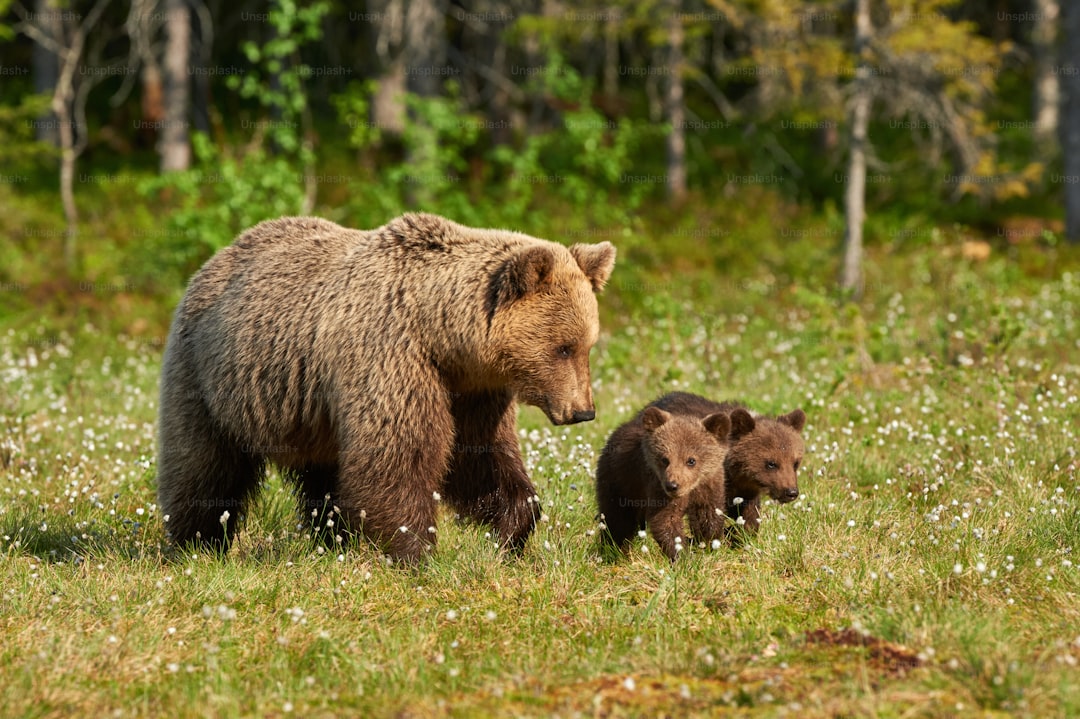
When we talk about responsible tourism, it’s easy to feel like we’re just being told what not to do, but I think it’s more helpful to look at it as a way to sharpen our impact as travelers. You know that moment when you’re standing in a forest and you realize your presence is actually shifting the environment around you? It’s sobering, but it’s also where the real opportunity for connection begins. We’ve seen that simple choices—like choosing electric safari boats over loud, diesel-powered ones—can drop underwater acoustic interference by 40 decibels, effectively opening up communication channels for whales that are usually drowned out by our engines. It’s not just about minimizing noise; it’s about understanding that our very presence ripples through ecosystems in ways we don't always see until it's too late.
If you’re planning to head out, consider the hidden mechanics of your itinerary, starting with how you document the trip. While it’s tempting to grab that close-up shot of a primate, those high-frequency bird calls used by some tours to lure wildlife are literally exhausting the animals, often leading them to neglect their nests for hours just to pose for a camera. Even the gear you bring matters; using red-light filters for night drives is a game-changer because those lower wavelengths don't scramble the circadian rhythms of forest mammals the way standard white light does. And please, think twice before buying souvenirs made from coral or shells, as those structures aren't just pretty decor—they are the literal infrastructure protecting coastal communities from storm surges, and every piece removed weakens that natural defense.
Honestly, the most effective way to support conservation is to shift your mindset from "visiting" to "contributing" to the health of the place. I’ve been looking at how some of the more progressive operators are now funneling tourism fees directly into bio-banking, which preserves genetic material from endangered species to protect them against total extinction. Even the small, seemingly boring stuff—like using those sanitation boot-washes at park entrances—is a massive deal because it keeps the chytrid fungus from wiping out local amphibian populations. When you do your homework and vet an operator based on these specific, technical standards rather than just a glossy brochure, you’re not just taking a vacation anymore. You’re becoming a functional part of an ecosystem's survival strategy, and that’s a much more rewarding way to travel.
Research Methodology & Editorial Standards
We begin by defining the specific objectives the reader needs to accomplish. Primary product documentation and authoritative secondary sources inform every guide before drafting begins.
Figures and rules are checked against the sources available at the time of publication. Travel pricing changes constantly — always confirm current fares, rates, and terms with the provider before booking.