
How to Avoid Major Delays at Europe Borders With the New Entry System
If you've been keeping up with travel news lately, you’ve probably heard whispers about the EU’s new Entry/Exit System, or EES, and wondered what it actually means for your next flight across the pond.

Understanding the EES: What the New Digital Border System Means for Your Trip
If you've been keeping up with travel news lately, you’ve probably heard whispers about the EU’s new Entry/Exit System, or EES, and wondered what it actually means for your next flight across the pond. Let’s be honest, the idea of adding biometric scans to an already stressful airport experience sounds like a recipe for long lines and plenty of frustration. Basically, the EES is a massive digital database designed to track visitors from outside the Schengen Area by logging your passport info, four fingerprints, and a facial scan. Think of it as a permanent digital footprint for your travel history, stored for three years to keep tabs on exactly when you enter and leave.
Here’s the reality of the situation: you only have to do the full, tedious biometric registration the very first time you enter the Schengen zone after the system goes live. After that, the process should get significantly faster because the system will already have your profile, allowing for automated checks that skip the manual hassle. But until that database is fully populated, we’re looking at a transition period where transit times at major air and land hubs might be, frankly, a bit of a mess. It’s not just about speed, though; the system is built to automatically flag anyone who overstays their 90-day limit within a 180-day window, removing the guesswork for border agents.
It’s also worth noting that this isn’t just some random administrative hurdle; it’s a security-first upgrade that syncs across all 29 Schengen countries, meaning one registration covers your movement across the entire territory. Even if you’re arriving by yacht or other maritime transport, you’re still subject to the same protocols, as the system is designed to close gaps in border monitoring. While it’s easy to feel like this is just another layer of bureaucracy, the goal is to standardize security and cut down on document fraud by verifying your identity in real-time against justice databases. My take? Expect some growing pains at the border this year, but once the initial registration phase is over, the promise of a more automated, streamlined entry process might actually hold up.
Why Travelers Should Anticipate Longer Wait Times at European Airports
If you’re planning a trip to Europe anytime soon, you really need to adjust your expectations regarding how much time you’ll spend in airport terminals. Look, I’ve been tracking the data coming out of hubs like Amsterdam Schiphol and London Heathrow, and the reality is that the new border protocols are creating a massive, unavoidable bottleneck that isn't going to vanish overnight. Travelers are now being advised to show up at least three hours before departure, and honestly, that’s not just a suggestion to be safe; it’s a direct response to the cumulative gridlock we’re seeing as these new biometric systems go live. The core issue is that every single traveler has to hit these self-service kiosks, and the physical space required to house them has forced airports into messy, ongoing construction that limits how efficiently we can actually move through the building.
Here’s what I mean by the friction: the system is incredibly sensitive to even minor variables, meaning things like lighting issues, specific glasses, or even a small cut on your finger can trigger a system rejection. When that happens, you’re pulled out of the automated flow for a manual override by border staff, which doesn't just slow you down—it creates a ripple effect that backs up the entire line behind you. Think about it this way: even a one-minute increase in processing time for every single person adds up to an hour-long delay for those of us unlucky enough to be toward the back of the queue. Plus, because every EU country seems to have a slightly different kiosk interface, there’s a persistent "dwell time" where passengers are just standing there, confused, trying to figure out how to navigate a screen that looks nothing like the one they used at their last stop.
It’s also worth noting that your status as a frequent flyer or your fancy, up-to-date biometric passport won't actually save you from this. Because the EES has to sync with secondary justice databases in real-time, any tiny data mismatch—like an older passport photo that doesn’t quite match your current appearance—will force a full manual verification, effectively killing your momentum. We’re seeing a shift where even those dedicated fast-track lanes are getting gummed up because they’re now constrained by the exact same hardware limitations as the standard security checkpoints. It’s an exhausting, unavoidable part of the current travel environment, and frankly, I’d suggest you just bank that extra hour of buffer time now so you aren't sprinting to your gate in a panic.
Proactive Planning: How to Adjust Your Flight Schedule to Avoid Missed Connections
To minimize the risk of missing a connection, you should monitor the inbound status of your arriving aircraft using flight tracking software, as the tail number's history often reveals systemic delays before they are officially communicated. Proactive travelers can utilize flight prediction tools that analyze weather patterns and historical airport performance data to estimate the probability of a delay hours before it occurs. Strategic booking involves prioritizing itineraries where both segments are under the same PNR, as this legally obligates the carrier to rebook you on the next available flight if a border-induced delay causes a missed connection. When selecting transit airports, historical data suggests that mid-sized hubs often exhibit better operational resilience during peak hours than primary mega-hubs experiencing high volumes of biometric processing.
Aligning your flight schedule with interline agreements is essential, as these partnerships allow airlines to book you on a competitor’s flight if your original connection is compromised. If your journey involves multiple legs, booking a connection with at least four hours of buffer time is now the industry-standard recommendation to account for the cumulative variability of EES processing. Frequent flyers should be aware that flight status notifications from airline apps often lag behind real-time operational data, so checking secondary airport authority dashboards can provide a fifteen-minute advantage in rebooking. It is technically advantageous to avoid scheduling final legs on the last flight of the day, as these are the first to be canceled or re-routed when downstream congestion builds up.
When searching for flights, I always prioritize routes that maximize the Minimum Connection Time beyond the carrier’s published requirements, adding an extra 90 minutes as a hedge against unexpected biometric bottlenecks. Monitoring specific airline strike calendars across European hubs is also critical, as regional labor disputes can create cascading schedule failures that override standard timing calculations. Finally, consider that routes involving multiple carriers across different alliances significantly increase the complexity of rebooking, making single-carrier or joint-venture itineraries a much safer choice. You really need to verify the physical terminal layout of your transit hub, too, because moving between satellite terminals can add substantial walking time that becomes critical when your arrival is already running behind schedule.
Navigating Biometric Registration: What to Expect During the New Border Process
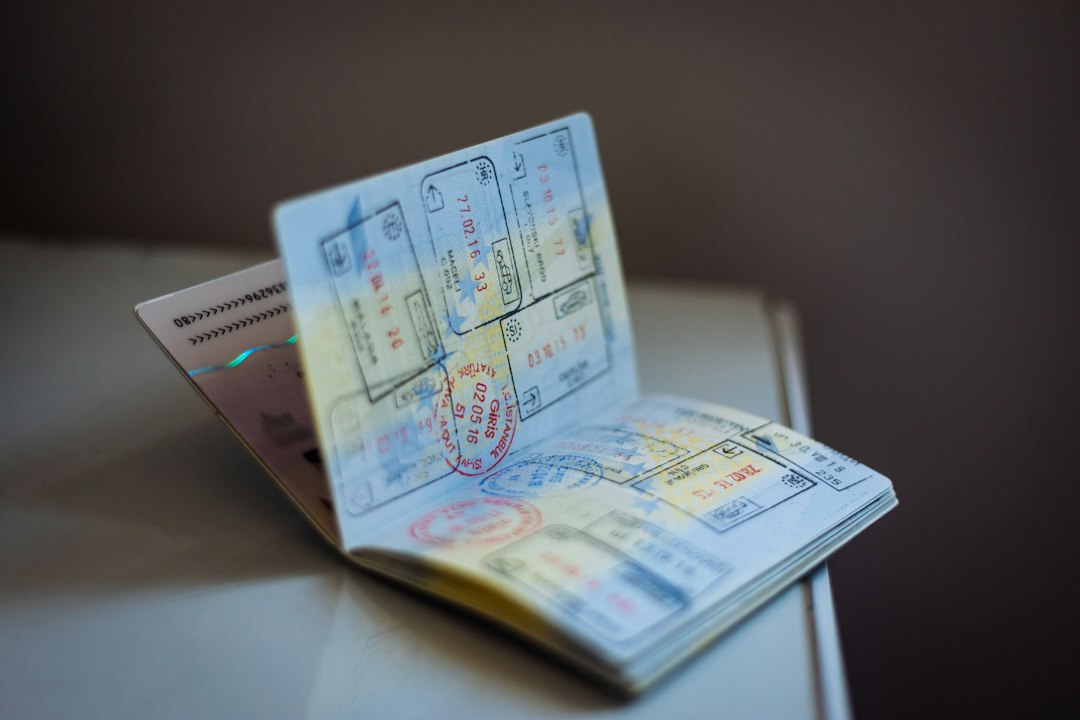
Let's be real for a second: the transition to these new biometric border checks feels less like a seamless security upgrade and more like a massive, high-tech hurdle we all have to jump through. When you first step up to those kiosks, the machine is capturing high-resolution facial geometry designed to recognize you even if you’ve fluctuated in weight or age since your last passport photo. The fingerprint sensors are actually pretty sophisticated, too, using multispectral imaging to read through typical skin oils or lotions that used to trip up older hardware. It’s a lot of data to process, but keep in mind that the system is essentially running a cross-check against international justice databases the millisecond your passport hits the scanner.
If you’re wondering about the actual mechanics of the scan, it’s worth knowing that the kiosks use motorized cameras that automatically adjust to your height to get a perfect match against strict quality standards. They’re even built to detect "presentation attacks," which is just a fancy way of saying the software is trained to spot if someone is trying to cheat the facial recognition with masks or digital displays. If you happen to wear contact lenses that change your iris color, you might find yourself pulled for a manual review because the system relies heavily on those unique patterns as a primary identifier. For anyone with physical impairments that make a full four-finger print scan difficult, the software is luckily calibrated to handle those exceptions without forcing a total system freeze.
Honestly, the biggest headache for most of us is going to be the environmental factors, like when the humidity in a crowded terminal causes the kiosk lenses to fog up during the summer rush. That’s when you see those processing errors spike, and it’s why some airports are already pushing for pre-registration portals where you can upload your compliant photo before you even leave home. It’s not a perfect fix, but it’s a smart way to shave a few minutes off your time at the gate. Just remember that no matter how much you plan, your first trip through these new gates is essentially a calibration exercise for your digital profile, so pack some extra patience along with your carry-on.
Strategic Packing and Documentation: Essential Preparation to Speed Up Your Clearance
Let’s talk about your physical prep because, honestly, the small details you handle before reaching the gate often dictate whether you sail through the EES or get stuck in a manual verification loop. I’ve noticed that keeping a physical copy of your hotel booking confirmation right in the same folder as your passport can save you a massive headache, as agents frequently cross-reference those addresses against your arrival declarations. You should really avoid stuffing RFID-blocking sleeves or metallic items in the same pocket as your passport; they can cause enough interference to make the kiosk misread your document chip, which almost always triggers a frustrating manual override. Also, try to keep your passport flat in your bag rather than curved inside a tight wallet, as that simple change helps the scanning hardware read the data page on the first attempt without needing a re-scan.
Think about your outfit, too, because even the clothes you choose can accidentally mess with the camera’s math. High-collar shirts or scarves often cast shadows or obscure your jawline, which can confuse the facial geometry mapping sensors, so it’s usually better to go for a cleaner look when you’re approaching the terminal. If you’re dealing with dry skin on your fingertips, a tiny bit of non-greasy moisturizer can actually help the multispectral scanners pick up your prints more effectively by restoring natural impedance. I also make it a point to carry a printed list of my itinerary, including entry and exit points, because if the system hits a hiccup, being able to hand over that data immediately prevents the agent from having to hunt for it or type it in manually while the line behind you grows.
Finally, just be mindful of how you approach the machine itself, as these sensors are incredibly sensitive to ambient lighting. Positioning yourself dead-center under that infrared light source allows the camera to lock in your facial baseline much faster than if you’re leaning in from an angle. Even though the system is digital, keep a sharp eye on your passport pages to ensure you still have a clean, stampable area, as you don't want to get flagged for an administrative issue during a spot check. It’s all about removing the friction points before they happen, and while it feels like a bit of extra effort upfront, it’s honestly the best way to keep your travel momentum going when the rest of the terminal is stuck in a queue.
Expert Tips for Mitigating Stress During Peak Border Control Hours
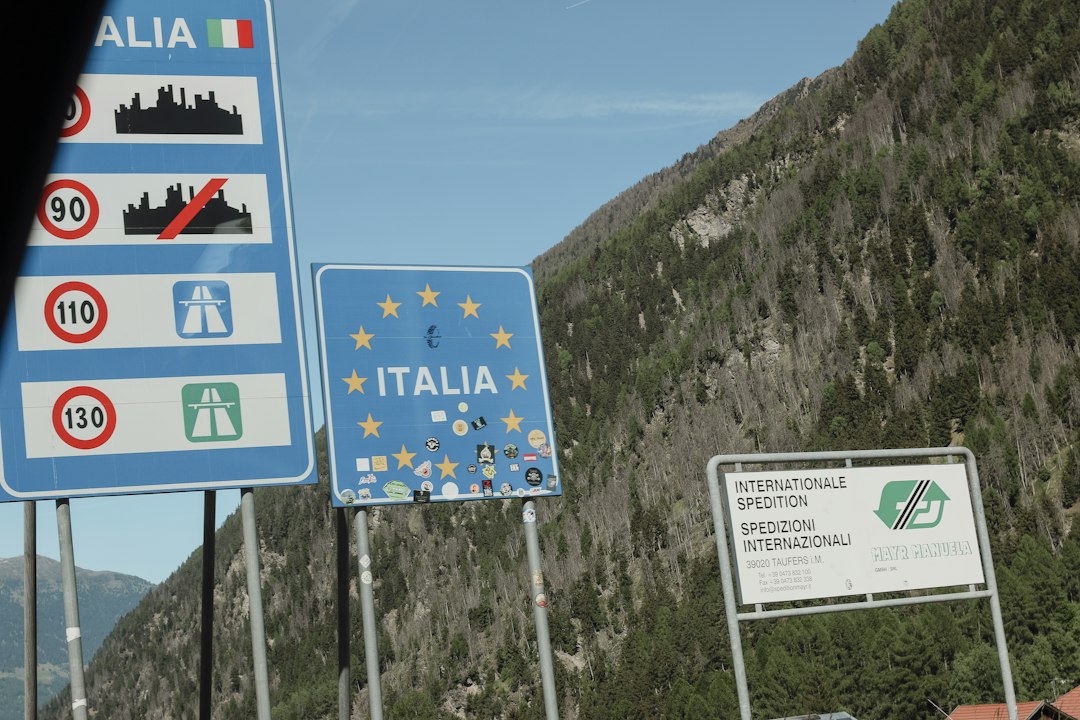
When you're staring down a massive, snaking queue at an international terminal, the best way to keep your cool is to stop viewing the border process as a mysterious black box and start seeing it for what it actually is: a highly sensitive, data-driven machine. Here’s the thing, those kiosks are relying on multispectral imaging to read your fingerprints, which means they’re looking at sub-dermal patterns rather than just the surface of your skin. If you’ve just slathered on heavy hand lotion, you’re essentially creating a barrier that forces the scanner to work overtime, so I always stick to a quick, neutral alcohol-based sanitizer to keep my prints clear and readable. And honestly, it’s the little physical adjustments that make the biggest difference in avoiding that dreaded manual override.
Think about how you approach the machine, because those infrared sensors are incredibly picky about ambient lighting and depth. If you’re standing too far back or leaning in at an odd angle, you’re just begging the camera to throw a depth-of-field error, which forces the whole capture process to restart. I’ve found that positioning yourself dead-center and taking off any high-glare glasses—like those blue-light blockers that catch the overhead terminal lights—can shave precious seconds off your processing time. It sounds like a small detail, but when you consider that nearly 40% of the total delay per person happens just while we’re fumbling through language selection and consent screens, those few seconds of preparation really do add up when you're standing in a massive crowd.
It’s also worth keeping in mind that these systems are constantly checking against regional justice databases in the background, so if you’ve had any recent, significant facial scarring, you might trigger a temporary mismatch that the software isn't calibrated to handle automatically. If that happens, don’t panic or get frustrated with the agent; they’re just following the protocol when the system flags a discrepancy. I’ve even noticed that humidity in the terminal during peak summer travel can cause enough condensation on the lenses to drop resolution and trigger a cascade of rejections, so if you see a line stalling out, that might be exactly what’s happening behind the glass. Just stay patient, keep your documents flat and ready, and remember that you’re essentially just helping the system calibrate your digital profile for the next three years of travel.
Research Methodology & Editorial Standards
We begin by defining the specific objectives the reader needs to accomplish. Primary product documentation and authoritative secondary sources inform every guide before drafting begins.
Figures and rules are checked against the sources available at the time of publication. Travel pricing changes constantly — always confirm current fares, rates, and terms with the provider before booking.