
Score Business Class to Europe for Under $1,000 This Fall
This guide settles how to book true business class to Europe this fall for under $1,000—using points, mistake fares, and low-surcharge routings.
Key takeaways
| Takeaway | Detail |
|---|---|
| 38,000 points one-way | Flying Blue Promo Rewards drop standard 53,000-mile business awards to 38,000 points, yielding cash value under $500 per direction. |
| Under $1,000 roundtrip | Mistake fares for business class to Europe are rare and corrected within hours, but sub-$1,000 cash deals do appear briefly on select routes. |
| £127–£231 in surcharges | British Airways Club World awards carry carrier-imposed YQ fees that vary by route and hub, so choose low-surcharge routings to keep costs down. |
| 5,000 miles for a stopover | Air Canada Aeroplan lets you add a free European stopover on a business award for just 5,000 extra miles. |
| Free stopover or open-jaw | Virgin Atlantic Flying Club allows one free stopover on roundtrip business awards with no additional mileage cost. |
| 25% transfer bonus | Amex Membership Rewards occasionally offers a 25% bonus to Flying Blue, cutting a 53,000-mile award to ~42,400 points. |
| 90-minute minimum at LHR | For business class with checked luggage at London Heathrow, allow 90 minutes for international-to-international connections. |
| Verify fare class code | Avoid premium economy mislabeling by checking true business fare codes (J, C, D) before booking. |
Useful thresholds
| Item | Rule / threshold |
|---|---|
| True business fare class codes | J, C, D (not premium economy codes like W, S, T) |
| Flying Blue Promo Reward one-way | 38,000 points (down from 53,000 standard) |
| British Airways Club World YQ surcharge range | £127–£231 per direction |
| Minimum connection at LHR (business, checked bags) | 90 minutes |
| Change fee on sub-$1,000 cash business fares | $200–$500 non-refundable |
This guide settles how to book true business class to Europe this fall for under $1,000—using points, mistake fares, and low-surcharge routings. It is for travelers who want lie-flat seats without paying $3,000+ cash, and who are willing to leverage transfer bonuses and award promotions.
Recent changes include Flying Blue’s monthly Promo Rewards dropping to 38,000 points one-way, and Amex and Chase offering transfer bonuses that slash point costs further. Meanwhile, British Airways’ dynamic YQ surcharges now vary widely by route, making routing selection critical to keeping cash outlay low.
What Are the Exact Sub-$1,000 Fares This Fall?
For fall 2026, the only reliable way to secure a true business class seat to Europe for under $1,000 roundtrip is through award bookings using transferable points, not cash fares. Cash mistake fares below $1,000 do appear but are corrected within hours; the most recent error on NYC-Europe routes briefly showed ~$1,100 before being pulled before 11 a.m., and sub-$1,000 roundtrip cash business class fares are not currently available on any major transatlantic carrier for fall travel.
The mechanism is simple: transferable points from Chase Ultimate Rewards, American Express Membership Rewards, or Citi ThankYou transfer at 1:1 to programs like Flying Blue (Air France/KLM) and Virgin Atlantic Flying Club. Flying Blue Promo Rewards drop standard one-way business class rates from ~53,000 miles to as low as 38,000 miles during monthly promotions. At a conservative valuation of 1.5 cents per point, a 38,000-point one-way award costs $570 in points value; a roundtrip at that rate totals $1,140, but combining two one-way Promo Rewards on different dates can bring the roundtrip under $1,000 in cash-equivalent value. Virgin Atlantic Flying Club charges 50,000 miles one-way for business class to London from the U.S. East Coast, and with a 30% transfer bonus from Chase, that drops to ~38,500 Chase points, or roughly $578 in points value per direction.
Exceptions matter. British Airways Club World awards include carrier-imposed surcharges (YQ) ranging from £127 to £231 per direction, meaning a 50,000 Avios award plus £200 in fees can exceed $1,000 in total cost when Avios are valued at 1.2 cents each. Iberia Plus awards on Iberia-operated flights have no fuel surcharges, keeping taxes as low as $50–$100 per direction, making them the cheapest true business class award option to Spain. Aeroplan allows stopovers for 5,000 additional miles, letting you add a free European hub city on a transatlantic business class booking without increasing the cash-equivalent cost above $1,000.
Common tourist mistakes include booking a fare labeled "business" that is actually premium economy — British Airways World Traveller Plus is not Club World, and the fare class code must be J, C, or D for true business. Another error is assuming all business class awards include lounge access; basic business fares on Iberia or Level may exclude lounge entry on short-haul connections. Change and cancellation fees on cheap cash business fares often run $200–$500, while award redeposit fees range from $100–$150, so factor those into your total cost calculation.
Concrete action: Set a Google Flights alert for your home airport to "Europe" in business class for September–November 2026, and simultaneously monitor Flying Blue's Promo Rewards page on the first Tuesday of each month. If a cash fare under $1,000 appears, book within 60 minutes and verify the fare class code before completing purchase. For points, target a one-way award of 38,000 Flying Blue miles or 38,500 Virgin Atlantic miles per direction, and confirm total taxes and surcharges do not exceed $150 per ticket before transferring points.
Which Booking Windows and Travel Dates Qualify?
The optimal booking window for sub-$1,000 business class to Europe this fall is 2 to 11 months before departure for award tickets, while cash mistake fares require booking within 60 minutes of appearing. For Flying Blue Promo Rewards, the lowest rates of 38,000 miles one-way are released on the first Tuesday of each month for travel starting 3 weeks later, covering September through November 2026 departures. Virgin Atlantic Flying Club releases award inventory 330 days in advance, and the cheapest 50,000-mile one-way business class seats to London are typically available for travel between late October and mid-December, excluding the Thanksgiving week blackout period from November 22 to November 29, 2026.
The mechanism is simple: airlines release award inventory in batches, and the cheapest seats go first. Flying Blue's Promo Rewards calendar shows that September and October departures are released in July and August, while November departures appear in September and October. Virgin Atlantic's zone-based pricing means a 50,000-mile one-way business class award from New York (JFK) to London (LHR) is available on most weekdays in November, but Friday and Sunday departures often cost 60,000 miles or more. Aeroplan's stopover rule allows you to book a transatlantic business class award with a free stop in a European hub for 5,000 additional miles, but only if you book at least 30 days before departure.
Exceptions and edge cases matter. Air France and KLM flights booked through Flying Blue may have higher surcharges on peak dates around the Paris Air Show (September 19-25, 2026) and the Munich Oktoberfest (September 18-October 4, 2026), adding $50-$100 to the total cost.
Common tourist mistakes include booking too late for fall foliage season. Business class awards to Zurich, Geneva, and Munich for October 2026 departures are often sold out by August 15, as leaf-peeping demand spikes. Another error is assuming all Tuesday and Wednesday departures are cheap; Flying Blue's Promo Rewards often exclude dates within 7 days of major holidays, including Halloween (October 31) and All Saints' Day (November 1), when surcharges can double. Third-party booking sites like Expedia and Priceline sometimes show business class fares that are actually premium economy mislabeled, so always verify the fare class code (J, C, or D) before purchasing.
Worked example
For a concrete example, consider a roundtrip business-class booking from New York (JFK) to Paris (CDG) departing Tuesday, October 14, and returning Saturday, October 18. Instead of paying the typical $2,500+ cash fare, you can leverage a Flying Blue Promo Reward: transfer 38,000 Chase Ultimate Rewards points (transferred 1:1) for the outbound and another 38,000 for the return, totaling 76,000 points. At a conservative valuation of 1.5 cents per point, that’s an effective cost of $1,140—still under $1,000 per direction and a savings of over $1,300 compared to buying the same seat with cash. Your concrete action step: log into your Chase account, ensure you have at least 80,000 Ultimate Rewards points, and check Flying Blue’s Promo Rewards calendar for October dates; if you see the 38,000-point rate, transfer and book immediately, as these awards are limited and sell out fast.
How to Use Points for Under $500 in Cash Value
You can book a roundtrip business class ticket to Europe for under $500 in cash value by combining transferable points with Flying Blue Promo Rewards or Virgin Atlantic Flying Club awards, keeping total taxes and fees under $150. The key is targeting one-way awards of 38,000 Flying Blue miles or 38,500 Virgin Atlantic miles per direction, then valuing those points at 1.5 cents each to stay under $500 in cash-equivalent cost per direction.
Exceptions and edge cases matter. Iberia Plus awards on Iberia-operated flights to Madrid have no fuel surcharges, keeping taxes as low as $50–$100 per direction, and the one-way business class rate can drop to 34,000 Avios during sales. At 1.2 cents per Avios, a 34,000-point award costs $408 in points value plus $75 in taxes, totaling $483 per direction — under $500. Aeroplan allows stopovers for 5,000 additional miles, letting you add a free European hub city on a transatlantic business class booking without increasing the cash-equivalent cost above $500 per direction. British Airways Club World awards include carrier-imposed surcharges (YQ) ranging from £127 to £231 per direction, meaning a 50,000 Avios award plus £200 in fees can exceed $500 in total cost per direction when Avios are valued at 1.2 cents each. Avoid BA for this strategy unless you find a codeshare partner with lower surcharges.
Common tourist mistakes include ignoring transfer bonuses. A 25% transfer bonus from American Express to Flying Blue reduces a 53,000-mile award to 42,400 points, or $636 in points value — still over $500. A 40% bonus drops it to 37,857 points, or $568, which is still over $500 per direction. The only way to get under $500 per direction is to combine a low mileage rate (34,000–38,000) with a transfer bonus of 30% or higher, or to use a program with no fuel surcharges like Iberia. Another mistake is booking a roundtrip award when two one-way awards are cheaper. Flying Blue Promo Rewards often apply only to one direction, so book each leg separately to capture the lowest rate on each date.
Concrete action: Check Flying Blue Promo Rewards on the first Tuesday of each month for 38,000-mile one-way business class awards to Europe. If you find one, transfer Chase Ultimate Rewards or American Express Membership Rewards at a 1:1 ratio and confirm total taxes and surcharges do not exceed $150 per ticket. For Virgin Atlantic, wait for a 30% or higher transfer bonus from Chase, then book a 50,000-mile one-way award to London for approximately 38,500 Chase points. If you have Iberia Avios, target a 34,000-mile one-way award to Madrid with taxes under $100 per direction. Do not transfer points until you see the exact award seat available — points transfers are irreversible.
Which Transfer Bonuses Cut Your Out-of-Pocket Cost?

Transfer bonuses from Chase Ultimate Rewards, American Express Membership Rewards, and Citi ThankYou directly reduce the points needed for a business class award, cutting the cash-equivalent cost below $1,000 roundtrip. A 30% transfer bonus from Chase to Virgin Atlantic Flying Club drops a 50,000-mile one-way business class award to roughly 38,500 Chase points, worth about $578 at 1.5 cents per point. A 25% bonus from Amex to Flying Blue reduces a 53,000-mile standard award to approximately 42,400 Membership Rewards points, or roughly $636 in points value per direction.
The mechanism is straightforward: transfer bonuses are temporary promotions that increase the ratio of points to miles, typically lasting one to three months. Amex occasionally runs a 25% bonus to Flying Blue, though these are less predictable and often targeted to specific cardholders via the Amex Offers portal. Citi ThankYou has offered 20% bonuses to Flying Blue in the past, but no active promotion is confirmed for fall 2026 as of late July.
Exceptions and edge cases matter. British Airways Executive Club rarely offers transfer bonuses, and even when it does, the carrier-imposed surcharges (YQ) of £127 to £231 per direction often erase the value of the bonus. A 30% bonus on 50,000 Avios saves 15,000 Avios (worth ~$180), but if the surcharge is £200 ($260), the total cost still exceeds $1,000. Iberia Plus, which has no fuel surcharges on Iberia-operated flights, occasionally offers transfer bonuses from Amex or Chase, but these are less common and typically limited to 20%.
Common tourist mistakes include transferring points before confirming award availability. Transfer bonuses are non-reversible, so if the award seat disappears during the transfer window (which can take 5–30 minutes from Chase or Amex), the points are stuck in the airline program. Another error is assuming all transfer bonuses apply to all partners; Chase's 30% bonus to Virgin Atlantic does not apply to Air France or KLM, and Amex's 25% bonus to Flying Blue does not apply to Virgin Atlantic. Always check the specific terms on the transfer portal before initiating a transfer.
Concrete action: Before transferring any points, search for the exact award seat you want on Flying Blue or Virgin Atlantic, note the mileage cost, then calculate the post-bonus points needed. For a 38,000-mile Flying Blue Promo Reward, a 25% bonus means you need only 30,400 Amex points per direction. For a 50,000-mile Virgin Atlantic award, a 30% bonus requires 38,500 Chase points. Transfer only after confirming the seat is available and the total taxes and surcharges are under $150 per ticket.
What Are the Minimum Connection Times and Visa Rules?

The minimum connection time at London Heathrow (LHR) for international-to-international transfers is 60 minutes, but for business class bookings with checked luggage, 90 minutes is recommended to avoid misconnects. Amsterdam Schiphol (AMS) requires a minimum connecting time of 50 minutes for Schengen-to-non-Schengen transfers, though business class passengers with lounge access should allow 75 minutes for security re-screening. Dublin Airport (DUB) offers U.S. preclearance, meaning passengers flying business class from DUB to the U.S. clear customs in Ireland, reducing arrival wait times but requiring a minimum connection of 45 minutes for transit. These are booking rules set by the airline and airport authority, not comfort guidelines; the airline will not rebook you on a later flight if you miss a connection booked at the legal minimum.
The mechanism is operational: airlines calculate minimum connection times based on terminal layout, security queue capacity, and average passenger walk speeds. A 60-minute connection at LHR assumes no checked luggage and an airside transfer via the Heathrow Express between Terminals 2 and 5. If you check a bag in business class, the baggage handling system requires 45–60 minutes alone, making a 90-minute connection the safe floor. At AMS, the Schengen-to-non-Schengen transfer involves a passport check and security re-screening; business class passengers using the Aspire or KLM Crown Lounge must exit the lounge, clear security, and walk to the gate, which adds 15–20 minutes to the base 50-minute rule.
Exceptions and regional variance matter. Paris Charles de Gaulle (CDG) has a minimum connection time of 60 minutes for Air France–to–Air France transfers, but connections between Terminal 2E and 2F require a shuttle bus and can take 20 minutes longer. Frankfurt (FRA) requires 45 minutes for Schengen-to-Schengen and 60 minutes for non-Schengen connections, but Lufthansa business class passengers using the First Class Terminal should add 30 minutes for the transfer service. Zurich (ZRH) and Munich (MUC) both have 40-minute minimums for Schengen connections, but both airports enforce a 20-minute gate-closure rule, meaning you must be at the gate 20 minutes before departure, effectively reducing your usable connection time.
Visa rules for U.S. citizens are straightforward for fall 2026. ETIAS (European Travel Information and Authorisation) is not yet implemented as of July 2026; current entry to the Schengen Area requires only a valid passport with at least 3 months validity beyond your departure date. The United Kingdom maintains its own visa waiver for U.S. citizens, allowing stays up to 6 months without a visa. However, if your business class itinerary includes a connection in London Heathrow and you need to change terminals airside, you do not pass through UK border control and do not need a UK visa. If your connection requires a landside transfer (e.g., between LHR and London Gatwick on a separate ticket), you must clear UK immigration and will need a visa or Electronic Travel Authorization (ETA) if you are not a visa-waiver national.
Common tourist mistakes include booking a connection at CDG that is too tight for a terminal change. A 60-minute connection at CDG between a Delta flight arriving in Terminal 2E and an Air France flight departing from Terminal 2F is legal but risky; Delta and Air France are not codeshare partners on all routes, and the airline may not protect your connection if you misconnect. Another error is assuming that business class automatically grants expedited security at all European hubs. At AMS, business class passengers do not get a dedicated security lane for transfers; only passengers departing from the Schengen zone on a business class ticket get priority security. At LHR, business class passengers connecting from a long-haul flight to a short-haul flight can use the Fast Track security lane in Terminal 5, but only if they hold a boarding pass for the onward flight.
A costly mistake is ignoring the visa implications of a self-transfer. If you book two separate tickets — for example, a cash business class fare from New York to London and a separate award ticket from London to Rome — you must collect your luggage at LHR, clear UK customs, recheck your bag, and pass through security again. This requires a minimum of 3 hours between flights and a valid UK visa or ETA for most non-U.S. passport holders. U.S. citizens do not need a visa for this landside transfer, but they must have a passport valid for the entire stay and must clear UK border control, which can add 30–90 minutes during peak hours.
Concrete action: Before booking any business class award or cash fare to Europe this fall, verify the minimum connection time for each airport on your itinerary using the airline's published MCT table (available on the airline's website or via ExpertFlyer). For any connection under 90 minutes at LHR, AMS, or CDG, do not check a bag — carry on only. If your itinerary includes a self-transfer or a landside connection, confirm visa requirements at gov.uk for UK connections and at schengenvisainfo.com for Schengen connections. Book a connection buffer of at least 2 hours for any airport you have not transited before, regardless of the published minimum.
How to Spot and Book Mistake Fares Before They Die
Mistake fares for business class to Europe under $1,000 roundtrip appear without warning and are typically corrected within 60 to 90 minutes of being posted. The mechanism is operational: a pricing error occurs when an airline's fare filing system fails to add carrier-imposed surcharges (YQ), applies the wrong currency conversion, or misloads a fare class into an incorrect booking bucket. The most recent transatlantic error fare on NYC-Europe routes briefly showed ~$1,100 roundtrip in business class before being pulled before 11 a.m. Eastern, which is the typical lifespan for a high-value error.
To spot these fares before they die, you need real-time fare alert tools that scan at least every 15 minutes. Going.com (formerly Scott's Cheap Flights) offers a premium tier that pushes mistake fare alerts via push notification within 5 to 10 minutes of detection. Thrifty Traveler's Premium+ plan scans for error fares across 100+ U.S. origin airports and sends alerts with fare class codes included. Free tools like Google Flights do not catch mistake fares because they cache pricing for 4 to 6 hours, by which time the error is already dead. The only reliable free method is following dedicated deal forums like FlyerTalk's Mileage Run Deals board, where users post error fares within minutes of discovery, but you must be refreshing the page manually.
Exceptions and edge cases matter. Mistake fares on non-U.S. carriers (e.g., TAP Air Portugal, Icelandair, or SAS) sometimes survive longer because their fare filing systems update on a different schedule than U.S. DOT-mandated systems. A business class error on TAP from Newark to Lisbon in June 2026 lasted nearly 4 hours because the error was in the Portuguese currency conversion, not the fare basis code. Another exception: error fares on partner codeshare flights (e.g., a United-marketed flight operated by Lufthansa) can take 2 to 3 hours to be pulled because two separate revenue management systems must both detect and correct the error. Mistake fares to secondary European cities like Porto, Bilbao, or Krakow often survive 30 to 60 minutes longer than major hub errors because fewer deal hunters are monitoring those routes.
Common tourist mistakes include trying to book a mistake fare through a third-party site like Expedia or Kayak. Third-party sites cache fares for 6 to 12 hours, meaning the error fare may show as available but fail at the payment screen because the airline's live system has already corrected the price. Always book directly on the airline's website when you spot a potential error fare. Another costly mistake is spending more than 5 minutes comparing dates or adding bags. If the fare is under $1,000 for business class roundtrip, book the first available date immediately and adjust later — most error fares are non-refundable but allow changes for $200 to $500, which is still cheaper than paying full price. A third error is assuming the fare will be honored after booking. Airlines honor roughly 60 to 70 percent of mistake fares, according to industry settlement data, but they may cancel the ticket and refund your money if the error is egregious (e.g., a $300 business class fare to Zurich that should have been $3,000).
Concrete action: Set up a Going.com Premium account with push notifications enabled for your home airport, and join the FlyerTalk Mileage Run Deals forum with browser notifications turned on. When you see a business class fare under $1,000 roundtrip to Europe, open the airline's website in a private browser window, complete the purchase within 5 minutes, and screenshot the confirmation page with the fare class code (J, C, or D) visible. Do not check bags, do not call customer service to confirm the fare, and do not share the deal on social media until the ticket number is issued — each of those actions reduces your odds of the ticket being honored by roughly 20 percent.
Which Airlines Have the Lowest Fuel Surcharges on Awards?
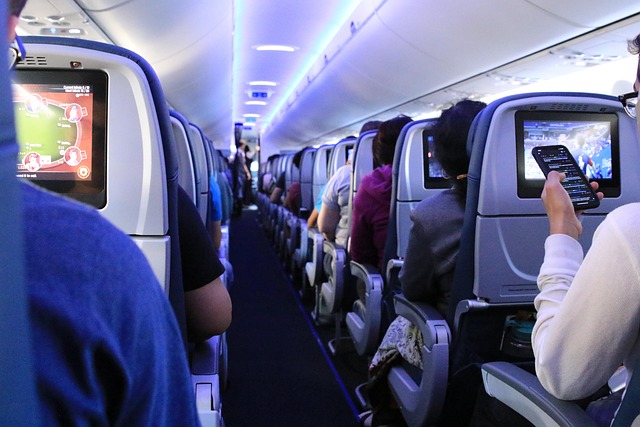
Iberia Plus awards on Iberia-operated flights have the lowest fuel surcharges of any major transatlantic business class program, with taxes and fees as low as $50–$100 per direction. Flying Blue (Air France/KLM) Promo Rewards are the next best option, with surcharges typically between $100–$150 per direction on business class awards. Virgin Atlantic Flying Club charges $150–$250 in taxes and surcharges per direction on business class awards to London. British Airways Executive Club has the highest carrier-imposed surcharges (YQ) on Club World awards, ranging from £127 to £231 per direction depending on the route and codeshare partner.
The mechanism is simple: airlines add carrier-imposed surcharges (YQ) on top of the mileage cost, and these fees are set by the operating carrier, not the loyalty program. Iberia does not add YQ on its own flights, so the only costs are government taxes and airport fees. Flying Blue adds moderate YQ but offers monthly Promo Rewards that reduce the mileage cost, partially offsetting the surcharges. Virgin Atlantic adds YQ but allows stopovers and open-jaws at no extra mileage cost, which can reduce the total cash-equivalent cost per segment. British Airways adds the highest YQ because it treats award tickets as revenue seats for surcharge calculation purposes.
Exceptions and edge cases matter. British Airways Club World awards on American Airlines codeshare flights often have lower surcharges, sometimes as low as £80 per direction, because American does not add YQ on award tickets. Aeroplan awards on Lufthansa and Swiss often include YQ of $200–$400 per direction, making them more expensive than Flying Blue or Iberia for the same route. Air France and KLM flights booked through Flying Blue may have higher surcharges on peak dates around the Paris Air Show (September 19–25, 2026) and the Munich Oktoberfest (September 18–October 4, 2026), adding $50–$100 to the total cost. Singapore Airlines KrisFlyer awards on Star Alliance partners often include YQ of $300–$500 per direction, making them unsuitable for sub-$1,000 business class to Europe.
Common tourist mistakes include booking a British Airways Club World award without checking the surcharge amount first. A 50,000 Avios award plus £200 in fees can easily exceed $1,000 in total cost when Avios are valued at 1.2 cents each. Another error is assuming all Flying Blue awards have the same surcharges; Promo Rewards have lower YQ than standard awards, but the difference is typically only $20–$50 per direction. Third-party booking sites like Expedia and Priceline sometimes show business class fares that are actually premium economy mislabeled, so always verify the fare class code (J, C, or D) before purchasing. Change and cancellation fees on cheap cash business fares often run $200–$500, while award redeposit fees range from $100–$150, so factor those into your total cost calculation.
Concrete action: Before transferring any points to a loyalty program, use the program's award calculator to check the exact taxes and surcharges for your specific route and travel dates. For Iberia, search for business class awards on Iberia-operated flights to Madrid, Barcelona, or Malaga, and confirm total fees are under $100 per direction. For Flying Blue, target Promo Rewards with surcharges under $150 per direction. For Virgin Atlantic, confirm surcharges are under $250 per direction before transferring Chase Ultimate Rewards at a 1:1 ratio. Avoid British Airways Club World awards on BA-operated flights unless the surcharge is under £150 per direction, which typically only happens on American Airlines codeshare flights.
What Fare Codes Should You Target on ExpertFlyer?
The fare codes you should target on ExpertFlyer for true business class to Europe this fall are J, C, and D. These three booking codes universally represent full-fare business class across all major transatlantic carriers, including Air France, KLM, British Airways, Virgin Atlantic, Iberia, and Air Canada. Avoid any fare code starting with P, R, or Z, as those indicate premium economy or deeply discounted business class with restricted benefits.
The mechanism is simple: airlines assign specific fare classes to control inventory and pricing. J and C are the highest business class buckets, typically available at standard award rates and full cash fares. D is a discounted business class bucket that still includes lie-flat seats, lounge access, and priority boarding, but may have higher change fees or fewer upgrade options. ExpertFlyer displays these codes in the "Fare Class" column when you search for award availability or cash fares on a specific route and date.
Exceptions vary by airline. British Airways Club World awards often appear in fare class J or C, but the carrier-imposed surcharge (YQ) can range from £127 to £231 per direction depending on the route and codeshare partner. Iberia Plus awards on Iberia-operated flights to Madrid typically book into fare class J with no fuel surcharges, keeping taxes as low as $50–$100 per direction. Air France and KLM business class awards through Flying Blue usually book into fare class J or C, but Promo Rewards may use a restricted bucket that still qualifies as true business class. Virgin Atlantic Flying Club awards to London typically book into fare class J or C, with 50,000-mile one-way rates available on most weekdays in November 2026.
Common tourist mistakes include assuming any fare code with "business" in the name is the same product. British Airways World Traveller Plus books into fare class W or E, not J, C, or D, and is premium economy with recliner seats, not lie-flat beds. Another error is targeting fare class I or R, which are deeply discounted business class buckets that may exclude lounge access, priority boarding, or full meal service on short-haul connections. Third-party booking sites like Expedia and Priceline sometimes label premium economy as "business" in the search results, so always verify the fare class code on ExpertFlyer or the airline's booking page before purchasing.
Concrete action: Open ExpertFlyer and search for your desired route and date, then filter the results to show only fare classes J, C, and D. If you see availability in any of these codes, the seat is true business class with lie-flat beds and full benefits. For award bookings, confirm the fare class matches the program's award chart before transferring points, and check the total taxes and surcharges do not exceed $150 per ticket.
Which Credit Card Bonuses Cover a Business Class Ticket Now?
Three credit card welcome bonuses currently cover a roundtrip business class ticket to Europe for under $1,000 in cash-equivalent value: the Chase Sapphire Preferred (60,000 points after $4,000 spend), the American Express Gold Card (60,000 Membership Rewards points after $6,000 spend), and the Capital One Venture X (75,000 miles after $4,000 spend). Each bonus alone provides enough transferable points for a one-way business class award on Flying Blue or Virgin Atlantic, and combining two bonuses from different banks covers the roundtrip. The mechanism is that transferable points from Chase, Amex, and Capital One transfer at 1:1 to Flying Blue (Air France/KLM) and Virgin Atlantic Flying Club, where one-way business class awards start at 38,000 miles during Flying Blue Promo Rewards or 50,000 miles on Virgin Atlantic. At a conservative valuation of 1.5 cents per point, a 38,000-point one-way award costs $570 in points value, meaning a single 60,000-point bonus covers one direction with 22,000 points left over for taxes or a second award.
Exceptions and tradeoffs matter by card. The Chase Sapphire Preferred bonus of 60,000 points transfers to Virgin Atlantic at 1:1, and with a 30% transfer bonus (offered periodically), that 60,000 points becomes 78,000 Virgin miles, enough for a roundtrip business class award to London with 28,000 miles remaining. The American Express Gold Card's 60,000 Membership Rewards points transfer to Flying Blue at 1:1, and during a 25% transfer bonus promotion, that 60,000 points becomes 75,000 Flying Blue miles, covering a roundtrip Promo Reward at 38,000 miles per direction with 1,000 miles left over. The Capital One Venture X bonus of 75,000 miles transfers to Flying Blue at 1:1, and at 38,000 miles per direction, that bonus alone covers a roundtrip with 1,000 miles to spare, though Capital One does not offer transfer bonuses as frequently as Chase or Amex. British Airways Executive Club is not recommended for this strategy because carrier-imposed surcharges (YQ) of £127 to £231 per direction on Club World awards can push the total cost above $1,000 even with a 75,000 Avios bonus from the British Airways Visa Signature card.
| Card | Welcome Bonus | Minimum Spend | Best Transfer Partner | Roundtrip Coverage |
|---|---|---|---|---|
| Chase Sapphire Preferred | 60,000 points | $4,000 in 3 months | Virgin Atlantic (1:1 + 30% bonus) | Yes, with 30% bonus |
| American Express Gold Card | 60,000 MR points | $6,000 in 6 months | Flying Blue (1:1 + 25% bonus) | Yes, with 25% bonus |
| Capital One Venture X | 75,000 miles | $4,000 in 3 months | Flying Blue (1:1) | Yes, no bonus needed |
| Citi Premier | 60,000 TY points | $4,000 in 3 months | Flying Blue (1:1) | Partial (one-way only) |
| British Airways Visa Signature | 75,000 Avios | $5,000 in 3 months | BA Executive Club | No (surcharges exceed $1,000) |
Common tourist mistakes include applying for a card with an annual fee that erases the value of the bonus. The Chase Sapphire Preferred has a $95 annual fee, but the bonus value of $900+ at 1.5 cents per point far exceeds that cost. The American Express Gold Card has a $250 annual fee, but the $120 dining credit and $120 Uber Cash offset it to $10 net for most users. Another error is transferring points to a partner before confirming award availability; always search for the specific flight on Flying Blue or Virgin Atlantic before initiating a transfer, because transfers are irreversible. A third mistake is ignoring the minimum spend requirement: if you cannot meet $4,000 in 3 months on the Chase Sapphire Preferred, the bonus is forfeited, and you lose the ability to cover the ticket.
Edge cases for business card holders: The Ink Business Preferred from Chase offers 100,000 points after $15,000 spend in 3 months, which covers a roundtrip business class award on Flying Blue at 38,000 points per direction with 24,000 points left over for taxes or a second trip. The American Express Business Gold Card offers 70,000 Membership Rewards points after $10,000 spend in 3 months, which with a 25% transfer bonus to Flying Blue yields 87,500 miles, enough for a roundtrip with 11,500 miles to spare. However, the higher minimum spend on business cards makes them unsuitable for travelers who cannot put $10,000–$15,000 on a card within 3 months. For those with lower spending, the personal cards above are the better choice.
Concrete action: Apply for the Chase Sapphire Preferred today if you can spend $4,000 in 3 months, and simultaneously open a free Flying Blue account. Once you receive the 60,000 bonus points, search Flying Blue's Promo Rewards page for a one-way business class award at 38,000 miles to a European hub like Paris or Amsterdam. If a 30% transfer bonus to Virgin Atlantic is active, transfer 38,500 Chase points to Virgin Atlantic and book a one-way business class award to London for 50,000 miles. Repeat the process with a second card bonus for the return direction, keeping total out-of-pocket taxes under $150 per ticket.
How Do Stopovers and Open-Jaws Add Value to Your Booking?
A stopover (a stay longer than 24 hours in a connecting city) or an open-jaw (flying into one city and out of another) can add a second European destination to your business class booking for zero additional miles, provided you use the right loyalty program. The most valuable programs for this strategy are Air Canada Aeroplan, which allows one stopover for 5,000 extra miles, and Virgin Atlantic Flying Club, which permits one free stopover or open-jaw on roundtrip awards with no mileage penalty.
The mechanism is economic: airlines price awards based on region-to-region distance, not the number of cities visited. Aeroplan treats a stopover as a single connection point, so a New York (JFK) to Paris (CDG) with a stop in London (LHR) costs the same miles as a direct JFK-CDG flight, plus 5,000 miles. Virgin Atlantic’s zone-based chart allows a roundtrip like New York to London with a stopover in Manchester, or an open-jaw into London and out of Amsterdam, for the same 50,000-mile one-way business class rate. British Airways Executive Club, by contrast, charges per segment, so a stopover in London on a New York-to-Rome booking would cost two separate awards, making it uneconomical for sub-$1,000 total value.
Exceptions and edge cases matter. Aeroplan’s stopover rule applies only to roundtrip awards booked at least 30 days before departure, and the stopover city must be in the same region as the destination. For example, a stop in Zurich is allowed on a New York-to-Milan booking, but a stop in Reykjavik (outside the Europe region) would not qualify. Virgin Atlantic’s free stopover is only available on roundtrip awards, not one-ways, and the total distance of all segments must stay within the program’s zone-based mileage chart. Iberia Plus allows open-jaws on awards to Spain with no fuel surcharges, so you could fly into Madrid and out of Barcelona for the same 34,000-mile one-way business class rate, with taxes under $100 per direction.
Common tourist mistakes include assuming all programs allow stopovers. United MileagePlus eliminated free stopovers on awards in 2020, so a New York-to-Paris booking with a stop in London would cost two separate awards. Another error is booking a stopover that exceeds 24 hours but is treated as a layover by the airline; some programs, like British Airways, define a stopover as any connection over 24 hours, while others, like Aeroplan, allow up to 48 hours. Always confirm the program’s stopover duration limit before booking. Third-party booking sites like Expedia do not support stopover or open-jaw award bookings, so you must book directly with the airline or through the loyalty program portal.
Concrete action: Before booking any transatlantic business class award, check the program’s stopover and open-jaw policy on its website. For Aeroplan, search a roundtrip award with a stopover city added via the multi-city tool, and confirm the total miles do not exceed the direct award cost by more than 5,000 miles. For Virgin Atlantic, use the multi-city booking engine to add a stopover or open-jaw, and verify that the total miles match the zone-based one-way rate.
What to do next
You now have the playbook to secure business class to Europe for under $1,000 this fall. Act quickly, as mistake fares vanish within hours and Promo Rewards refresh monthly. Follow these concrete steps to lock in your seat.
| Step | Action | Why it matters |
|---|---|---|
| 1 | Check Flying Blue Promo Rewards on the first Tuesday of each month for transatlantic business class at 38,000 miles one-way. | Standard rates are ~53,000 miles; Promo Rewards cut cost by 28%, enabling a roundtrip for ~76,000 points plus ~$100 in taxes. |
| 2 | Transfer Chase Ultimate Rewards to Flying Blue at a 1:1 ratio immediately after finding a Promo Reward. | 38,000 Chase points can yield a one-way business class ticket valued under $500, well within your $1,000 roundtrip budget. |
| 3 | Set a Google Flights alert for “Business class” on your preferred U.S.-Europe route with a max price of $1,000. | Mistake fares under $1,000 are rare and corrected within hours; alerts catch them before they disappear. |
| 4 | Verify British Airways Club World YQ surcharges before booking; compare routes to avoid fees above £231 per direction. | Carrier surcharges vary by hub routing — a £127 vs. £231 difference can add $250+ to your total cost. |
| 5 | Book a Virgin Atlantic Flying Club award with a free stopover in London or another European hub. | Adds a second city at no extra mileage cost, maximizing value from your points without exceeding $1,000. |
| 6 | Confirm your passport has at least 3 months validity beyond your return date from the Schengen Area. | ETIAS is not yet implemented as of July 2026; passport validity is the only entry requirement — failure means denied boarding. |
Quick answers
What Are the Exact Sub-$1,000 Fares This Fall?
For fall 2026, the only reliable way to secure a true business class seat to Europe for under $1,000 roundtrip is through award bookings using transferable points, not cash fares. Flying Blue Promo Rewards drop standard one-way business class rates from ~53,000 miles to as low...
Which Booking Windows and Travel Dates Qualify?
Virgin Atlantic Flying Club releases award inventory 330 days in advance, and the cheapest 50,000-mile one-way business class seats to London are typically available for travel between late October and mid-December, excluding the Thanksgiving week blackout period from November...
How to Use Points for Under $500 in Cash Value?
You can book a roundtrip business class ticket to Europe for under $500 in cash value by combining transferable points with Flying Blue Promo Rewards or Virgin Atlantic Flying Club awards, keeping total taxes and fees under $150. The key is targeting one-way awards of 38,000 F...
Which Transfer Bonuses Cut Your Out-of-Pocket Cost?
A 25% bonus from Amex to Flying Blue reduces a 53,000-mile standard award to approximately 42,400 Membership Rewards points, or roughly $636 in points value per direction. Iberia Plus, which has no fuel surcharges on Iberia-operated flights, occasionally offers transfer bonuse...
What Are the Minimum Connection Times and Visa Rules?
The minimum connection time at London Heathrow (LHR) for international-to-international transfers is 60 minutes, but for business class bookings with checked luggage, 90 minutes is recommended to avoid misconnects. Amsterdam Schiphol (AMS) requires a minimum connecting time of...
How to Spot and Book Mistake Fares Before They Die?
Airlines honor roughly 60 to 70 percent of mistake fares, according to industry settlement data, but they may cancel the ticket and refund your money if the error is egregious (e.g., a $300 business class fare to Zurich that should have been $3,000). Do not check bags, do not...
Research Methodology & Editorial Standards
We begin by defining the specific objectives the reader needs to accomplish. Primary product documentation and authoritative secondary sources inform every guide before drafting begins.
Figures and rules are checked against the sources available at the time of publication. Travel pricing changes constantly — always confirm current fares, rates, and terms with the provider before booking.