
Hidden gems and local legends to discover in Los Angeles beyond the tourist trail
When we think about Los Angeles architecture, it’s usually those glossy, downtown glass towers that grab all the attention, but I’ve always felt the real soul of the city hides in the structures that refuse to play by those rules.
Architectural Wonders: Beyond the Downtown Skyscrapers
When we think about Los Angeles architecture, it’s usually those glossy, downtown glass towers that grab all the attention, but I’ve always felt the real soul of the city hides in the structures that refuse to play by those rules. If you’re willing to venture away from the typical skyscraper grid, you’ll find that the city’s history is actually written in things like the Watts Towers, which Sabato Rodia built by hand over three decades without a single bolt or rivet. It’s wild to stand there and realize he used discarded glass and seashells to reach nearly a hundred feet into the sky. You start to see that true craftsmanship often happens when someone stops looking at blueprints and starts working with whatever materials are literally at their feet. It’s not just about the height or the market value; it’s about the sheer persistence of an individual vision.
Think about the way the Gamble House in Pasadena handles wood, using Japanese joinery techniques that completely skip nails or metal fasteners. When you walk through those rooms, you’re looking at five different types of native timber working in harmony, which feels like a total rejection of the mass-produced aesthetic we’re so used to today. Then you have the Bradbury Building, which honestly feels like stepping back into the nineteenth century with its iron and glass atrium that was built to capture natural light long before that was an industry standard. These places don’t just sit on the landscape; they seem to have been grown out of it. It’s a completely different energy than the cold, modular steel we see in newer high-rise projects.
Even when architects like Frank Lloyd Wright or his son, Lloyd Wright, were experimenting, they were trying to weave the building into the environment in ways that modern developers rarely attempt. Look at the Hollyhock House or the Sowden House; they’re using concrete blocks as a kind of rhythmic, ancient language, turning residential homes into something that looks like it belongs in a temple complex. And you can’t ignore the Eames House, where they used off-the-shelf industrial parts to create something so light and transparent that the canyon outside feels like part of your living room. It makes you realize that innovation isn't always about the most expensive materials, but about how you arrange the ones you actually have. So next time you're out, maybe skip the observation deck and go find where these hidden stories are actually being told.
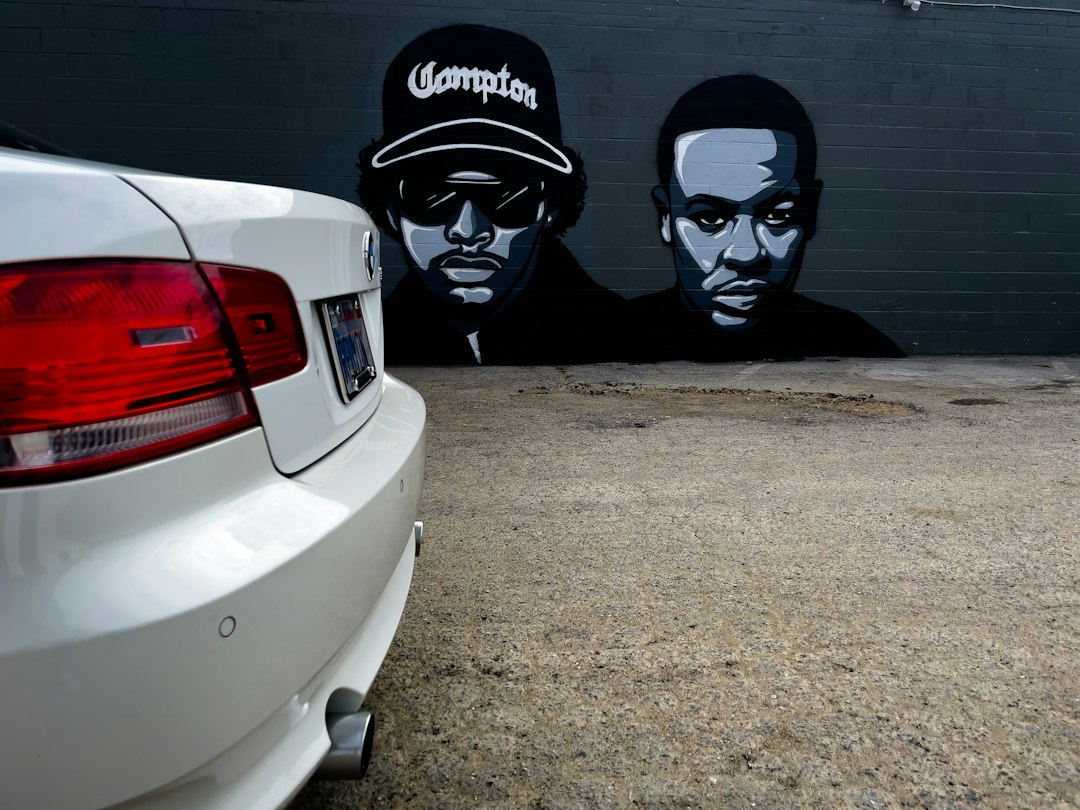
Echoes of History: Uncovering Compton’s Cultural Heritage
When I think about Compton, I try to look past the pop culture shorthand and focus on the sheer density of its origin story, which is honestly one of the most misunderstood narratives in Southern California. Most people don’t realize that the land was originally part of the Rancho San Pedro, the very first Spanish land grant in California, or that Griffith Dickenson Compton picked up the acreage for a measly five dollars an acre back in 1867. It was incorporated in 1888 as a dry town, and if you look at the old property deeds, you can still find clauses banning alcohol that stayed on the books for decades. It’s wild to walk through those older mid-century ranch-style neighborhoods now and realize they were actually designed for climate-conscious ventilation long before that was a buzzword in modern urban planning.
The city’s transformation from an agrarian ranching hub to a powerhouse of industrial production is equally fascinating when you connect the dots. During the Second World War, the Douglas Aircraft Company turned the area into a critical manufacturing artery, pulling in thousands of workers to build parts that were essential for the war effort. This transition was fueled by its location at the intersection of major rail lines, which had already made the city a central processing point for the oil boom of the 1920s. You can still see the physical remnants of this shift today, like the subterranean utility tunnels built in the early 1900s that once irrigated local crops but ended up supporting a massive, rapid residential boom.
I think what really stays with me, though, is the social history that happened right on these streets. In the 1950s, the city went through one of the fastest demographic shifts in American history, turning from a white enclave into a predominantly Black community in less than a decade. Around that same time, Compton served as a template for municipal desegregation, marking a quiet but massive victory for civil rights in housing that often gets overlooked in history books. Even the geography tells a story, like the Compton Creek, which is a concrete-lined artery that somehow still supports a micro-ecosystem of native waterfowl right in the middle of a dense urban environment.
It’s worth noting that the ground itself is just as active as the history; the city sits on the Compton Thrust, a blind reverse fault that keeps geologists on their toes because it doesn't show up on the surface like other faults. When you visit, take a second to stop by the library, which holds an incredible archive of oral histories that map out how this place evolved from Spanish ranchos to the center of Southern California’s industrial life. It’s a place that’s been shaped by everything from seismic shifts to economic booms and civil rights milestones, all stacked on top of each other. If you’re willing to move past the surface-level reputation, you’ll find that Compton is really just a layered, honest account of how Southern California grew up.
Culinary Secret Spots: Where Local Angelenos Actually Eat
If you’ve spent any time driving through Los Angeles, you’ve likely noticed how our best meals rarely come with a view of the ocean or a valet stand. Honestly, some of the most life-changing food I’ve had here was served in a plastic basket while I sat in a strip mall parking lot, watching traffic crawl down a boulevard. It’s a strange, beautiful reality of our city: because of zoning laws and the sheer cost of commercial real estate, independent, immigrant-owned kitchens often trade expensive decor for incredible, high-quality ingredients. More than 40 percent of our most acclaimed ethnic spots operate out of these utilitarian structures, which were originally built for car-centric convenience but have since become the accidental epicenters of our food culture.
Think about the way these businesses actually function; they aren’t trying to be "destinations" in the traditional sense, so they often fly under the radar of major tourist guides for years. In East Hollywood, for instance, you’ll find Thai kitchens that maintain punishingly authentic spice levels simply because they source directly from local specialty markets rather than relying on national food distributors. Meanwhile, in the South Bay, there are ramen shops so dedicated to their craft that they’ve installed proprietary water filtration systems just to mimic the specific mineral profiles of the Kanto region. It makes you realize that when you strip away the branding and the white-tablecloth overhead, you’re left with a much more honest connection to the origin of the dish.
And it’s not just about the food; it’s about how these spots map onto the actual, gritty rhythm of the city. Take the late-night taco trucks parked along our industrial corridors; they aren’t there for the scenery, they’re there to fuel a massive logistics workforce that keeps this city moving while the rest of us are asleep. In Boyle Heights, many of these vendors operate on a kind of collective agreement to keep prices accessible, effectively resisting the inflation that has pushed so many other dining experiences out of reach. It’s a stark contrast to the polished concepts downtown, and it’s where you truly see the city’s economic and cultural history playing out on a plate.
If you want to find these places, you usually have to stop looking for "top ten" lists and start paying attention to the specific diaspora communities that have turned certain neighborhoods into accidental gastronomic districts. Whether it’s the density of specialized Szechuan kitchens in the San Gabriel Valley that refuse to westernize their menus or the traditional hearth-baking methods used by Armenian bakeries in Glendale, the real magic happens in the corners where authenticity is the only currency that matters. Next time you’re out, maybe skip the reservations and head toward the strip mall that looks like it hasn't changed since 1985—that’s where you’ll actually find the heart of Los Angeles.
Nature’s Quiet Corners: Hidden Hiking Trails and Coastal Coves
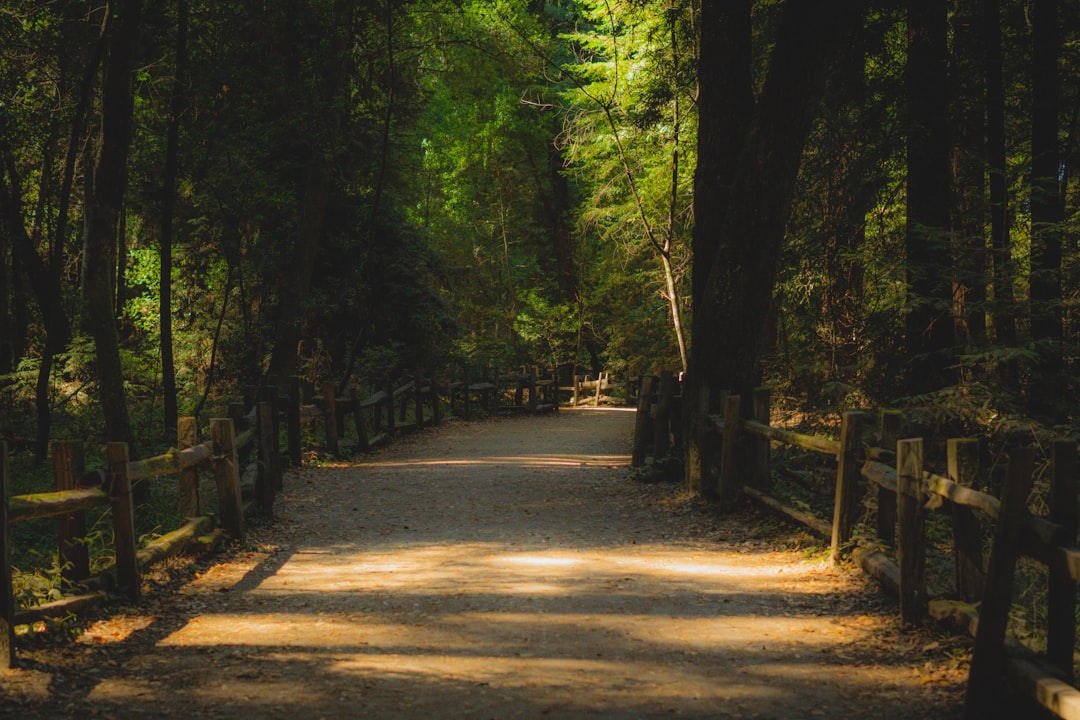
When I talk about finding the real soul of Los Angeles, I’m not referring to the crowded sand at Santa Monica or the packed hiking loops everyone posts on social media. I’m talking about the places where the city’s geological history and biological diversity actually intersect, like the Point Dume headlands, where 15-million-year-old volcanic rock creates a stark, rugged contrast to our typical sedimentary cliffs. If you’re willing to hike into the deeper reaches of Solstice Canyon, you’ll find the ruins of the 1906 Keller House, a haunting piece of stone architecture that somehow outlasted the massive 1982 wildfires. It’s these quiet, overlooked pockets that really tell the story of the landscape, especially when you consider how the coastal bluffs in Palos Verdes sit on a massive, active landslide complex that constantly reshapes the local tide pool ecosystems.
Beyond the geology, there’s a quiet, fragile intelligence to these areas that you can’t fully appreciate from a distance. Take the secluded coves near Leo Carrillo, which aren't just scenic; they’re critical habitat for the endangered California brown pelican, a species that depends entirely on the specific wind-draft patterns found within those sheltered rocky alcoves. Even the soil composition changes depending on where you stand, like the black sands along the Malibu coastline that are rich in magnetite and ilmenite, a direct result of crystalline basement rock eroding over eons. It’s fascinating to realize that if you visit the sea caves at El Matador, the acoustic properties of the rock actually amplify low-frequency waves, creating a completely different underwater soundscape than what you’d hear in the open ocean.
Honestly, the way the climate functions in these hidden corners is arguably more interesting than any guidebook description. Recent botanical surveys show that north-facing slopes in the San Gabriel foothills stay about six degrees cooler than the rest of the range, which is exactly why you still see relict populations of Bigcone Douglas fir thriving there today. You’ll also notice that coastal fog drip provides up to 30 percent of the annual water for maritime sage scrub, acting as a lifeline for biodiversity during our brutal dry seasons. It makes you realize that when you wander off the main trails—perhaps following the old boundaries of the historic Rancho Topanga Malibu Sequit—you’re not just going for a walk, you’re stepping into a complex, self-sustaining system. Let's be real, the best way to understand this city isn't by checking boxes on a list, but by getting out to these spots and seeing how the environment actually holds itself together.
Artistic Enclaves: Exploring LA’s Independent Gallery Scenes
If you’re anything like me, you’ve probably realized that the real pulse of Los Angeles art isn't beating inside some sterile museum hall, but rather in the gritty, repurposed corners where the city’s industrial past collides with a new creative guard. I find it fascinating how these independent galleries aren't just housing art; they’re actually wearing their history on their sleeves. Think about the Arts District, where those heavy-timber warehouses were built with fire-retardant redwood beams to survive the manufacturing accidents of a century ago, and now those same beams frame some of the most experimental work in the country. It’s not just an aesthetic choice; it’s an adaptation. You see this same ingenuity in Boyle Heights, where artist-run collectives have reclaimed old textile factories, specifically utilizing the massive, north-facing sawtooth skylights that were designed decades ago to give garment workers consistent, glare-free light.
But if you really want to see how these spaces shift the way we experience art, look at the Hayden Tract in Culver City, where Eric Owen Moss transformed industrial shells into deconstructivist steel experiments that intentionally shatter the right-angled grid of the surrounding area. It’s a complete departure from the way galleries in Highland Park operate, where they’ve opted to preserve 20th-century storefronts, keeping the original tin ceilings and thick brick walls that provide enough thermal mass to keep the valley heat at bay without cranking the AC. I’ve always felt that the architecture here dictates the exhibition in ways we don't always notice. In Little Tokyo, for instance, some galleries utilize original subterranean concrete bunkers that once served as industrial cooling chambers, providing a naturally stable, climate-controlled environment that’s perfect for sensitive installations.
Honestly, it creates this incredible logistical rhythm that you just don't get in a modern build. Down near the Fashion District, you’ll still find spaces using 1920s gravity-fed industrial freight elevators to move large-scale pieces, a clunky but beautiful reminder of how this city actually functions. Then you have the West Adams scene, where galleries inhabit old Craftsman homes; that original, old-growth Douglas fir paneling isn't just for show, as it provides a natural acoustic dampening that makes these spaces strangely ideal for sound art. Even the medical offices in Inglewood have been repurposed for digital projection, where the high-density electrical wiring from old imaging equipment is being tapped to power massive, immersive displays. It really makes you pause and consider that the best art spaces in LA aren't the ones that were designed to be galleries, but the ones that were forced to be something else entirely. Next time you’re exploring, don't just look at the art on the walls—take a second to look at the walls themselves, because that’s where the real story of this city’s creative evolution is hiding.
Urban Folklore: Tracking the Legends of the City’s Forgotten Landmarks
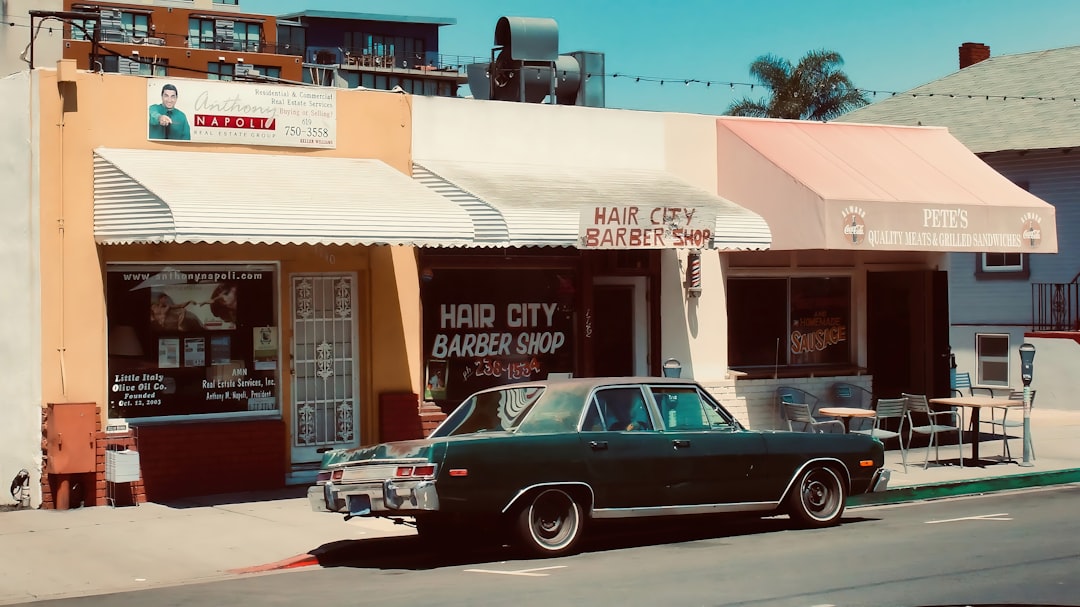
When we talk about Los Angeles, most people fixate on the glitzy facade, but I’ve always found the city’s true character buried in the stuff that doesn't make it onto the tour maps. Let’s dive into those forgotten landmarks, because they aren't just ruins; they’re a physical record of how we actually got here. Think about the Pacific Electric Railway’s abandoned subterranean tunnels beneath Bunker Hill, which act as silent, decaying monuments to our early-twentieth-century transit dreams. Then there’s the Boyle Heights sidewalk concrete, where you can still find the names of original nineteenth-century paving companies stamped directly into the ground—a literal footprint of our first major infrastructure push. Honestly, it’s wild to walk over that and realize you're stepping on a timeline of the city's growth.
If you look closer at the landscape, you start to see that our urban design was often dictated by trial and error rather than pure planning. Take those strange missing street sections you find throughout the city; they aren't just random, they’re the result of nineteenth-century surveyors using inaccurate topographical maps that completely ignored the natural canyon drainage paths. It’s a similar story with the old brick cisterns tucked beneath the Arts District, which remind us that before the massive aqueduct system took over, the city had to rely on a much more decentralized, fragile way of storing water. Even the acoustic behavior of the concrete-lined storm drains along the Los Angeles River is a total anomaly, creating artificial echo chambers that can carry a whisper across hundreds of feet. It’s a strange, unintended consequence of our flood control engineering that you really have to hear to believe.
And the history here is literally baked into the materials we use every day. If you check out the residential stairs built in the 1920s to connect hillside homes to streetcars, you’ll notice the aggregate mixtures change depending on which local quarry was actually open during the Great Depression. It’s like a geological diary. Or consider the pneumatic tube systems still hidden in old Chinatown storefronts, which offer this tactile, fascinating look at how merchants communicated long before digital networks existed. Even the Fairfax District hides the remnants of old oil derricks deep in the sub-strata, occasionally forcing geologists to monitor the gas seepage that still bubbles up. It makes you realize that LA isn’t just a static place; it’s a living, breathing system where the past is constantly interfering with the present. So next time you're out, skip the typical sights and see if you can spot these small, lingering echoes of the city’s origin.
Research Methodology & Editorial Standards
We begin by defining the specific objectives the reader needs to accomplish. Primary product documentation and authoritative secondary sources inform every guide before drafting begins.
Figures and rules are checked against the sources available at the time of publication. Travel pricing changes constantly — always confirm current fares, rates, and terms with the provider before booking.