
Fly semi private from Los Angeles to the Hamptons with new Aero service
I’ve been looking into Aero’s new route from Van Nuys to East Hampton, and honestly, the logistics behind this are pretty fascinating if you care about how these things actually work.
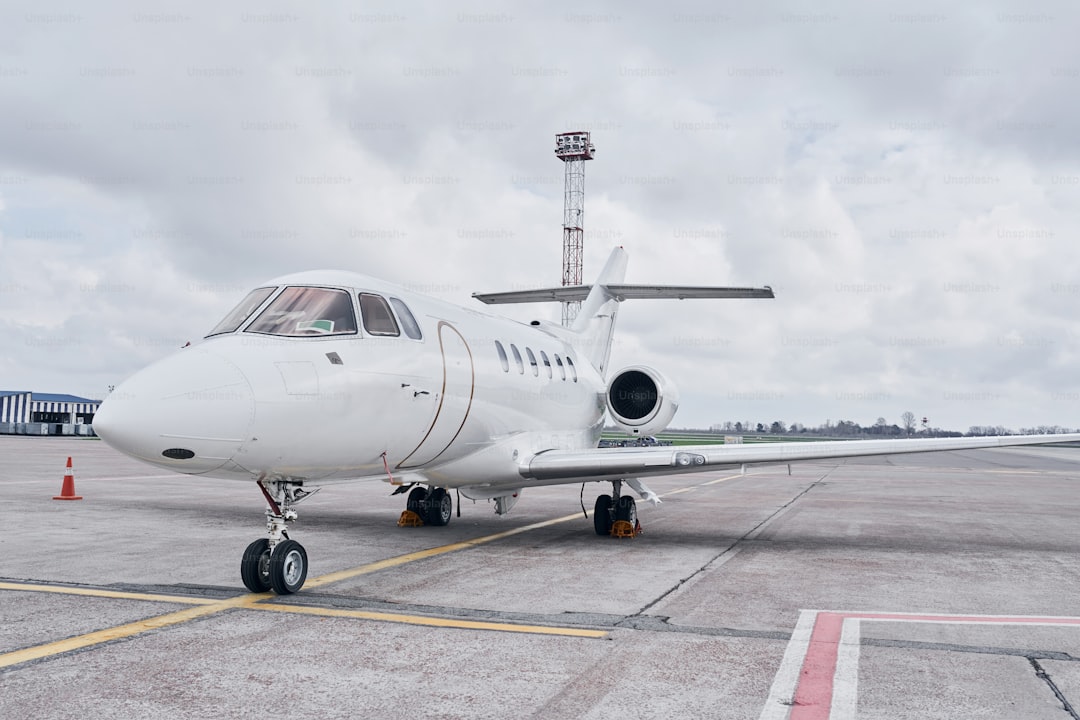
Aero’s New Direct Route: Bridging Van Nuys and East Hampton
I’ve been looking into Aero’s new route from Van Nuys to East Hampton, and honestly, the logistics behind this are pretty fascinating if you care about how these things actually work. We’re talking about a 2,470-mile haul that requires some serious planning because of how tight the runway conditions are out on the East End. Aero is using a specialized fleet configuration here, limiting the passenger count to keep the weight-to-thrust ratio exactly where it needs to be for those shorter strips. Since they’re operating under a Part 135 framework, you get to skip the usual airport mess, with ground handling that typically takes less than 20 minutes from arrival to takeoff.
Think about the difference between this and a standard commercial flight out of a massive hub like JFK or LAX. You aren't sitting through those endless taxi sequences or fighting for a slot in the heavy traffic patterns. Instead, they’re using precision flight paths that hug specific noise-sensitive corridors to keep the locals happy, which is a big deal given the strict protocols at East Hampton. Plus, the cabin is pressurized to a lower altitude than what you’d find on a typical narrow-body jet, which is one of those small details that genuinely makes you feel less wiped out when you finally touch down. It’s a smart way to handle transcontinental travel without the usual physical toll.
What really caught my eye is how they’re using advanced navigation tech to handle the coastal fog that usually ruins schedules in that part of New York. They’ve got Required Navigation Performance approaches baked into the avionics, so they can get in when other planes might have to divert. And since they’re skipping the hub-and-spoke model, they’re avoiding those extra, carbon-heavy landing and takeoff cycles you’d get with a connection. When you combine that with the soundproofing that keeps the cabin under 70 decibels, it’s a much quieter, more efficient way to get across the country. It’s honestly a pretty impressive bit of engineering if you’re trying to turn a long travel day into something that doesn’t feel like a total grind.
The Semi-Private Experience: How Aero Redefines Luxury Air Travel
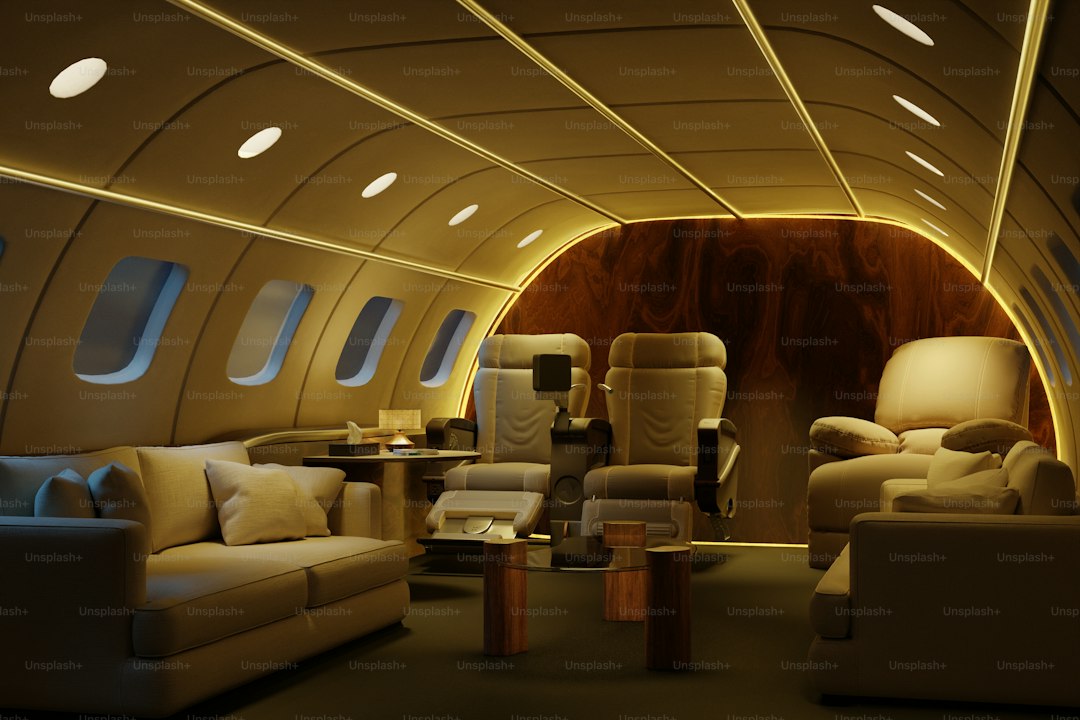
Let’s dive into what makes this semi-private model actually different because, honestly, the market is flooded with claims of luxury that just don't hold up once you’re on board. When you step onto an Aero flight, the first thing you notice isn't just the aesthetic—it’s the mechanical reality of the cabin. The seats are wrapped in hand-stitched Italian leather, but they’re built for utility, with ergonomic support specifically engineered to kill the vibrations you’d usually feel on a long-haul trek. It’s a quiet environment, too, thanks to lightweight acoustic foam panels that stay effective even when the engines are pushing hard during takeoff. You’re also getting a cabin that cycles its entire volume of air every three minutes, which, if you’ve spent enough time in stale commercial tubes, you know is a game-changer for how you feel when you land.
But the real differentiator here is how they handle the friction points that usually turn travel into a headache. Aero uses a bespoke scheduling algorithm that lines up takeoffs with lower-traffic windows, and that reliability is backed by ground handling that effectively eliminates the standard terminal circus. You’re not just sitting in a nicer chair; you’re plugged into a concierge interface that manages your ground transit before you’ve even touched down. Even the small stuff matters, like the high-wattage power ports that actually keep a professional-grade laptop running without a struggle. It’s a system designed to be invisible, where the crew is trained for a non-intrusive style of service that prioritizes your need to just shut off and rest.
I think the most interesting part is how they’ve tweaked the actual hardware to account for the physical toll of flying. They’ve gone as far as optimizing catering menus for high-altitude digestion, using low-sodium, nutrient-dense ingredients that keep you from feeling bloated or sluggish when you walk off the plane. Then there’s the tech side: they use localized high-speed networks that skip over the laggy satellite connections you’re used to, making the flight feel like a genuine extension of your workspace rather than a forced disconnection. Even the landing gear has been tuned with advanced dampening struts to make those arrivals at tighter strips like East Hampton feel remarkably smooth. It’s a high-precision approach to comfort that, frankly, makes standard first-class cabins feel a bit outdated by comparison.
Summer 2026 Launch: Planning Your Seasonal West-to-East Coast Escape
Planning your summer 2026 escape from the West Coast to the East Coast requires a bit more than just booking a ticket; it’s about understanding how the shifting atmosphere is changing the way we move across the country. Honestly, we’re seeing a real shift in jet stream patterns this season, and that’s forcing airlines to be way more surgical with their flight paths. If you’re like me and value your time, you’ve probably noticed that summer travel often feels like a gamble against the weather, but the engineering behind these new transcontinental routes is finally catching up. It’s not just about speed anymore; it’s about using smarter, more efficient cruise profiles to dodge the turbulence that seems to be popping up more frequently over the central plains.
When you’re looking at destinations like the Hamptons, you’re dealing with a unique set of constraints where the humidity and heat really change the game for aircraft performance on those shorter runways. I’ve been looking at how modern flight planning software is now weaving in real-time satellite data to steer clear of the squall lines that historically wreak havoc on schedules. It’s fascinating to see how they’re optimizing climb gradients now, which actually keeps noise levels down for the neighbors while making the whole departure process feel less chaotic for you. You really start to appreciate the tech when you realize that your arrival window is being synchronized with ground transit, effectively trimming those extra, annoying minutes off your total travel time.
There’s also a quiet revolution happening in the hardware itself, with next-gen turbine engines that are running significantly cooler and more efficiently than the planes we were flying just a few years ago. I’m also seeing more of a push toward sustainable fuel blends at West Coast hubs, which is a subtle but meaningful step in lowering the footprint of these long hauls. Plus, with augmented GPS systems now giving pilots that centimeter-level precision on approach, you’re far less likely to be diverted when that thick coastal fog rolls into the East End. It’s a complete rethink of the journey, focusing on precision and reliability rather than just brute-forcing a schedule, and frankly, it makes the whole experience feel a lot more grounded and intentional.
Bypassing the Chaos: Benefits of Using Private Terminals
Let’s pause for a moment and reflect on why the standard airport experience has become such a mental drain. You’ve probably felt that rising anxiety when you’re stuck in a massive, serpentine security line at a major hub, watching the clock tick down while your boarding group is called. It’s not just the wait; it’s the sheer inefficiency of a system built for volume rather than the individual. When we start looking at private terminals, we aren’t just talking about luxury for the sake of it—we’re talking about a complete decoupling from that gridlock. These facilities use specialized ground handling that typically gets you from your car to the cabin in under twenty minutes, a timeframe that feels like a different universe compared to the standard two-hour pre-flight ritual.
The technical advantage here is massive because these terminals operate on their own security protocols, completely independent of the mass-market checkpoints that generate most of our travel-related stress. By cutting out those high-frequency contact points, you’re not just avoiding the crowds; you’re effectively removing the statistical probability of the delays that usually ripple through a commercial terminal. Think about the physical toll of navigating those endless, multi-level concourses—private gate access lets you step directly onto the tarmac, often in climate-controlled conditions that shield you from whatever heat or rain is happening outside. It’s a design choice that treats your time and energy as finite resources, rather than something to be churned through a queue.
And then there’s the logistical reliability that really sets this apart. Because these terminals operate on flexible infrastructure, you aren't tethered to the rigid, fragile hub-and-spoke schedules of a major airline; if you’re running a few minutes late, the flight doesn’t immediately move to the next slot in a massive traffic pattern. You also get the peace of mind that comes with direct-to-plane baggage handling, which finally kills the uncertainty of waiting at a carousel or worrying about misplacement. Even during broad airport disruptions, these gateways often maintain their own independent power and emergency systems, keeping the operation stable while the main terminals are struggling to reset. It’s honestly a much more grounded way to travel, where the hardware and the process are finally aligned to make your journey feel like a seamless extension of your day rather than an exhausting hurdle you have to clear.
What to Expect Onboard: Cabin Comfort and Premium Amenities
When you’re looking at a transcontinental trip, the conversation usually centers on flight times or maybe the lounge access, but I think the real story is how the actual cabin environment shapes your physical well-being. Most long-haul flights leave you feeling drained, and that’s rarely just about the distance; it’s about how the cabin handles things like air quality, noise, and pressure. With Aero, they’ve moved away from standard commercial specs to focus on details like managing humidity levels between 15% and 20%, which is a massive help in preventing that dry, dehydrated feeling you get by the time you reach the East Coast. Plus, the cabin lighting is calibrated to specific Kelvin color temperatures that shift throughout the flight to help your circadian rhythms stay in sync, which is honestly a game-changer if you’re trying to land feeling functional instead of fried.
The mechanical engineering behind the scenes is just as intentional. You’re looking at acoustic insulation made of high-density thermoplastic polymers that actually kill the low-frequency engine resonance that usually hums in the back of your head for hours. The floor itself uses a multi-layered honeycomb structure to stop vibrations from the undercarriage from ever reaching your seat. Even the catering is handled differently, with food prepared in a blast-chilled environment specifically to maintain nutrient density and flavor profiles that usually get muted by the drop in cabin pressure. It’s the kind of high-precision comfort that makes you realize how much of the "fatigue" we accept as normal in air travel is actually just poor cabin design.
And for those of us who need to stay productive, the tech integration is finally where it needs to be. You’re getting 65-watt USB-C power delivery at every seat, which means your high-performance laptop will actually charge instead of just slowly dying while you work. When you combine that with a localized high-speed network that uses a multi-antenna array to keep the internet connection stable, it feels more like a mobile office than a cramped airplane seat. They’ve even integrated seat-back sensors that monitor your weight distribution to automatically adjust lumbar support, taking the guesswork out of finding a comfortable position. It’s a level of technical consideration that genuinely transforms the time you spend in the air from a waiting game into an actual, comfortable extension of your day.
Booking and Pricing: Navigating the Aero Semi-Private Advantage

When you start looking at how to actually book a seat on one of these flights, you’ll notice that Aero doesn’t treat ticket prices like your typical airline, where costs just climb as the cabin fills up. Instead, they’re using a dynamic model that feels a lot more like algorithmic trading, constantly adjusting seat costs based on real-time load factors and how fast people are actually booking. It’s a transparent approach where the price reflects the actual fuel burn and operational reality of that specific transcontinental trek, rather than just hitting you with a flat, arbitrary tariff. I really appreciate that they break down the "all-in" costs at checkout, explicitly showing you the environmental offsets and facility fees so you aren't left wondering where your money went. It’s a breath of fresh air compared to the hidden surcharges we’re all used to dealing with in commercial aviation.
The booking engine itself is built to be incredibly fast, using an encrypted gateway that skips the laggy global distribution systems that cause so many headaches when you’re trying to lock in a seat. If you’re planning around those high-demand windows like the Fourth of July, their system uses a tiered loyalty structure that gives you priority access to inventory before it hits the general public. They’ve also got a smart waitlist feature that sends you an automated alert the second a seat opens up, which is a lifesaver if you’re trying to snag a spot on a flight that’s already listed as sold out. It makes the whole process feel less like a frantic race and more like a managed, reliable system designed to get you where you need to be.
One of the coolest parts is that the booking process is bundled with ground transportation, so you aren't scrambling for an Uber or a private car the moment you land. If you’re traveling for work, they even offer a corporate interface where you can manage bulk flight credits and track everything from one dashboard, which is perfect if you’re coordinating travel for a team. Plus, the system is smart enough to pull in real-time weather data; if it sees a storm moving into the East End, it’ll actually suggest alternative departure times to keep you ahead of the weather. And if your plans do shift, their credit-based system is a massive relief, letting you pivot without those soul-crushing change fees that seem designed to punish you for having a life. It’s all about removing friction, and honestly, the math behind it makes a lot of sense once you see how it keeps the whole operation running on time.
Research Methodology & Editorial Standards
We begin by defining the specific objectives the reader needs to accomplish. Primary product documentation and authoritative secondary sources inform every guide before drafting begins.
Figures and rules are checked against the sources available at the time of publication. Travel pricing changes constantly — always confirm current fares, rates, and terms with the provider before booking.