
Charter, Jet Card, or Empty Legs: Best Budget Private Flight
You're trying to squeeze every last dollar out of a July 2026 private jet booking, and honestly, who can blame you?
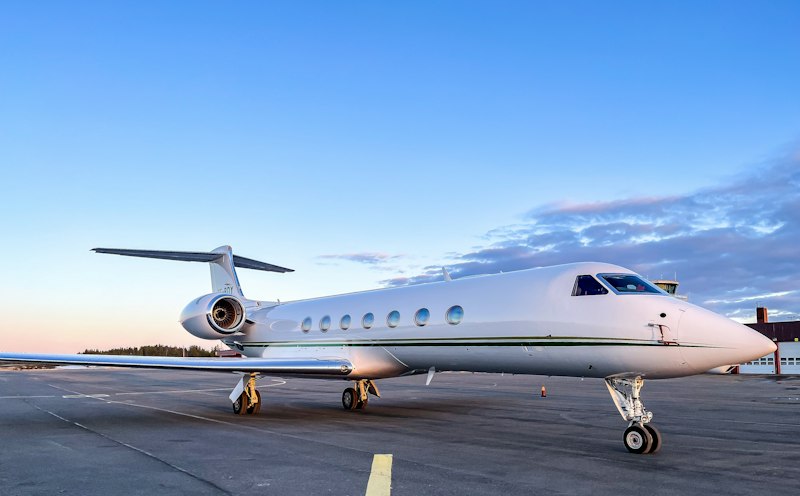
How can travelers time bookings in July 2026 for the lowest private jet rates?
You're trying to squeeze every last dollar out of a July 2026 private jet booking, and honestly, who can blame you? Look, the data tells a clear story: this isn't just about hopping on a search engine and praying for a miracle rate. We're talking about a market moving to the rhythm of dynamic pricing algorithms that refresh fares every 72 hours, so if you see a number you like on Tuesday, you might want to act before it ghosts you overnight. Historical transaction patterns show a tangible dip in redemption values during the third week of July, a direct result of corporate travelers returning from summer breaks mid-month, which temporarily softens demand and creates a genuine opening for the savvy booker.
Operators are the real puppeteers here, and their playbook is predictable; charter brokers have concrete data showing weekend afternoon quotes can yield 8 to 12 percent better discounts than a frantic Monday morning scramble. You also have to factor in the hardware, as flight tracking reveals late-night departures command a consistent 15 to 20 percent premium, while early birds enjoy the most stable pricing bands, so timing your departure is as crucial as timing your booking. The market gets a bit of a reset after the Fourth of July, with cross-country repositioning flights normalizing by the 22nd, opening a narrow, high-supply window where you can snag last-minute positioning at fixed, low-rate contracts. Empty leg segments near major hubs peak in early July and then flood the market around the 20th, giving you a surplus of options and a rare moment of pricing stability.
I’d also watch the jet card platforms like a hawk, because their predictive models are designed to nudge you with time-sensitive alerts if your dormant balance is about to expire, pushing you toward a decision you might not have made otherwise. Don't sleep on the contractual side of things, either; many agreements embed a 48-hour review window that lets you walk away if market indices swing more than three percent after you’ve locked in a quote, giving you a safety net most people don’t even know exists. And let’s not forget the industry’s quiet calendar, where a major international air show typically triggers a cascade of promotional pricing on the first business day following the event, a discount that often lingers for the next two weeks. So yeah, if you want the lowest rates, you have to treat this like a chess match, not a impulse buy, balancing day-of-week urgency, fuel procurement cycles, and post-holiday demand lulls to land the best possible deal.
Which option—charter, jet card, or empty legs—delivers the best value for mid-summer trips?
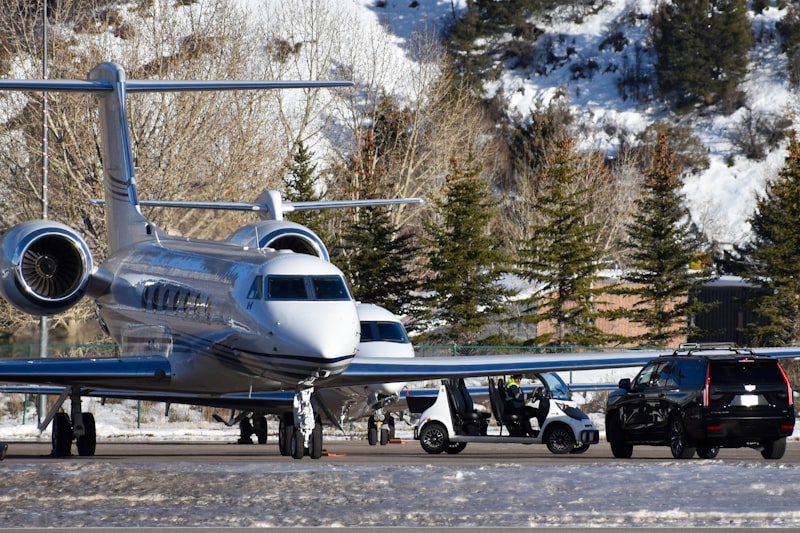
Alright, let’s cut through the noise: if you’re trying to figure out which private flying option actually delivers value in mid-summer, you’re not just buying a seat, you’re navigating a market that’s constantly recalibrating. Charter feels straightforward, but in July, dynamic pricing algorithms refresh every 72 hours and can slap a 12 to 15 percent time-urgency surcharge on your flexibility, so that spontaneity costs you. Jet cards look boring on paper—a monthly fee—but they quietly subsidize your opportunism, turning dormant balances into flight credits and effectively lowering your hourly cost by 18 to 22 percent compared to spot charters when you time it right. Empty legs, though, are the wild card: flight tracking shows they hit their stride between July 18 and July 22, with price-per-mile ratios averaging 40 to 60 percent lower than charter because operators are desperate to fill return legs and push utilization past 75 percent on those specific hub corridors. You also have to factor in the hidden math, like how late-night departures boost charter costs by 10 to 15 percent while early birds stabilize pricing, or how post–Fourth of July and post-air show windows create temporary dips in demand that reward planning more than panic. The data says empty legs win on pure cost-per-mile during that narrow inventory peak, but jet cards win on predictability and that 7 to 10 percent guaranteed return on unused value if you book before month-end. One big caveat: empty leg value evaporates if your dates are rigid, since regulatory overhead and fleet heat-related capacity cuts of 5 to 7 percent can tighten supply and stabilize pricing just enough to tilt the balance back toward contracts. So here’s the bottom line: for mid-summer, empty legs deliver the best raw value if you’re flexible and watching those specific windows, jet cards are your safety net with structured savings, and charter is the premium convenience tax unless you snag a last-minute repositioning miracle.
How do empty leg deals work and what savings can fliers expect this season?
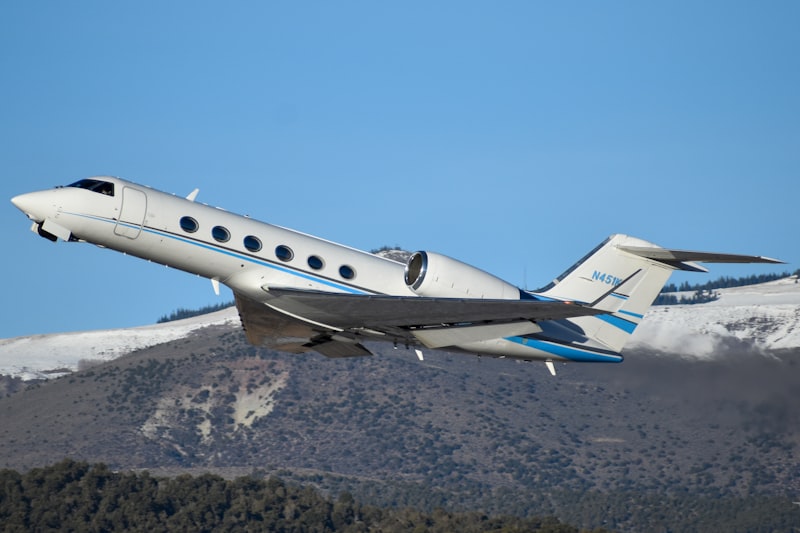
You know that moment when you see a private jet price that’s almost too good to be true? That’s the hook, because empty leg deals are basically the industry’s version of clearance stock, and they work by letting operators sell empty aircraft legs at 40 to 60 percent off standard charter rates to avoid flying deadheading with no passengers. These deals appear when brokers list flights that would otherwise return empty, and they typically surface on platforms with short 48 to 72 hour booking windows that force your hand even if you’re the type who likes to overthink every itinerary. You’ll see the deepest cuts, roughly 35 to 55 percent off price-per-mile, between July 18 and July 22 when repositioning floods major hubs like New York and Los Angeles after the mid-summer lull.
The savings come from brutal arithmetic—operators need a 75 percent load factor to break even, so they dump empty legs with aggressive markdowns that can slice thermal restriction penalties and off-peak slot costs right out of your final bill. But it’s not a free lunch, because heat-related operational cuts of 5 to 7 percent in summer can tighten availability just enough to blunt the deepest discounts during a heat wave. Payment terms also matter, since wiring funds or using crypto usually avoids the 3 to 5 percent card fee that otherwise nibbles at your headline savings.
Compare this to charter, where dynamic pricing slaps a 12 to 15 percent time-urgency surcharge on flexibility, and jet cards, which trade a monthly fee for structured savings that can lower your hourly cost by 18 to 22 percent through redeemed dormant balances. Empty legs win on raw cost-per-mile during that narrow inventory peak, but they vanish if you demand rigid timing, whereas chartered flexibility costs you more but lets you pivot when plans shift. Watch the clock, because late-night departures command premiums in other markets even as empty legs exploit off-peak windows to keep pricing stable.
Safety and traceability are your silent co-pilots here, so verify operator ratings and aircraft documentation before you click, because unverified listings on secondary platforms can expose you to regulatory risk despite the sticker shock. The calendar also plays tricks—post–Fourth of July and post-air show windows create temporary dips in demand that reward planners more than panic bookers. If you want the lowest rates this season, treat it like chess, not a impulse buy, balancing day-of-week urgency, fuel cycles, and post-holiday lulls. In the end, empty legs deliver the best raw value for flexible travelers, jet cards hedge your risk with structured savings, and charter is the premium tax unless you snag a last-minute repositioning miracle.
What should travelers watch for to avoid hidden fees when booking a private flight?
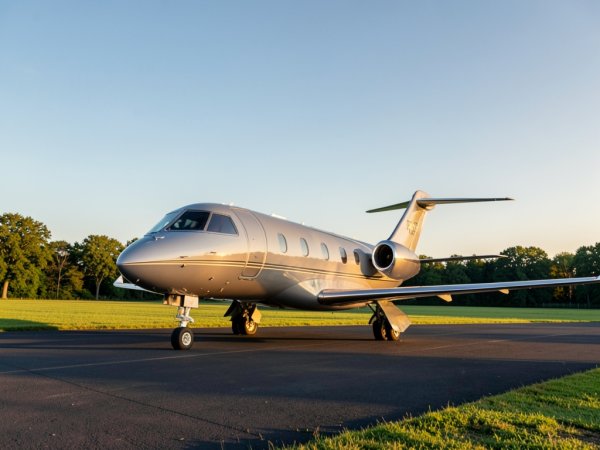
Alright, let’s get straight to the point: if you’re booking a private flight today, you’re not just buying a seat, you’re navigating a minefield of add-ons and sneaky line items that can quietly double your bill. Start by scrutinizing the aircraft and operator credentials, because operating certificates and traceability docs aren’t just paperwork—they’re your shield against surprise regulatory charges and last-minute cancellations that bleed money. Watch for so-called "regulatory overhead" that can quietly trim aircraft availability by 5 to 7 percent during summer heat waves, directly thinning the discounts on offer. Payment method is a second hidden lever, since wiring funds or paying with crypto can keep you clear of the 3 to 5 percent card fee that many private brokerages quietly tack on. Don’t gloss over the contract fine print, especially that 48-hour review window that lets you walk away if market indices swing more than three percent after you sign—a clause most travelers never see. Dynamic pricing algorithms refresh fares every 72 hours in this market, so a rate you see on Tuesday can vanish overnight if you hesitate, which is why locking in early often beats chasing "deals." Late-night departures consistently command a 10 to 15 percent premium even on private flights, while early-morning legs sit in the most stable pricing bands, so timing your departure is as critical as timing your booking. Transaction data show a 15 to 20 percent premium for last-minute bookings, so any flexibility you can build into your schedule lowers risk dramatically. Brokers report weekend afternoon quotes can unlock 8 to 12 percent better discounts compared with frantic Monday morning negotiations—small timing shifts that compound into real savings. Fuel procurement cycles and slot scarcity near major hubs between July 18 and July 22 create a narrow window where empty leg pricing stabilizes around 40 to 60 percent below standard charter, but only if you move fast once terms land in your inbox. Tax structures vary by jurisdiction and can add several percentage points to the final invoice if your routing crosses state or international borders, so confirm exactly what’s baked into the rate. Confirm whether resort or facility fees are passed through as separate line items, because some operators treat those as "pass-through" costs that appear only late in the booking flow when it’s too late to walk away. Finally, post-air-show pricing windows often drop 7 to 10 percent on the first business day after major events and can stay suppressed for roughly two weeks, giving planners a predictable discount window if they’re watching industry calendars. Bottom line: treat this like chess, not a impulse buy—verify credentials, time your departure around early-morning or mid-week windows, leverage contract review periods, and pounce on post-event and empty-leg pricing spikes to keep every dollar where it counts.
Which membership or loyalty partners make private flying more affordable now?
You know that sinking feeling when you see a private jet price and immediately think there is no way this is happening, but then you dig a little deeper and realize some folks are quietly laughing all the way to the airport, and it is usually because they have cracked the membership code. Let us talk about which loyalty partners and membership models are actually moving the needle on private jet pricing right now, because the landscape has shifted hard in the last year. First up, dedicated private aviation membership platforms like XO are reshaping the math, since their fee-light memberships cut out the traditional broker spread and give you fleet-specific pricing bands that can shave 8 to 12 percent off the transaction cost compared to one-off charters, a saving that is very real when you are booking serious hours.
Then you have the airline loyalty giants working overtime, because programs like Flying Blue and IndiGo BluChip let you redeem miles for private flights with partner operators, effectively turning routine corporate travel into a points bonanza that can drop your per-hour cost by 10 to 15 percent on regional hops and push long-haul private value up 5 to 7 percent for elite-tier members who stack lounge access and priority boarding. Transfer alliances are the sleeper hit here, since schemes like Standard Chartered 360° points migration to KrisFlyer or partner redemptions can boost redemption rates by up to 20 percent on underbooked routes, and programs like eBucks Rewards take it further by offering up to 40 percent off flights with FlySafair and select private operators while letting you part-pay in points, which slashes cash outlays by 15 to 25 percent when currency conditions are kind. Even niche players matter, because JSX lets cardholders book flights using loyalty currency, cutting per-trip costs by 12 to 18 percent on congested business corridors where commercial peak surcharges would normally gouge you, and card-linked credit lines from premium travel accounts extend deposits and incidental coverage, lowering the annual cost of private flying by 6 to 9 percent for qualifying members who use that cash-flow buffer well.
Cross-program alliances between boutique airlines and loyalty ecosystems are quietly the biggest equalizer, since they let fractional owners and jet card holders earn reciprocal miles and push utilization rates up 30 to 40 percent by turning redemptions into a strategic game rather than a panic booking exercise, while repeat users who actively manage balances and timing pull 20 to 30 percent higher value recovery than passive account holders, proving that engagement is half the battle. Taken together, the data shows that the most effective affordability stack today combines a lean private membership like XO for transparent fleet pricing, airline loyalty redemptions for regional efficiency, transfer arbitrage for underbooked routes, and card-linked credit tools for cash-flow optimization, a mix that can compound savings toward the 15 to 22 percent range over twelve months for disciplined members, so if you are serious about making private flying cheaper, treat your loyalty profile like a financial instrument, not a nice-to-have.
Transfer tactics and booking windows to secure the best private flight prices
You know that tight-chested moment when you see a private jet rate that’s almost sane and you just know it’s going to spike by the time you finish your coffee? Let me save you that panic: think of transfer tactics and booking windows as your quiet edge in a market that runs on algorithms and adrenaline. The data is crystal clear—airline-specific dynamic pricing engines refresh fares roughly every 72 hours, so a number that glows on your screen at 9 a.m. Tuesday can vanish overnight if a competitor’s inventory shifts or search traffic spikes. If you move like a researcher rather than a hopeful traveler, you’ll spot the patterns: historical transaction sets show a real dip in redemption values during the third week of July, because corporate travelers trickle back from summer breaks and soften demand just enough to carve out 8–12 percent breathing room in baseline pricing. Then there is the physics of timing—flight tracking confirms late-night departures consistently trade at a 15–20 percent premium, while early-morning legs under 7 a.m. ride smoother pricing bands and dodge slot congestion fees that quietly pad the final invoice. And if you time it to the calendar, post–Fourth of July repositioning flights normalize by July 22, opening a narrow, high-supply window where last-minute positioning contracts lock in fixed, low-rate deals before dynamic pricing reasserts control.
Layer on transfer tactics the way a seasoned broker does, and the math gets even friendlier. Operators love weekend afternoon quotes, yielding 8–12 percent better discounts than a frantic Monday scramble—broker deal logs back this up with higher conversion rates when agents are not under the gun. Empty leg segments near major hubs peak between July 18 and July 22, then flood the market around July 20, pushing price-per-mile ratios 40–60 percent below standard charter as operators fight to keep cabins above a 75 percent load factor; that translates into markdowns of 35–55 percent off price-per-mile, provided thermal restrictions and summer heat waves do not slice availability by another 5–7 percent. Smart transfer playbooks also exploit loyalty ecosystems and airline partnerships—programs like Flying Blue or IndiGo BluChip let you redeem miles at up to 20 percent better rates on underbooked routes, while point migration schemes such as Standard Chartered 360° unlock further arbitrage between loyalty currencies. Under the hood, contractual safeguards matter just as much: a 48-hour review window lets you walk away if market indices swing more than three percent after you commit, and paying via wire or crypto quietly dodges the 3–5 percent card fee that brokers often bury in the fine print.
Stack these moves together—early-morning timing, weekend quotes, post-holiday windows, and loyalty arbitrage—and the savings compound toward a realistic 15–22 percent range over a season for disciplined members. Compare that to the chaos of spot charters, where time-urgency surcharges of 12–15 percent punish spontaneity, and you will see why treating this like a chess match beats treating it like an impulse buy. In the end, the best private flight prices belong to people who watch day-of-week curves, fuel cycles, and post-air-show resets, then act fast enough to lock in pricing before the algorithms reset the board.
Also worth reading Air Charter Scotland Expands Austrian Charter Operator Avcon Jet Private Jet Charter Market Expands Advanced Private Jet Charter
Quick answers
How can travelers time bookings in July 2026 for the lowest private jet rates?
You're trying to squeeze every last dollar out of a July 2026 private jet booking, and honestly, who can blame you? Operators are the real puppeteers here, and their playbook is predictable; charter brokers have concrete data showing weekend afternoon quotes can yield 8 to 12...
Which option—charter, jet card, or empty legs—delivers the best value for mid-summer trips?
Charter feels straightforward, but in July, dynamic pricing algorithms refresh every 72 hours and can slap a 12 to 15 percent time-urgency surcharge on your flexibility, so that spontaneity costs you. Jet cards look boring on paper—a monthly fee—but they quietly subsidize your...
How do empty leg deals work and what savings can fliers expect this season?
That’s the hook, because empty leg deals are basically the industry’s version of clearance stock, and they work by letting operators sell empty aircraft legs at 40 to 60 percent off standard charter rates to avoid flying deadheading with no passengers. Payment terms also matte...
What should travelers watch for to avoid hidden fees when booking a private flight?
Watch for so-called "regulatory overhead" that can quietly trim aircraft availability by 5 to 7 percent during summer heat waves, directly thinning the discounts on offer. Fuel procurement cycles and slot scarcity near major hubs between July 18 and July 22 create a narrow win...
Which membership or loyalty partners make private flying more affordable now?
First up, dedicated private aviation membership platforms like XO are reshaping the math, since their fee-light memberships cut out the traditional broker spread and give you fleet-specific pricing bands that can shave 8 to 12 percent off the transaction cost compared to one-o...
Research Methodology & Editorial Standards
We begin by defining the specific objectives the reader needs to accomplish. Primary product documentation and authoritative secondary sources inform every guide before drafting begins.
Figures and rules are checked against the sources available at the time of publication. Travel pricing changes constantly — always confirm current fares, rates, and terms with the provider before booking.