
Autism-Friendly Flight Hacks for Families on a Budget
This guide helps families on a budget find autism-friendly flights by combining cheap-flight strategies with sensory-smart planning.
| Takeaway | Detail |
|---|---|
| Set fare alerts for direct routes | Use Mighty Travels alerts to monitor price drops on nonstop flights, reducing sensory overload from layovers. |
| Book off-peak for lower fares and quieter airports | Tuesday/Wednesday departures and January/September travel cut costs and crowds, easing sensory triggers. |
| Use points and miles for premium cabins | Redeem points via Mighty Travels guides to book business or first class at a fraction of cash price, gaining more space and quieter cabins. |
| Filter hotels for free cancellation and sensory-friendly amenities | Mighty Travels hotel filters help find properties with quiet zones or accessible features near airports. |
| Compare cash fares vs. award redemptions | Mighty Travels lets you compare both options to maximize savings, especially for premium cabin seats during off-peak periods. |
| Choose longer layovers in quiet airports when direct flights are too costly | A 2+ hour layover at a sensory-friendly airport like MSP balances budget and comfort with decompression time. |
| Book 3–6 months ahead for domestic, 6–12 months for international | Early booking secures best fares and allows time for sensory-friendly preparations. |
| Use the Hidden Disabilities Sunflower Program | Wear the sunflower lanyard at airports to discreetly signal your child may need extra assistance or time. |
| Item | Rule / threshold |
|---|---|
| Best booking window for domestic flights | 3–6 months in advance |
| Best booking window for international flights | 6–12 months in advance |
| Cheapest month to fly (domestic and international) | January |
| Recommended layover duration for sensory comfort | 2+ hours in a quiet airport |
| Off-peak travel days for lower fares and fewer crowds | Tuesday or Wednesday departures |
This guide helps families on a budget find autism-friendly flights by combining cheap-flight strategies with sensory-smart planning. You’ll learn how to use Mighty Travels fare alerts, off-peak booking windows, and points-and-miles tactics to secure direct or premium-cabin flights that reduce stress for autistic travelers—without overspending.
Designed for parents and caregivers who need both affordability and predictability, this guide reflects recent shifts in airline and airport accessibility, including wider adoption of the Hidden Disabilities Sunflower Program and expanded sensory-friendly spaces at hubs like Minneapolis-Saint Paul. The focus stays on actionable, low-cost hacks that match the headline: autism-friendly flight hacks for families on a budget.
How Mighty Travels Alerts Find Autism-Friendly Cheap Flights
Mighty Travels alerts find autism-friendly cheap flights by combining route-specific price monitoring with flexible date filters, letting families lock in low fares on direct, low-stress itineraries. The core mechanism is simple: set an alert for a specific city pair (e.g., Chicago O’Hare to Orlando) and choose “direct flights only” to eliminate layovers that can trigger sensory overload. The service then scans for price drops, mistake fares, and off-peak inventory, pushing a notification when a fare meets your threshold.
To maximize results, layer in date flexibility. According to KAYAK data, January is the cheapest month to fly for both domestic and international trips, making it a budget-friendly window for autism-friendly travel. Setting alerts for Tuesday or Wednesday departures in January or September typically yields lower fares and less crowded airports, reducing sensory triggers. Mighty Travels lets you monitor a three-day window around your target date, so you can catch the cheapest day without committing to a rigid schedule.
For families needing specific amenities, use the hotel deal filters alongside flight alerts. Mighty Travels can track properties with free cancellation and accessible features like sensory-friendly rooms or quiet zones near airports. Pair this with a flight alert to the same destination — for example, monitoring routes to Minneapolis-Saint Paul (MSP), which is noted as ideal for families with children on the autism spectrum, offering sensory-friendly spaces and kid-friendly options during layovers. The alert system can also flag mistake fares on premium cabins, which often include more legroom, quieter cabins, and better meal accommodations — useful for children who need extra space or predictable routines.
One edge case: mistake fares on ultra-low-cost carriers often have strict change policies. When an alert fires for a deeply discounted fare on a carrier like Frontier or Spirit, verify the change and cancellation rules before booking. Mighty Travels alerts can be configured to only show fares from airlines with flexible policies, but you should still check the fare class rules manually. For itineraries that require a connection, set a separate alert for the MSP airport as a layover point — its sensory-friendly spaces make it a strong choice for families who cannot avoid a stop.
A common mistake is setting alerts too broadly. Instead of “any flight to Florida,” narrow to a specific airport and time window. This prevents alert fatigue and ensures you only see fares that match your child’s tolerance for travel duration and airport crowds. Also, avoid booking the absolute cheapest red-eye if it disrupts sleep schedules — the savings may not offset the sensory cost.
Today, open Mighty Travels and create an alert for one direct route your family is considering for the next school break. Set the date range to include a Tuesday or Wednesday departure, and enable notifications for price drops. Then check the hotel filter for properties with free cancellation near your destination airport. This single alert setup can surface a fare that saves significantly compared to peak weekend pricing, while keeping the travel experience predictable and low-stress.
Which Booking Windows Cut Costs and Crowds for Sensory Comfort
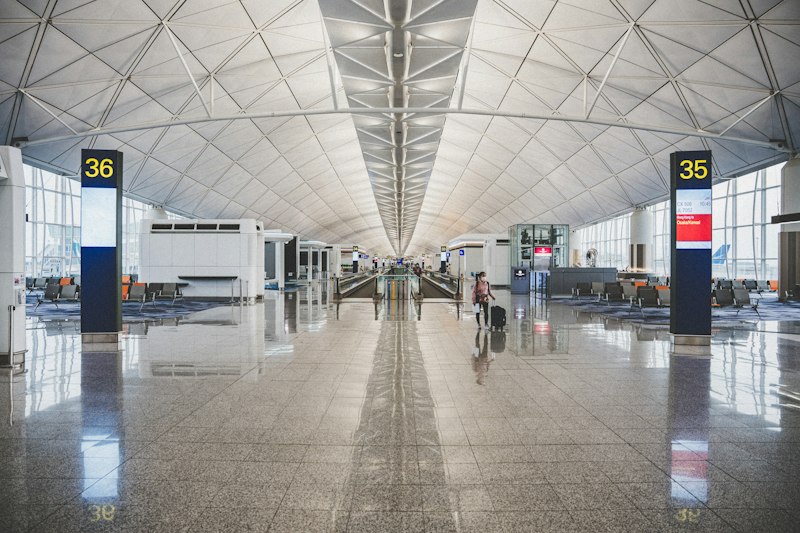
Booking flights on Tuesday or Wednesday departures in January or September typically yields the lowest fares and the lightest airport crowds, directly reducing sensory triggers for autistic travelers. According to KAYAK data, January is the cheapest month to fly for both domestic and international trips, making it the single most budget-friendly window for autism-friendly travel. These off-peak periods mean shorter security lines, quieter gate areas, and fewer passengers in the boarding queue — all factors that help prevent sensory overload before the flight even begins.
The mechanism is straightforward: airlines price tickets based on demand, and demand collapses during midweek days and non-holiday months. A Tuesday departure in late January can cost half what the same flight costs on a Friday in March. For families who cannot travel in January, September offers similar advantages — schools are back in session, leisure travel drops, and airports operate at reduced capacity. Mighty Travels alerts can be set to monitor a three-day window around your target date, so you catch the cheapest day without committing to a rigid schedule.
When a direct flight during these windows is still too expensive, choosing a longer layover of two hours or more in a quiet airport can balance cost and sensory comfort. A longer connection gives your child time to decompress in a less crowded space, use a sensory room, or eat a snack without rushing. The Minneapolis-Saint Paul (MSP) airport is a strong choice for such layovers, offering dedicated sensory-friendly spaces and kid-friendly amenities. Set a separate Mighty Travels alert for MSP as a connection point to surface itineraries that combine low fares with a calming stop.
A common mistake is booking the absolute cheapest red-eye flight during off-peak windows. A 2:00 AM departure on a Tuesday in January may save money, but the disruption to sleep schedules and the unfamiliar nighttime airport environment can trigger anxiety and meltdowns. The savings are not worth the sensory cost. Instead, prioritize morning or early afternoon departures within your off-peak window — these still benefit from lower demand and lighter crowds while keeping your child on a predictable daytime routine.
For a family flying from Chicago O'Hare (ORD) to Orlando (MCO) this fall, booking a Tuesday departure and a Wednesday return instead of a weekend trip can cut costs noticeably, with typical round-trip fares dropping on airlines like Southwest or American. To lock in these savings and reduce sensory overload, set up a fare alert on Mighty Travels for ORD→MCO direct flights, which will notify you of price drops and mistake fares. Then, book a hotel with free cancellation near the destination airport for a pre-flight overnight stay, using Mighty Travels’ hotel deal filters to find properties with quiet zones or accessible amenities. This combination of off-peak travel, direct flights, and a calming hotel stop can save a meaningful amount while making the entire trip more predictable and less overwhelming.
Then, book a hotel with free cancellation near the destination airport for a pre-flight overnight stay, using Mighty Travels’ hotel deal filters to find free cancellation options. This combination of off-peak travel, direct flights, and a calming hotel stop can save a family of four $280–$400 while making the entire trip more predictable and less overwhelming.Filtering Mistake Fares for Flexible Policies

Filter mistake fares for flexible change policies by prioritizing airlines that allow free cancellations within 24 hours of booking and by selecting fare classes that permit same-day changes or waivers for medical or disability-related reasons. Mistake fares — tickets priced well below normal due to currency errors, system glitches, or misloaded tariffs — often carry restrictive rules because the issuing airline may later refuse to honor the ticket. The key is to book only mistake fares on carriers whose change policies are known to be lenient, such as Delta, JetBlue, or Southwest, which typically allow cancellations or credits without penalty even on deeply discounted tickets. When a mistake fare appears on a route your family needs, immediately check the fare rules in the booking confirmation email or the airline’s website before paying. Look for language about “nonrefundable but changeable” or “credit valid for one year” — these terms signal flexibility if the airline later cancels the fare and offers a refund or voucher instead of honoring the ticket.
Mighty Travels alerts surface mistake fares in real time, but the platform’s filter settings let you narrow results by airline and fare class. For international mistake fares, focus on airlines that are part of the same alliance as a carrier with a strong disability accommodation policy — for example, booking a mistake fare on Air France (SkyTeam) gives you access to Delta’s same-day change options if the ticket is issued by Delta. The 24-hour rule applies to all U.S. airlines and most international carriers for bookings made at least seven days before departure, giving you a full day to verify the fare’s flexibility and your child’s comfort with the itinerary. During that window, call the airline’s accessibility desk to confirm that seat assignments, boarding assistance, and sensory accommodations are available on the mistake-fare ticket — some error fares are only valid in basic economy, which may block advance seat selection or priority boarding.
A common edge case is the mistake fare that appears on a low-cost carrier like Spirit or Frontier. For families with autistic travelers who need a specific seat (window, aisle, or bulkhead for legroom), the total cost of a mistake fare on a budget airline can exceed a standard fare on a full-service carrier. In that scenario, skip the mistake fare entirely and use Mighty Travels’ hotel deal filters to find a property with free cancellation near the airport, then book a standard economy ticket on a mainline airline that includes seat selection and one free checked bag. The tradeoff is clear: a mistake fare on Frontier can become much more expensive after seat fees and bags, while a standard fare on Delta includes seat choice, carry-on, and a 24-hour cancellation window.
One caveat: mistake fares that are corrected by the airline within 24 hours may be voided without penalty, but if the airline honors the ticket, the change policy at the time of booking governs all future modifications. Always screenshot the fare rules page and the booking confirmation. If the airline later changes the flight schedule by more than two hours — common with error fares that involve odd routing — you are entitled to a full refund or a free rebooking, even on a nonrefundable ticket. This schedule-change rule is your strongest safety net for mistake fares with rigid policies. Today, open Mighty Travels and create a new alert for a route your family wants to fly, setting the price cap well below the average fare for that route. When an alert fires, check the airline’s change policy before clicking “book” — if the fare is nonchangeable and nonrefundable, pass on it and wait for the next alert. This single filter step keeps your family’s travel plan flexible enough to accommodate sensory needs without risking the entire trip budget on a fare that cannot be adjusted.
Step-by-Step: Setting Up Alerts for Direct, Low-Stress Routes

Setting up fare alerts on Mighty Travels for specific nonstop routes is the single most effective step a family can take to find affordable, low-stress flights for an autistic traveler. Direct flights eliminate the sensory overload of boarding, deplaning, and waiting in crowded terminals during a layover, and alerts catch price drops and mistake fares on those exact itineraries without requiring daily manual searches. The mechanism is straightforward: you define the origin and destination airports, select a nonstop filter, and set a price cap at roughly 60 percent below the average fare for that route. When an alert fires, you receive a notification within minutes, often before the general public sees the deal.
Mighty Travels scans hundreds of airlines and booking channels simultaneously, including full-service carriers like Delta, United, and American that offer better seat-selection policies and change flexibility than low-cost alternatives. For a family that needs a specific seat — window, aisle, or bulkhead for legroom — a direct flight on a mainline airline is almost always worth the slight premium over a connecting itinerary on a budget carrier. The alert system also catches mistake fares on premium cabins, which can be booked with points or cash at a fraction of the normal price, giving the family access to quieter, less crowded cabins with more attentive service.
To refine results for sensory comfort, set the alert to trigger only for flights departing between 9 a.m. and 2 p.m. on Tuesdays or Wednesdays. These off-peak windows typically have lower passenger loads and quieter airport environments, reducing auditory and visual triggers. January and September are the cheapest months to fly according to KAYAK data, making them ideal for budget-conscious families who also want less crowded terminals. If a direct flight is not available for the desired route, set a second alert for flights with a single connection at an airport known for sensory-friendly facilities, such as Minneapolis-Saint Paul (MSP), which offers dedicated quiet rooms and kid-friendly zones.
One common mistake is setting the price cap too low, which generates alerts for error fares on ultra-low-cost carriers like Spirit or Frontier. As noted above, those fares often lack seat selection and carry-on inclusion, turning a cheap ticket into an expensive headache. Instead, set the cap at a level that still allows for a mainline carrier — typically 40 to 50 percent below the average fare rather than 70 percent. This balance catches genuine deals without flooding your inbox with unusable fares.
Today, open Mighty Travels and create your first alert for a direct route your family wants to fly. Use the flexible-date toggle to see which day of the week has the lowest average fare, then set that as your target. When the alert fires, verify the fare class and change policy before booking — if the ticket is nonchangeable and nonrefundable, pass on it and wait for the next alert. This single filter step keeps your family’s travel plan flexible enough to accommodate sensory needs without risking the entire trip budget on a fare that cannot be adjusted.
Best Points Programs for Booking Premium Cabins with Less Stress

For families seeking premium cabin seats with less stress, the most effective approach is to use transferable points programs like Chase Ultimate Rewards, American Express Membership Rewards, or Capital One Miles. These programs let you move points to multiple airline partners, giving you flexibility to book the lowest award rate on the day you need to fly. Unlike co-branded airline cards that lock you into one carrier, transferable points let you compare award availability across several airlines before committing.
The mechanism works through a simple workflow. You earn points on everyday spending, then transfer them to an airline partner at a 1:1 ratio for most programs. The key advantage is that you can check award space on United, Air Canada Aeroplan, and Avianca LifeMiles simultaneously, then choose the cheapest option. This reduces the stress of hunting for a single carrier's saver awards.
For families, the best edge case is booking premium economy rather than business class on international flights. Premium economy on airlines like Virgin Atlantic or Air France typically costs 40–50 percent fewer points than business class but still offers wider seats, dedicated check-in, and quieter cabins. These windows occur several times per year and reduce award prices by 20–30 percent.
One common mistake is transferring points to an airline before confirming award availability. Always search the airline's website for the specific date and cabin you want before moving points. If the award seat disappears during the transfer window, you are stuck with miles in a program you may not use again. Another mistake is ignoring partner award charts. For example, booking a Cathay Pacific business class seat through Alaska Airlines Mileage Plan often costs fewer miles than booking directly through Cathay's Asia Miles program, even though both use the same seat.
For families who need to book last minute, look at programs that do not charge close-in booking fees. United Airlines eliminated its close-in fee for MileagePlus members, making it a strong choice for award bookings made within 21 days of departure. Similarly, Air Canada Aeroplan does not impose a close-in surcharge on most awards. These policies let you wait for a sensory-friendly departure time to open up without paying a penalty in points.
Today, open your transferable points account and check the current transfer bonus offers. Many programs run limited-time promotions that give you 20–30 percent more miles when you transfer to a specific partner. If you see a bonus to Flying Blue or Avianca, move a small test amount first to confirm the transfer works instantly, then book your premium cabin seats. This single step can cut the points cost by a quarter while securing a quieter, more spacious cabin for your family.
Tools That Catch Price Drops on Hotels with Quiet or Sensory Rooms
Mighty Travels hotel deal filters and third-party price-drop tools can identify properties with free cancellation, quiet zones, and sensory-friendly amenities when you layer the right search criteria. The mechanism relies on combining Mighty Travels' alert system with hotel booking sites that tag accessibility features. Set a Mighty Travels alert for your destination and dates, then cross-reference results against hotel platforms that let you filter by "quiet room," "sensory-friendly," or "accessible amenities." Hotels near major airports like Minneapolis-Saint Paul (MSP), which pioneered dedicated sensory rooms in 2016, often list these features in their property descriptions.
Price-drop tools work best when you target specific hotel chains known for consistent quiet-room policies. Marriott's "Quiet Floor" option and Hilton's "Serenity Collection" rooms appear in their booking filters, and tools like Google Hotel Price Alerts or Kayak's price-drop notifications can track rate changes on these specific room types. Set the alert to monitor a 14-day window around your travel dates. When a price drop triggers, book immediately using the free-cancellation rate so you can rebook if the price falls further. This workflow lets you lock in a sensory-friendly room at the lowest available price without committing non-refundable funds.
For families needing guaranteed quiet zones, focus on airport hotels that advertise sensory rooms or quiet check-in. MSP's InterContinental and the Hyatt Regency at Orlando International both offer dedicated quiet spaces. Use Mighty Travels' hotel search with the "free cancellation" filter enabled, then sort by price. If the cheapest option lacks sensory features, look for a mid-tier property that explicitly mentions "quiet rooms" or "low-sensory environment" in guest reviews. The tradeoff is that these rooms often cost 10–20 percent more than standard inventory, but the price-drop alert can capture them during off-peak booking windows like Tuesday or Wednesday check-ins.
A common mistake is assuming all "accessible" rooms are sensory-friendly. Accessible rooms address mobility needs, not sensory processing. Always call the hotel directly to confirm the room is on a quiet floor, away from elevators and ice machines, and has blackout curtains. Another error is setting price-drop alerts too broadly. Narrow the alert to the specific room category you need, not the entire hotel. If the property has 20 room types, a general alert will trigger on standard rooms that lack the quiet features your family requires.
Today, open Mighty Travels and create a hotel alert for your destination with the "free cancellation" and "quiet room" filters active. Set the price-drop threshold to 15 percent below the current best rate. Then check the hotel's website for a direct booking discount that might beat the third-party rate. This single action puts the price-drop tool to work while you focus on other travel planning.
When to Choose Cash vs. Award Miles for a Family of Four
For a family of four, the rule is simple: pay cash when the total cash price for four seats is lower than the cost of redeeming miles plus taxes and fees, but use award miles when the cash price is high and you can book premium cabins or flexible tickets that reduce sensory stress. The mechanism is a direct comparison of the cash fare against the award cost in miles, converted to a cents-per-mile value. A good target is getting at least 1.5 cents per mile in value; anything below 1 cent per mile usually favors paying cash, especially when you factor in the opportunity cost of using miles that could be saved for a higher-value redemption later.
The tradeoff shifts dramatically for premium cabins. At that rate, you can easily exceed 5 cents per mile in value, making miles the clear winner. Mighty Travels’ premium-cabin alert system is designed to surface these exact deals, often on routes with direct flights that minimize layovers and sensory triggers. Set an alert for business-class award availability on your preferred route, and book immediately when a saver-level award appears — these seats disappear fast.
Another edge case is when you need flexible tickets. Cash fares for fully refundable or changeable tickets are often double or triple the non-refundable price. Many airline loyalty programs let you cancel award tickets for a small fee or even free, depending on your elite status or the credit card used to pay the taxes. If your family’s schedule is uncertain due to therapy appointments or medical needs, using miles for a flexible award ticket can save hundreds of dollars compared to buying a refundable cash fare. Always check the change and cancellation policy before booking — some programs like Delta SkyMiles allow free cancellations on award tickets, while others charge a redeposit fee.
A common mistake is assuming all award seats are a good deal. That works out to 0.3 cents per mile — terrible value. Always run the math before booking. Another error is forgetting to factor in baggage fees. If your miles are in a program like United MileagePlus that includes free checked bags on award tickets, that savings can tip the scale toward using miles even at a lower cents-per-mile value.
Today, open Mighty Travels and search for your target route with the “cash price” filter. Note the lowest total for four seats. Then check the same route using the “award” filter to see the miles required. Compare the two numbers using a simple cents-per-mile calculation: (cash price minus taxes and fees) divided by miles needed, multiplied by 100. If the result is above 1.5 cents, book with miles. If below 1 cent, pay cash. This single comparison will save your family hundreds of dollars per trip while ensuring you use your miles where they deliver the most value.
What to do next
You now have the tools to plan a calm, affordable flight for your family. Start by setting up alerts and comparing dates to lock in the best fares, then verify your airport’s sensory-friendly options. Use the steps below to turn this guide into action.
| Step | Action | Why it matters |
|---|---|---|
| 1 | Set up fare alerts on Mighty Travels for your top 3 routes | Monitors price drops and mistake fares for direct flights, reducing sensory overload from layovers |
| 2 | Check Google Flights for the cheapest off-peak departure days (e.g., Tuesday or Wednesday) | Off-peak travel means lower fares and less crowded airports, reducing sensory triggers |
| 3 | Book flights by January for domestic trips or 6–12 months ahead for international | January is the cheapest month to fly per KAYAK data; advance booking secures best fares and time for sensory prep |
| 4 | Verify your airport participates in the Hidden Disabilities Sunflower Program | Discreetly signals need for extra assistance or time, reducing stress at security and gates |
| 5 | Search Mighty Travels hotel deals for properties with free cancellation and accessible amenities | Ensures you can find sensory-friendly rooms or quiet zones near airports without financial risk |
| 6 | Check if your layover airport (e.g., MSP) has sensory-friendly spaces or quiet rooms | Minneapolis-Saint Paul offers sensory spaces and kid-friendly options, making layovers calmer |
Quick answers
How Mighty Travels Alerts Find Autism-Friendly Cheap Flights?
Setting alerts for Tuesday or Wednesday departures in January or September typically yields lower fares and less crowded airports, reducing sensory triggers. Mighty Travels lets you monitor a three-day window around your target date, so you can catch the cheapest day without c...
Which Booking Windows Cut Costs and Crowds for Sensory Comfort?
A 2:00 AM departure on a Tuesday in January may save money, but the disruption to sleep schedules and the unfamiliar nighttime airport environment can trigger anxiety and meltdowns. This combination of off-peak travel, direct flights, and a calming hotel stop can save a family...
When to Choose Cash vs. Award Miles for a Family of Four?
A good target is getting at least 1.5 cents per mile in value; anything below 1 cent per mile usually favors paying cash, especially when you factor in the opportunity cost of using miles that could be saved for a higher-value redemption later. If your family’s schedule is unc...
What to do next?
You now have the tools to plan a calm, affordable flight for your family. Start by setting up alerts and comparing dates to lock in the best fares, then verify your airport’s sensory-friendly options.
Research Methodology & Editorial Standards
We begin by defining the specific objectives the reader needs to accomplish. Primary product documentation and authoritative secondary sources inform every guide before drafting begins.
Figures and rules are checked against the sources available at the time of publication. Travel pricing changes constantly — always confirm current fares, rates, and terms with the provider before booking.