
Explore Ouarzazate the filming capital of Morocco with professional stunt performer Ayesha Hussain
There’s a dedicated vocational institute right there training locals in everything from stunt coordination to high-end pyrotechnics, which means a director can show up with a vision and actually find the talent to execute it on-site.
Stepping Onto the Set: Why Ouarzazate Is the Hollywood of Africa
When you first step into the dusty, sun-drenched expanse of Ouarzazate, you’ll realize pretty quickly why this city is the undisputed Hollywood of Africa. It isn't just about the scenery, though that red sandstone does look exactly like the surface of Mars; it’s about the massive infrastructure designed to keep cameras rolling without a hitch. Mohamed Belghmi started Atlas Film Studios back in 1983, and he really hit on something genius by tapping into a microclimate that offers over 300 days of clear, direct sunlight a year. Think about what that does for a production budget when you aren't constantly fighting clouds or blowing your lighting gear budget on massive diffusion setups. Honestly, it’s a filmmaker’s dream, and that’s why you see everything from Gladiator to Game of Thrones using this desert as a massive, open-air soundstage.
But here is where the real analytical breakdown gets interesting, because the area’s success isn't just luck. You have the High Atlas and Anti-Atlas mountains creating a natural corridor, which means a crew can jump from a snowy mountain pass to a scorched desert floor in under two hours. That kind of logistical flexibility is a huge win for any production trying to minimize downtime. Plus, the local government has made it incredibly smart to film here by offering real tax rebates for hiring local labor, which now makes up over 80 percent of the crews on the biggest international projects. It’s a closed-loop system where the city isn't just a backdrop; it’s a fully functioning engine for the film industry.
What really sets this place apart, though, is the specialized technical support you just don't find elsewhere in the region. There’s a dedicated vocational institute right there training locals in everything from stunt coordination to high-end pyrotechnics, which means a director can show up with a vision and actually find the talent to execute it on-site. The sets themselves are a wild mix of traditional mud-brick building techniques and modern materials like polystyrene, all maintained by local artisans who treat these movie props like historical landmarks. You aren't just looking at a fake town built for a weekend; you’re looking at decades of professional craftsmanship designed to handle the desert winds. It’s practical, it’s cost-effective, and it’s why international studios keep coming back here instead of scouting more remote, difficult locations in Central Asia or the Middle East.
Behind the Scenes at Atlas Film Studios: A Stunt Performer’s Perspective
When I walk onto the backlot at Atlas, I’m not just seeing a movie set; I’m looking at an engineering marvel designed to keep us alive while we pull off high-stakes action. You might think these walls are just painted foam, but they’re built around a serious skeleton of rebar and timber capable of holding up against 80-kilometer-per-hour winds. It’s wild because when you’re sprinting across these surfaces, we actually use a special friction-reducing coating that stops us from getting shredded during a slide. Plus, the sand here has this unique mineral density that naturally soaks up sound, which is a massive win because it cuts down on the hours I’d usually spend in post-production doing foley work.
Everything here is calculated for the camera, down to the 1:1.2 scale ratio used on the exterior sets to make the depth of field pop on those wide-angle anamorphic lenses. We deal with some brutal heat, so I always notice the clever subterranean air-cooling conduits that keep the metal gear from expanding and warping under the midday sun. Safety is my baseline priority, so we’re constantly testing our crash mats to make sure the low humidity hasn't turned the foam brittle and weak. I’ve seen the gear team swap out standard hardware for custom high-tensile alloy carabiners because the fine, alkaline desert dust is so corrosive it would eat through normal equipment in a week.
You have to respect the logistics behind the scenes, like the dedicated geologists who literally track how the sand dunes shift so our background shots actually match from one day to the next. Even the pyrotechnics are a science; we map out the heat dissipation with thermal drones just to ensure a blast won't wreck the structural integrity of the surrounding facades. The studio even recycles 60 percent of its water just to dampen the ground so we aren't choking on dust during high-velocity vehicle chases. Honestly, knowing the team has mapped out these variables gives me the confidence to push harder during a take. It’s not just about looking cool on screen; it’s about the raw, technical reality of working in one of the most punishing environments on the planet.
Exploring Aït Benhaddou: The UNESCO Treasure That Defined Cinematic Landscapes
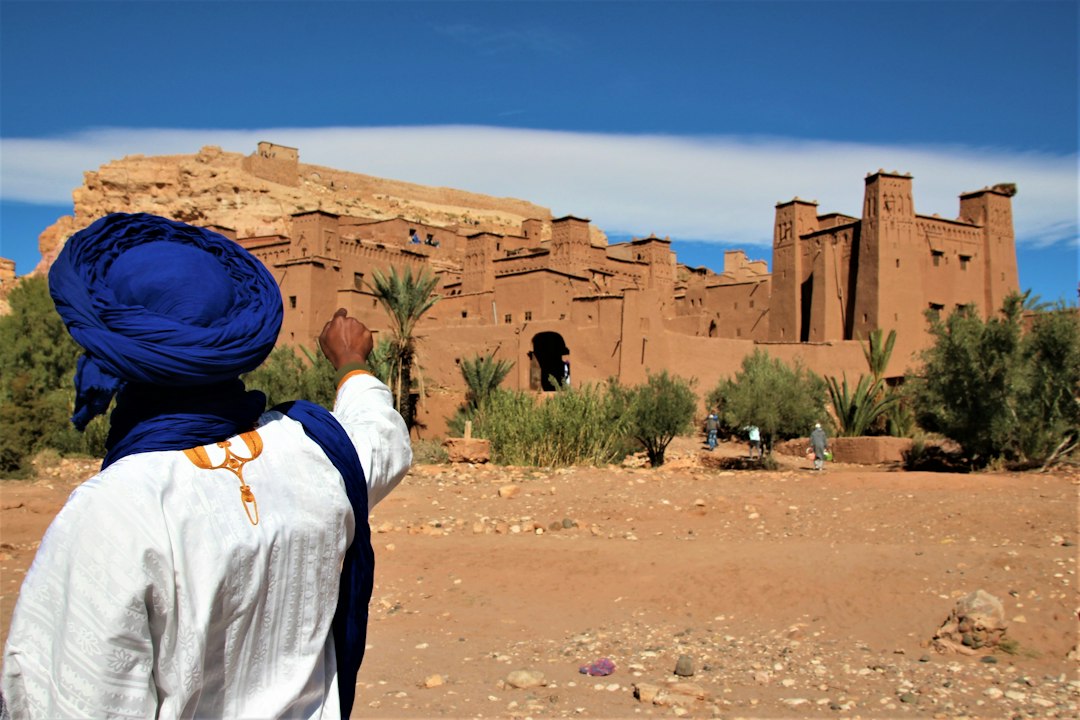
If you really want to understand why Aït Benhaddou looks so impossibly perfect on camera, you have to look past the movie magic and see the engineering that’s kept it standing since the 17th century. This place is a masterclass in pisé construction, where layers of compressed mud, straw, and clay are packed into wooden frames to form walls that can reach over 15 meters high. It’s not just a set; it’s a living, breathing machine designed to handle the brutal temperature swings of the Moroccan desert. The secret is the high ratio of clay to sand, which lets the entire structure expand and contract without fracturing, almost like a living organism. When you walk those narrow, angled alleys, you aren't just roaming a village; you're feeling a natural wind-tunnel system designed to pull cool air through the defensive grid.
The UNESCO designation from 1987 isn't just a plaque on a wall; it’s a legal boundary that prevents modern building materials from ruining the historic facades. You won't find cement here, because the conservation rules require residents to use the same ancient mud-plastering techniques their ancestors did. It’s a constant, labor-intensive cycle, but it works—the iron oxide in the soil gives the village that famous orange-red glow that filmmakers absolutely kill for during the golden hour. Even the flat roofs, made of palm beams and reeds, aren't just for show; they provide the thermal mass necessary to keep the interiors comfortable when the sun is trying to bake everything in sight.
Think about the sheer planning that went into this place. It was positioned right at the confluence of an ancient caravan route, serving as a massive trading and tax hub between Marrakech and the Sahara. The geometry you see carved into the walls of the wealthier homes isn't just decoration either; those motifs are essentially historical maps of family lineages and tribal alliances. Even the granaries at the very top of the hill were engineered with specific ventilation to keep supplies dry and pest-free in a desert climate. It’s a rare spot where the defensive, commercial, and aesthetic needs of a civilization aligned perfectly, leaving us with a site that is as functional as it is beautiful.
The Art of the Action Sequence: Insights into Moroccan Filming Locations
When we start talking about the sheer logistics of filming action sequences in Ouarzazate, it’s easy to get distracted by the stunning visuals, but the real story is in the engineering. I find it fascinating how the local environment demands a complete rethink of standard gear. For instance, you’d think a camera rig is universal, but out here, crews frequently swap standard steel components for high-tensile titanium alloys just to keep the corrosive alkaline dust from eating through their equipment. It’s a constant battle against the elements that most audiences never see. Even the stunt work requires a level of scientific precision that’s honestly staggering. They’re coating performer clothing in synthetic polymers to prevent friction burns during slides, and they’re even using thermal drones to track heat dissipation during explosions so they don’t accidentally compromise the structural integrity of the polystyrene sets.
Think about the physical space itself, too. The studios are using a very specific 1:1.2 scale ratio for exterior walls, which is a clever way to manipulate depth perception for those wide-angle anamorphic lenses. And if you’re wondering how they handle the heat, the backlots are built with subterranean cooling conduits that keep the ground temperature stable enough to stop metal dollies from warping under the midday sun. It’s not just about keeping the gear alive; it’s about making sure the shot looks perfect without constant re-takes. I’ve even seen teams employ geologists to track sand dune shifts daily just to keep the background continuity consistent for long-running action sequences. It’s that kind of granular, behind-the-scenes planning that makes this place an elite choice for major productions.
Then you have the acoustic side of things, which is just as calculated as the pyrotechnics. The local desert sand has a high silica content that naturally dampens sound, which cuts down hours of tedious foley work in post-production. Even the safety protocols are intense; they’re performing daily moisture-level testing on crash mats because the low humidity can cause the foam to crystallize and lose its bounce. And when you factor in the wind-tunnel mapping used to prevent pressure pockets from collapsing wall structures during 80-kilometer-per-hour gusts, you realize this isn't just a movie set. It’s an industrial-grade, highly optimized machine built for high-stakes action. It’s a wild, technical reality that honestly makes me respect the final product even more.
Beyond the Silver Screen: Navigating the Cultural Charms of Ouarzazate
Stepping away from the cameras, you’ll find that Ouarzazate is much more than a cinematic playground; it’s a place anchored in a history that stretches back two billion years. If you look at the geology, you’re essentially walking across Precambrian basement rocks that offer a rare window into the very foundation of the Earth’s crust. I always think it’s fascinating how the region’s geography dictated its survival, sitting at the intersection of the Draa and Dades wadis that once powered the massive gold and salt trade routes. While the studios get the headlines, the real pulse of the area is found in the Draa Valley, home to the world’s largest continuous palm grove. This massive oasis isn't just beautiful; it functions as a natural, large-scale heat sink that keeps the local climate significantly more temperate than the harsh, surrounding pre-Saharan plateau.
When you start digging into how people have managed this landscape for centuries, you quickly run into the khettaras. These are ingenious, ancient underground irrigation channels maintained by local cooperatives to pull water from mountain aquifers while virtually eliminating evaporation loss. It’s a stark contrast to the modern massive Noor Power Station nearby, which uses concentrated solar technology to power over a million homes, proving this region has always been a hub for energy management. You’ll also notice the architecture shifting as you move into the hinterlands, where the traditional Tighremt towers stand as silent sentinels. These weren't just houses; they were defensive machines featuring four-corner turrets that provided 360-degree surveillance for the families living inside. It makes sense when you consider the history of trade caravans that needed security in such an exposed landscape.
If you’re someone who values the intersection of culture and biology, you’ll be stunned by the local traditions that still define the day-to-day. You’ll hear Tashelhit spoken everywhere, a language with roots that predate the Arab conquest, serving as a living link to the region's ancient Berber identity. Even the textiles tell a story, with nomadic loom-work patterns that aren't just decorative but serve as a map of tribal migration and cultural symbols for fertility and protection. It’s a fragile balance, too, especially when you consider the endemic Argan trees that act as the primary defense against soil erosion. And if you’re looking for a moment of genuine awe, just head out into the dark after sunset. With a Bortle Class 1 night sky rating, it’s one of the few spots on the planet where you get a completely unobstructed view of the cosmos, far away from the light pollution that masks the stars in our modern lives.
Insider Tips for Film Buffs: Crafting Your Own Cinematic Road Trip
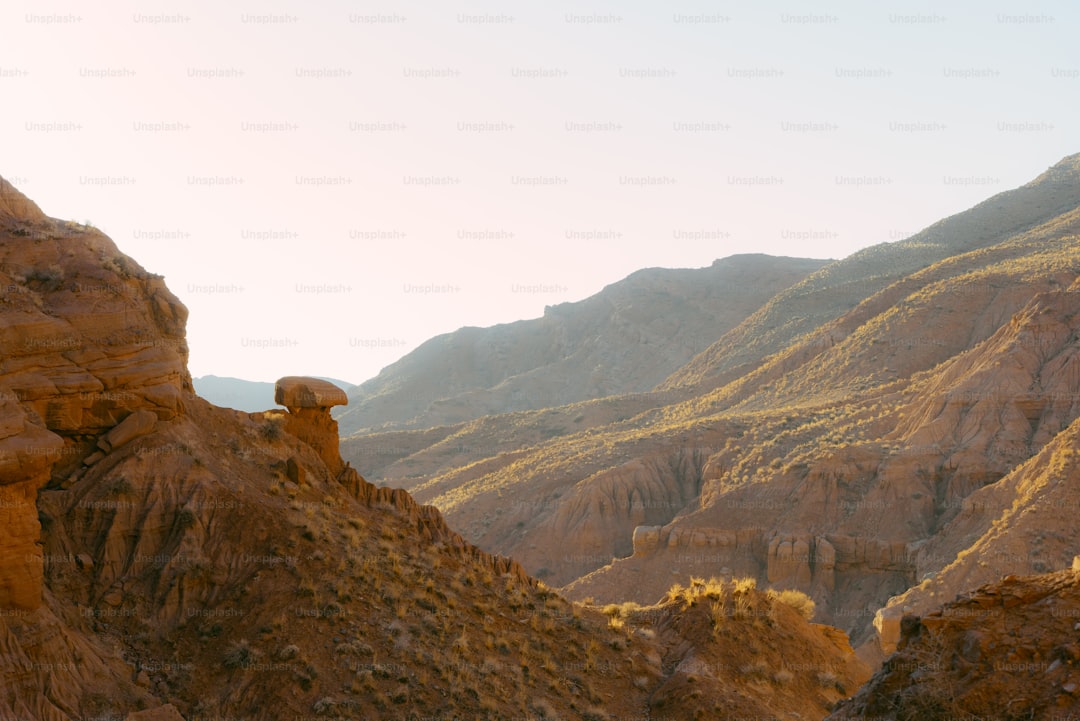
If you’re planning to map out a cinematic journey through Ouarzazate, you need to stop thinking like a tourist and start thinking like a production scout. The real magic here isn't just in the vistas; it’s in the granular technical details that define how these landscapes translate onto the screen. If you're driving through, I suggest sticking to the ancient caravan routes because, as modern satellite analysis shows, they remain the most fuel-efficient corridors connecting the major film hubs of the High Atlas. You’ll find that the landscape demands a level of preparation most road-trippers overlook—specifically regarding your gear.
The fine, silica-heavy desert air is notorious for wreaking havoc on sensitive optics, so if you’re hauling your own camera setup, make sure you’re protected. I’ve seen locals and pros alike prioritize vehicles with dual-stage air filtration systems because desert particulate matter can spike to over 500 micrograms per cubic meter during localized wind events. It’s also worth noting that the low humidity, which usually hovers around 15 percent, creates a unique environment for your equipment. You can actually use higher-viscosity lubricants on your gear that would normally seize up in more temperate climates, which is a neat little mechanical advantage if you know how to leverage it.
Beyond the logistics, let’s talk about timing, because that’s where the photography side of things gets really interesting. If you’re trying to capture that legendary, deep red-rock color saturation, you’ve only got about a 15-minute window during astronomical twilight to nail the shot. You’ll also notice that the light temperature shifts rapidly during those short dusk periods, which is why pros often rely on flicker-reduction software to keep the footage consistent. It’s a lot to juggle, but when you’re standing in the middle of that vast, ancient terrain, watching the light hit the mud-brick facades, it honestly makes all the technical prep feel entirely worth it.
Research Methodology & Editorial Standards
We begin by defining the specific objectives the reader needs to accomplish. Primary product documentation and authoritative secondary sources inform every guide before drafting begins.
Figures and rules are checked against the sources available at the time of publication. Travel pricing changes constantly — always confirm current fares, rates, and terms with the provider before booking.