
Essential Safety Tips for Hiking the Grand Canyon in Extreme Summer Heat
When we talk about the Grand Canyon, it's easy to get lost in the sheer beauty of those sweeping vistas, but I think we really need to get honest about the lethal reality waiting below the rim.
Understanding the Deadly Risks of Grand Canyon Heat
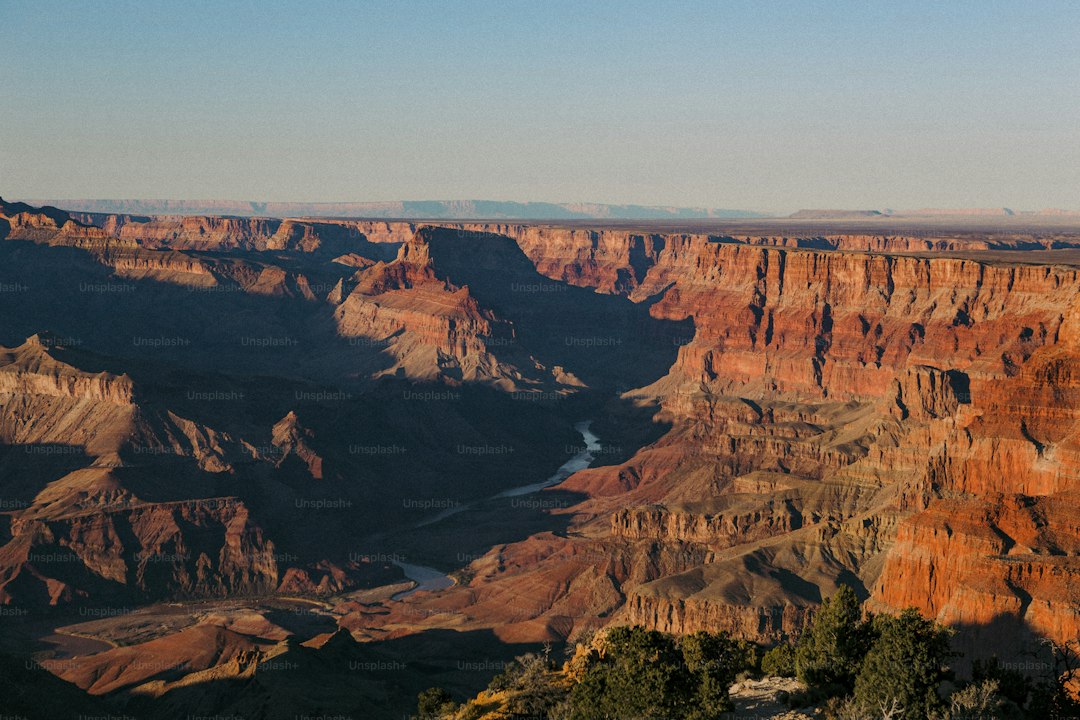
When we talk about the Grand Canyon, it's easy to get lost in the sheer beauty of those sweeping vistas, but I think we really need to get honest about the lethal reality waiting below the rim. It is honestly shocking how quickly the environment turns on you, especially when you consider that temperatures at the bottom can regularly climb well past 120 degrees Fahrenheit. The real trap here is the deceptive temperature drop between the rim and the river, which makes the initial descent feel far more manageable than the brutal reality of the climb back out. I’ve seen enough reports to know that this thermal gap often lulls hikers into a false sense of security, masking the massive physical tax that the canyon floor demands of your body.
If you’ve ever felt like your fitness level makes you invincible, please reconsider that mindset because the canyon doesn't care about your past achievements. High heat index values force your body to dump fluids at an unsustainable rate, and once you start losing electrolytes, you aren't just thirsty—you're flirting with a total system collapse. It’s not just about drinking water, either; if you aren't balancing that intake with sodium, you’re looking at a serious risk of hyponatremia. The physical exhaustion from the hike itself actually compounds the heat stress, as your own metabolic activity generates internal warmth that your body simply cannot vent when the ambient air is that punishing.
And let’s be real about the environment itself, because those light-colored rocks aren't just pretty to look at. They act like radiators, reflecting heat directly onto you and creating a microclimate that’s often significantly hotter than whatever the weather app on your phone is reporting. With climate change pushing the Southwest into record-breaking territory, these heat waves are becoming more frequent, leaving the canyon floor with almost no opportunity to cool down overnight. It’s a sobering reality that many of these tragic outcomes are entirely preventable, yet people still push through those peak solar hours between 10 a.m. and 4 p.m. because they underestimate the scale of the climb. Honestly, once you cross the line into heat exhaustion, your window for self-rescue shrinks to almost nothing, making it one of the most unforgiving places on the planet.
Timing Your Trek: Why You Must Avoid Midday Hiking
When we talk about conquering a place as unforgiving as the Grand Canyon, I think the most important lesson isn't about your gear or your fitness, but about respecting the clock. We’ve all been tempted to push through the heat to finish a trail, but let’s look at the science: solar radiation intensity hits its ceiling between 10 a.m. and 4 p.m., creating an environment where your body essentially stops being able to dump heat. In the dry air of the canyon, sweat evaporates so quickly that you don’t realize just how much fluid you’re losing, which is a dangerous trap for your hydration levels. Once the air temperature crosses 95 degrees, your body’s convection cooling system effectively fails, leaving you wrapped in an insulating blanket of heat that your own metabolism only makes worse.
Here is what I think you need to keep in mind: the ground itself is a massive radiator. In rocky desert terrain, surface temperatures can be 30 to 40 degrees hotter than the air, radiating heat directly into your core from below while the sun beats down from above. This is exactly why we see such a spike in rescues during these peak hours; hikers are often dealing with cognitive decline and poor decision-making long before they realize they’re in physical danger. If you’re pushing through this window, you’re not just battling fatigue, you’re dealing with a cardiovascular system that’s forced to redline just to keep your blood pressure stable.
Honestly, the only way to play this game safely is to embrace the pre-dawn start. If you get moving while the canyon is still waking up, you can realistically cover up to 70 percent of your total elevation gain before the heat index reaches a lethal threshold. It’s not just about comfort; it’s a biological necessity to keep your heart rate variability in check and avoid the sudden onset of exertional heat stroke. I’ve seen enough data to know that those who skip the midday exposure aren't just having a better time—they’re ensuring they have the mental clarity to navigate safely and actually make it back to the rim.
Hydration Strategy: Balancing Water Intake and Electrolyte Replacement
When you're staring down the trail into the Grand Canyon, the temptation to just chug plain water is real, but I need to be clear: that’s a recipe for trouble. Sodium is the main electrolyte you lose in sweat, and if you flush your system with nothing but water, you risk diluting your blood sodium to dangerous levels, a condition called hyponatremia that can be fatal. Honestly, your body’s thirst signal is a terrible indicator in this kind of extreme environment, as it usually lags behind your actual fluid loss by about one to two percent of your body weight. You really want an electrolyte drink with a sodium concentration between 20 and 50 millimoles per liter to keep your absorption rate optimized. Think of it this way: you aren't just replacing water, you're maintaining the electrical balance that keeps your heart and muscles firing.
Here is what I’ve learned from watching how different people manage their intake: relying on a "drink when thirsty" strategy is often why hikers end up in a hole they can't climb out of. Instead, you should aim for a pre-set, time-based drinking schedule that forces you to stay ahead of the curve, especially because heat-induced cognitive decline will eventually make it impossible to judge your own needs accurately. Adding a bit of glucose to your water can actually help by triggering the sodium-glucose cotransport mechanism, which speeds up how fast your intestines absorb water. But be careful not to go overboard with sugar; if your drink has a carbohydrate concentration over eight percent, it’ll slow down your digestion and likely leave you with a gut-wrenching case of gastrointestinal distress.
And one final thing to keep in mind is that your sweat rate is uniquely yours, potentially ranging anywhere from 0.5 to 2.5 liters per hour, which makes generic hydration advice pretty much useless. While magnesium and calcium are great for stopping cramps, sodium remains your absolute priority for keeping your plasma volume stable during those steep, punishing descents. I’d suggest pre-loading with a little extra salt before you even start your hike to give your body a larger buffer against the heat. Just don't get tempted by super-concentrated solutions, because those can pull water into your gut and actually dehydrate your tissues faster through osmosis. Keep an eye on your urine color—if it’s pale straw, you’re hitting the mark, but if it gets darker, you need to adjust your strategy immediately.
Identifying and Treating Symptoms of Heat Exhaustion and Heat Stroke
When you’re deep in the canyon, the line between pushing through and a medical crisis is thinner than you think, and I really want you to focus on how your body signals that it’s losing the battle. The most critical distinction to grasp is that heat exhaustion is a warning, while heat stroke is a full-scale systems failure where your brain and organs start to malfunction. During heat exhaustion, you’ll typically notice heavy sweating, a rapid pulse, and maybe some muscle cramps that act as your first red flag. But if you start feeling confused, irritable, or unusually clumsy, that’s your cue to stop immediately, because those are early signs that your central nervous system is under siege.
Think of it this way: your body is a radiator that’s trying to dump heat, but once your core temperature climbs past 104 degrees, the cooling system effectively shuts down. You might actually stop sweating entirely, and your skin will turn hot and dry to the touch, which is a terrifying indicator that you’ve crossed into heat stroke territory. If you see this—or if a hiking partner stops making sense or can’t walk a straight line—you aren't dealing with simple fatigue anymore. The reality is that the damage to your heart, kidneys, and brain can happen fast, and you can’t afford to wait for a rescue team to arrive before you start aggressive cooling measures.
If you find yourself or someone else in this position, the protocol is simple but non-negotiable: cool first, transport second. You need to drop their temperature immediately, ideally by finding shade and using whatever water you have to drench their clothes or apply cold, wet towels to their skin. Don't worry about being perfect; just get them to a cooler state because every minute counts in preventing long-term organ damage. It’s also worth noting that even if you feel like you’ve recovered after a rest, the stress of that event can linger in your system for days, so please don't be a hero and try to finish the hike if you’ve had a brush with these symptoms. Honestly, your goal is to get back to the rim in one piece, and acknowledging that you’re in over your head is the smartest move you can make.
Essential Gear and Clothing for High-Temperature Desert Hiking
When you’re prepping for a trek into the Grand Canyon, you might be tempted to just throw on a tank top and call it a day, but I’ve learned the hard way that your clothing is actually your first line of defense against the desert. You really need to think of your gear as a mobile climate-control system rather than just a basic outfit. UPF-rated clothing is non-negotiable here because it uses either tight fiber weaves or specific chemical additives to physically block that relentless solar radiation, which is brutal at the canyon’s altitude. Honestly, skip the cotton entirely; it just holds onto moisture like a sponge, leaving you with heavy, clinging fabric that traps heat against your skin. You’re much better off with synthetic materials like nylon or polyester that wick sweat away and keep you dry.
Look, the goal is to create a chimney effect with your clothes, so always lean toward loose-fitting items that let air circulate across your skin and pull heat away from your body. It sounds simple, but picking light colors is a classic move for a reason—white and pastel fabrics act like a mirror, reflecting solar energy instead of soaking it up like dark gear does. A lot of the newer hiking shirts even come with built-in vents under the arms or across the back, which really helps with heat exchange where you're prone to sweating the most. And don't forget a wide-brimmed hat; protecting your neck, ears, and face isn't just about avoiding a nasty burn, it's about keeping your skin’s temperature-regulating systems from getting overwhelmed.
It might feel strange to cover up in such intense heat, but I promise that wearing long sleeves and pants actually shields you from the sun's direct rays and keeps you cooler than baring your skin. For your feet, focus on thin, moisture-wicking socks made of merino wool or synthetic blends, because they’ll help minimize friction and keep your feet from swelling up like balloons. I always make sure my own boots have breathable mesh panels, too, because if your feet get too hot, you're going to be miserable long before you reach the rim. Even adding a simple neck gaiter that you can soak in water makes a massive difference, as it provides a quick, cooling hit for your carotid arteries. Finally, don't skimp on polarized sunglasses; that glare bouncing off the canyon walls is enough to cause real eye strain, and when you’re navigating a steep, rocky trail, you need to keep your focus sharp and your head in the game.
Knowing When to Turn Back: Recognizing Your Physical Limits
Let's be honest, the most dangerous part of hiking the Grand Canyon isn't the steep terrain or the lack of shade; it’s the way your brain starts lying to you the moment you get hot. You’ve probably heard of the sunk cost fallacy, but out here, it becomes a literal survival threat because your brain starts prioritizing the goal of hitting the bottom over your own biological safety. Once your core temperature climbs even slightly, your body starts pulling blood away from the prefrontal cortex—the part of your brain that handles logic—to focus on cooling your skin and muscles. This means that by the time you really need to be thinking clearly, you're actually losing the ability to do it. It’s a terrifying cycle where you’re physically struggling, yet your judgment is fading just when you need it most.
And it’s not just about how you feel; you have to watch your hiking partners for subtle cues like sudden silence or uncharacteristic irritability. These aren't just personality quirks—they are clinical indicators that their central nervous system is under heat-induced stress. If you notice their gait changing, or if they seem clumsy on the trail, you’re already seeing the precursors to a physical collapse. Even if you think you’re doing fine, remember that your own perception of effort becomes completely unreliable in these temperatures, as your internal heat storage masks the true strain on your cardiovascular system. If you take a break in the shade and your heart rate doesn't drop significantly within five minutes, your body is telling you it's hitting a wall.
Honestly, the only way to beat this is to make your decision to turn back long before you feel like you need to. I’ve found that using a pre-determined emergency abort point is the smartest, most objective way to handle this, because it takes the emotion out of the equation. You have to account for the reality that your return climb will take at least two to three times longer than your descent, and your physical capacity will be significantly lower on the way out. If you’re waiting until you’re exhausted to decide if you should keep going, you’ve already waited too long. Trust your plan more than your motivation in that moment, because when the heat hits, your brain simply isn't a reliable narrator anymore.
Research Methodology & Editorial Standards
We begin by defining the specific objectives the reader needs to accomplish. Primary product documentation and authoritative secondary sources inform every guide before drafting begins.
Figures and rules are checked against the sources available at the time of publication. Travel pricing changes constantly — always confirm current fares, rates, and terms with the provider before booking.