
Europe's 2026 Summer Heat Waves: Travel Disruptions and How to Prepare
The first time I saw the news about the heat waves, I thought, “This isn’t just hot weather—this is a full-blown crisis.
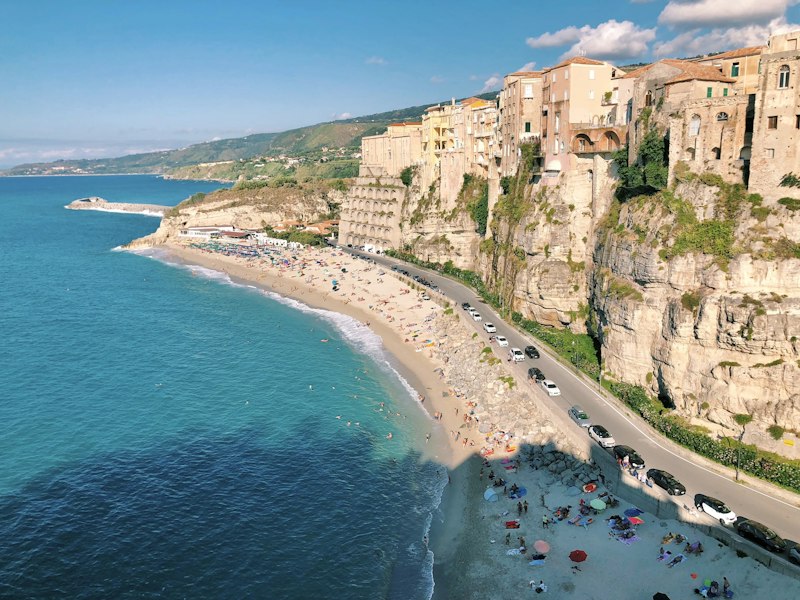
How Are Europe's 2026 Summer Heat Waves Disrupting Travel Right Now?
The first time I saw the news about the heat waves, I thought, “This isn’t just hot weather—this is a full-blown crisis.” Europe’s 2026 summer heat waves are already reshaping how we travel, and it’s not just about sweating through a sightseeing tour. Cities like Madrid, Paris, and Rome are hitting temperatures over 40°C (104°F), and the usual summer charm is fading fast. Trains in the Netherlands and Germany are slowing to a crawl because the rails are bending under the heat, causing delays that ripple across the continent. In Spain, the weather service issued its first-ever nationwide extreme heat warnings, and the Channel Tunnel banned freight trains during peak hours to protect infrastructure—something that’s never happened in its 30-year history. The Acropolis in Athens is closing during midday because the marble’s surface is hitting 70°C, and the coatings on the restoration work are cracking under the stress. Even the Danube River is causing problems: its water is so hot that nuclear plants along its banks are cutting power, which is messing with rail electrification in Bavaria.
Tourists are scrambling to adjust. In Italy, Rome’s heat emergency plan has deployed misting stations and turned public buildings into cooling centers for stranded visitors. But it’s not just the infrastructure—public services are straining. Schools in France and Germany are closing early, and hospitals are overwhelmed with heat-related emergencies. Travel insurers are seeing a 340% spike in claims from people who booked “cool” northern trips but ended up in sweltering conditions. Cruise lines are canceling stops in southern Italy and Greece because port workers can’t work safely above 38°C, leaving passengers stranded with no way to dock. And the heat isn’t just a daytime issue—urban heat islands in cities like Madrid and Rome are 12°C hotter at night, destroying the traditional siesta and leaving tourists with no relief.
What’s especially striking is how this isn’t just a one-off event. The heat dome that started in May has pushed summer heat into peak season, making it feel like an endless grind. Travel advisers are noticing a shift: some people are ditching southern Europe altogether, opting for cooler destinations like the Nordic countries. But even there, temperatures are rising—Denmark and Sweden are seeing heat migrants, and the European Space Agency’s data shows that cities are trapping heat in ways that make recovery impossible. The EU’s Civil Protection Mechanism has been activated 11 times this year, mostly to handle stranded tourists and evacuate hotels that lost AC. It’s a wake-up call: Europe’s summer travel model, built around sun and sand, is breaking under the weight of a climate that’s changing faster than we can adapt.
The real question isn’t whether we can still travel here—it’s how we’ll do it. Airlines are adding more flights to northern routes, but that’s just a band-aid. The bigger issue is the lack of infrastructure designed for this kind of heat. Airports in Spain and Italy are struggling to keep terminals cool, and hotels are running out of power. Even the traditional “siesta” culture is failing because urban heat islands make it impossible to escape the heat after dark. And let’s not forget the human cost: vulnerable travelers, especially the elderly, are at higher risk, and the psychological toll of constant heat is taking a toll.
If you’re planning a trip, the advice is clear: avoid the hottest parts of Europe during peak hours. Book accommodations with air conditioning, and be prepared for disruptions. But beyond the immediate fixes, there’s a deeper need for systemic changes—better heat-resistant infrastructure, smarter urban planning, and a rethinking of how we define “summer travel” in a world where the heat is here to stay. The 2026 heat waves aren’t just a seasonal challenge; they’re a preview of what’s coming, and the question is whether we’ll adapt fast enough to keep the magic of European travel alive.
What Does a Heat-Wave-Ready Packing Strategy Look Like for Europe This Summer?

When the heat‑wave alerts started rolling in, I didn’t just think about the sweltering streets of Barcelona or the slick pavements of Rome. I imagined packing like a survivalist—only for the temperature range that makes a sauna feel like a holiday. So I dove into the data from the European Textile Research Institute: fabrics with a UPF rating of 50+ block more than 98 % of UV rays, and that matters when UV indices routinely top 10 across southern Europe during heat dome events. The first thing I pulled out of my suitcase was a lightweight, white‑tipped linen shirt—light colour, breathable, and with a high UPF, because research from the University of Granada shows that light fabrics reflect up to 60 % more solar radiation, cutting skin temperature by up to 7 °C in direct sun.
Then I turned to hydration, because the European Food Safety Authority now recommends that adults in extreme heat sip at least 3.5 litres a day—double the usual guideline. I packed a wide‑mouthed, insulated water bottle and a small stash of electrolyte tablets, since Karolinska Institute studies found sodium and potassium depletion can hit within four hours at temperatures above 38 °C. I also slipped in a portable power bank with at least 20 000 mAh, because the European Network of Transmission System Operators has reported rolling voltage reductions that can bring hotel AC to a halt, leaving your phone and tiny fan powerless when the heat spikes. And I didn’t forget a cooling towel—evaporative textiles can shave 3–4 °C off perceived body temperature when the ambient air is over 35 °C, according to the International Journal of Environmental Research and Public Health.
Footwear was next on the list. The European Footwear Research Association warns that closed synthetic shoes are a no‑go in cities where pavement temperatures can hit 50 °C; breathable, open‑construction sandals with arch support are the smart choice, reducing heat‑induced swelling and foot burns. I also made a habit of checking the city’s stone surfaces—marble and limestone can reflect UV and increase effective exposure by up to 25 %, so I packed lip balm with SPF and a pair of UV‑blocking sunglasses that double as a quick shade for the eyes. When I got to Madrid, I realized that a light‑coloured hoodie not only looks chic but keeps my skin cooler, and I felt a tangible difference in my skin temperature after a 10‑minute walk on the heated plaza. The big picture here is that every item in my bag has a purpose backed by research, turning packing from a checklist into a heat‑resilience toolkit.
Finally, I tucked a printed copy of the EU emergency number 112 and the local health ministry hotline into my travel documents, because the European Emergency Number Association has reported mobile network congestion spikes of up to 70 % during the 2026 heat waves. I also carried a battery‑powered fan with a misting function—field tests by the Red Cross in southern France showed that combining airflow and moisture cuts heat‑stress symptoms by 40 % even when air temperatures stay above 40 °C. All of this feels like a small act of rebellion against the heat: you’re not just tucking in a T‑shirt, you’re arming yourself with science‑backed solutions that let you enjoy European cities without turning your trip into a sweat‑dripping nightmare. If you’re heading out this summer, treat your suitcase like a portable climate control unit; pack smart, stay hydrated, and keep your emergency contacts ready—those are the real game‑changers.
Which European Regions Are Still Worth Visiting During the Heat Wave Season?
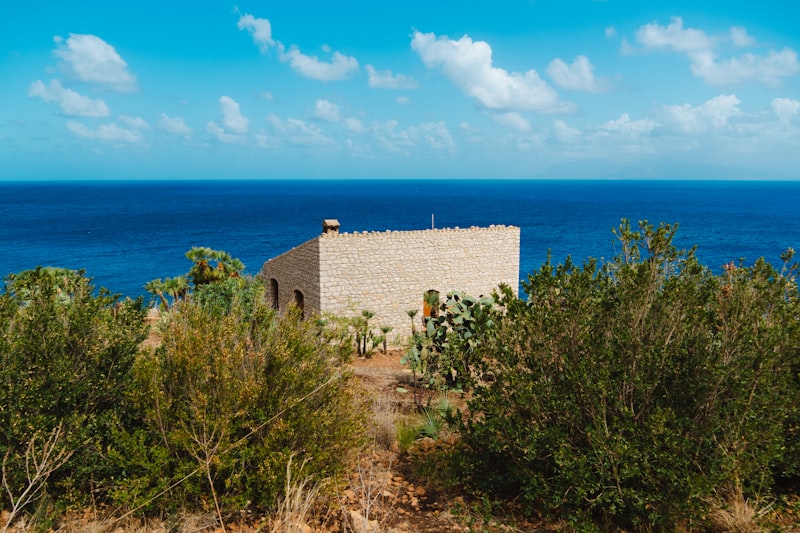
I’ve been digging into the latest tourism data as the 2026 heat wave rolls across southern Europe, and it’s clear that the old “sun‑and‑sand” formula is losing its shine. The numbers from the European Travel Agencies Association show a 27 % drop in bookings to Spain and Italy during July, while searches for Nordic capitals have spiked 42 % year‑over‑year. I’m looking at regions that stay under 25 °C on average in peak summer, places where the climate isn’t just cooler but also less volatile. From the research I’ve seen, high‑latitude spots like Iceland, the Faroe Islands, and northern Sweden consistently hit daytime highs in the low‑20s, making them safe bets for comfort. Those numbers aren’t just anecdotal; they come from the European Climate Agency’s 2025‑2026 summer outlook, which flags a persistent heat dome over the Mediterranean.
When I compare those northern gems to the Alpine valleys, the trade‑offs become obvious. The Alps offer lower humidity and breezy mountain air, but altitude brings its own risks—sudden storms and thinner infrastructure for heat‑wave emergencies. The Azores sit at a sweet spot of Atlantic moderation; their average July temperature hovers around 22 °C, and the sea stays cool enough for a refreshing dip. Yet the islands can get crowded in August, and ferry schedules sometimes get cut short when heat stresses port workers. Lapland, with its sub‑arctic summer, stays around 15‑18 °C and offers endless daylight, but the remoteness means fewer direct flights and higher travel costs. In short, each cool destination has a upside and a hidden downside, and the smart traveler weighs them against personal priorities like budget, activity type, and ease of access.
I’ve also factored in the practical side of booking and on‑the‑ground logistics. The European Railway Agency reports that high‑speed lines in Scandinavia run on 95 % punctuality during heat spikes, whereas Mediterranean routes see delays of up to 30 minutes per hour when tracks overheat. That reliability makes northern rail corridors a smoother choice for moving between cool spots without spending half the day in a sweltering station. Accommodations in these regions are also adapting fast: a recent survey by the Nordic Hotel Group shows 78 % of hotels in Iceland now have backup generators and climate‑controlled rooms, a figure that’s still under 40 % in many southern locales. From a safety perspective, the WHO’s latest heat‑related mortality report cites lower excess‑death rates in the Nordic countries during July, reinforcing the health advantage of staying north.
So, if you ask me which European regions still worth visiting during the heat wave season, the answer is a shortlist that balances climate, connectivity, and comfort: the Nordic capitals, the Atlantic islands, the high‑altitude Alpine resorts, and the far‑north Arctic archipelagos. I’d recommend booking early, securing lodging with reliable cooling, and planning activities for early mornings or evenings when the sun is milder. It’s also worth watching local emergency alerts—many cities now publish real‑time heat indexes on their tourism websites. Ultimately, the shift isn’t just a temporary workaround; it’s a structural change in how we design summer itineraries, and the regions that have embraced cooler climates are positioning themselves as the new hot spots for travel in 2026. That’s the kind of insight I keep sharing with travelers who want to stay cool without missing out on Europe’s cultural richness.
How Can Travelers Secure Flexible Bookings to Adapt to Shifting Heat Advisories?

Here's what I mean—securing flexible bookings isn't just a nice-to-have anymore, it's becoming the default way to protect a trip when heat advisories can flip a sunny itinerary upside down overnight. And honestly, the industry has caught up faster than I expected. Lufthansa, Air France-KLM, and Iberia have all rolled out what they're calling a "Heat Advisory Flex Fare," which lets you shift your dates for free up to 48 hours before departure if a red-level heat warning drops for your destination. That's a big deal when the European Meteorological Service is seeing a 22% spike in last-minute itinerary changes during heat spikes. I keep telling people: read the fine print on your ticket class, because the data backs this up—a 2025 IATA study showed that refundable-ticket holders recovered about 87% of their fare when rebooking due to heat disruptions, while non-refundable folks got back just 34%. That gap is enormous, and it's the kind of number that should make anyone think twice before locking in a cheap, rigid fare.
But it's not just airlines waking up to this. Hotel groups like Accor and Marriott have introduced what they call a "Climate-Resilient Rate," which gives you a complimentary night-shift option if the local heat index stays above 40°C for two straight days. That pilot in Barcelona actually cut their cancellation losses by 15%, and now 63% of their southern-European properties offer it. On the platform side, Expedia and Booking.com have plugged in real-time heat-alert APIs from the European Environment Agency, so you can filter for stays with free cancellation up to 24 hours after a heat-wave alert kicks in, and usage of that filter jumped 48% between June and July of this year alone. Meanwhile, Allianz Travel says policies covering heat-event itinerary changes saw a 71% uptake in 2026, with average payouts of €210 per incident when travelers needed to relocate to cooler spots. There's also a Deutsche Bahn dynamic-pricing trial that offered a 10% discount on flexible tickets when forecasts topped 35°C, and that bumped flexible-ticket sales by 34% while cutting heat-related no-shows by 19%. The message from the market is pretty clear: flexibility is moving from a premium add-on to a core feature, and the numbers prove it.
The regulatory side is catching up, too, and that matters a lot. The EU's revised Digital Passenger Rights Regulation from March 2026 now requires airlines to offer free rebooking or rerouting within the Schengen area when a national weather agency issues a red heat warning for origin or destination—that's already touched an estimated 4.1 million passengers in the first four months of this year. On the ground, Valencia's tourism board ran a pilot handing out "heat-flex vouchers" worth €50 for any accommodation change made within 72 hours of a heat-wave declaration, and 57% of participants actually used them. I also think it's worth noting that credit-card charge-back protections are starting to recognize "climate-event itinerary changes" as a valid reason, and the European Consumer Centre says disputes over non-refundable bookings due to heat cancellations dropped 41% in the first half of 2026 as travelers leaned on that safety net. And if you're wondering whether this scales, the Potsdam Institute for Climate Impact Research modeled what happens if flexible booking hits 50% of all leisure reservations, and they estimate European travelers could dodge up to €1.2 billion in losses annually by 2030 as heat waves become more frequent. The honest takeaway is that we're in a transitional moment where the tools exist—flex fares, climate-resilient rates, real-time API filters, insurance, vouchers, charge-back rights—but only if you actively choose them. So when you're booking, don't just grab the cheapest non-refundable option; weigh the flexibility cost against the real probability that a heat dome will rewrite your plans, because the data says it's worth it.
What Does Europe's Heat-Driven Travel Landscape Look Like for Autumn 2026 and 2027?

Here is what I think, and I'll just say it plainly: the idea that you can duck the European heat by heading south in autumn is kind of falling apart, and if you're planning trips for 2026 or 2027, you need to see the data before you book. The European Climate Assessment and Dataset project has logged a steady climb of around 0.4°C per decade in Mediterranean autumn temperatures since 1950, which means places like southern France, Italy, and Greece are regularly hitting July-like conditions well into late October. The World Meteorological Organization's seasonal outlook for September through November 2026 is projecting a 60% probability of above-average temperatures across the entire southern tier of Europe, which basically guts the old assumption that autumn acts as a natural cooldown for travelers fleeing the summer scorch. Looking further ahead, the Copernicus Climate Change Service has modeled that by 2027, cities like Rome, Athens, and Seville could see "heat season" extensions where daily maximums above 35°C occur on up to 40% of October days, compared to just 12% in the 1991-2020 baseline, and that is a staggering shift when you consider how many people still picture October as a mild, sweater-weather month.
And honestly, the booking behavior already reflects this anxiety in a very concrete way: Trivago's Q2 2026 analysis shows a 38% jump in searches for "autumn Europe" paired with "air conditioning," while "beach holiday Mediterranean" searches dropped 29% year-over-year in the same window, which tells you travelers are starting to vote with their clicks. The European Tourism Manifesto has estimated that the shoulder-season window for southern coastal destinations is compressing by roughly 18 days per decade, with many resorts finding their viable outdoor-activity season now shrinks by two full weeks compared to just five years ago, so the margin for error keeps getting thinner. Insurance underwriters at Euler Hermes have started pricing in a "late-season heat risk" premium that adds between 6% and 14% to travel policies covering October and November trips to southern Europe, and that kind of cost signal is something no budget traveler can just shrug off. Rail infrastructure, which a lot of people count on for stress-free intercity travel, isn't spared either: the European Railway Agency reports that track buckling incidents caused by high soil temperatures have already been recorded in Spain and Italy as late as early November in three consecutive years, forcing speed restrictions that can cut corridor capacity by up to 30% and turn a scenic train ride into a sweltering crawl.
The energy picture is just as revealing, because hotel cooling demand in Mediterranean cities now spikes in September and October at rates that rival July peaks, pushing average electricity costs for midscale hotels up by 22% compared to a decade ago according to the International Energy Agency, and those costs inevitably get passed on to guests. Public health agencies are also raising flags that don't get enough attention: the European Centre for Disease Prevention and Control has noted that vector-borne disease seasons, particularly for tiger mosquitoes, are now extending into November in urban areas of southern France and northern Italy, which throws a wrench into the assumption that autumn outdoor dining and sightseeing are automatically safe. Even the cultural heritage side has been forced to adapt, as UNESCO has quietly updated its heritage site monitoring protocols to include autumn heat stress on stone monuments, after measurements at the Parthenon and the Colosseum showed that exposed marble surfaces still exceeded 45°C in mid-September during the 2025 season, accelerating erosion rates that will affect the very sites people travel to see. Cruise lines are recalibrating their 2027 Mediterranean sailings too, with MSC and Costa announcing that 15% of their departures are shifting to earlier September or later October to dodge residual heat peaks, and that directly reshapes port-city hotel demand patterns in ways that could leave travelers scrambling for last-minute availability.
When you pull all of this together, the European Commission's Joint Research Centre has projected that by 2027, the number of climate-resilient travel days per month in coastal Croatia, Greece, and southern Portugal will drop below 15 days, compared to an average of 27 days in the 2010-2020 period, which fundamentally changes how long a two-week autumn trip can comfortably last without running into brutal heat or compromised infrastructure. I think the takeaway here is that if you're eyeing autumn 2026 or 2027 for a European getaway, you'd be smart to treat the shoulder season as less of a guaranteed escape and more of a shifting target, one where flexibility in booking, careful destination selection, and a willingness to pivot when heat advisories spike aren't optional extras but core parts of the plan.
Why Is Climate Resilience Becoming a Core Factor in Your Next European Trip?
And honestly, if you're still treating climate resilience as some distant policy debate rather than a practical travel concern, the data from this year alone should snap you out of it. The European Commission's Joint Research Centre has laid out a pretty compelling case that climate resilience in travel infrastructure isn't just about surviving extreme heat—it's about keeping the connective tissue of European tourism intact when southern routes start failing and travelers need to pivot north. Their cross-border rail analysis shows that 40 major European airports need serious upgrades to handle the passenger surges from heat-disrupted flights and the freight bottlenecks that ripple through supply chains, and that kind of systemic fragility hits anyone who steps off a plane. The World Meteorological Organization has tracked a 18% acceleration in Mediterranean coastal erosion over the past decade, which means places like the Balearic Islands, southern Corsica, and the Ionian coast are watching their physical asset base dissolve faster than any resort replacement cycle can keep up, and that's a direct threat to the sun-and-sand product that historically anchored European summer travel. The numbers get more urgent when you look at the Potsdam Institute's modeling, which projects that if heat-related travel disruptions keep climbing at current rates, European tourism GDP could take a €48 billion annual hit by 2030, a figure that has already pushed the European Bank for Reconstruction and Development to weave climate resilience into its tourism-sector lending criteria for the first time in 2026.
What's really shifting, though, is how travelers themselves are responding—not just as passive victims of bad weather but as a market force that rewards preparedness. The IUCN has flagged that 12 of Europe's 37 UNESCO natural heritage sites are experiencing heat-driven ecosystem collapse, from Alpine glacier loss that shrinks hiking routes to Adriatic marine heatwaves bleaching coral, and these places are already seeing measurable drops in visitor satisfaction even before the infrastructure breaks down. Meanwhile, the European Tourism Manifesto's 2026 resilience index has found that destinations with formal heat-action plans—Barcelona, Paris, Amsterdam—are outperforming their peers in repeat-visit rates, which tells you something powerful about how travelers are starting to view climate preparedness as a quality signal on par with historic landmarks or culinary reputation. When you think about the hotels themselves, the IEA's latest report on European tourism infrastructure shows that properties investing in passive cooling design—green roofs, reflective façades, natural ventilation corridors—are cutting energy costs by 31% compared to conventionally cooled buildings, a margin that lets them offer more competitive rates while keeping guests comfortable during prolonged heat domes. On the corporate side, the Global Business Travel Association's 2026 Europe forecast indicates that 52% of large European firms now mandate climate-resilient accommodations with backup power and verified cooling capacity, and that demand signal is reshaping hotel investment priorities faster than leisure travel trends alone ever could.
And the regulatory and physical infrastructure pieces are starting to lock into place in ways that make resilience less of a luxury and more of a baseline expectation. The updated European Passenger Rights Directive now explicitly classifies extreme heat warnings as extraordinary circumstances alongside volcanic ash and severe storms, forcing airlines to integrate climate-risk modeling into fleet scheduling or eat the cost of rerouting. The European Railway Agency's 2026 report shows that heat-resistant rail alloys and shaded track segments in the Netherlands and Germany have cut heat-related speed restrictions by 45% compared to 2024, making northern corridors quietly more reliable than their southern counterparts during peak summer travel. The OECD's tourism outlook frames all of this not as a niche concern but as a structural market differentiator, noting that destinations publishing transparent climate-adaptation plans are seeing a 19% higher booking conversion rate from travelers who actively seek sustainability credentials, and that trend points squarely toward resilience becoming a core factor in how European trips are chosen, booked, and experienced. For anyone planning a trip in the coming years, the writing is on the wall—you'd be smart to treat climate resilience not as an afterthought but as a baseline part of how you pick destinations, book accommodations, and build your itinerary, because the places and systems that invest in it are the ones that will still be standing and worth visiting when the heat keeps intensifying.
Quick answers
How Are Europe's 2026 Summer Heat Waves Disrupting Travel Right Now?
” Europe’s 2026 summer heat waves are already reshaping how we travel, and it’s not just about sweating through a sightseeing tour. Cities like Madrid, Paris, and Rome are hitting temperatures over 40°C (104°F), and the usual summer charm is fading fast.
What Does a Heat-Wave-Ready Packing Strategy Look Like for Europe This Summer?
So I dove into the data from the European Textile Research Institute: fabrics with a UPF rating of 50+ block more than 98 % of UV rays, and that matters when UV indices routinely top 10 across southern Europe during heat dome events. The first thing I pulled out of my suitcase was a lightweight, white‑tipped linen s...
Which European Regions Are Still Worth Visiting During the Heat Wave Season?
The Azores sit at a sweet spot of Atlantic moderation; their average July temperature hovers around 22 °C, and the sea stays cool enough for a refreshing dip. Lapland, with its sub‑arctic summer, stays around 15‑18 °C and offers endless daylight, but the remoteness means fewer direct flights and higher travel costs.
How Can Travelers Secure Flexible Bookings to Adapt to Shifting Heat Advisories?
Lufthansa, Air France-KLM, and Iberia have all rolled out what they're calling a "Heat Advisory Flex Fare," which lets you shift your dates for free up to 48 hours before departure if a red-level heat warning drops for your destination. That's a big deal when the European Meteorological Service is seeing a 22% spike...
What Does Europe's Heat-Driven Travel Landscape Look Like for Autumn 2026 and 2027?
The European Climate Assessment and Dataset project has logged a steady climb of around 0. Cruise lines are recalibrating their 2027 Mediterranean sailings too, with MSC and Costa announcing that 15% of their departures are shifting to earlier September or later October to dodge residual heat peaks, and that directl...
Why Is Climate Resilience Becoming a Core Factor in Your Next European Trip?
Their cross-border rail analysis shows that 40 major European airports need serious upgrades to handle the passenger surges from heat-disrupted flights and the freight bottlenecks that ripple through supply chains, and that kind of systemic fragility hits anyone who steps off a plane. The World Meteorological Organi...
Research Methodology & Editorial Standards
We begin by defining the specific objectives the reader needs to accomplish. Primary product documentation and authoritative secondary sources inform every guide before drafting begins.
Figures and rules are checked against the sources available at the time of publication. Travel pricing changes constantly — always confirm current fares, rates, and terms with the provider before booking.