
Eat Your Way Across America With This Guide to Iconic State Dishes
I’ve always found it fascinating how geography and survival necessity shaped these dishes, like how New England clam chowder was traditionally thickened with crushed hardtack—those rock-hard sea biscuits—rather than flour, simply because they were the only shelf-stable starch available on colonial ships.
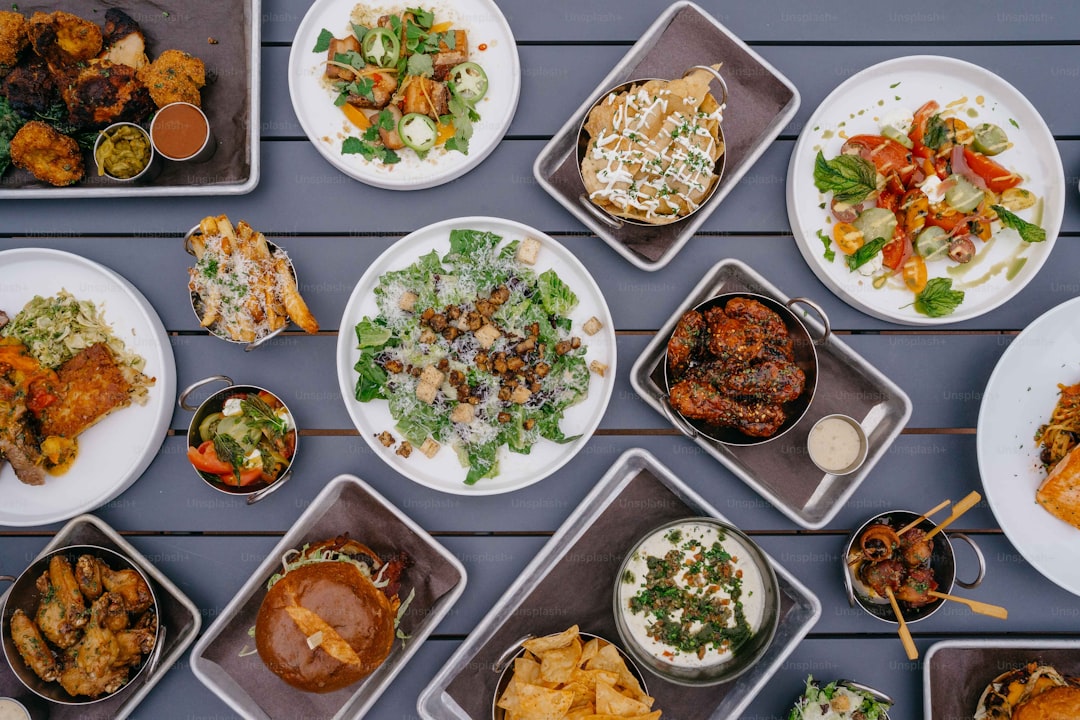
The Northeast: From New England Clam Chowder to Philly Cheesesteaks
When you start digging into the culinary identity of the Northeast, you quickly realize it’s less about simple comfort food and more about a rigid, historical blueprint that dictates exactly what ends up on your plate. I’ve always found it fascinating how geography and survival necessity shaped these dishes, like how New England clam chowder was traditionally thickened with crushed hardtack—those rock-hard sea biscuits—rather than flour, simply because they were the only shelf-stable starch available on colonial ships. It’s a stark contrast to the tomato-based Manhattan version, which was so controversial that Maine actually tried to outlaw its existence in a 1939 legislative bill. Honestly, you can’t talk about the region without acknowledging the deep-seated pride that turns a standard lunch into a fierce debate, like the decades-old rivalry between Pat’s and Geno’s in Philadelphia.
If you’re hunting for the authentic Philly cheesesteak experience, you’re looking for that specific interplay of thinly sliced ribeye and melted Provolone or Cheez Whiz piled high on a crusty Italian roll. It’s a messy, iconic staple, but it’s just one piece of a much larger puzzle that links immigrant labor to our modern lexicon. Take the term grinder, for instance; it’s not just a regional quirk for a sub sandwich, but a nod to the Italian shipyard workers who used the word to describe the bread’s tough, crusty texture. Then you have the Pennsylvania Dutch influence, where something as humble as shoofly pie gets its name from the sheer necessity of keeping flies away from the cooling molasses, a tiny, sensory detail that connects us directly to a nineteenth-century kitchen.
And let’s be real, the regionality here is backed by some pretty cool science, too. From the salt-crusted skin of a Syracuse salt potato to the specific mineral-rich soil that gives Vermont maple syrup its signature profile, the environment is doing just as much work as the chef. Even in Washington D.C., you’ve got Mambo sauce, a sweet and spicy concoction that’s become a local institution, proving that the Northeast isn't just a monolithic block of tradition. It’s a collection of fiercely guarded, hyper-local rituals that have survived long enough to become legend. If you’re planning a trip, my advice is to skip the tourist traps and look for the places that still honor these old-school preparation methods; that’s where you’ll actually taste the history.
Southern Comfort: Exploring the Heart and Soul of Dixie’s Culinary Heritage
When we talk about Southern food, we’re really talking about a collection of survival strategies and happy accidents that eventually became a cultural identity. You might think Nashville hot chicken is just a spicy trend, but it actually started as a vengeful act when a scorned partner hit a piece of fried chicken with so much cayenne that it should have been inedible, only for the recipient to fall in love with the result. Then you have the science of the buttermilk biscuit, where the acidity of the milk reacts with baking soda to create a lift that regular milk simply can’t achieve. It’s those chemical reactions that define the texture, just like how the signature sweetness of Kentucky’s Derby Pie is protected by a trademark, legally forcing any copycats to change their name. I find it fascinating that we often view these dishes as timeless, yet many are fairly modern, like pimento cheese, which only became the caviar of the South once mass-produced cream cheese made it an affordable household staple.
If you look at the functional side of these recipes, it’s clear that our ancestors were working with what they had to manage heat and digestion. Take vinegar-based whole hog barbecue in the Carolinas, for example; the acidity isn't just for flavor, it’s there to cut through the heavy fat content of the meat to help your body process it. Or consider sweet tea, which reached its legendary sugar levels not just because we have a sweet tooth, but because high sugar concentration acted as a preservative against fermentation in the sweltering Southern humidity before we had refrigerators. Even Hoppin’ John carries this practical, hopeful history, where black-eyed peas represent coins and collard greens symbolize folding money to bring prosperity on New Year’s Day. It’s a way of eating that feels heavy, yet every ingredient serves a specific purpose in the landscape.
We also have to be honest about where some of these traditions actually come from, because the history is often more interconnected than we’d like to think. I was surprised to learn that fried green tomatoes weren't even a Southern invention, but were actually popularized by Northern Jewish immigrants who brought the technique down. Then you have Brunswick stew, which used to be made with squirrel or rabbit because that was what was available, proving that the modern chicken version is a relatively recent pivot. Even our bread tells a story, as traditional Deep South cornbread avoids sugar entirely because the stone-ground white cornmeal is already naturally savory and subtle. If you’re really going to explore the South, don't just look for the most popular menu item; look for the dishes that required the most patience, like a proper gumbo roux, where you’re basically waiting for the Maillard reaction to turn flour and fat into something nutty and complex.
The Midwest’s Best: Iconic Midwestern Staples Worth the Detour
When we talk about the Midwest, we’re really looking at a masterclass in regional engineering—a place where necessity and local ingredients collided to create some of the most structurally fascinating food in the country. You know that moment when you bite into a Chicago deep-dish and wonder how the crust doesn't just disintegrate under the weight of all that sauce? It’s all about the high-fat, cornmeal-infused dough acting as a rigid vessel, developed through a long fermentation process that gives it enough structural integrity to hold up under extended oven time. Or look at the St. Louis-style pizza; by swapping standard mozzarella for Provel—a processed blend of cheddar, Swiss, and provolone—you’re getting a cheese that melts at a lower point and stays firm, which is a total departure from the stretchy expectations we’re used to. It’s these kinds of technical choices that define the landscape, and honestly, they’re just as cool as the flavors themselves.
If you head over to Minnesota, you’ll find the Jucy Lucy, which is basically an exercise in thermodynamics. You’re trapping a molten core of cheese inside the beef, and the real trick is the seal; if the patty isn't perfectly closed, that internal steam pressure will blow the whole thing apart before you even get it to the table. It’s a similar story with Wisconsin’s butter burgers, where finishing the patty in a pool of melted dairy butter isn't just a decadence move—it’s about spiking the lipid content of the crust to force a rapid Maillard reaction, giving you that savory, golden exterior you just can't get with standard oils. Even the beer cheese soup in Wisconsin feels like a science experiment, as the hop oils and carbonation from local lagers act as an emulsifier to keep the aged cheddar from breaking, resulting in a texture that’s way smoother than your average flour-thickened velouté.
And then there's the sheer mechanics of things like the Hoosier sugar cream pie or the classic breaded pork tenderloin. I’ve always been impressed by how the tenderloin is pounded down to under a quarter-inch; it’s a mechanical breakdown of muscle fibers that lets the meat expand way past the bun, making it look like a comedic oversized portion while actually being a perfectly executed crispy snack. Meanwhile, that Indiana sugar cream pie is a study in patience, using a simple flour-and-cream custard that lacks eggs, meaning you have to stir it constantly to keep the dairy proteins from curdling. It ends up being remarkably velvety compared to the heavy, egg-laden custards we see elsewhere. Honestly, the next time you find yourself driving through these states, don't just grab a bite to be full—think about the history and the specific techniques that keep these traditions alive. It really changes the way you appreciate the meal when you realize how much thought went into keeping the cheese inside the burger or the sauce on top of the crust.
Southwestern Heat: Bold Flavors and State-Defining Dishes
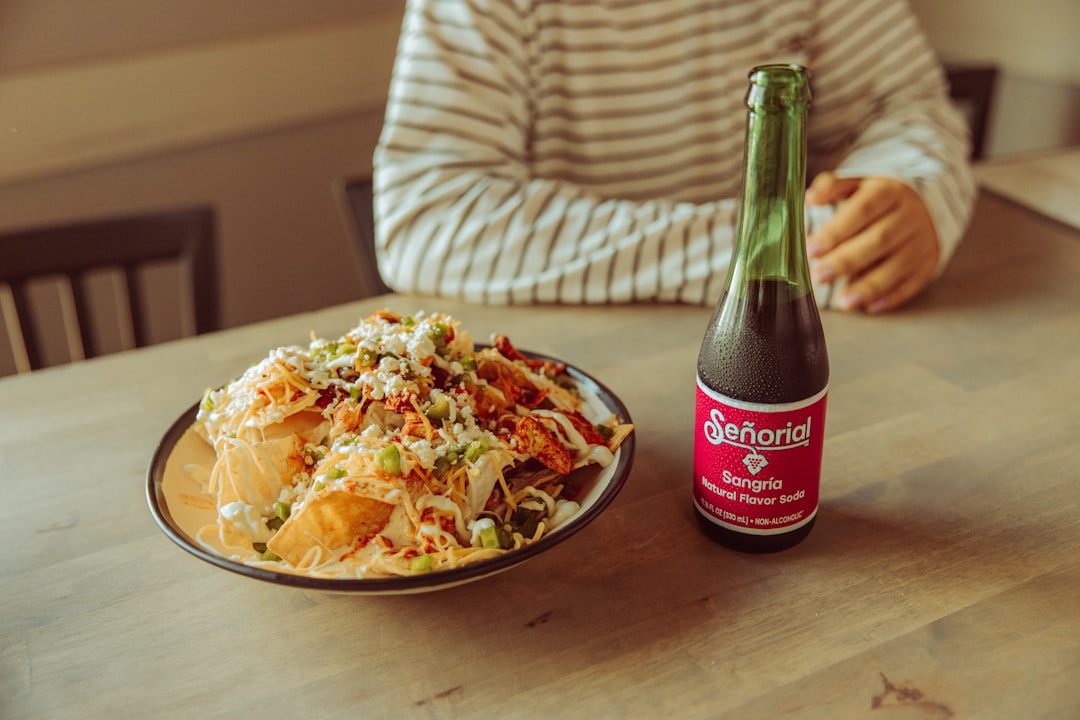
When we talk about the Southwest, we’re really diving into a masterclass in adaptation, where the harsh desert environment forces a specific, high-stakes chemistry in the kitchen. You know that feeling when you bite into a dish and it’s not just spicy, but almost vibrates with a deep, earthy warmth? That’s capsaicin binding to your TRPV1 receptors—the exact same sensors that detect physical heat—and in New Mexico, that experience is dialed up by the high-altitude solar intensity that gives Hatch chiles their uniquely thick, flavor-dense flesh. It’s not just about turning up the volume on the heat; it’s about the fact that traditional red chile sauces don’t even need flour or cornstarch to thicken, because the pods themselves are packed with enough natural starch to do the heavy lifting.
The technical brilliance here goes even deeper when you look at the role of fat as a solvent. If you’ve ever wondered why green chile stew almost always features pork shoulder, it’s not just for the flavor; that high fat content is a functional necessity because capsaicin is fat-soluble, meaning the meat helps distribute that stinging heat evenly through the broth so it doesn't just sit on your tongue. Then you have the mesquite wood used in local barbecue, which burns at such a high temperature and produces such resinous smoke that it penetrates meat significantly faster than the hardwoods you’d see in other regions. It’s a rapid-fire chemical exchange that defines the region's signature smokiness.
And honestly, we should talk about the sheer utility of these ingredients, like the way Southwestern cooks use clay vessels to slow-cook beans. In a desert climate where water evaporates almost instantly, these pots aren't just for show; they provide the constant thermal mass and humidity control needed to keep everything from drying out. Even the iconic frybread is a testament to survival, born from the forced displacement of the 19th century and the need to turn basic government-issued flour, lard, and sugar into something sustaining. It’s this blend of ancient agricultural wisdom—like the nitrogen-fixing Three Sisters method of planting corn, beans, and squash together—and clever, reactive cooking that makes the Southwestern palate so incredibly resilient and distinct.
Pacific Coast Flavors: California’s Diverse Gastronomic Landscape
When we look at California’s food culture, it’s easy to get distracted by the high-profile restaurant scenes in Los Angeles or the Bay Area, but the real story is written in the soil and the fog. Think about how the marine layer acts as a natural air conditioner for our wine regions, pulling cool Pacific air inland to keep grapes from over-ripening and maintaining that bright, necessary acidity. It’s a precise geological dance that you just can’t replicate elsewhere. Then you have the legendary Hass avocado, which actually traces its entire global lineage back to a single, accidental mutation in a La Habra Heights backyard. It’s wild to realize that every one of those creamy avocados you’ve ever sliced was essentially a clone of that one original tree.
If you’re wondering why certain ingredients feel so tied to specific patches of land, look at the chemistry behind the agriculture. Take Gilroy garlic, for instance, where the sulfur-rich soil forces the plants to crank up their allicin production, giving you that intense, sharp pungency that just hits differently than other varieties. Or consider the Santa Maria-style barbecue, which isn't just about the meat, but the specific use of native red oak; because it’s low in resin and high in tannins, you get a clean, spicy smoke that never turns into bitter soot. It’s these kinds of environmental constraints that dictate the flavor profile of the entire coast. Even our sourdough is a captive of the local climate, where the specific bacteria found in the San Francisco fog essentially lock out mold, creating a biological security system for the starter.
And honestly, we have to talk about the sheer engineering behind how we eat here. We’re talking about the massive, human-managed spectacle of the Central Valley almond harvest, where millions of honeybees are trucked in during a tight three-week window because the trees physically can't pollinate themselves. It’s a level of industrial coordination that’s almost hard to wrap your head around, much like the development of thick-skinned, uniform-ripening tomatoes that allow for mechanical harvesting across thousands of acres. Even the history of a dish like Cioppino feels like a perfect metaphor for the region’s pragmatism—Italian fishermen literally walking the docks to collect the day's leftovers, or "chippin'," to create a communal, high-value stew. Whether it’s the heat-cured dates in Coachella or the precision-flooded rice paddies of the Sacramento Valley, California’s landscape is less of a garden and more of a highly specialized lab where the environment does the heavy lifting.
Mountain West Must-Eats: Regional Specialties Across the Great Plains and Rockies
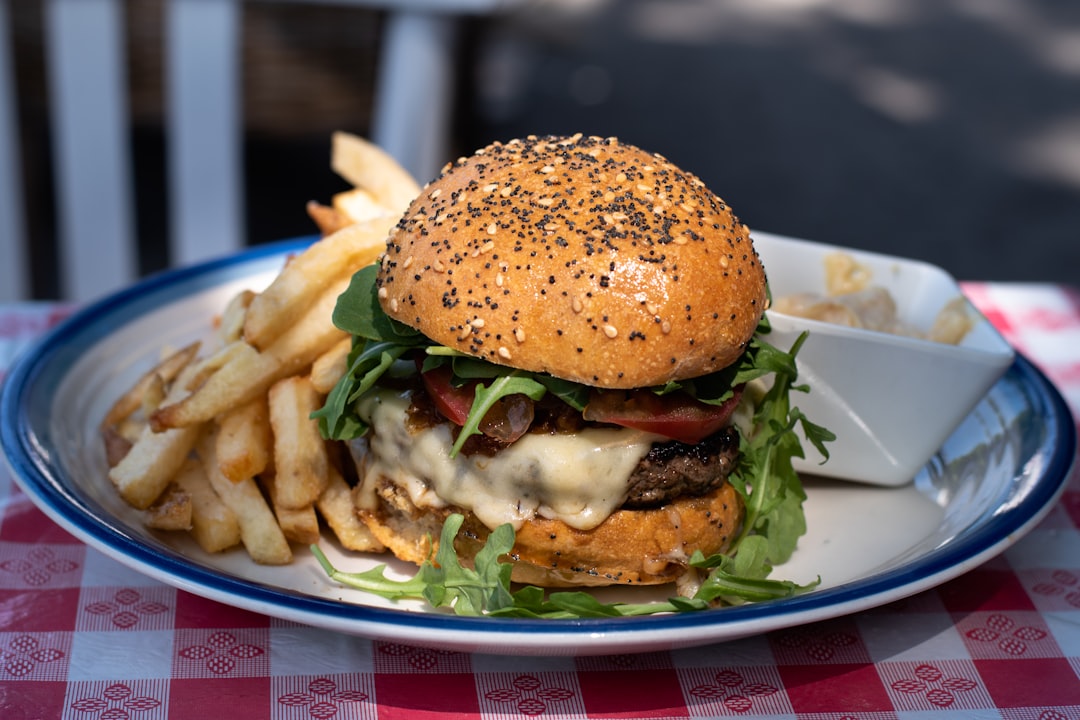
When we head into the Mountain West and the Great Plains, we’re really looking at a masterclass in survivalist engineering, where every single dish seems to be a direct response to the harsh realities of high-altitude living and remote labor. You know that moment when you realize a regional specialty isn't just a quirky menu item, but a calculated solution to a scarcity problem? Take the Rocky Mountain oyster, for instance; it’s not just a dare for tourists, but a logical repurposing of cattle ranching byproducts during spring branding, where a quick, high-heat fry is essential to keep the interior tender instead of rubbery. It’s that same kind of utilitarian thinking that gave us Wyoming’s buffalo jerky, where the lack of intramuscular fat in bison allows the meat to cure rapidly in the dry mountain air without oxidizing, creating a vital protein source that could actually last through a brutal winter.
If you look at the starch-heavy staples that dominate this corridor, the science behind the preparation is honestly just as fascinating as the flavors. In Idaho, it’s not just that the soil grows great potatoes; the volcanic, mineral-rich earth of the Snake River Plain creates a specific high starch-to-water ratio that gives those baked potatoes their signature fluffy interior. And you can’t talk about the local fry sauce without acknowledging its role as a high-viscosity emulsifier; that simple mix of ketchup and mayonnaise is actually doing the heavy lifting by balancing the intense dryness of a starch-dense potato. Even the Nebraska Runza follows this logic, where the cabbage tucked inside the dough isn't just for flavor—it releases moisture during the bake to ensure the beef stays succulent inside its yeasty shell.
Then you have the dishes that are defined by the sheer difficulty of sourcing ingredients, like the Montana huckleberry, which refuses to be mass-farmed because it relies on specific mycorrhizal fungi found only in wild, undisturbed soils. It’s a stark contrast to the human-led agricultural hybrids like the Colorado Pueblo chile, which researchers specifically engineered to handle high-altitude frost, giving us a thicker-walled pepper that can stand up to the long, slow simmer of a pork-heavy gravy. Even the seemingly simple Nevada Basque-style chorizo carries a history of nomadic sheepherders, with garlic and vinegar profiles ramped up to mask the strong, gamey notes of a mutton-heavy diet. I honestly think that when you’re driving through these regions, the best way to eat is to stop seeing these as just snacks and start seeing them as the survival tools they’ve always been; it makes that bite of salty, crispy chislic in South Dakota feel a lot more like a piece of living history.
Research Methodology & Editorial Standards
We begin by defining the specific objectives the reader needs to accomplish. Primary product documentation and authoritative secondary sources inform every guide before drafting begins.
Figures and rules are checked against the sources available at the time of publication. Travel pricing changes constantly — always confirm current fares, rates, and terms with the provider before booking.