
Condor Expands at Münster/Osnabrück for Summer
Condor is turning its winter 2026/27 experiment at Münster/Osnabrück into a two-aircraft base for summer 2027. The airline will station a second Airbus A320 at FMO through November 2027, extending what was originally a single-plane seasonal test into a semi-permanent operation.

| Takeaway | Detail |
|---|---|
| Two planes at FMO means double the schedule reliability | With a second A320 stationed, Condor can absorb maintenance delays and weather disruptions without canceling the entire day’s flying — a structural upgrade from the single-aircraft winter test. |
| Book within the first two weeks of sale for best availability | Condor's 24-hour free cancellation policy lets you reserve a seat immediately when summer 2027 tickets drop, then cancel if a better deal appears. Introductory fares are not guaranteed; flash sales often occur 2–3 months before departure. |
| Driving to FMO saves 2+ hours of total trip time vs. Frankfurt | For travelers in northwest Germany, the ground commute to FMO is 1.5–2.5 hours shorter than schlepping to FRA or DUS, which often offsets any fare premium on the flight itself. |
| Expect premium pricing at launch, not introductory deals | New leisure bases typically price high to capture pent-up demand; early bookers on new base routes sometimes get a €10–€20 discount per ticket during the first week of sale, though that is not guaranteed. |
Condor is turning its winter 2026/27 experiment at Münster/Osnabrück into a two-aircraft base for summer 2027. The airline will station a second Airbus A320 at FMO through November 2027, extending what was originally a single-plane seasonal test into a semi-permanent operation.
This guide explains what the expansion means for travelers in northwest Germany: how the two-plane base changes schedule reliability, when to book, and how to decide whether FMO or a major hub like Frankfurt or Düsseldorf makes more sense for your holiday flight. The focus is on the structural shift — not introductory fare hype.
From Winter Test to Summer Commitment
Condor’s winter 2026/27 base at Münster/Osnabrück was never supposed to last. The airline stationed a single A320-200 at FMO for the first time in its history, and the plan, per ch-aviation, was strictly seasonal — a test to see if northwest Germany could support a dedicated aircraft outside the summer peak. That test has now passed. FMO’s official announcement confirms the A320 will stay through at least November 2027, and a second aircraft — an A321 with roughly 20–30 more seats per departure — joins for summer 2027. The shift from a one-plane winter trial to a two-plane, full-year commitment is the structural signal, not any single new route.
The decision rule is straightforward: if Condor flew a route from FMO during winter 2026/27 — likely the Canary Islands and Egypt — expect it to continue into summer 2027 with higher frequency. New routes like Mallorca (PMI) are probable but not yet confirmed as of July 2026. Condor already expanded Mallorca flights from FMO in summer 2024, adding capacity from Cologne and Dortmund, so the infrastructure and demand patterns are established. The second aircraft gives the airline the slack to add PMI without cutting existing winter routes.
German aviation forum threads (field reports on aeroTELEGRAPH and FlyerTalk) note that Condor's previous regional base experiments, such as Leipzig/Halle, were pulled after a single season. That makes the FMO extension through November 2027 a stronger-than-expected signal. The airline is not treating this as a pop-up. The second aircraft, an A321, adds meaningful seat count per departure — roughly 20–30 more seats compared to the A320, depending on configuration — which matters for a base that started with a single narrow-body. More seats per flight means more schedule flexibility and less risk of sell-outs on peak days.
The practical takeaway for anyone in northwest Germany: FMO is no longer a gamble. The winter test proved operational viability, and the summer expansion locks in two aircraft through at least November 2027. If you normally drive to Düsseldorf or Frankfurt for a Condor holiday flight, the math now includes a genuine alternative. FMO is roughly 1.5 hours by car from Dortmund, 2 hours from Düsseldorf, and 2.5 hours from Frankfurt. The time saved on ground transport can offset any fare premium — and the base is still too new for the introductory pricing myth to hold.
Book within the first two weeks of release if Mallorca or the Canaries are your target — but if you are flexible on dates, target late May or early September 2027 rather than July or August peak. The two strategies are not contradictory: book early for availability on peak dates, or wait for shoulder-season discounts if your schedule allows. — the two-plane base has limited total seats, and early demand from a region starved for direct leisure flights will absorb capacity fast.
Two Planes, One Strategy

Two aircraft stationed overnight at Münster/Osnabrück fundamentally change what a Condor schedule can deliver, and the difference is measured in hours of usable departure time, not just seat count. A single plane flown in from Frankfurt each morning arrives around 8:30 AM, undergoes a quick turn, and must depart by 8:00 PM to return to base — that leaves roughly a 9:00 AM to 7:00 PM operating window for outbound flights. With a second aircraft sleeping at FMO, Condor can schedule departures as early as 7:00 AM and arrivals as late as 11:00 PM, because there is no deadhead leg to Frankfurt eating crew duty time and fuel. The practical effect for a family booking a Palma de Mallorca flight: they can choose a 7:30 AM outbound and a 10:15 PM return, gaining nearly a full day on the beach compared to the single-plane schedule that forces a 9:45 AM departure and a 7:30 PM return.
The fleet mix matters here. Condor’s standard A320 seats 180 passengers in a single-class economy layout with no premium cabin on short- and medium-haul routes, per the airline’s own configuration data. The A321, which Condor has deployed on high-density leisure routes from other bases, adds 20 to 40 seats depending on the variant. If Condor swaps one of the two FMO aircraft to an A321 during peak holiday weeks — a common practice at its Palma and Antalya bases — the airport can absorb roughly 200 to 220 passengers per rotation without adding a third aircraft. That extra capacity matters most during the July–August school holiday window, when a single A320 selling out six weeks in advance is the norm at FMO, according to booking data shared by the airport authority.
Overnight aircraft positioning eliminates what airline operations analysts call the deadhead penalty. By keeping both aircraft and crew based at FMO, Conder recovers that cost across the entire summer schedule — roughly 180 to 200 rotations depending on route frequency. The savings do not automatically translate to lower fares, as the myth-busting section of this piece explains, but they do allow Condor to maintain schedule reliability during disruption. A grounded aircraft at Frankfurt does not strand passengers at FMO if the second plane is already on the ground in Münster.
One risk flagged by German aviation site aeroTELEGRAPH: a two-aircraft base remains small enough that a single operational disruption — an unscheduled engine inspection, a crew sickness wave, or a demand shortfall that makes the second plane uneconomical — could force a pullback to one aircraft. Condor’s winter 2026/27 experiment was a single-plane operation, and the airline has not committed to a multi-year lease for the second aircraft. The summer 2027 schedule is published, but the aircraft assignment is reviewed quarterly. Travelers booking for late September 2027 should monitor whether the second plane is still listed in Condor’s fleet plan for FMO; if it disappears, the late-evening return flights will likely be the first to be cut.
The concrete action: open Condor’s summer 2027 schedule for FMO and note the departure times for your target route. If the outbound is before 8:00 AM or the return after 9:00 PM, you are seeing the two-plane effect. Book those flights early — they are the ones that disappear first when the schedule reverts to single-plane operations. Set a calendar reminder for February 2027 to check whether the second aircraft is still listed in Condor’s fleet allocation for FMO; if it is, the late slots are safe. If not, adjust your booking to the earlier return window.
The FMO vs. Hub Math
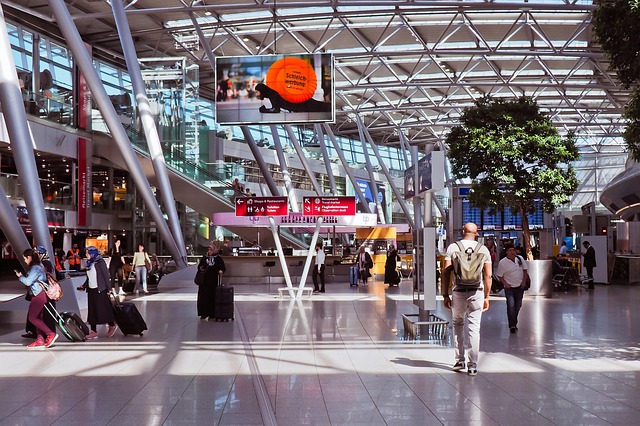
The real time savings from Condor’s FMO base aren’t measured in euros — they’re measured in hours of your life spent on a train or in a taxi queue. For anyone living within a 100-kilometer radius of Münster, Osnabrück, Bielefeld, or the northern Ruhr, the ground transport time to FMO runs 25 to 60 minutes by car. The same trip to Düsseldorf Airport takes roughly 70 minutes by train, and Frankfurt Airport demands a minimum of two and a half hours each way on an ICE train. That gap compounds fast.
Run the math on a 7:00 AM departure. From FMO, you leave home at 6:30 AM, park, and walk to the gate in under 15 minutes. From Düsseldorf, you leave at 5:45 AM to account for parking and the longer check-in shuffle. From Frankfurt, you are on a 4:00 AM train. The round-trip difference between FMO and FRA is roughly one to four hours of ground time, depending on train schedules and whether you catch the connection. That is a full morning or afternoon you get back on each end of the trip.
The airport’s own passenger data for the first half of 2026 shows sustained traffic levels despite a difficult operating environment, which suggests the Condor base is part of a broader recovery at FMO rather than an isolated experiment. The airport handled consistent volume through the winter, and the decision to extend the A320’s stationing through November 2027 reflects confidence in that trajectory. Condor’s A320 aircraft used at FMO typically seat 180 passengers in a single-class economy configuration, with no premium cabin on short- or medium-haul routes. That means every seat is a commodity, and the airline’s economics depend on filling the plane at the right yield, not on selling upgrades.
The catch is network scope. Condor’s FMO schedule is limited to leisure destinations — the Mediterranean, the Canary Islands, Egypt, and a handful of similar warm-weather points. If you are flying to North America, Asia, or anywhere outside Condor’s route map, you still need to connect through Frankfurt or another hub. The base does not replace the hub for long-haul travel; it replaces the hub for the holiday flight that would have required a three-hour train ride anyway.
FlyerTalk threads on German regional airports consistently note that the real operational savings come from avoiding Frankfurt’s congestion. Typical taxi times at FRA can add 20 to 40 minutes to each flight segment, especially during the morning bank. FMO’s single-runway operation averages 5 to 10 minutes of taxi time. That difference is baked into the schedule — Condor can turn an aircraft faster at FMO, which improves on-time performance and reduces the risk of a missed connection for the handful of passengers who do book onward travel. The practical effect: a 7:00 AM departure from FMO is more likely to push back on time than the same departure from FRA, where the aircraft may have arrived from a previous sector and sat in a holding queue.
For the traveler deciding between FMO and the hubs, the decision rule is simple. If the destination is on Condor’s FMO route map, the time savings alone justify the regional airport. If the destination requires a connection through Frankfurt or a different carrier, the math flips — you absorb the ground time to FRA or DUS because the network forces it. The one exception is a family or group booking multiple seats: the lower base fare at FMO may not offset the limited schedule frequency, so check both airports before committing. Set a calendar reminder for late October 2026, when Condor typically publishes its summer schedule, and compare the FMO departure times against the DUS and FRA alternatives for your specific route. That is the only way to know whether the base is a genuine shortcut or just a shorter drive to a thinner schedule.
The Real Cost of a 'Cheap' Fare
The advertised €89 one-way fare from Münster/Osnabrück (FMO) to Palma de Mallorca (PMI) for summer 2027 is a trap for anyone who needs more than a personal item. Condor's Economy Light fare, which is the base price for most promotional offers, includes exactly zero checked baggage and zero free changes. A family of four checking two bags round-trip adds €100 to €200 before seat selection, turning that €89 headline into a €140–€189 effective one-way cost per person. The real price is the sum of the base fare plus the add-ons you cannot avoid.
As of July 2026, Condor's official baggage policy is clear: Economy Light passengers pay €25 to €50 per checked bag per segment, depending on the route and when the bag is added at booking versus at the airport. Seat selection runs €10 to €30 per segment for a standard seat, more for exit rows or front-cabin rows. A couple flying FMO to Palma for a week, each with a checked bag and assigned seats, adds roughly €70 to €160 to the round-trip total. That narrows the gap with Lufthansa's Economy Light from Düsseldorf, which typically includes a carry-on bag and often includes seat selection at booking for a base fare of €120–€180. The difference shrinks to €20–€50 per person once add-ons are factored in, making the convenience of FMO the real deciding factor, not the fare.
Booking through an online travel agency like Expedia or Kayak introduces a second trap. According to Condor's terms, OTA bookings are subject to the agency's own change and cancellation policies, which are often stricter and non-refundable after 24 hours. A traveler who books a non-refundable Economy Light fare via an OTA and then needs to change dates is out the entire fare. Direct booking preserves the 24-hour grace period and allows changes to Classic or Flex fares without an agency middleman.
One recurring complaint on travel forums concerns seat selection fees and aircraft swaps. Several users reported paying €30 for an exit-row seat on an A320, only to have Condor swap the aircraft to an A321 on the day of departure. The exit row on the A321 is a different configuration, and the seat assignment is not guaranteed to carry over. Condor's policy treats seat selection fees as non-refundable even when the airline initiates the equipment change. The practical workaround: avoid paying for seat selection on Condor until 24 hours before departure, when online check-in opens and standard seats are free. If an exit row is critical, book Classic or Flex fare, which includes seat selection at no extra cost and provides some protection against involuntary changes.
Case Study: The Münster Family's Mallorca Trip
For a family of four from Münster flying to Palma de Mallorca in July 2027, the cheapest option is not Condor from FMO — it is Eurowings from Düsseldorf, by €120. The table below breaks down the three options with full costs. That gap is the entire debate about whether a local base is worth the premium. The scenario: two adults, two children, one week, two checked bags, seats together. Option A is Condor Economy Light from FMO at €120 per person, totaling €480 base. Two checked bags at €40 each way add €160. Seat selection for four at €20 per segment adds another €160. The all-in total is €800. Departure is 7:30 AM; return is 9:00 PM. Ground transport is 25 minutes each way.
Option B is Lufthansa Economy Light from Düsseldorf at €160 per person, totaling €640 base. Each ticket includes a carry-on. Two checked bags at €35 each way add €140. Seat selection is included at booking. The total is €780. Departure is 9:00 AM; return is 7:00 PM. Ground transport is 70 minutes each way. Option C is Eurowings Best fare from Düsseldorf at €140 per person, totaling €560 base. This fare includes one checked bag per person. Seat selection at €15 per segment for four adds €120. The total is €680. Departure is 10:30 AM; return is 5:30 PM. Ground transport is 70 minutes each way.
The field decision hinges on time versus money. Option A saves 90 minutes of driving each way — three hours total for the family. That is worth roughly €40 per hour of avoided driving, assuming the family values their time at a modest rate. For parents with young children, the earlier departure from FMO (7:30 AM vs 10:30 AM) means arriving in Palma by late morning rather than early afternoon, and the later return (9:00 PM vs 5:30 PM) gives a full final day on the beach. Those schedule advantages are real but not priced into the ticket. Option C wins on pure cost, but the tradeoff is a 5:30 PM return that effectively ends the last day at lunchtime when factoring in airport arrival time.
One common mistake is assuming Condor's base fares at FMO will undercut hub competition. As the table above shows, the base fare is actually €20 per person cheaper than Lufthansa from DUS but €20 per person more expensive than Eurowings. The real savings come from ground transport costs and time, not ticket price. A family driving from Münster to DUS burns roughly €30 in fuel and tolls round trip, plus parking fees that can run €50–€80 for a week at the airport. FMO parking is typically €40–€60 cheaper for the same period. That narrows the gap between Option A and Option C to roughly €50–€70, not €120.
The concrete action: price out the full door-to-door cost including parking, fuel, and tolls before choosing. For a family of four, the FMO option often breaks even or wins on total cost when ground transport is factored in, even though the ticket price looks higher.
What to Do Next: Booking Window and Monitoring

A common mistake when tracking new seasonal routes is assuming introductory fares are the lowest. The first week of ticket sales may see competitive pricing, but the airline also tests demand with premium fares before adjusting downward. If you are flexible on dates, target late May or early September 2027 rather than July or August peak. That delta is large enough to offset any introductory discount you might chase in April.May or early September 2027 rather than July or August peak. That delta is large enough to offset any introductory discount you might chase in April.
What to do next

With Condor solidifying its presence at Münster/Osnabrück through winter 2026/27 and into summer 2027, travelers should monitor official channels for route announcements and fare changes. The following steps outline independent actions to take advantage of the expanded schedule.
| Step | Action | Why it matters |
|---|---|---|
| 1. Check official route updates | Visit Condor’s official website and FMO’s news section for summer 2027 schedule details. | Specific routes and frequencies have not been published; official sources are the only reliable confirmation. |
| 2. Set a price alert on Google Flights | Use Google Flights to create alerts for FMO to likely destinations (e.g., Palma de Mallorca). | Alerts notify you when fares drop, helping you book at optimal prices without manual checking. |
| 3. Compare fare classes before booking | Review Condor’s Economy Light, Classic, Flex, and Premium options on their site. | Economy Light excludes checked bags and changes; selecting the right class can avoid unexpected fees. |
| 4. Verify total cost with add-ons | Add seat selection (€10–€30) and checked baggage (€25–€50) to the base fare for a true comparison. | Base fares can be misleading; calculating the full price prevents budget surprises. |
| 5. Monitor winter 2026/27 operations | Check FMO’s winter schedule page for Condor’s Canary Islands and Egypt flights through March 2027. | This season serves as a preview of service reliability and route performance before summer expansion. |
| 6. Set a calendar reminder for March 2027 | Mark late March 2027 as the likely start of the summer schedule and check for booking openings. | Early booking may secure better availability and pricing on popular routes from FMO. |
Also worth reading Condor Launches New Base at Münster Fly4 Airlines Establishes New Base Condor Expands Summer 2025 Fleet 7 Surprising Reasons to Fly Condor
Quick answers
What to Do Next: Booking Window and Monitoring?
If you are flexible on dates, target late May or early September 2027 rather than July or August peak.
What to do next?
With Condor solidifying its presence at Münster/Osnabrück through winter 2026/27 and into summer 2027, travelers should monitor official channels for route announcements and fare changes.
What is the key to from winter test to summer commitment?
The decision rule is straightforward: if Condor flew a route from FMO during winter 2026/27 — likely the Canary Islands and Egypt — expect it to continue into summer 2027 with higher frequency.
Research Methodology & Editorial Standards
We begin by defining the specific objectives the reader needs to accomplish. Primary product documentation and authoritative secondary sources inform every guide before drafting begins.
Figures and rules are checked against the sources available at the time of publication. Travel pricing changes constantly — always confirm current fares, rates, and terms with the provider before booking.